

Your roof is one of your home’s most valuable assets, but inspecting it safely and accurately can be a challenge—especially for steep pitches or hard-to-reach areas. That’s where technology comes in. A drone roof inspection allows roofers to assess your home’s condition quickly and precisely without the risks of traditional climbing. Using high-resolution imagery and thermal sensors, drones can identify hidden damage, leaks, or weak spots long before they cause major problems. For homeowners in Indianapolis and surrounding areas, drone inspections are becoming the go-to method for fast, accurate roofing assessments. If your roof hasn’t been checked in a while, a professional roofing evaluation that includes drone imaging may be one of the smartest investments you can make.
Here’s what you’ll learn in this guide:
- The key advantages of drone inspections over traditional methods
- How professional roofers use drones to identify hidden damage
- The step-by-step process of a modern drone roof inspection
- How this technology can save you time, money, and hassle
Why Drone Roof Inspections Are Changing the Roofing Industry
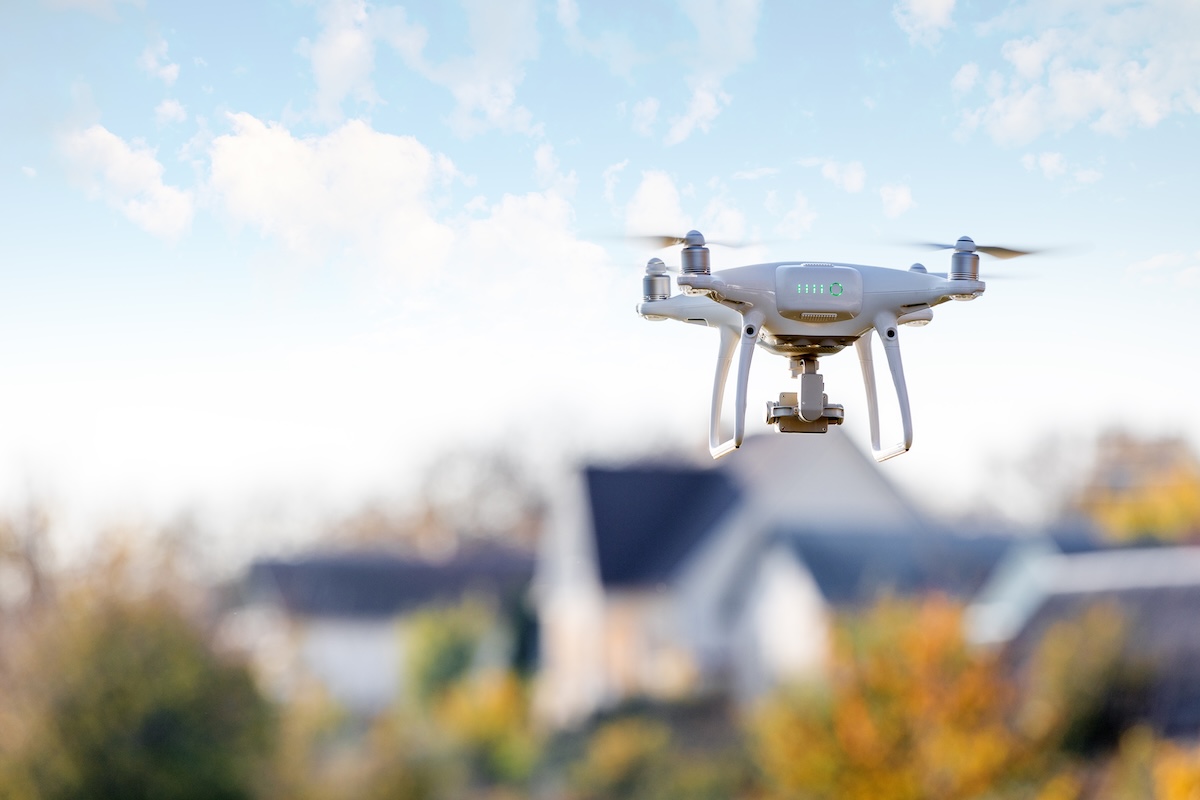
Drones have transformed how roofing professionals conduct inspections. Instead of relying solely on ladders and visual observation from the ground, drones provide detailed aerial views that reveal even subtle signs of wear. This approach enhances safety, accuracy, and documentation, especially in regions like Indianapolis and surrounding areas where roofs endure diverse weather conditions.
- Improved Safety: Drones eliminate the need for roofers to climb steep or unstable surfaces, preventing accidents and property damage.
- High-Resolution Imaging: Advanced cameras capture sharp visuals of every shingle, flashing, and ridge, making it easier to pinpoint issues.
- Comprehensive Documentation: Detailed imagery creates a visual record that homeowners can reference for insurance claims or future repairs.
- Faster Turnaround: Drone inspections take a fraction of the time compared to traditional methods, allowing homeowners to receive results quickly.
- Cost-Effective: Reducing labor time and eliminating the need for expensive safety setups keeps inspection costs reasonable.
6 Benefits of a Drone Roof Inspection
A drone roof inspection offers more than just convenience—it provides data and imagery that improve maintenance, decision-making, and long-term value. Here are six specific advantages that make this technology a valuable part of modern roofing care.
1. Unmatched Accuracy and Detail
Drones equipped with 4K cameras and mapping software can capture high-definition images from multiple angles, covering every part of your roof. Unlike human inspections, which can miss hidden problem areas, drones record everything in detail for later analysis.
What This Means for Homeowners:
- Detects small cracks, lifted shingles, or nail pops invisible from the ground.
- Identifies storm or hail damage early before leaks develop.
- Creates accurate measurements for repair or replacement estimates.
This precision helps homeowners and roofers make informed decisions without unnecessary guesswork.
2. Safer Inspections for Everyone
Traditional inspections require roofers to walk on potentially damaged or slippery surfaces. With drone technology, professionals can gather all necessary data from a safe distance.
Key Safety Benefits:
- No climbing on steep or unstable roofs.
- Reduced risk of falls, slips, or property damage.
- Ideal for aging homes or fragile roofing materials like slate or tile.
By removing the need for physical access, drone inspections protect both technicians and your home.
3. Faster Results and Less Disruption
A standard roof inspection can take hours—sometimes half a day. Drone inspections streamline the process dramatically, often completing in 30 minutes or less depending on roof size.
Advantages of Speed:
- Rapid assessments after storms or hail events.
- Immediate reporting for homeowners and insurance adjusters.
- Minimal disruption to daily life since no scaffolding or ladders are required.
For busy homeowners or property managers, quick results mean faster repairs and fewer delays.
4. Comprehensive Data Collection and Reporting
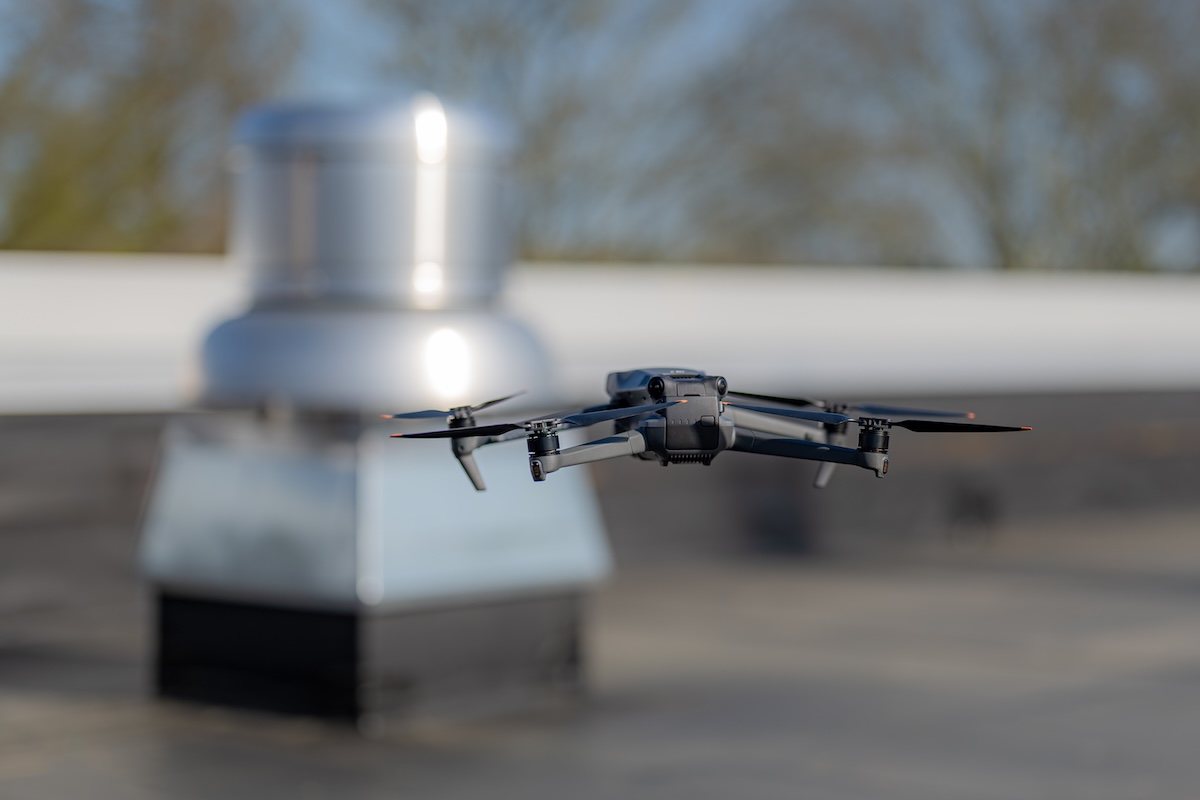
Drones don’t just take photos—they collect a wide range of visual and thermal data that provides a complete view of your roof’s condition.
Typical Data Captured Includes:
- High-resolution photographs and 3D models.
- Infrared imaging to detect trapped moisture or hidden leaks.
- Accurate roof measurements for material calculations.
These reports can be shared digitally, giving you clear visual evidence of your roof’s condition for reference, budgeting, or insurance claims.
5. Early Detection of Roof Damage
Even the smallest roof issue can grow into a costly problem if ignored. Drones make it possible to detect minor wear before it escalates.
Common Problems Identified During Drone Inspections:
- Missing or damaged shingles
- Cracked flashing or vents
- Water pooling in low areas
- Damaged gutters or soffits
Early detection allows for timely maintenance, helping homeowners in Indianapolis and surrounding areas avoid expensive repairs and extend roof lifespan.
6. Enhanced Transparency and Homeowner Confidence
One of the biggest benefits of drone inspections is transparency. Homeowners can see what roofers see—clear, objective images that explain exactly what’s happening on their roof.
Why It Matters:
- Builds trust between contractors and homeowners.
- Prevents unnecessary repairs by providing proof of condition.
- Helps homeowners understand maintenance priorities.
When your contractor shows you visual evidence instead of vague descriptions, you can make confident, informed decisions about repairs or replacements.
How a Professional Drone Roof Inspection Works
A professional inspection using drones follows a structured process to ensure accurate, reliable results. Each stage focuses on safety, data quality, and thorough analysis.
Step 1: Initial Consultation and Roof Assessment
The process starts with a discussion about your roof’s history, age, and any recent weather events. Roofers determine whether the inspection will focus on damage assessment, maintenance, or routine documentation.
Step 2: Flight Preparation and Safety Check
Before takeoff, professionals ensure all conditions are safe for flight. They confirm wind speed, visibility, and nearby obstructions such as trees or power lines.
Preparation Steps Include:
- Mapping out flight paths.
- Calibrating cameras and sensors.
- Notifying homeowners and securing the area below.
Step 3: Drone Flight and Data Capture
The drone takes multiple passes across your roof, capturing detailed images and video from different angles and elevations. For complex roofs, drones can also perform automated grid mapping.
Captured Data May Include:
- Close-up imagery of shingles, flashing, and valleys.
- Thermal imaging to detect moisture or insulation issues.
- Overall aerial view for slope and drainage analysis.
Step 4: Data Review and Reporting
After the flight, technicians review the footage and imagery to identify problem areas. Using advanced software, they create detailed reports highlighting the roof’s current condition, measurements, and maintenance recommendations.
Step 5: Professional Recommendations
Finally, your roofing professional will meet with you to review findings. Together, you’ll discuss any necessary repairs, potential costs, and future maintenance steps to keep your roof in top shape.
This combination of technology and expertise ensures homeowners receive reliable, data-backed recommendations.
Comparing Drone Inspections to Traditional Roof Inspections
Both traditional and drone methods can provide valuable insights, but the difference in efficiency and accuracy is significant.
| Feature | Traditional Inspection | Drone Inspection |
| Safety | Requires climbing and physical access | Completely contact-free |
| Time | 1–3 hours | 20–40 minutes |
| Accuracy | Limited by human visibility | High-resolution imagery and measurements |
| Access | May miss steep or damaged areas | Covers all roof angles easily |
| Cost | Higher due to labor and safety setup | Lower due to efficiency |
While traditional inspections still have value for close-up, hands-on evaluations, drone technology enhances speed, safety, and precision.
When to Schedule a Drone Roof Inspection
Routine inspections are important for every homeowner, but certain circumstances make drone technology especially beneficial.
Ideal Times to Schedule:
- After severe storms or hail events to assess damage safely.
- When selling or buying a home to provide clear condition reports.
- As part of annual roof maintenance to track wear over time.
- When your roof is steep, fragile, or otherwise unsafe to climb.
Homeowners in Indianapolis and surrounding areas often schedule drone inspections after heavy storms to document insurance claims and ensure repairs are handled correctly.
The Future of Roofing Inspections
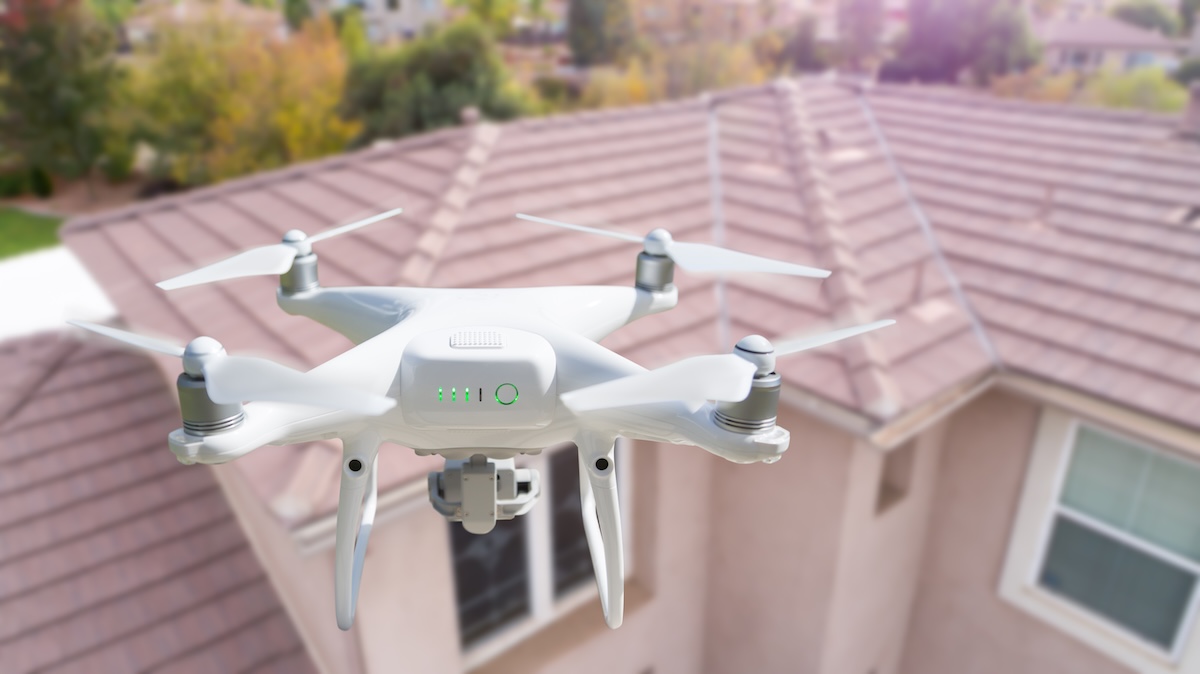
As drone technology continues to advance, roofers are integrating AI-powered image analysis and 3D modeling to predict wear patterns and detect hidden problems automatically. This innovation allows for more proactive maintenance, helping homeowners make informed decisions about repair timelines and budgets.
For property owners, this means faster inspections, higher accuracy, and less uncertainty when evaluating roof health—all without setting foot on a ladder.
Get a Drone Roof Inspection for Your Home
A professional drone roof inspection provides a clear, detailed, and safe look at your roof’s condition, saving you time, money, and unnecessary stress. Whether you suspect storm damage, need insurance documentation, or simply want peace of mind, drone imaging delivers results you can trust.
If your roof hasn’t been checked recently or you’re ready to upgrade your home, contact us today to schedule a roof assessment. Our team proudly serves Indianapolis and surrounding areas, offering precise, technology-driven roofing solutions built for your home’s long-term protection.