

Filing a roof insurance claim can feel overwhelming, especially when you are already dealing with storm damage or unexpected repairs. Understanding the process can make a major difference in whether your claim gets approved quickly or denied. Taking the right steps early helps protect your investment and avoid costly mistakes. If you are assessing damage, reviewing professional roofing services designed for long term protection can also help you prepare for the claims process.
In this guide, you will learn:
- How roof insurance claims work in 2026
- The most common reasons claims are approved or denied
- Step by step tips to improve your chances of approval
- What to expect during inspections and adjuster visits
- How to avoid costly mistakes during the process
When to File a Roof Insurance Claim

Why Understanding the Roof Insurance Claim Process Matters
A roof insurance claim is not just paperwork. It is a structured process that determines whether your insurance provider will cover repairs or replacement costs. Without a clear understanding of how it works, homeowners often miss critical steps that affect approval.
For homeowners in Anderson and surrounding areas, where storms and seasonal weather can cause sudden damage, knowing how to navigate the claims process is essential.
Here are key reasons to understand the process:
- Higher approval chances: Knowing what insurers look for helps you submit a stronger claim.
- Faster resolution: Proper documentation and preparation can speed up the timeline.
- Reduced out of pocket costs: A successful claim can significantly lower your financial burden.
- Better communication: Understanding terminology and requirements improves interactions with adjusters.
- Stronger protection of your investment: Ensures your roof is repaired or replaced properly.
Being informed allows you to take control of the situation instead of reacting under pressure.
7 Steps to Successfully File and Complete Your Roof Insurance Claim

Filing a claim involves more than simply calling your insurance company. Following a structured approach can improve your chances of success and reduce delays.
1. Inspect Your Roof Immediately After Damage
After a storm or suspected damage, the first step is to assess the condition of your roof.
Look for visible signs such as missing shingles, dents, or leaks. Acting quickly helps document the damage before it worsens.
Important tips:
- Take photos from multiple angles
- Check both exterior and interior signs of damage
- Avoid climbing onto the roof if it is unsafe
2. Review Your Insurance Policy
Before filing a claim, understand what your policy covers. Not all damage is eligible for reimbursement.
Knowing your coverage prevents surprises later in the process.
Key areas to review:
- Coverage limits
- Deductibles
- Exclusions such as wear and tear
3. Contact a Professional Roofing Contractor
A professional inspection provides an accurate assessment of the damage and helps identify issues you might miss.
Contractors can also provide documentation that supports your claim.
Benefits include:
- Detailed inspection reports
- Professional photos and measurements
- Guidance on next steps
This is especially helpful for homeowners in Anderson and surrounding areas dealing with storm related damage.
4. File Your Claim Promptly
Timing matters when filing a roof insurance claim. Delays can lead to complications or denial.
Contact your insurance provider as soon as possible after confirming damage.
Steps to follow:
- Provide basic details about the incident
- Submit initial documentation
- Keep records of all communications
5. Prepare for the Insurance Adjuster Visit
An adjuster will inspect your roof to evaluate the claim. Being prepared can make a significant difference.
Having your contractor present during this visit can help ensure nothing is overlooked.
Preparation tips:
- Share your documentation with the adjuster
- Walk them through the damage
- Ask questions about the process
6. Review the Insurance Estimate Carefully
Once the adjuster completes their inspection, you will receive an estimate outlining coverage.
It is important to review this document closely to ensure all damage is accounted for.
Look for:
- Missing repair items
- Underestimated costs
- Incomplete scope of work
7. Complete Repairs and Finalize the Claim
After approval, repairs can begin. Completing the work properly ensures your claim is finalized without issues.
Final steps include:
- Hiring a qualified contractor
- Completing all approved repairs
- Submitting final documentation for payment
Following through carefully ensures you receive the full benefits of your claim.
Common Mistakes That Can Delay or Deny Your Claim
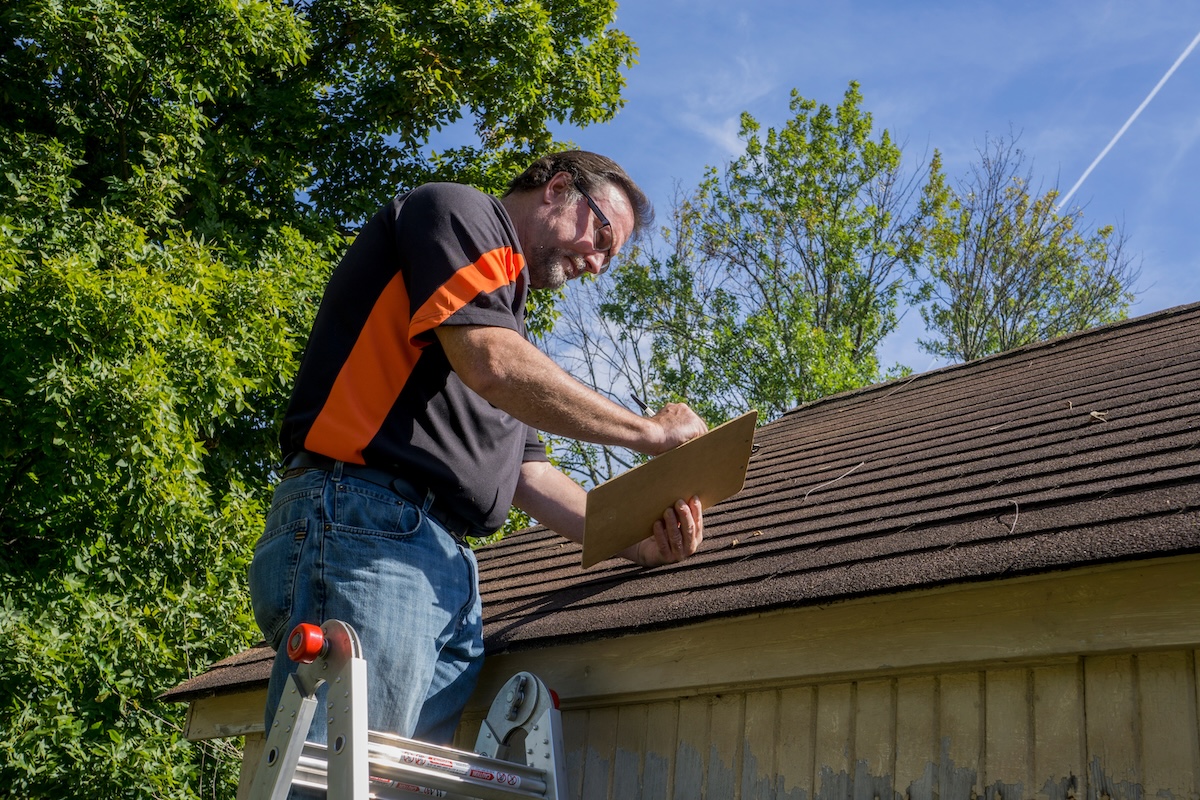
Even small missteps can affect the outcome of your roof insurance claim. Understanding common mistakes helps you avoid unnecessary setbacks.
Waiting Too Long to File
Delays can raise questions about when the damage occurred, which may lead to denial.
Act quickly to document and report issues.
Lack of Proper Documentation
Incomplete or unclear documentation makes it harder to prove your case.
- Take clear photos
- Keep receipts and records
- Maintain communication logs
Misunderstanding Policy Coverage
Assuming something is covered without verifying can lead to disappointment.
Always review your policy carefully before proceeding.
Not Working with Professionals
Trying to handle everything alone can result in missed details.
Professional contractors provide valuable support throughout the process.
Accepting the First Offer Without Review
Insurance estimates are not always final.
Reviewing and questioning the initial offer ensures you receive fair compensation.
What Insurance Companies Look for in 2026
Insurance providers continue to evolve their requirements, and understanding what they prioritize can improve your chances of approval.
Clear Evidence of Sudden Damage
Insurance companies typically cover sudden and accidental damage, not gradual wear and tear.
Examples include:
- Storm damage
- Hail impact
- Wind related issues
Proper Maintenance History
Maintaining your roof shows that damage was not caused by neglect.
- Regular inspections
- Timely repairs
- Clean gutters and drainage systems
Consistent Documentation
Consistency in your claim helps build credibility.
- Matching photos and reports
- Accurate timelines
- Detailed descriptions
Professional Assessments
Third party inspections from contractors add credibility to your claim.
For homeowners in Anderson and surrounding areas, this can be especially important after severe weather events.
Roof Insurance Claim vs Out of Pocket Repairs
In some cases, filing a claim may not be the best option. Comparing the two approaches helps you make an informed decision.
Comparison Table
| Factor | Insurance Claim | Out of Pocket |
| Cost | Lower if approved | Full cost paid by homeowner |
| Timeline | Can take longer | Faster completion |
| Documentation | Required | Minimal |
| Impact on Policy | May affect premiums | No impact |
| Control Over Repairs | Limited by coverage | Full control |
When to File a Claim
Filing a claim makes sense when:
- Damage is extensive
- Repair costs exceed your deductible
- The issue is clearly covered by your policy
When to Pay Out of Pocket
Handling repairs yourself may be better if:
- Damage is minor
- Costs are below your deductible
- You want faster resolution
Evaluating your situation carefully helps you choose the best path.
Take Control of Your Roof Insurance Claim Process
Navigating a roof insurance claim does not have to be stressful when you understand the process and take the right steps. From documenting damage to working with professionals, every decision plays a role in achieving a successful outcome.
For homeowners in Anderson and surrounding areas, having expert support can make all the difference. Maumee River Roofing provides guidance, inspections, and repair services to help you move through the claims process with confidence.
If you need help assessing damage or preparing your claim, contact us today to connect with Maumee River Roofing and get the support you need for a smooth and successful experience.