

When a commercial roof fails, the consequences go well beyond a repair bill. Disrupted operations, damaged inventory, and costly emergency calls are the real price of a roofing system that was not built to last. Commercial metal roofing panels have become one of the most trusted solutions for business owners and property managers who need a roof that performs reliably for decades with minimal maintenance. If you are evaluating options for a new roof or planning a replacement, understanding what a professionally designed commercial roofing system involves and what it can do for your building is the right place to begin.
What you’ll learn:
- Why commercial metal roofing panels outperform traditional alternatives over the long term
- The most common panel types used in commercial construction and how they differ
- What factors affect panel selection, including climate, building type, and load requirements
- How installation quality determines long-term performance on commercial buildings
- What to expect in terms of lifespan, maintenance, and return on investment
Why Metal Panels Are Taking Over Commercial Roofing
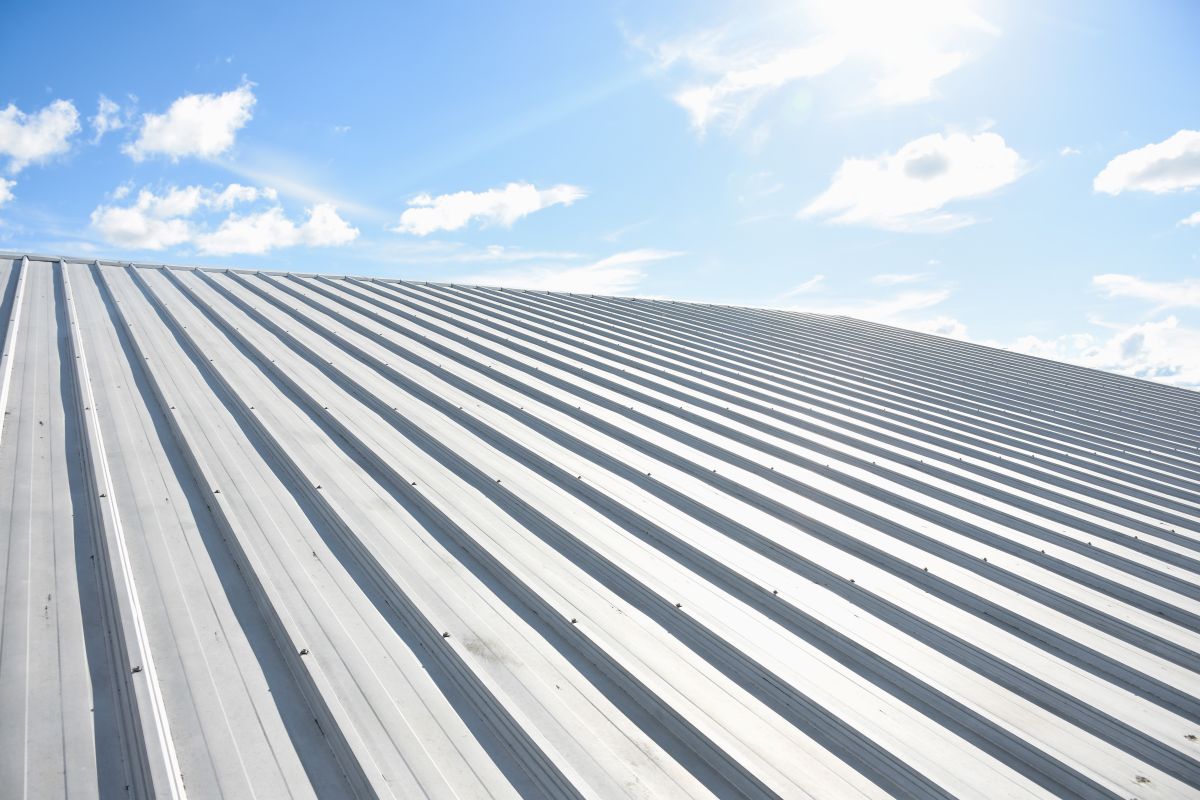
Commercial roofing decisions carry significant financial weight. A flat or low-slope commercial roof on a warehouse, retail building, or office complex is a large, exposed surface that faces constant environmental stress, and the material you choose determines how well that building is protected for the next 30 to 50 years. Metal panels have risen to dominance in commercial roofing not because of marketing, but because they consistently outperform other materials on the metrics that matter most to building owners.
Businesses in New Haven, IN and surrounding areas deal with a climate that tests roofs hard, with hot summers, cold winters, and freeze-thaw cycles that accelerate deterioration in less durable materials. Metal roofing panels handle these conditions better than most alternatives, and the long-term financial case for metal is difficult to argue against once full lifecycle cost is considered.
- Longevity: Steel roofing systems last 40 to 60 years on average, and many installations exceed that with proper maintenance. This far exceeds the 15 to 20 year lifespan typical of modified bitumen or built-up roofing on commercial buildings, and most metal systems carry manufacturer warranties to back it up.
- Low maintenance costs: Metal panels do not blister, crack, or degrade from UV exposure the way membrane systems do. Routine inspections and minor fastener or sealant attention are typically all that is required to keep a metal roof performing at full capacity.
- Energy efficiency: Reflective metal roofing panels reduce solar heat gain on the building envelope, lowering cooling costs and reducing the building’s carbon footprint. Many products qualify for Energy Star ratings and contribute to green building certifications. Metal roofing materials are also fully recyclable at the end of their useful life, making them one of the most sustainable options available.
- Fire resistance and insurance: Steel roofing panels are Class A fire-rated and non-combustible, which is the highest rating available for roofing materials. This fire resistance can translate directly into lower commercial property insurance premiums, giving metal roofing a financial benefit that other materials cannot match.
- Weather resistance: Commercial metal panels are engineered to withstand high winds, heavy snow loads, and hail impact at a level that most membrane and asphalt-based systems cannot match. For businesses where a roof failure would cause significant operational disruption, this resilience has direct financial value.
The shift toward metal in commercial construction is well-established, and for most building types it represents the most defensible long-term investment a property owner can make in their building envelope.
5 Types of Commercial Metal Roofing Panels and When to Use Them
Not all commercial metal roofing panels are the same, and selecting the right panel type for a specific building and use case is one of the most important decisions in the roofing process. Each panel type has distinct structural characteristics, installation requirements, and performance profiles. Here is a breakdown of the five most common options used in commercial applications.
1. Standing Seam Panels
Standing seam is the most widely specified metal roofing system in commercial construction and for good reason. Panels interlock at raised seams that run vertically along the roof slope, with all fasteners concealed beneath the seam. This concealed fastener design eliminates the primary vulnerability of exposed fastener systems, where screw penetrations can become leak points as sealant ages. Standing seam panels also allow thermal expansion through floating clip systems, preventing metal fatigue from rigid fastening.
- Available in steel, aluminum, and zinc, with widths typically ranging from 12 to 18 inches
- Aluminum offers superior corrosion resistance compared to steel, making it the preferred choice for coastal or high-humidity commercial environments; zinc develops a self-healing patina over time that enhances its own corrosion resistance without any applied coating
- Ideal for low-slope and steep-slope commercial applications alike
- Higher upfront cost than exposed fastener systems, but lower long-term maintenance requirements
2. Exposed Fastener Panels (R-Panel and PBR Panel)
Exposed fastener panels like R-panel and PBR panel are among the most cost-effective metal roofing options for commercial buildings. Screws with neoprene washers are driven directly through the panel face into the structural purlins below, making installation faster and less labor-intensive than standing seam. These systems are a common choice for agricultural buildings, warehouses, and industrial facilities where budget is the primary consideration.
- Lower installed cost makes them attractive for large commercial footprints like distribution centers
- Fastener maintenance is required periodically to replace worn washers and re-torque loose screws
- Not recommended for very low-slope roofs where water ponding could compromise fastener seals
3. Metal Roof Tiles and Shingles
For commercial buildings where aesthetics matter alongside performance, metal roof tiles and shingles offer the visual appeal of traditional materials with the durability of metal. Stone-coated steel products in particular are popular on commercial buildings that need to present a residential or architectural character, such as hotels, mixed-use developments, and upscale retail properties. These systems weigh significantly less than the tile or slate they mimic, reducing structural load requirements.
- Stone-coated steel panels are engineered for impact resistance and long-term metal roof color retention
- Installation is more complex than flat panel systems, requiring experienced crews
- Well-suited for buildings in New Haven, IN and surrounding areas where curb appeal is part of the property’s commercial value
4. Corrugated Metal Panels
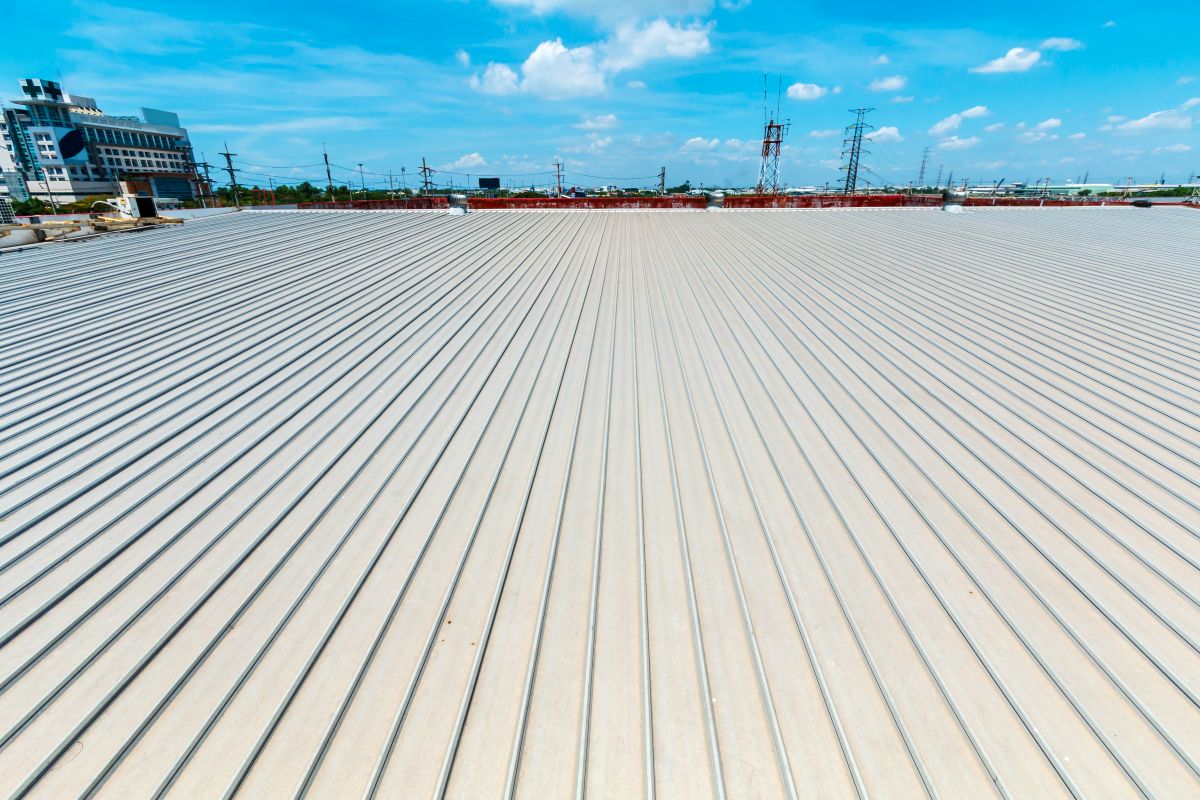
Corrugated panels are one of the oldest metal roofing profiles and remain in active use on commercial and agricultural buildings today. The wave-shaped profile adds structural rigidity to the panel without requiring additional framing, making corrugated metal a cost-effective option for simple commercial structures. Modern corrugated panels are available in Galvalume, painted steel, and aluminum, and are commonly used on storage facilities, outbuildings, and covered commercial structures.
- Profile depth and wavelength vary; deeper profiles offer greater spanning capability
- Lightweight compared to many other commercial systems, reducing structural load requirements
- Best suited for applications where function outweighs architectural detail
5. Insulated Metal Panels (IMP)
Insulated metal panels combine an exterior metal facing with a factory-injected foam core, delivering structural, thermal, and moisture management in a single product. IMPs are increasingly common in commercial new construction because they reduce installation time while delivering high R-values and a clean exterior appearance. Cold storage facilities, manufacturing plants, and large retail developments are among the most common applications.
- Typical R-values range from R-13 to R-42 depending on panel thickness and foam type
- A single IMP replaces multiple individual construction layers, streamlining the building envelope
- Fire ratings vary by foam core composition; verify requirements with local building code before specifying
Understanding these five panel types and their trade-offs allows property owners to match the right system to a building’s structural requirements, budget, and performance expectations. Getting this decision right at the specification stage saves significant time and money over the life of the roof.
Key Factors That Drive Panel Selection on Commercial Projects
Choosing a panel type is only part of the commercial metal roofing equation. Several project-specific factors interact with panel selection to determine the best overall roofing strategy for a given building.
Roof Slope and Drainage Design
Commercial buildings with very low slopes, typically less than half an inch of rise per foot, require panel systems that can handle water standing or moving slowly across the surface. Standing seam panels with factory-sealant in the seams are preferred in these situations because the concealed fastener design and continuous seam integrity prevent water intrusion even when drainage is sluggish. Exposed fastener panels are better suited to applications with adequate slope where water clears the surface quickly.
Building Use and Interior Sensitivity
A warehouse storing non-perishable goods tolerates a different risk profile than a facility housing electronics, food products, or temperature-sensitive manufacturing equipment. Buildings where a single leak could cause significant inventory loss or production shutdown deserve a higher-specification roofing system. The additional upfront cost of standing seam or insulated metal panels is easily justified by the reduction in operational risk.
Snow and Wind Load Requirements
Commercial buildings in New Haven, IN and surrounding areas must meet local building code requirements for snow and wind load. Many jurisdictions require panels to meet specific wind uplift resistance standards, and the selection of panel profile directly affects both water shedding performance and mechanical seaming requirements. A qualified roofing contractor with commercial experience will specify panels and fastening patterns that meet or exceed the code requirements for your jurisdiction, ensuring the system performs as intended under the worst conditions the climate can produce.
Comparing Commercial Metal Panels to Membrane Roofing Systems
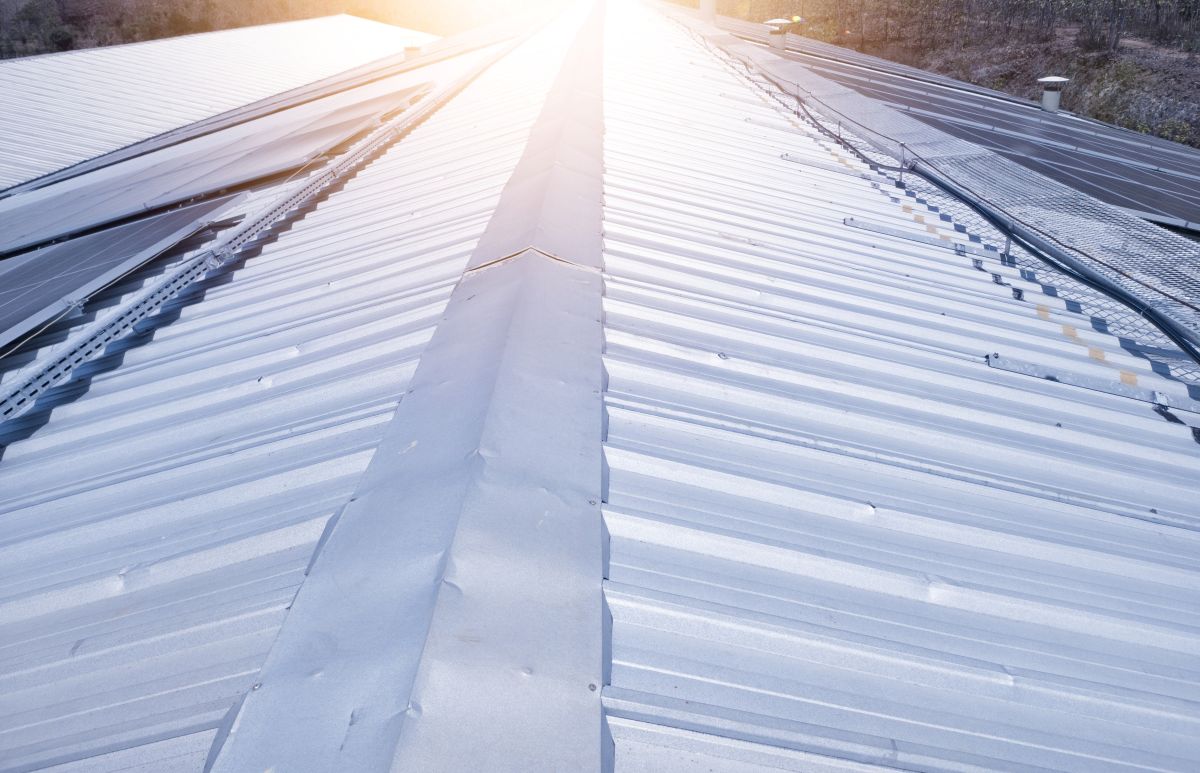
Property owners evaluating a commercial roof replacement or new installation are often weighing metal panels against the membrane systems that have dominated commercial flat roofing for decades. The comparison involves trade-offs in upfront cost, maintenance demand, and long-term performance.
| Factor | Commercial Metal Panels | TPO / EPDM Membrane |
| Typical lifespan | 30 to 50+ years | 15 to 25 years |
| Maintenance requirements | Low; periodic inspection | Moderate; seam and puncture repair |
| Wind resistance | Excellent; engineered load ratings | Good; dependent on attachment method |
| Energy efficiency | High; reflective coatings available | Moderate to high (white membranes) |
| Upfront installed cost | Moderate to high | Low to moderate |
| Lifecycle cost | Lower over 30+ years | Higher due to replacement cycles |
| Aesthetic options | Wide range of profiles and finishes | Limited; primarily functional appearance |
For most commercial buildings where the roof will remain on the structure for several decades, metal panels deliver a better return on investment than membrane systems even when the initial cost is higher. Metal roofing systems often carry a higher upfront price, but the total cost of ownership over 40 to 60 years is typically lower once replacement cycles, maintenance labor, and energy savings are factored in. Metal panels are also well-suited to retrofitting over existing roofs in some applications, reducing tear-off costs and project timelines when structural conditions permit.
Let Maumee River Roofing Protect Your Commercial Investment
A commercial building’s roof is one of its most critical and expensive components, and the panel system you choose today will determine your maintenance costs, energy bills, and operational risk for decades to come. The right answer depends on your building type, budget, and performance expectations, and getting that answer requires working with a local commercial roofing company who understands commercial metal roofing at the specification and installation level. Maumee River Roofing serves businesses across New Haven, IN and surrounding areas with the expertise to design, specify, and install commercial metal panel systems that deliver lasting value. When you are ready to move forward with a commercial roofing project, contact us today and let our team assess your building and walk you through your best options.