

Choosing the right metal roof insulation can make a major difference in comfort, energy efficiency, and long term performance. Metal roofs are known for durability, but without proper insulation, they can transfer heat and cold quickly. Whether you are upgrading an existing system or planning a new installation, understanding your options is key. To see how insulation fits into a complete system, explore high quality metal roofing solutions designed for long lasting performance.
In this guide, you will learn:
- Why insulation is critical for metal roofing systems
- The best insulation types and when to use each
- A step by step breakdown of installation considerations
- Common mistakes to avoid
- How to choose the right option for your property
Why Metal Roof Insulation Matters More Than You Think
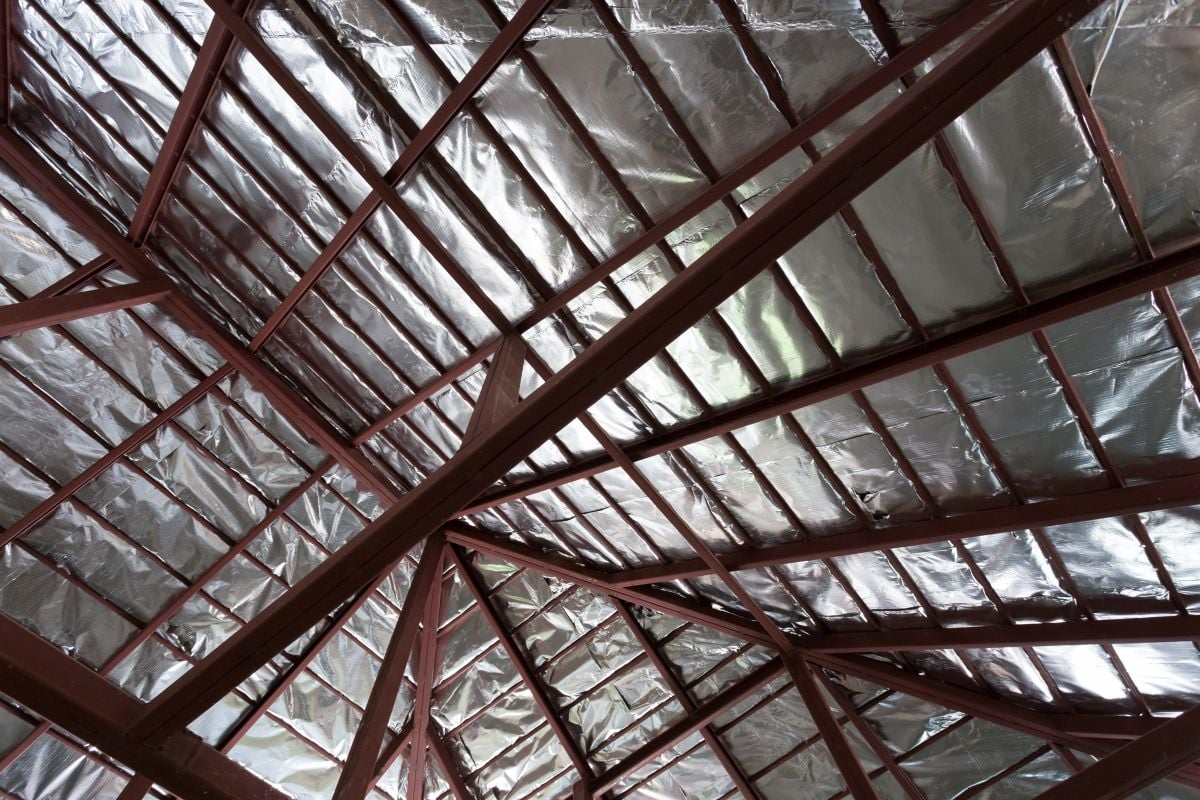 Metal roofing offers exceptional durability, but insulation is what makes it comfortable and energy efficient. Without it, metal surfaces can quickly absorb and transfer heat, leading to temperature swings inside your home or building.
For property owners in Indianapolis and surrounding areas, where summers can be hot and winters can be cold, proper insulation helps maintain consistent indoor conditions throughout the year.
Here are the key reasons metal roof insulation is so important:
- Energy efficiency: Proper insulation reduces heat transfer, helping lower heating and cooling costs year round.
- Temperature control: It stabilizes indoor temperatures, preventing extreme fluctuations.
- Condensation prevention: Insulation helps reduce moisture buildup that can lead to mold or structural damage.
- Noise reduction: It minimizes sound from rain, hail, and wind on metal surfaces.
- Extended roof lifespan: By controlling moisture and temperature, insulation helps protect the underlying structure.
When installed correctly, insulation transforms a metal roof from a simple covering into a high performing system.
7 Steps to Choosing and Installing Metal Roof Insulation
Understanding the process behind insulation selection and installation helps ensure your roofing system performs at its best. Each step plays a role in maximizing efficiency, durability, and long term value.
1. Evaluate Your Climate and Environment
The first step is understanding how local weather conditions impact your roof. Insulation needs vary based on temperature swings, humidity levels, and seasonal extremes.
In Indianapolis and surrounding areas, properties must handle both cold winters and hot summers, making balanced insulation essential.
Consider:
- Temperature fluctuations throughout the year
- Humidity levels and condensation risks
- Exposure to direct sunlight
2. Assess Your Roof Structure and Design
Not all metal roofs are built the same. The slope, framing, and layout all influence which insulation type will work best.
A proper assessment ensures compatibility and performance.
Key factors:
- Roof pitch and design complexity
- Available space for insulation layers
- Existing materials and condition of the structure
3. Choose the Right Insulation Material
Selecting the right insulation is one of the most important decisions in the process. Each material offers unique benefits depending on your goals.
Common options include:
- Fiberglass for affordability
- Spray foam for air sealing
- Rigid foam boards for consistent coverage
- Radiant barriers for heat reflection
- Mineral wool for fire resistance
- Structural insulated panels for maximum efficiency
Matching the material to your needs ensures optimal performance.
4. Plan for Proper Ventilation
Insulation alone is not enough. Ventilation plays a critical role in preventing moisture buildup and maintaining airflow.
Without proper ventilation, even the best insulation can lead to issues over time.
Important considerations:
- Ridge and soffit vents
- Airflow pathways
- Moisture control strategies
5. Install a Vapor Barrier if Needed
Metal roofs are prone to condensation, especially in humid or fluctuating climates. A vapor barrier helps prevent moisture from reaching the insulation and roof deck.
This step is essential for long term durability.
Benefits of vapor barriers:
- Reduces condensation risk
- Protects insulation performance
- Prevents mold and mildew growth
6. Ensure Proper Insulation Installation
Correct installation is critical for achieving the desired results. Even high quality materials will fail if installed improperly.
Focus on:
- Eliminating gaps and air leaks
- Maintaining consistent thickness
- Securing materials properly
Professional installation is often recommended for complex systems.
7. Inspect and Maintain the System
Once the insulation is installed, ongoing inspection and maintenance help ensure it continues to perform effectively.
Regular checks can identify small issues before they become major problems.
Maintenance tips:
- Inspect for moisture or damage
- Check ventilation systems
- Address repairs promptly
This final step ensures your insulation delivers long term value.
Choosing the Right Insulation for Your Property
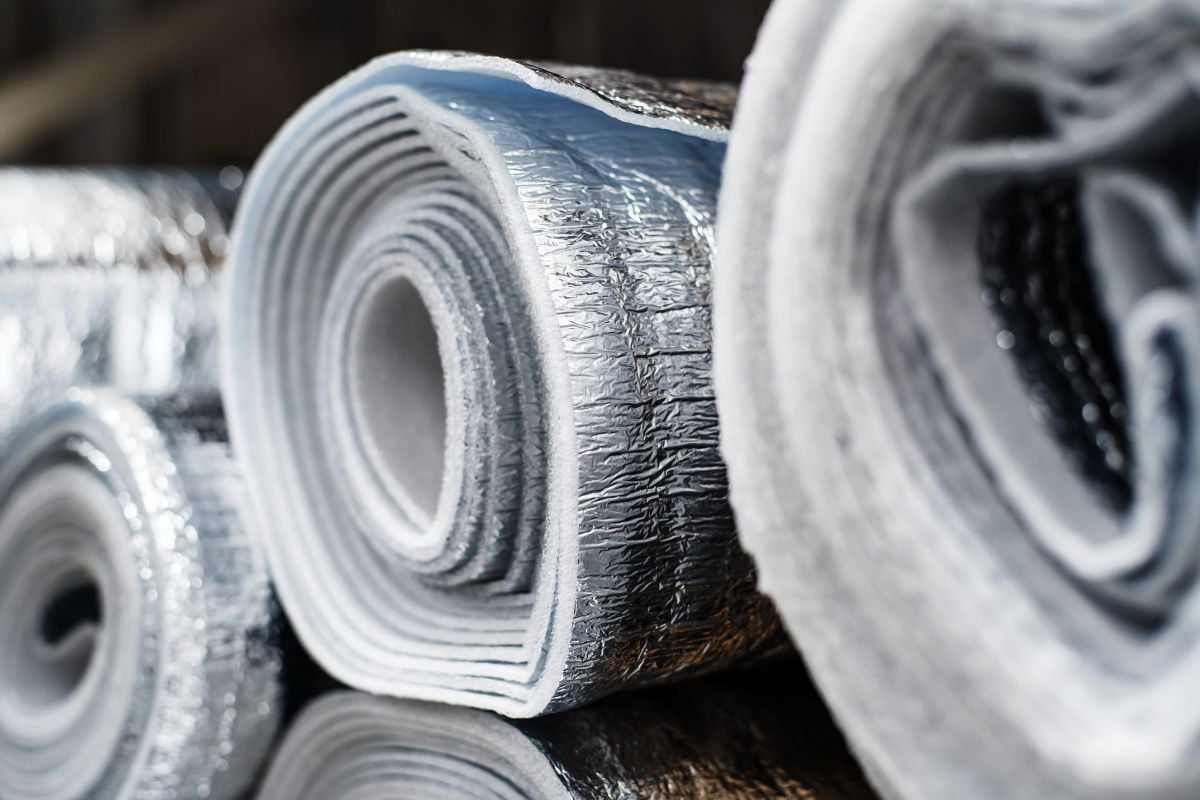 Selecting the right insulation is not just about picking a material. It involves evaluating your building, climate, and long term expectations.
For homeowners in Indianapolis and surrounding areas, seasonal changes make it especially important to choose a solution that performs well year round.
Climate and Weather Conditions
Your local climate plays a major role in insulation performance.
- Cold winters require strong thermal resistance
- Hot summers benefit from reflective properties
- Humid conditions demand moisture control
Balancing these factors ensures your insulation performs effectively in all seasons.
Roof Design and Structure
Different roof designs require different insulation approaches.
- Steep slope roofs may use batt insulation
- Flat or low slope roofs often use rigid boards
- Complex designs may benefit from spray foam
Matching the insulation to your roof structure improves performance and efficiency.
Budget and Long Term Value
While some insulation options have higher upfront costs, they may offer better long term savings.
Consider:
- Energy savings over time
- Maintenance requirements
- Expected lifespan of the material
Investing in quality insulation often pays off through reduced utility bills and fewer repairs.
Installation Requirements
Some insulation types are easier to install than others.
- DIY friendly options like fiberglass
- Professional installation for spray foam or SIPs
- Time and labor considerations
Proper installation is just as important as the material itself.
Common Mistakes to Avoid with Metal Roof Insulation
Even the best insulation will not perform well if it is installed incorrectly. Avoiding common mistakes can save you time, money, and frustration.
Poor Ventilation Planning
Insulation and ventilation must work together. Without proper airflow, moisture can become trapped, leading to mold and damage.
Gaps and Incomplete Coverage
Small gaps in insulation can significantly reduce effectiveness.
- Ensure full coverage across the entire roof
- Pay attention to edges and corners
- Avoid compressing materials
Ignoring Condensation Risks
Metal roofs are prone to condensation if not properly insulated.
Adding vapor barriers and moisture resistant materials helps prevent this issue.
Choosing the Wrong Material
Not all insulation types are suitable for every application.
Selecting the wrong option can lead to poor performance and higher costs over time.
Skipping Professional Guidance
While some projects can be DIY, others require professional expertise.
Working with experienced contractors ensures proper installation and long term success.
Comparing Metal Roof Insulation Options
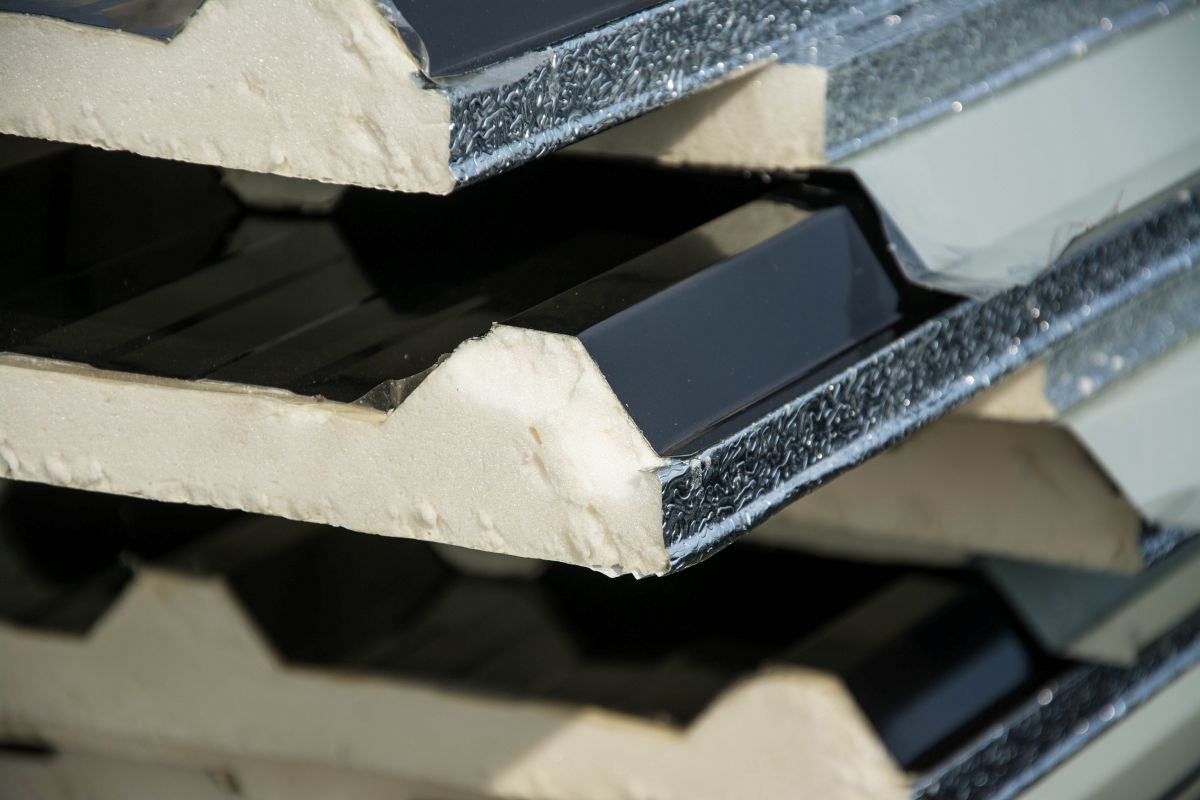 To make the decision process easier, here is a side by side comparison of common insulation types.
| Insulation Type | Cost | Energy Efficiency | Moisture Resistance | Best Use Case |
| Fiberglass Batts | Low | Moderate | Low | Residential roofs |
| Spray Foam | High | Very High | High | Sealing gaps and air leaks |
| Rigid Foam Boards | Medium | High | High | Flat and low slope roofs |
| Radiant Barrier | Low | Moderate | Moderate | Hot climates |
| Mineral Wool | Medium | High | High | Fire resistance and soundproofing |
| SIPs | High | Very High | High | New construction projects |
This comparison highlights how each option performs across key factors, helping you choose the best fit for your needs.
Improve Comfort and Efficiency with the Right Insulation
Metal roof insulation is one of the most important investments you can make in your property. It directly impacts energy efficiency, comfort, and long term durability. Choosing the right material and ensuring proper installation can make a significant difference in how your roof performs over time.
For property owners in Indianapolis and surrounding areas, working with experienced professionals ensures you get the most value from your roofing system. Maumee River Roofing understands how to match insulation solutions to your specific needs and climate conditions.
If you are ready to upgrade your roof or improve its performance, contact us today to speak with the team at Maumee River Roofing and get started on a solution built to last.