

If you’ve noticed dark streaks or black patches spreading across your roof, you’re not alone. Many homeowners wonder why are my roof shingles turning black, especially when the rest of the roof seems to be in good condition. While it might look like dirt or age, the discoloration is often caused by specific issues such as algae, mold, or moisture buildup. Left untreated, these problems can shorten your roof’s lifespan, cause leaks, and reduce your home’s curb appeal. If you’re unsure whether it’s just staining or something more serious, scheduling a professional roof inspection can help identify the cause before it becomes costly to fix.
Here’s what you’ll learn in this homeowner’s guide:
- The main causes behind black streaks or stains on your roof
- How to tell if discoloration is surface-level or structural
- Safe cleaning and prevention methods used by professionals
- When to seek expert help to restore your roof’s condition
Why Roof Discoloration Shouldn’t Be Ignored
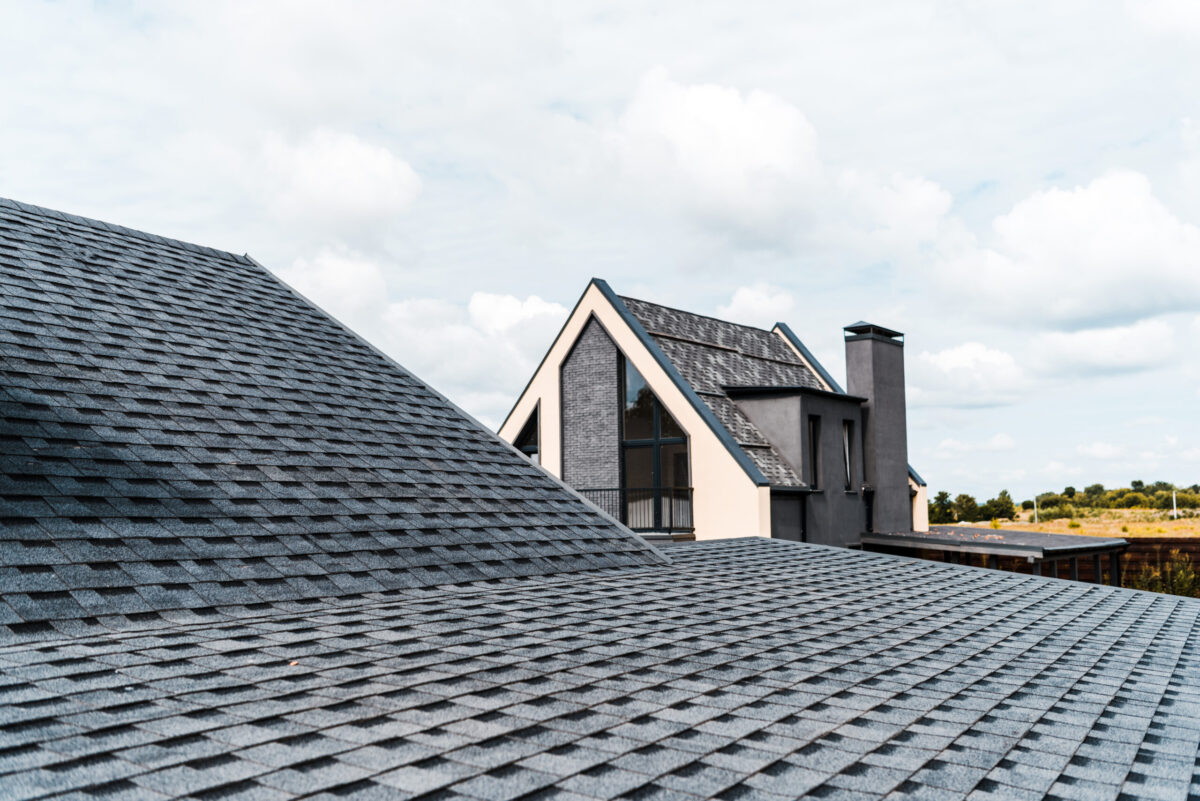
Those black streaks might seem like a minor aesthetic problem, but they can point to larger issues that affect your roof’s health and energy performance. Roofs in Fishers and surrounding areas are especially susceptible due to humidity, shade, and seasonal weather changes.
- Protect Your Investment: Ignoring dark stains can lead to premature roof aging.
- Prevent Structural Damage: Algae and trapped moisture can weaken shingles and decking.
- Enhance Curb Appeal: A clean, even roof color boosts home value and appearance.
- Improve Energy Efficiency: Lighter, stain-free roofs reflect more sunlight and lower energy bills.
- Peace of Mind: Knowing the source of discoloration helps prevent recurring problems.
8 Common Reasons Roof Shingles Turn Black
While some causes are harmless, others require prompt attention. Understanding these eight common issues will help you determine whether your roof needs a cleaning or professional repair.
1. Algae Growth (The Most Common Culprit)
The number one reason shingles turn black is algae—most commonly Gloeocapsa magma. This airborne algae thrives in humid conditions and feeds on the limestone filler found in many asphalt shingles.
How It Forms:
- Airborne spores land on shaded or damp parts of the roof.
- The algae feed on shingle materials, spreading in streaks as rain carries them downward.
Signs:
- Smooth, dark streaks or stains that appear on north-facing slopes.
- No raised texture—unlike moss or lichen.
Solution:
- Professional soft-wash cleaning using an algaecide solution.
- Installing zinc or copper strips near the ridge to prevent regrowth.
2. Mold or Mildew Buildup
Moisture trapped beneath shingles or in attic spaces can foster mold or mildew growth. Mold tends to look patchier and darker than algae and can cause a musty smell indoors if left unchecked.
Causes:
- Poor attic ventilation trapping warm, humid air.
- Leaks or condensation along roof decking.
Fix:
- Address ventilation issues and leaks immediately.
- Clean mold safely using professional-grade cleaners, as household bleach may damage shingles.
3. Moss and Lichen Growth
Moss and lichen often appear alongside algae in damp, shaded areas. Unlike algae, moss has a raised, fuzzy texture that traps moisture, leading to faster roof deterioration.
Warning Signs:
- Green or dark clumps along the lower edges or between shingles.
- Curling shingles due to moisture retention beneath moss.
Prevention Tips:
- Trim nearby trees to improve sunlight exposure.
- Remove debris from the roof regularly.
- Apply anti-moss treatments every few years.
4. Asphalt Bleeding and Shingle Aging
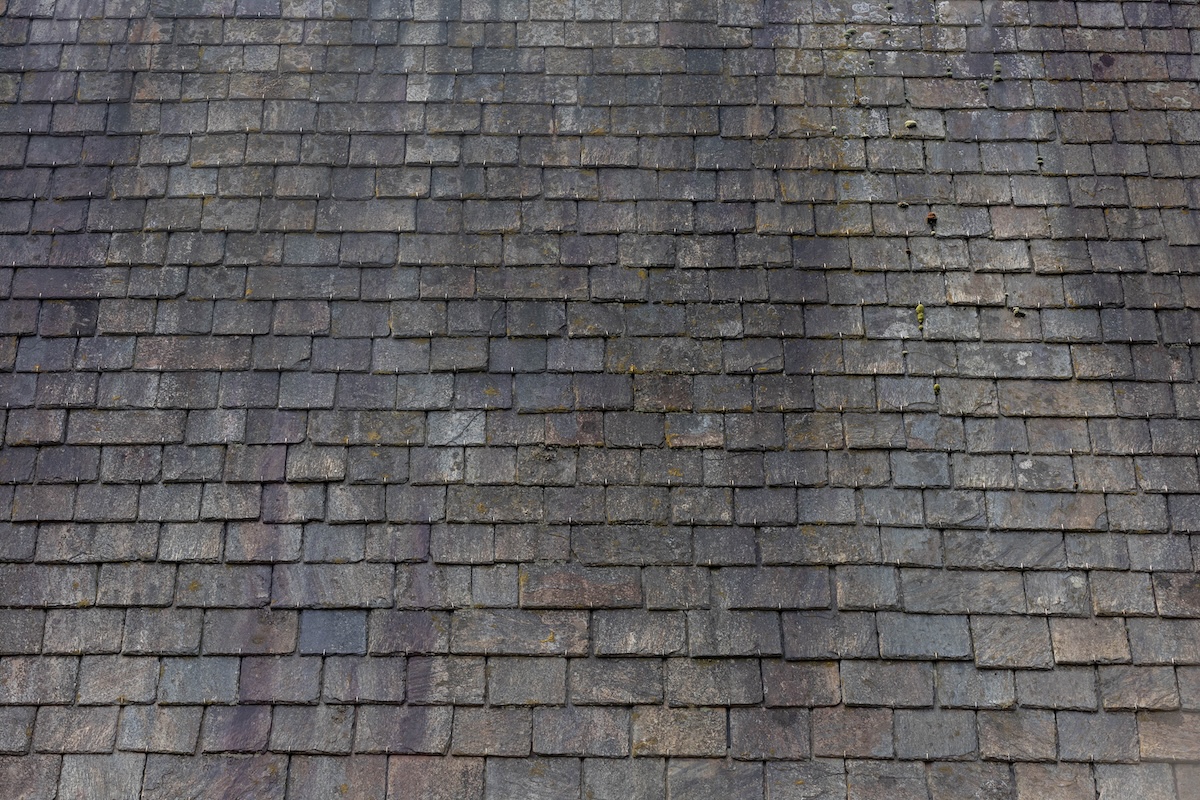
Over time, the asphalt components in shingles can leach to the surface due to extreme heat or poor manufacturing. This creates dark, shiny streaks that resemble algae but are actually the result of shingle breakdown.
Indicators:
- Streaks are sticky to the touch or glossy in appearance.
- Aged or brittle shingles nearby.
Solutions:
- Replace aging shingles showing widespread bleeding.
- Improve attic ventilation to minimize excessive heat.
5. Poor Attic Ventilation
Improper ventilation causes heat and moisture to build up under the roof deck, leading to black streaks and premature aging. It also encourages mold growth on the underside of shingles.
Signs of Ventilation Problems:
- Dark stains concentrated near roof peaks or vents.
- High attic humidity or condensation on rafters.
- Increased energy costs due to trapped heat.
Fix:
- Add or unblock soffit and ridge vents.
- Check insulation to ensure it isn’t covering ventilation openings.
6. Tree Debris and Organic Staining
Roofs shaded by overhanging trees are more prone to discoloration due to falling leaves, pollen, and sap. When this debris breaks down, it leaves organic stains and encourages algae or mold.
Effects:
- Increases roof moisture and debris buildup.
- Promotes moss and algae growth in shaded zones.
Prevention Tips:
- Trim tree branches to increase airflow and sunlight.
- Clean your roof and gutters regularly to prevent accumulation.
7. Water Damage and Leaks
Localized black stains could be a warning sign of hidden leaks or trapped moisture under the shingles. When water infiltrates, it carries dirt, debris, and mold spores that leave stains behind.
How to Spot It:
- Dark spots that don’t follow the typical downward streaking pattern.
- Indoor ceiling stains or musty attic smells near the affected area.
What to Do:
- Have a roofing professional inspect the area for leaks or soft decking.
- Repair or replace damaged shingles promptly to prevent spreading.
8. Pollution and Airborne Contaminants
Sometimes black streaks are caused by soot, dust, or pollution rather than biological growth. This is common in areas with heavy traffic or industrial activity.
How It Happens:
- Airborne particles settle on rough shingle surfaces.
- Rainwater redistributes the residue into visible streaks.
Solution:
- Gentle professional roof cleaning to remove buildup.
- Installing gutter guards to reduce splashing from contaminated rainwater.
Even though pollution stains are mostly cosmetic, cleaning helps maintain your roof’s appearance and reflectivity.
How to Safely Clean Black Roof Stains
It can be tempting to use a pressure washer, but high pressure can strip granules from shingles and void your warranty. Professional soft-washing is the safest and most effective solution.
Soft-Wash Cleaning Steps:
- Apply a low-pressure biodegradable cleaning solution.
- Allow it to sit for 15–20 minutes to break down stains.
- Rinse gently with controlled water pressure.
Additional Tips:
- Avoid bleach-heavy cleaners that harm landscaping.
- Schedule cleanings every 2–3 years in humid areas like Fishers and surrounding regions.
- Combine cleaning with routine inspections for long-term maintenance.
Preventing Black Stains on Your Roof
Once cleaned, preventive care helps ensure stains don’t return quickly.
Long-Term Prevention Strategies:
- Install Algae-Resistant Shingles: Modern shingles contain copper or zinc granules that deter growth.
- Maintain Ventilation: Balanced attic airflow prevents heat and humidity buildup.
- Trim Back Trees: Increased sunlight keeps the roof dry and clean.
- Keep Gutters Clear: Clogged gutters trap moisture along roof edges.
- Schedule Inspections: Routine professional checks catch minor issues early.
These preventive measures protect not just the look of your roof but also its lifespan and efficiency.
Comparing Cosmetic vs. Structural Staining
Some black streaks are harmless, while others point to deeper issues. Here’s how to tell the difference.
| Type of Stain | Appearance | Cause | Risk Level | Recommended Action |
| Algae | Smooth, dark streaks | Moisture and spores | Low | Soft-wash cleaning |
| Mold | Patchy black spots | Moisture and leaks | Medium | Cleaning + attic inspection |
| Moss | Raised, green-black growth | Shaded damp areas | High | Removal + prevention |
| Asphalt Bleeding | Shiny streaks | Aging shingles | High | Roof replacement |
| Water Damage | Localized dark patches | Leaks or condensation | High | Professional repair |
| Pollution | Even, dusty discoloration | Soot or debris | Low | Gentle cleaning |
Identifying the right cause ensures you invest in the correct fix instead of masking a deeper problem.
When to Call a Roofing Professional
If you’ve cleaned your roof before and the stains keep returning, or if you notice moisture in your attic, it’s time to call an expert. A professional inspection will determine if your roof needs simple cleaning or deeper repairs.
In Fishers and surrounding areas, where weather conditions shift rapidly between hot summers and damp winters, roofs often experience multiple contributing factors. A trusted roofer can clean, treat, and restore your roof safely without damaging the materials.

Protect Your Roof’s Lifespan and Curb Appeal
Black streaks on shingles may start as a visual nuisance, but they often signal early stages of algae, moisture, or ventilation problems. The good news is that with proper cleaning and maintenance, you can restore your roof’s appearance and performance.
Whether your roof needs a professional wash or a full inspection for leaks and damage, the right care will protect your home’s beauty and efficiency. If you’ve noticed dark stains or uneven discoloration spreading across your shingles, contact us today for a professional evaluation and cleaning solution tailored to your home.