

Your siding does more than give your home curb appeal. It acts as the first line of defense against moisture, wind, pests, and temperature swings. Knowing when to replace siding before problems escalate can save you thousands in repair costs and protect the structural integrity of your home. If you’re unsure whether your siding is still doing its job, getting a professional assessment for new siding options that fit your home and budget is a smart first step.
What you’ll learn:
- The most common warning signs that your siding needs to be replaced
- How to tell the difference between a repair and a full replacement
- Which siding problems can lead to serious structural damage if ignored
- What material and maintenance factors affect siding lifespan
- How weather and climate impact siding wear in Indiana communities
Why the Timing of Siding Replacement Matters
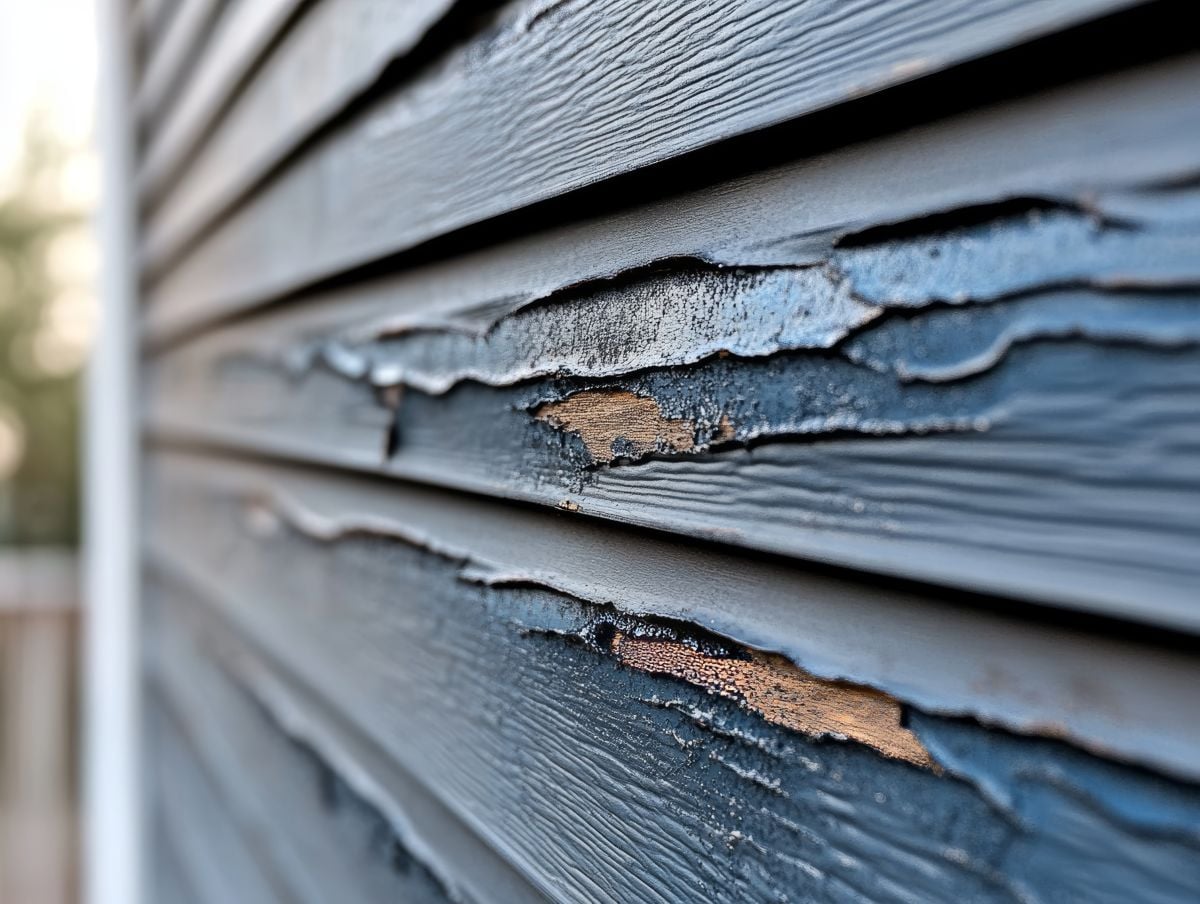
Many homeowners wait until they see obvious damage before thinking about their siding, but the warning signs are often subtle and easy to overlook. Catching problems early is the difference between a straightforward replacement and a much more expensive repair that involves rotted sheathing, mold remediation, or damaged insulation.
Siding that is failing but still “holding together” on the surface can allow moisture to infiltrate behind the panels and into the wall cavity. Once that happens, you may be dealing with structural rot, mold growth, and compromised insulation all at once. Homeowners in Huntertown, IN and surrounding areas deal with seasonal freeze-thaw cycles and humid summers that accelerate siding wear faster than many people realize. Staying ahead of the damage means understanding what to look for before it becomes urgent.
- Home value: Worn or failing siding significantly reduces curb appeal and resale value, often deterring buyers before they even step inside.
- Energy efficiency: Damaged siding allows air infiltration, making your heating and cooling systems work harder and raising your monthly utility bills.
- Moisture protection: Siding is your wall system’s primary barrier against rain and humidity, and failures lead directly to costly water damage inside your home.
- Pest resistance: Cracks, gaps, and rotted areas give insects and rodents an entry point into your walls, creating problems that extend well beyond the siding itself.
Understanding these stakes makes it much easier to take warning signs seriously rather than putting off a replacement that your home genuinely needs.
7 Warning Signs It’s Time to Replace Your Siding
There is no single moment when siding suddenly fails. Instead, it deteriorates gradually, showing a series of warning signs that build on each other over time. Here are the most important ones to watch for.
1. Warping, Buckling, or Bulging Panels
Siding panels that are no longer lying flat against your home are telling you something is wrong beneath the surface. Warping often indicates that moisture has gotten behind the panels, causing the substrate or the siding material itself to expand and distort. While a single warped panel might be repairable, widespread buckling almost always points to a systemic problem that requires full replacement.
- Look for panels that bow outward or ripple along their length
- Check around windows, doors, and corners where moisture tends to collect first
2. Cracking, Chipping, or Splitting
Surface cracks can seem minor, but they create direct pathways for water to enter your wall system. Vinyl siding that is cracking or chipping has likely become brittle due to age or repeated temperature cycling. Wood siding that is splitting indicates the protective finish has broken down and the material itself is deteriorating.
- Tap on cracked areas to check for hollow sounds, which indicate rot beneath the surface
- Look for discoloration or staining around cracks, a sign that water is already getting in
3. Fading and Severe Discoloration
All siding fades over time, but severe or uneven fading can signal that the material’s UV protection has broken down completely. When the color fades to the point that painting no longer restores it, or when you notice patchy discoloration that doesn’t correspond to sun exposure patterns, the siding material may be reaching the end of its functional life. Huntertown, IN and surrounding areas experience intense summer sun that accelerates UV degradation on older siding products.
4. Peeling Paint or Wallpaper Inside Your Home
This one surprises a lot of homeowners. Interior paint that is peeling, bubbling, or showing moisture stains near exterior walls is often caused by failing siding, not interior humidity. When siding allows water to infiltrate, that moisture travels through the wall assembly and eventually shows up on your interior surfaces. If you see this pattern, it is worth having the exterior siding inspected before assuming the issue is isolated to the inside.
5. Higher Energy Bills Without Explanation
A sudden or gradual increase in your heating and cooling costs can sometimes be traced back to siding that has cracked, pulled away from its fasteners, or lost its insulating backing. Air leaks through compromised siding can be significant, especially on older homes where the insulation behind the siding was already minimal. If your utility bills are creeping up and you cannot identify a clear cause, your building envelope deserves a closer look.
6. Mold, Mildew, or Fungal Growth
Surface mold that can be cleaned off is one thing, but mold growing along seams, joints, or in large patches that return after cleaning is a red flag. It indicates that moisture is consistently present behind or within the siding material. Left unaddressed, this type of moisture intrusion leads to rot in your wall framing and potential health concerns from interior mold spread. In humid Indiana summers, homes across Huntertown and surrounding areas are particularly vulnerable to this pattern if siding seals have broken down.
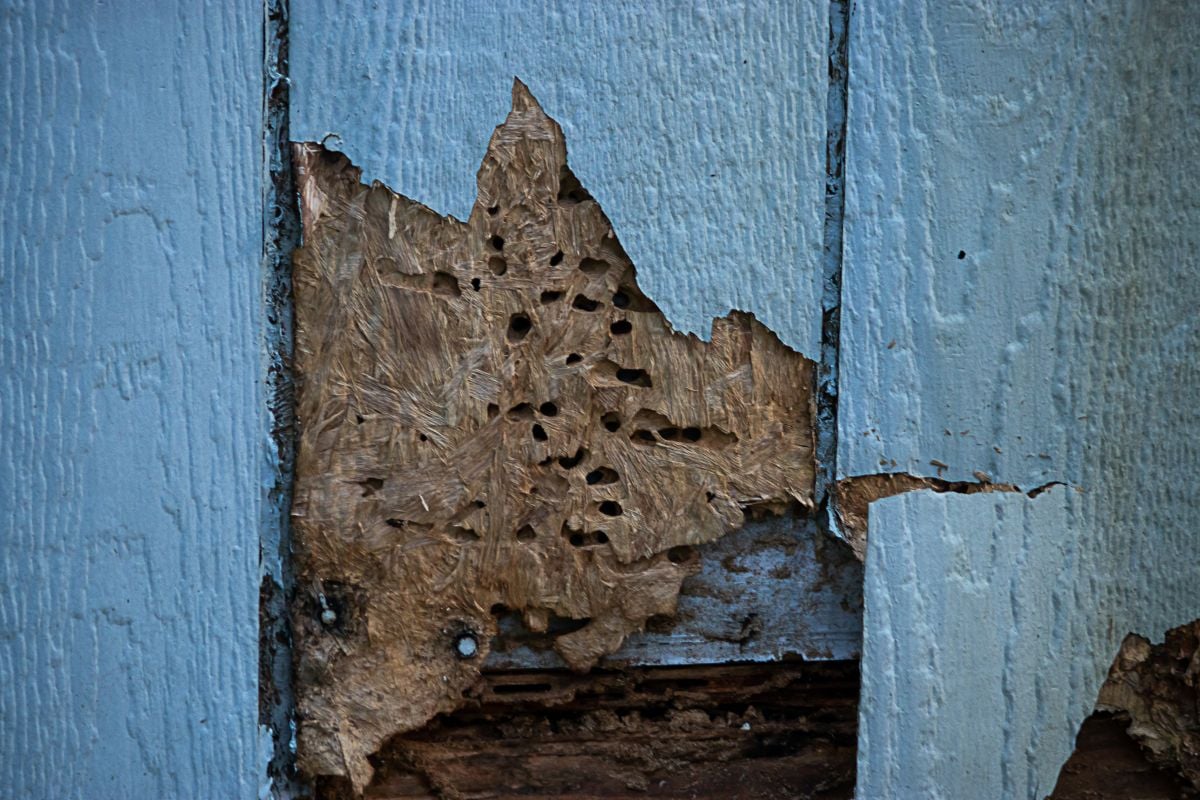
7. Dry Rot or Soft Spots
Dry rot is one of the most deceptive problems in siding because the surface can look intact while the underlying material has completely lost its structural integrity. Probe suspicious areas with a screwdriver or similar tool. If the material gives way or feels spongy, rot has set in and replacement is necessary. Soft spots near the foundation, around windows, and along rooflines are the most common locations to check.
Individually, any one of these warning signs may seem manageable. But when multiple signs appear together, they confirm that your siding has moved past the repair stage and into replacement territory.
Understanding Siding Lifespan by Material
Not all siding is created equal, and knowing the expected lifespan of your material helps you set realistic replacement timelines. Proactive replacement near the end of a material’s life is almost always less expensive than waiting for failure.
Vinyl Siding
Vinyl is one of the most common siding materials in the Midwest and typically lasts between 20 and 40 years, depending on installation quality and climate exposure. It is low maintenance but becomes brittle with age, making it more susceptible to cracking in cold weather. If your vinyl siding is over 25 years old and showing multiple warning signs, replacement is the practical choice.
Wood and Engineered Wood Siding
Natural wood siding can last 20 to 40 years with proper maintenance, but it requires consistent painting or staining to stay protective. Engineered wood products like LP SmartSide often carry 25 to 50-year warranties and offer better moisture resistance than natural wood. Watch closely for paint failure, splitting, and soft spots on any wood-based product.
Fiber Cement Siding
Fiber cement is one of the most durable options available, with a lifespan of 25 to 50 years under normal conditions. It resists rot, insects, and fire, making it a popular upgrade for homeowners replacing aging vinyl or wood siding.
| Siding Material | Average Lifespan | Key Weakness |
| Vinyl | 20 to 40 years | Brittleness, cracking in cold |
| Wood | 20 to 40 years | Rot, paint maintenance required |
| Engineered Wood | 25 to 50 years | Moisture if improperly installed |
| Fiber Cement | 25 to 50 years | Painting required every 10 to 15 years |
Knowing where your siding falls on this timeline is one of the most straightforward ways to gauge whether replacement should be on your radar.
Repair vs. Replacement: How to Know Which One You Need
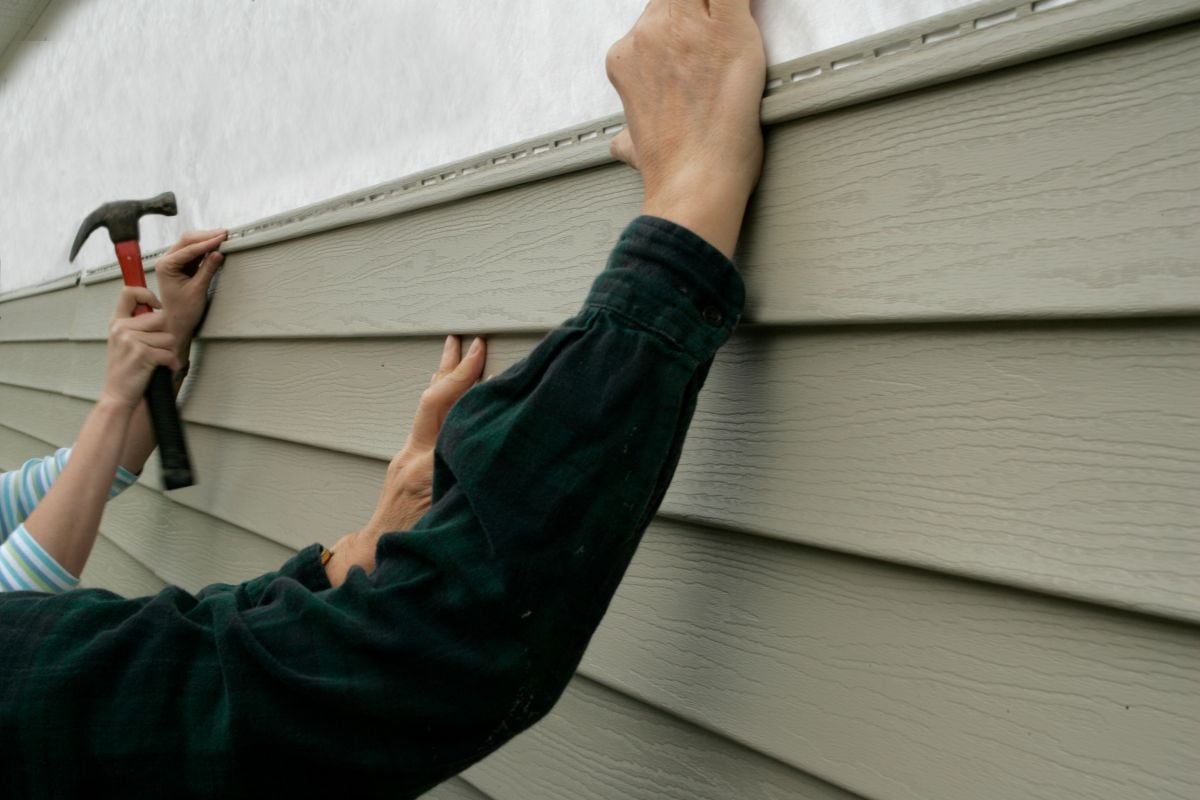
One of the most common questions homeowners ask is whether they need a full replacement or if repairs will be enough to extend the siding’s life. The answer depends on the scope and pattern of the damage.
When Repairs Make Sense
Localized damage from a single storm event, a fallen branch, or impact from lawn equipment may be a reasonable candidate for repair. If the rest of the siding is in sound condition and the damage is contained to a small section, replacing only the affected panels can restore the barrier without requiring a full installation.
When Replacement Is the Right Call
If damage appears in multiple locations, if the siding is approaching or past its expected lifespan, or if moisture has compromised the wall system behind the siding, replacement is the more economical long-term decision. Patching over systemic issues only delays the inevitable while allowing hidden damage to continue spreading. Homeowners throughout Huntertown, IN and surrounding areas often find that a full replacement paired with updated insulation and moisture barriers delivers better long-term performance than repeated patch repairs on aging material.
The conversation with a qualified siding contractor will typically include an assessment of what is happening behind the siding, not just on the surface. That context is what determines whether a repair is a genuine solution or just a temporary fix.
Get Expert Siding Help From Maumee River Roofing
Your siding protects everything inside your home, from the structure to the insulation to your family’s comfort. When warning signs start to appear, acting sooner rather than later almost always results in lower costs and less disruption. Maumee River Roofing has helped homeowners across Indiana identify failing siding early and make confident decisions about repair versus replacement. If you are seeing any of the warning signs covered in this guide, do not wait for the problem to grow. Reach out to our team and contact us today to schedule an inspection and get honest answers about the condition of your home’s siding.