

For business owners, your roof isn’t just a protective layer—it’s a critical asset that impacts energy costs, building integrity, and long-term maintenance budgets. Among the most popular solutions for commercial and industrial properties today is single ply roofing. This versatile option combines modern materials, durability, and energy efficiency into one cost-effective system, making it ideal for low-slope or flat roofs.
In Fort Wayne and surrounding areas, where temperature swings and seasonal storms can challenge roofing performance, single ply systems deliver a reliable way to keep buildings secure and energy-efficient year-round.
Here’s what you’ll learn in this guide:
- Why single ply roofing is a top choice for modern commercial buildings
- The most common single ply roofing types and what sets them apart
- Key advantages that make this material long-lasting and low-maintenance
- Factors to consider when selecting the best option for your property
Why Single Ply Roofing Is a Smart Choice
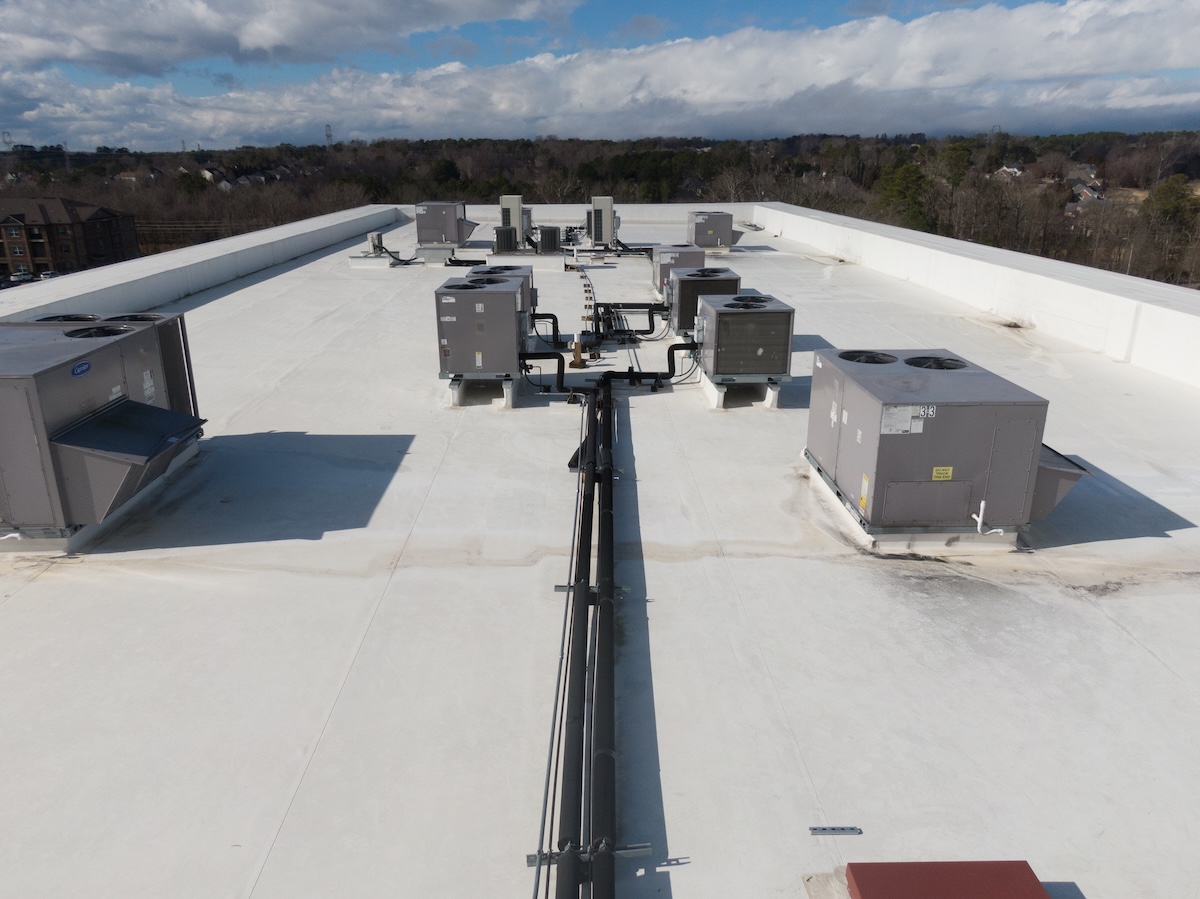
Single ply roofing has become the gold standard for commercial buildings because it offers a strong balance of cost, flexibility, and performance. Unlike older systems that rely on multiple layers of asphalt or tar, single ply membranes are lightweight, durable, and easy to install.
Here are some reasons it’s such a trusted option for business owners:
- Superior waterproofing: Single ply membranes form a continuous, watertight barrier that prevents leaks and water intrusion.
- Longevity: With proper installation and maintenance, many single ply roofs last 25–30 years or more.
- Energy efficiency: Many single ply materials have reflective surfaces that help reduce cooling costs by reflecting sunlight.
- Ease of installation: The sheets are manufactured off-site and rolled into place, minimizing disruption to daily operations.
- Low maintenance: These roofs resist mold, UV damage, and punctures, reducing repair frequency compared to traditional materials.
In commercial settings, performance and value go hand in hand. Single ply systems deliver both while giving property owners flexibility in material choice and installation method.
3 Primary Types of Single Ply Roofing Systems
While single ply roofing systems share similar installation methods and structural benefits, they come in several material types that differ in composition, cost, and performance. Below are the three most widely used systems for commercial and industrial buildings.
1. TPO (Thermoplastic Polyolefin) Roofing
TPO roofing is one of the most popular commercial roofing materials in use today, offering excellent energy efficiency and weather resistance. Made from a blend of polypropylene and ethylene-propylene rubber, TPO membranes are durable, flexible, and naturally reflective.
Key Benefits:
- Highly reflective white surface that reduces heat absorption
- Resistant to punctures, chemicals, and UV radiation
- Welded seams create a watertight, durable bond
- Available in different thicknesses for customized protection
Ideal For: Businesses looking to improve energy performance and reduce operational costs.
Lifespan: 20–30 years with regular maintenance.
TPO roofs perform especially well in areas like Fort Wayne and surrounding regions, where hot summers and cold winters can put roofing materials to the test.
2. EPDM (Ethylene Propylene Diene Monomer) Roofing
EPDM, often referred to as “rubber roofing,” is one of the oldest and most trusted single ply systems. Known for its flexibility and strength, EPDM handles temperature fluctuations exceptionally well, making it suitable for climates with both heat and freezing conditions.
Key Benefits:
- Exceptional resistance to ozone, UV rays, and weathering
- Flexible material ideal for roofs with movement or expansion
- Cost-effective and easy to repair if punctured
- Available in both black (heat-absorbing) and white (reflective) finishes
Ideal For: Large commercial roofs that need long-lasting durability and low maintenance.
Lifespan: 25–40 years depending on installation and environmental conditions.
EPDM’s resilience makes it one of the most economical long-term roofing investments available for businesses.
3. PVC (Polyvinyl Chloride) Roofing
PVC is a premium single ply membrane known for its strength, chemical resistance, and long service life. It’s often chosen for commercial facilities that experience oil, grease, or chemical exposure—such as restaurants or factories.
Key Benefits:
- Superior resistance to fire, chemicals, and high heat
- Hot-air welded seams create permanent waterproof bonds
- Reinforced layers add durability against punctures and tears
- Excellent reflective properties for reducing energy consumption
Ideal For: Restaurants, warehouses, and industrial buildings with chemical exposure or high rooftop activity.
Lifespan: 25–35 years with proper maintenance.
PVC’s combination of strength and weather resistance makes it a great investment for properties that demand premium performance.
Factors to Consider When Choosing a Single Ply System
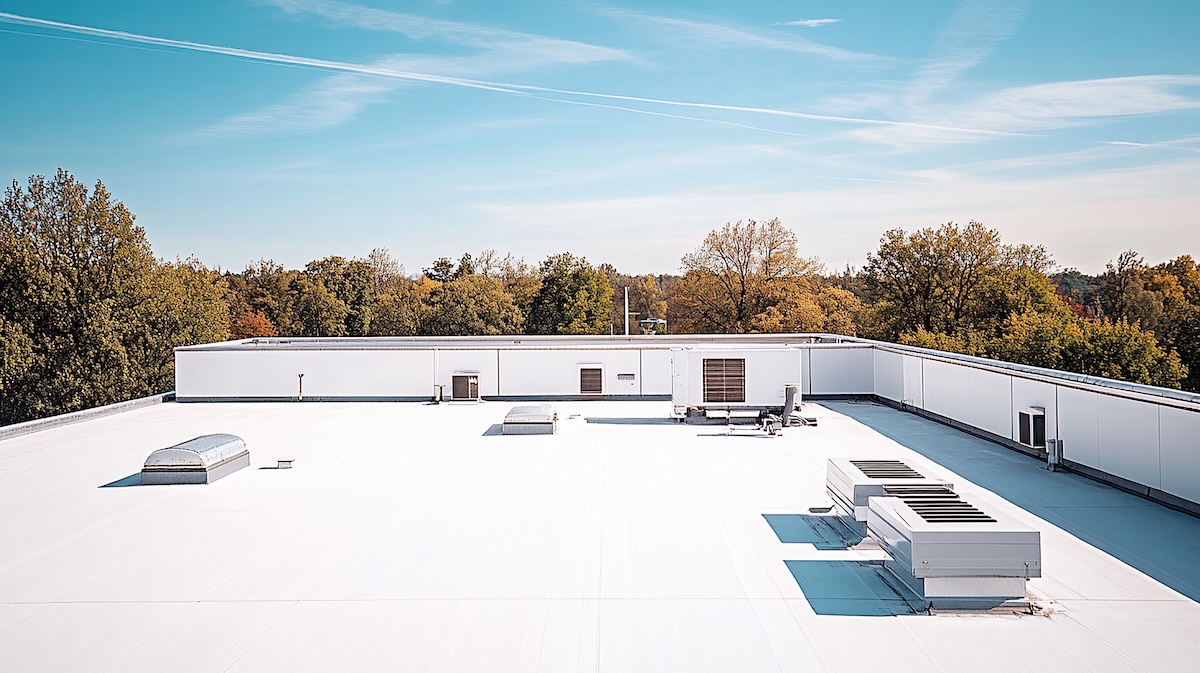
While all single ply membranes provide durability and cost efficiency, selecting the right type for your building depends on a few key factors.
- Climate: In cooler regions, black EPDM can help absorb heat, while reflective TPO and PVC are ideal for warm climates to lower energy costs.
- Roof Traffic: Buildings with frequent rooftop access (like maintenance or HVAC servicing) benefit from reinforced materials like PVC.
- Budget: EPDM tends to be the most affordable upfront, while PVC offers longer-term value for specialized environments.
- Installation Method: Some systems are mechanically fastened, while others are fully adhered or ballasted. Your contractor can recommend the best method for your structure.
- Chemical Exposure: For roofs exposed to grease, oil, or other chemicals, PVC’s resistance makes it a clear winner.
Working with a certified contractor ensures your roof’s material and installation method align perfectly with your property’s use and local conditions.
Installation Methods for Single Ply Roofing
Single ply membranes can be installed using a few different techniques, depending on building design, slope, and environmental needs. Each method has its advantages for performance and cost efficiency.
Fully Adhered Systems
In this method, the membrane is glued directly to the insulation board or roof deck with adhesive.
Benefits:
- Smooth, clean appearance
- Enhanced wind uplift resistance
- Reduces movement and vibration noise
Considerations:
- Requires a clean, dry surface for bonding
- May take slightly longer to install compared to mechanical systems
Mechanically Fastened Systems
Fasteners are used to secure the membrane through the insulation layer into the roof deck. The seams are then heat-welded or taped for waterproofing.
Benefits:
- Faster installation
- Ideal for large commercial roofs
- Easy to inspect and maintain
Considerations:
- Slightly more vulnerable to high winds if not properly anchored
Ballasted Systems
This system involves laying the membrane loosely over the insulation and securing it with river rock or pavers.
Benefits:
- Simple and cost-effective installation
- Excellent protection against UV damage
- Reduces expansion and contraction stress
Considerations:
- Adds weight to the structure, so not suitable for every building
- Requires periodic inspection for displacement after storms
Each installation type offers unique benefits, and the right choice depends on your building’s design and operational requirements.
Maintenance Tips for Single Ply Roof Longevity
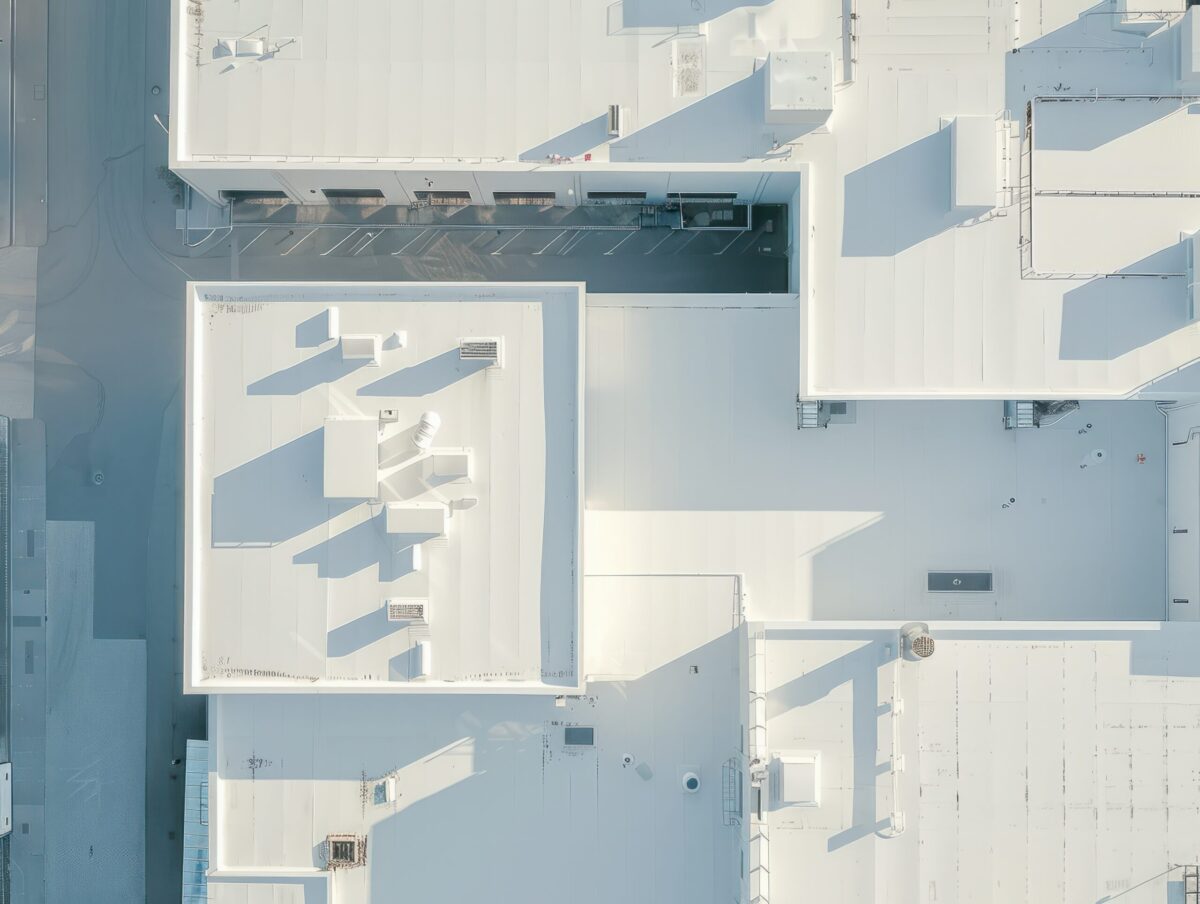
One of the biggest advantages of single ply roofing is that it’s relatively low-maintenance. However, routine care ensures it continues to perform as expected for decades.
- Schedule regular inspections: Have a professional inspect your roof at least twice a year—once in spring and once in fall—to identify any wear or potential damage.
- Keep the surface clean: Remove debris, branches, or dirt that may collect and block drains.
- Check seams and flashings: Ensure seams remain intact and properly sealed to prevent leaks.
- Protect against punctures: Limit foot traffic when possible, and use walk pads for frequently accessed areas.
- Address issues promptly: Small punctures or cracks are easy to repair when caught early but can lead to larger problems if ignored.
Preventive maintenance not only preserves warranty coverage but also extends the roof’s lifespan—often by several years.
Comparing Single Ply Roofing Types
The following table provides a quick comparison of the three most popular single ply systems:
| Roofing Type | Material | Lifespan | Energy Efficiency | Maintenance Level | Best For |
| TPO | Thermoplastic blend | 20–30 years | High | Low | Energy savings, warm climates |
| EPDM | Synthetic rubber | 25–40 years | Moderate | Low | Versatility, cold climates |
| PVC | Polyvinyl chloride | 25–35 years | High | Low | Chemical resistance, industrial sites |
Each option offers unique benefits, making it important to assess your property’s specific needs before installation.
Invest in Reliable Protection for Your Commercial Property
Your roof is one of your most important business assets—protecting equipment, employees, and operations from the elements. Single ply roofing systems offer a proven balance of strength, efficiency, and long-term value for commercial buildings of all sizes.
At Maumee River Roofing, we specialize in professional single ply installations for business owners throughout Fort Wayne and surrounding areas. Our team will help you select the right material and installation method to match your goals, climate, and budget—ensuring lasting performance you can depend on.
If you’re ready to upgrade your roofing system or explore durable single ply options, contact us today to schedule a consultation with Maumee River Roofing.