

When it comes to protecting one of your home’s biggest investments, few things are more important than understanding your roof warranty. A reliable roof does far more than keep out rain and snow—it safeguards your home’s structure, energy efficiency, and comfort for decades. That’s why knowing what your warranty includes, excludes, and requires is key to getting the most value from your roofing system.
Whether you’re building a new home or replacing an aging roof in Fort Wayne and surrounding areas, understanding how your warranty works helps you make informed, confident decisions. If you’re exploring roof replacements or materials, you can learn more about installation quality and product options by visiting our roofing services page.
Here’s what you’ll learn in this guide:
- Why roof warranties matter and how they protect you
- The four most common types of roof warranties
- What affects your coverage and how to maintain it
- Tips for choosing a reliable roofing partner and warranty plan
Why Roof Warranties Matter
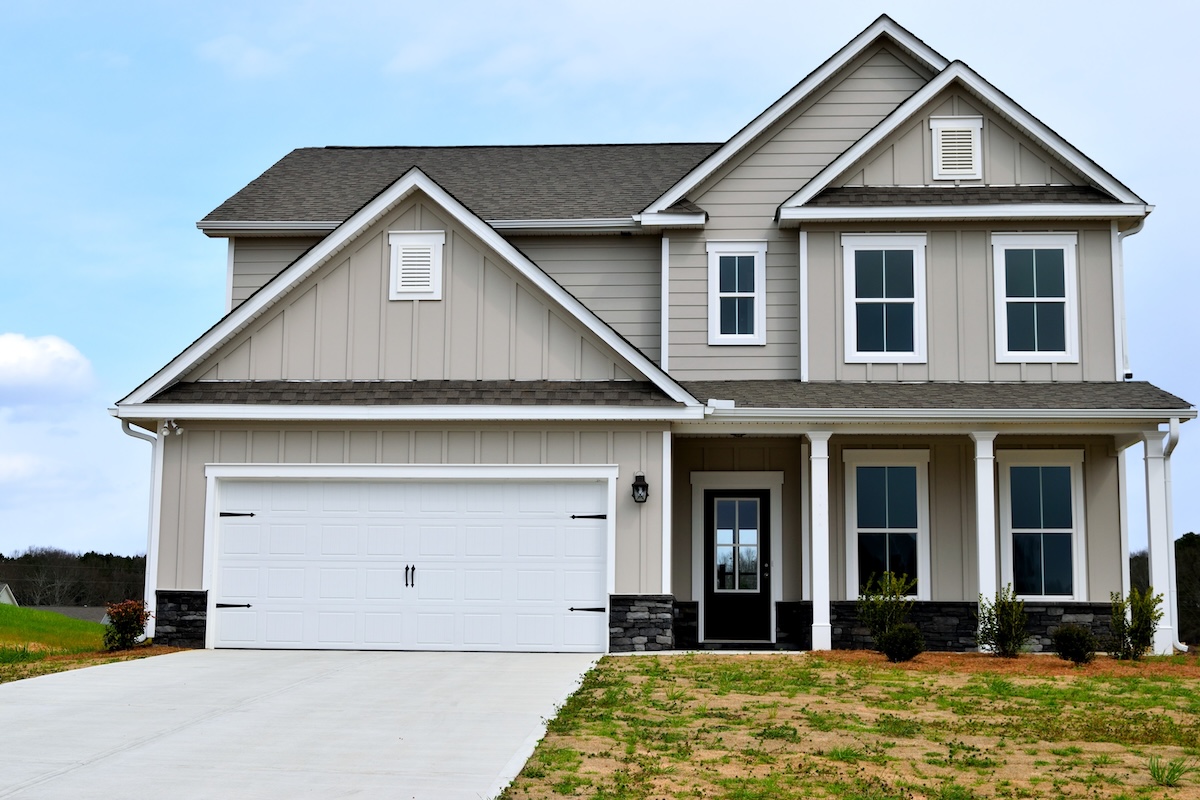
A new roof represents one of the largest investments most homeowners make—and it’s not something you want to replace sooner than necessary. That’s why a strong warranty should always be part of your roofing plan.
A roof warranty provides peace of mind that your materials and installation are protected against defects, early wear, or workmanship issues. Without one, even a small problem could become an expensive repair. Here’s why they’re so valuable:
- Protection from unexpected costs: If a leak or defect appears prematurely, warranty coverage can save you thousands in repair expenses.
- Extended roof life: Many warranties encourage (and sometimes require) regular inspections, helping your roof perform better for longer.
- Increased home value: A transferable warranty adds value to your property and gives potential buyers greater confidence.
- Quality assurance: Warranties often require certified installers, ensuring your roofing team meets professional standards.
- Peace of mind: Knowing your roof is backed by a trusted manufacturer or contractor helps you rest easier year after year.
Understanding your options can make a major difference in how much protection you truly receive. Let’s break down the four most common types of roof warranties and what each one means for your home.
4 Common Types of Roof Warranties
Each warranty type covers different aspects of your roofing system—from materials to workmanship. Knowing how they compare helps you choose the best level of coverage for your situation.
1. Manufacturer’s Material Warranty
This is the most common type of coverage and is typically included with the purchase of your roofing materials. It protects you against manufacturing defects, such as faulty shingles or premature deterioration due to product flaws.
Key features:
- Covers defective roofing materials (shingles, membranes, etc.)
- Usually lasts between 20 and 50 years, depending on the brand
- May include partial or prorated reimbursement for replacements
What to know:
While this warranty ensures product quality, it doesn’t cover labor or installation mistakes. If your roofer fails to install the shingles correctly, you’ll likely need another form of coverage to address the issue.
2. Workmanship Warranty
A workmanship warranty is offered by the roofing contractor and covers errors made during installation. Even the best materials can fail if not installed correctly, making this type of protection essential.
Why it matters:
- Covers leaks and damage caused by improper installation
- Duration varies by contractor (typically 5–25 years)
- Reflects your roofer’s confidence in their craftsmanship
Pro Tip: Choose a company that stands behind its work long-term. A solid workmanship warranty shows that your contractor values quality and accountability. Maumee River Roofing, for example, ensures every roof in Fort Wayne and surrounding areas meets or exceeds manufacturer standards.
3. System Warranty
A system warranty—sometimes called a “comprehensive” or “enhanced” warranty—offers broader protection by covering both materials and installation. To qualify, all major components of your roofing system (shingles, underlayment, flashing, vents, and accessories) must come from the same manufacturer and be installed by a certified contractor.
What it covers:
- Defects in any part of the system
- Workmanship errors related to approved components
- Labor costs for eligible repairs or replacements
Typical terms:
- 20–50 years, often non-prorated for the first decade
- Transferable to a new homeowner in many cases
Bottom line:
If you want maximum protection and fewer coverage gaps, this is one of the strongest warranty types available.
4. Extended Manufacturer Warranty
Some manufacturers offer upgraded warranty packages that go beyond standard material coverage. These often include extended protection against both product defects and installation issues when a certified installer completes the job.
Key details:
- Adds labor coverage to manufacturer warranty
- Requires specific installation methods and certified contractors
- May include lifetime coverage for high-end systems
Worth considering if:
- You plan to stay in your home long-term
- You’re investing in premium roofing materials
- You want a “no-nonsense” warranty with fewer exclusions
Extended warranties cost more upfront, but they deliver unmatched peace of mind—especially in regions like Fort Wayne and surrounding areas where weather can test even the best roofing systems.
What Can Void a Roof Warranty
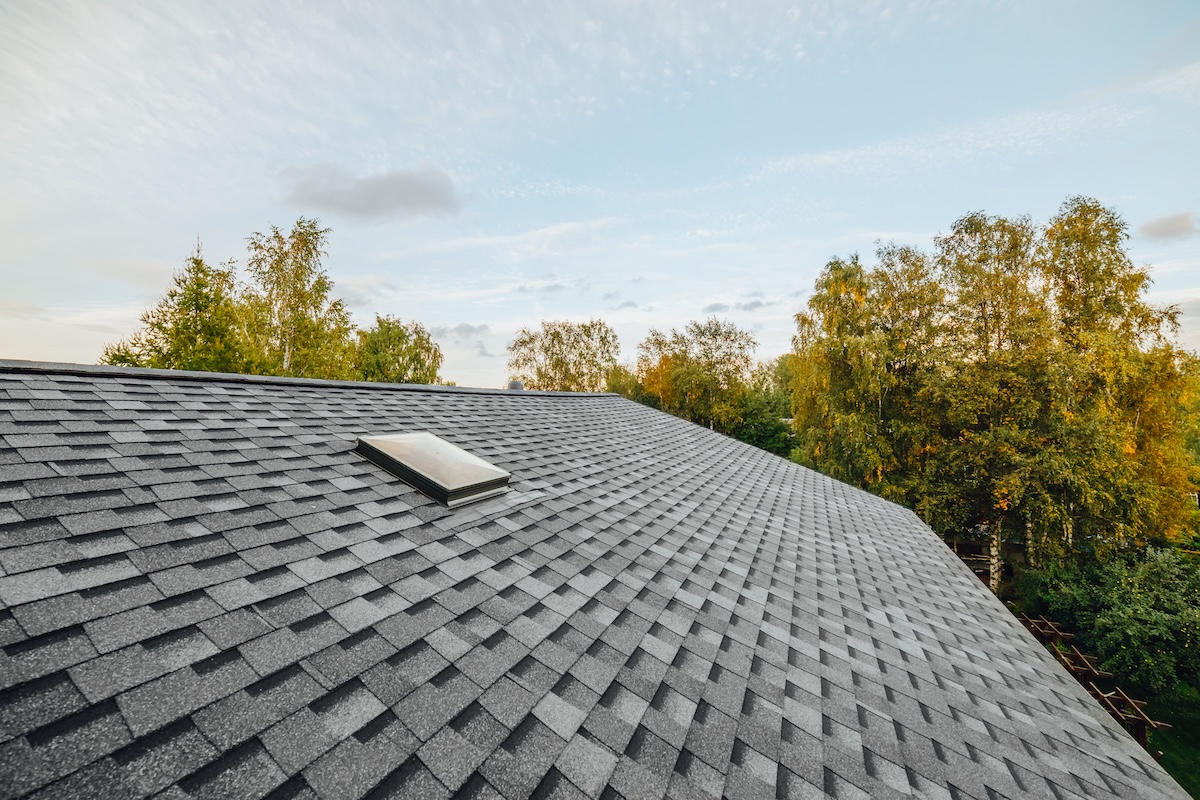
Even the best warranty can be voided if the terms aren’t followed. Many homeowners are surprised to learn that small oversights—like using unapproved materials or skipping maintenance—can cancel their coverage entirely.
Here are some of the most common reasons warranties are voided:
- Improper installation: Using unqualified installers or ignoring manufacturer guidelines can immediately cancel coverage.
- Lack of maintenance: Failing to schedule inspections, clear debris, or address small leaks promptly can lead to denial of claims.
- Unauthorized repairs: Using non-certified contractors or mixing materials from different manufacturers often voids protection.
- Poor ventilation: Inadequate attic airflow can cause shingle damage that manufacturers consider homeowner neglect.
- Roof alterations: Installing solar panels, satellite dishes, or skylights without approval can violate warranty conditions.
Tip: Keep all documentation, inspection reports, and receipts from repairs. If you ever need to file a claim, this paperwork will help prove you maintained your roof according to warranty requirements.
How to Make the Most of Your Warranty
Having a warranty is one thing—using it effectively is another. These practical steps ensure your coverage works for you when you need it most.
- Register Your Warranty:
Many manufacturers require registration within a certain time frame after installation. This process officially activates your coverage. - Schedule Regular Inspections:
Most warranties recommend or require professional inspections every few years. Routine maintenance can also reveal issues early before they worsen. - Follow Manufacturer Guidelines:
Use only approved materials and methods for any repairs or upgrades. Even one unapproved product can invalidate coverage. - Keep Detailed Records:
Store copies of your contract, warranty documents, invoices, and inspection reports in one place. - Hire Certified Roofers:
Certified contractors ensure your roof is installed to the manufacturer’s exact standards, which preserves your eligibility for extended coverage.
Comparing Warranty Coverage Options
The table below provides a simple side-by-side look at what each type of warranty generally covers.
| Warranty Type | Covers Materials | Covers Workmanship | Transferable | Typical Duration |
| Manufacturer’s Material | ✔️ | ❌ | Sometimes | 20–50 years |
| Workmanship | ❌ | ✔️ | Sometimes | 5–25 years |
| System | ✔️ | ✔️ | Often | 20–50 years |
| Extended Manufacturer | ✔️ | ✔️ | Usually | Lifetime or 50 years |
This comparison highlights why many homeowners choose a combination of coverage types. For example, pairing a contractor workmanship warranty with a system or extended manufacturer warranty provides balanced, long-term protection.
What to Ask Before You Sign
Not all warranties are created equal. Before signing off on your roofing project, take time to ask these key questions:
- How long does each type of warranty last, and what’s covered?
- Is the warranty transferable to future homeowners?
- Does it include labor costs for repairs or only materials?
- Are there any maintenance requirements to keep the warranty valid?
- What’s excluded or considered homeowner responsibility?
- Who do I contact if I need to file a claim?
The answers to these questions will help you avoid surprises later and ensure you’re fully protected from the start.
Ready to Protect Your Roof Investment?
A new roof is more than just shingles and nails—it’s your home’s first defense against weather, wear, and time. A dependable warranty ensures that protection lasts. When you choose Maumee River Roofing, you’re not only investing in high-quality materials and skilled workmanship—you’re also choosing peace of mind that your roof is covered for years to come.
If you’re ready to upgrade or replace your roof in Fort Wayne and surrounding areas, our team is here to help. Visit our contact page to reach out today and schedule your free roof assessment with Maumee River Roofing.