

Not all roofing problems are visible, and one of the most overlooked issues in homes today is poor attic ventilation. Knowing the different roof vent types available can make a huge difference in your home’s energy efficiency, moisture protection, and long-term roof health. Whether you’re dealing with a new build or replacing an older system, understanding your options is key. For homes in areas like Auburn and surrounding areas, proper ventilation helps your roofing system perform better for longer. When upgrading your roofing system, it’s important to work with experienced professionals who ensure quality from the attic to the outer layers of your roof—right down to proper vent installation that protects your entire investment.
Learn more about airflow and construction essentials by visiting our page on professional roofing solutions.
In this blog, you’ll learn:
- Why roof ventilation matters more than you think
- The most popular types of roof vents used in 2026
- Which vent types are passive vs powered
- How to choose the right vent for your home style and climate
- What to expect in terms of installation and performance
Why Roof Ventilation Matters More Than You Think
A roof isn’t just about shingles and flashing. Underneath, airflow plays a critical role in protecting your home from rot, heat damage, and high utility bills. Roof vents keep your attic from becoming a trap for heat and moisture, which can degrade the integrity of your home’s insulation and framing.
- Better Energy Efficiency: A well-vented roof helps regulate indoor temperatures naturally, reducing your reliance on heating and cooling systems.
- Moisture Prevention: Good ventilation prevents condensation buildup in the attic, which can lead to mold growth, wood rot, and insulation damage.
- Extended Roof Lifespan: Shingles and underlayment are more likely to deteriorate early if excessive heat is trapped under the roof. Vents help protect your roofing investment.
- Improved Indoor Air Quality: Stale, humid air in the attic can impact the quality of air inside your home. Proper ventilation improves airflow throughout the house.
- Compliance With Building Codes: Most building codes now require a balanced attic ventilation system. Using the correct roof vent types helps ensure your home stays compliant.
7 Roof Vent Types Every Homeowner Should Know
Understanding how each vent type works can help you make a smart decision for your home’s airflow system. Below are the most commonly used options in 2026.
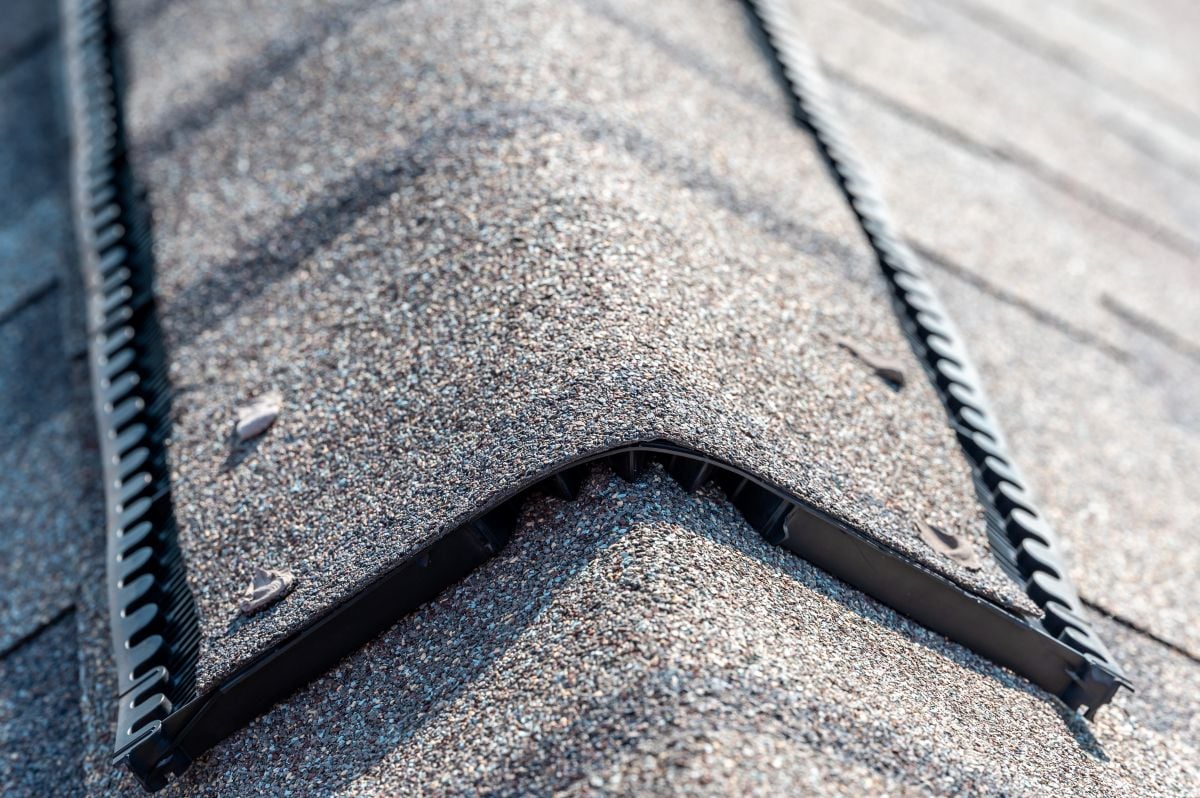
1. Ridge Vents
Ridge vents run along the peak of your roof and are typically covered by ridge cap shingles. They provide a continuous vent line that lets hot air escape evenly.
- Ideal for modern roofing systems
- Seamless, low-profile design
- Works best when paired with soffit vents
2. Soffit Vents
These vents are installed under the eaves of the roof and bring in cool, fresh air to push out the hot air escaping through upper vents.
- Key component of a balanced system
- Can be individual round vents or long perforated panels
- Prevents ice damming in cold climates
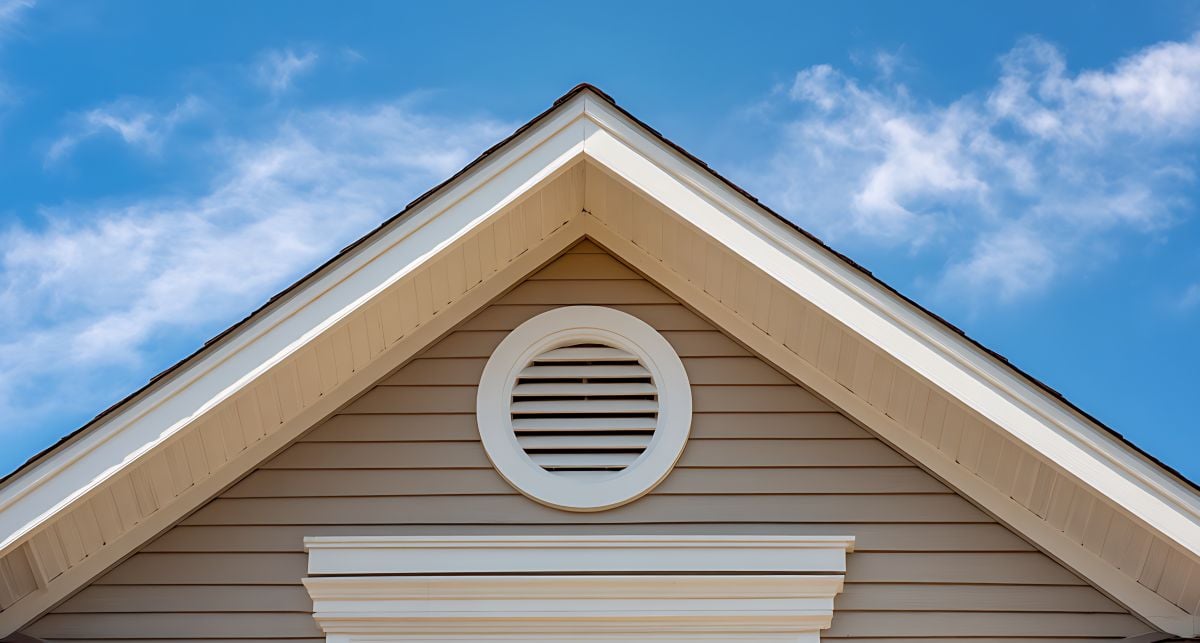
3. Gable Vents
Mounted on the exterior wall of your attic, gable vents are triangular or rectangular and serve as both intake and exhaust vents depending on airflow.
- Ideal for homes with gable-style roofs
- Decorative and functional
- Usually paired with other vent types
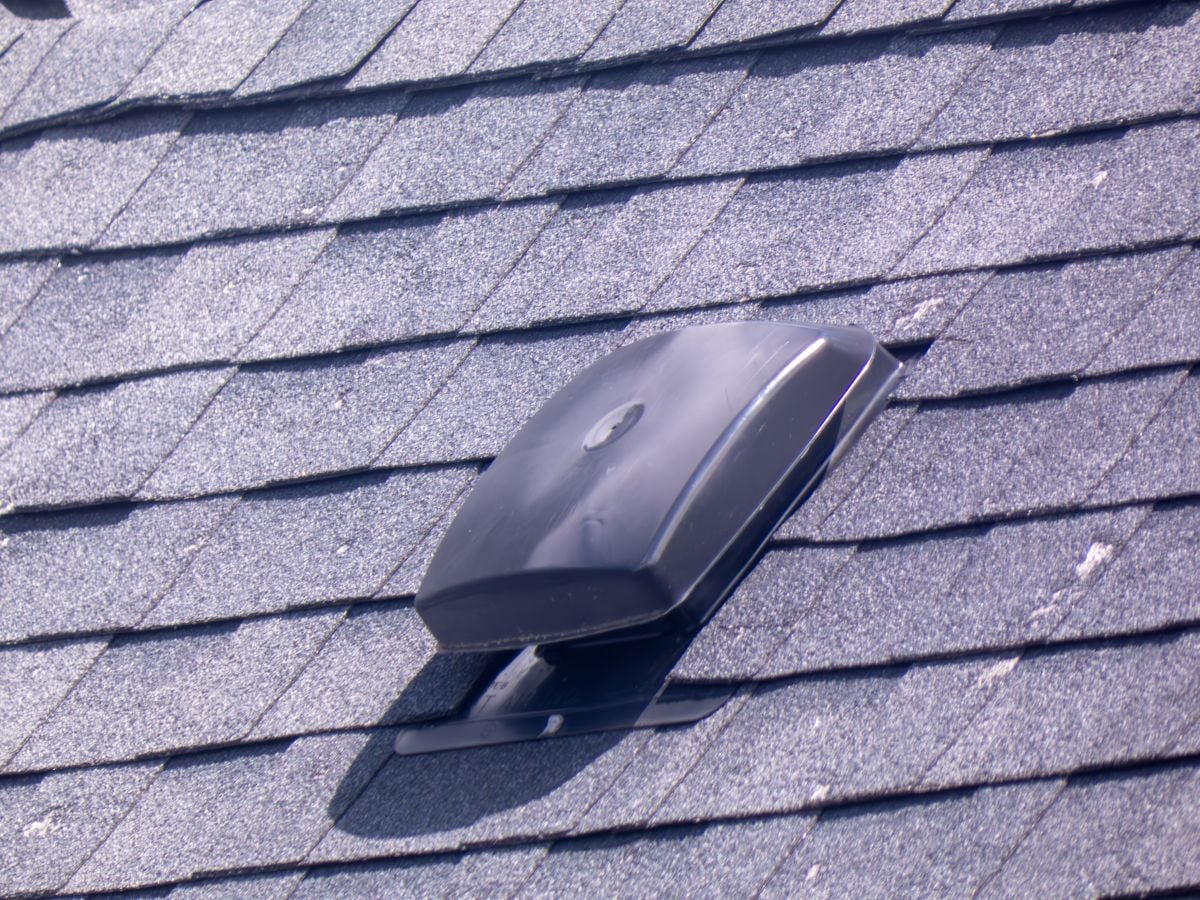
4. Static Vents (Box Vents)
These non-mechanical vents sit flat on the roof and use natural convection to let rising hot air escape.
- Affordable and easy to install
- Must be strategically placed to be effective
- Often used in multiples across larger roofs
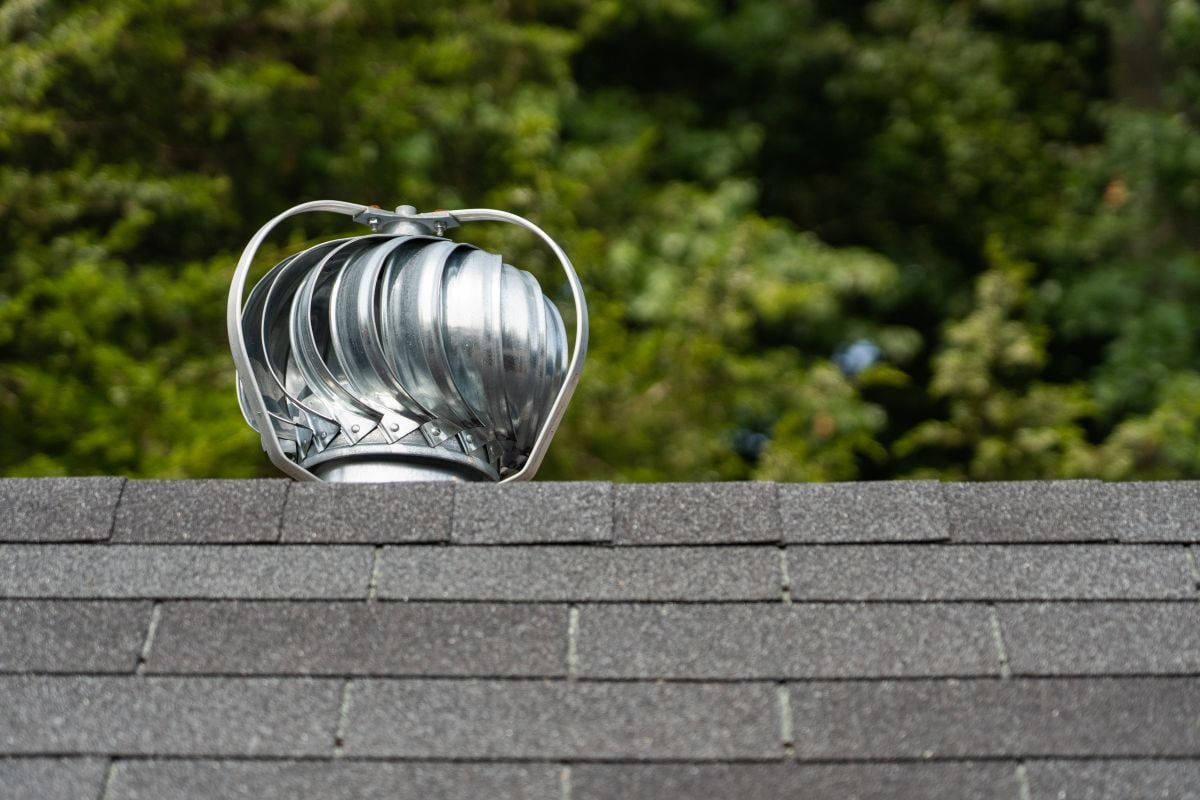
5. Turbine Vents (Whirlybirds)
Turbine vents spin with the wind, drawing hot air out of the attic. They are powered by wind, not electricity.
- Highly effective with consistent wind
- Visible from ground level, which some homeowners dislike
- Low-maintenance with few moving parts
6. Power Vents (Electric or Solar)
These roof vents use a motor to force hot air out. Some are wired to your home’s power supply while others are solar-powered.
- Great for large attics with poor natural ventilation
- Can include thermostats and humidistats
- More expensive and require electrical setup
7. Cupola Vents
Often found on barns or older homes, cupolas are decorative vent structures mounted on the roof peak.
- Adds architectural appeal
- Best used in conjunction with more modern vents
- Limited effectiveness alone
How to Choose the Right Vent Type for Your Roof
Not every vent is right for every home. Choosing the best roof vent types depends on your local climate, roof style, and even your budget.
Consider Your Roof Design
Gable roofs often do well with gable vents, while hip or complex roof shapes benefit from ridge and soffit vents.
Think About Attic Size
Larger attics require more airflow. A mix of passive and powered systems might be needed to ensure adequate ventilation.
Balance Intake and Exhaust
You need as much intake as you have exhaust. For example, pairing soffit vents (intake) with ridge vents (exhaust) ensures a natural air cycle.
Check Local Codes
In places like Auburn and surrounding areas, building codes may require specific types of vents or a minimum venting ratio per square footage of attic space.
Aesthetic Preferences
Low-profile vents like ridge or box vents blend into your roofline, while turbines and cupolas are more noticeable.
Roof Vent Maintenance and Installation Tips
Even the best vent can’t help you if it’s poorly installed or clogged with debris. Here are a few things to keep in mind after installation.
Inspect Vents Annually
Look for cracked plastic, rusted metal, or signs of animal entry. Small holes can allow pests to enter your attic.
Clean Soffits and Screens
Dust, pollen, and leaves can clog intake vents, reducing airflow. Use a soft brush or vacuum to clean them as needed.
Watch for Condensation or Mold
If your attic feels humid or has water stains, your vent system may not be functioning properly. This is a red flag that deserves immediate attention.
Don’t Mix Systems Incorrectly
Avoid pairing power vents with ridge or gable vents. One system can pull air from another vent instead of from the soffits, disrupting airflow balance.
Call a Professional for Complex Roofs
Roofs with valleys, hips, or multiple levels often need a tailored approach. A professional can ensure your ventilation design makes sense.
Passive vs Powered Ventilation: Which Is Best?
One of the most common questions homeowners ask is whether they should go with passive (natural airflow) or powered (mechanical) vent systems. Let’s compare the two.
| Feature | Passive Vents | Powered Vents |
| Energy Use | None | Low (electric or solar) |
| Maintenance | Minimal | Moderate (motor components) |
| Cost | Lower | Higher upfront cost |
| Effectiveness | Depends on roof design | Effective regardless of airflow |
| Noise | Silent | Some humming may occur |
| Ideal For | Mild to moderate climates | Hot or humid areas with poor airflow |
In Auburn and surrounding areas, a balanced system using ridge and soffit vents is usually ideal. However, homes with little natural wind movement or large attic spaces may benefit from powered vents to ensure year-round performance.
Time To Choose Your Next Roof Vent
Whether you’re planning a roof replacement or just looking to improve energy efficiency, the right roof vent types can make a big difference in your home’s comfort and durability. A well-designed ventilation system can reduce heat buildup, prevent mold, and extend the life of your roof.
If you’re unsure where to start, our team at Maumee River Roofing can help assess your attic and roof ventilation needs. We’ll make sure you get the right solution tailored for your home and climate.
For expert guidance on ventilation upgrades or new roof installation, contact us today and let Maumee River Roofing help you breathe easier—literally and financially.