

Roof Maintenance Routine (9 Easy Tips to Extend Roof Life)
Keeping your home protected starts at the top, and a consistent roof maintenance routine is one of the smartest investments you can make as a homeowner. Small issues can quickly turn into expensive repairs if ignored, especially in areas with changing weather patterns. By staying proactive and working with experienced professionals when needed, such as this trusted local team, you can extend your roof’s lifespan and avoid unnecessary stress.
Here’s what you’ll learn in this guide:
- Why regular roof maintenance is essential for homeowners
- 9 easy, practical tips to extend the life of your roof
- Common warning signs that should not be ignored
- How seasonal changes impact your roof
- When to handle maintenance yourself and when to call professionals
Why Consistent Roof Maintenance Matters
Your roof is constantly exposed to the elements, from heavy rain and snow to wind and sun. Over time, even the most durable roofing materials begin to wear down. Without regular upkeep, minor issues like loose shingles or clogged gutters can escalate into leaks, structural damage, or even premature roof replacement.
For homeowners in Indianapolis and surrounding areas, seasonal weather swings make maintenance even more important. Staying ahead of potential problems helps protect your home, your budget, and your peace of mind.
- Extended lifespan: Routine care can add years to your roof’s life by preventing early deterioration.
- Cost prevention: Catching small issues early avoids expensive repairs or full replacements.
- Energy efficiency: A well-maintained roof improves insulation and reduces heating and cooling costs.
- Weather protection: Proper upkeep ensures your roof performs well during storms and extreme conditions.
- Home value: A healthy roof boosts curb appeal and resale value.
9 Easy Roof Maintenance Tips Every Homeowner Should Follow

Taking care of your roof does not have to be complicated. These nine practical steps can help you stay on top of maintenance and protect your investment.
1. Inspect Your Roof Regularly
Routine inspections are the foundation of good maintenance. You should check your roof at least twice a year, typically in the spring and fall.
Look for visible signs of wear, damage, or aging materials.
- Missing or cracked shingles
- Sagging areas
- Debris buildup
- Signs of water damage
Even a quick visual inspection from the ground can reveal early warning signs.
2. Clean Your Gutters and Downspouts
Clogged gutters can cause water to back up onto your roof, leading to leaks and structural damage. Keeping gutters clean ensures proper drainage.
This is especially important in Indianapolis and surrounding areas where leaves and debris can accumulate quickly during seasonal changes.
- Remove leaves and debris regularly
- Check for sagging or loose gutters
- Ensure downspouts direct water away from your home
3. Trim Overhanging Tree Branches
Trees can be a major source of roof damage. Overhanging branches can scrape against shingles, drop debris, and increase the risk of mold growth.
Keeping trees trimmed reduces these risks and improves overall roof health.
- Prevents physical damage from branches
- Reduces debris buildup
- Limits pest access to your roof
4. Check for Moss, Algae, and Mold Growth
Moisture buildup can lead to moss and algae growth, which can damage shingles over time. These organisms retain moisture and accelerate deterioration.
If you notice dark streaks or green patches, it is time to take action.
- Use appropriate cleaning solutions
- Avoid harsh pressure washing
- Address underlying moisture issues
5. Examine Flashing and Seals
Flashing around chimneys, vents, and skylights is critical for preventing leaks. Over time, these areas can crack or loosen.
Carefully inspect these vulnerable spots and ensure everything is properly sealed.
- Look for gaps or corrosion
- Check sealant condition
- Address issues promptly
6. Ensure Proper Attic Ventilation
Your attic plays a key role in roof health. Poor ventilation can lead to heat and moisture buildup, which can damage roofing materials from the inside.
Proper airflow helps regulate temperature and prevent issues like ice dams.
- Check for blocked vents
- Ensure balanced airflow
- Monitor for condensation
7. Address Minor Repairs Immediately
Small issues rarely stay small. A loose shingle or minor leak can quickly turn into a major problem if left untreated.
Taking care of repairs right away helps avoid costly damage.
- Replace damaged shingles
- Fix small leaks
- Reinforce weak areas
8. Remove Debris from the Roof Surface
Leaves, branches, and dirt can trap moisture and lead to long-term damage. Keeping your roof clean is a simple but effective maintenance step.
This is particularly important after storms or heavy winds.
- Clear debris safely using proper tools
- Avoid walking on the roof unnecessarily
- Inspect after severe weather
9. Schedule Professional Roof Inspections
While DIY maintenance is helpful, professional inspections provide a deeper level of insight. Experts can identify issues that are not visible to the untrained eye.
Homeowners in Indianapolis and surrounding areas benefit from regular professional evaluations, especially after harsh winters or storms.
- Detect hidden damage
- Ensure proper installation
- Receive expert recommendations
Seasonal Roof Maintenance Checklist

Your roof’s needs change throughout the year. Following a seasonal maintenance routine helps you stay ahead of potential issues and adapt to changing conditions.
Each season brings unique challenges, so it is important to adjust your approach accordingly.
Spring Maintenance Tasks
After winter, your roof may have endured snow, ice, and freezing temperatures.
- Inspect for winter damage
- Clean gutters and downspouts
- Check for loose or missing shingles
Spring is an ideal time to assess any damage and prepare for warmer months.
Summer Maintenance Tasks
Heat and UV exposure can cause materials to expand and weaken over time.
- Check for signs of heat damage
- Inspect flashing and seals
- Ensure proper attic ventilation
Summer is also a good time for repairs due to favorable weather conditions.
Fall Maintenance Tasks
Preparing your roof for winter is crucial for preventing cold-weather damage.
- Remove leaves and debris
- Clean gutters thoroughly
- Inspect for potential weak spots
Fall maintenance helps ensure your roof is ready for snow and ice.
Winter Maintenance Awareness
While active maintenance is limited in winter, monitoring your roof is still important.
- Watch for ice dams
- Check for snow buildup
- Look for signs of interior leaks
If issues arise, it is best to contact professionals rather than attempt risky repairs.
Common Roof Problems Homeowners Should Watch For
Understanding common roofing issues can help you take action before problems worsen. Many roofing failures begin with small, preventable issues.
Being aware of these warning signs allows you to respond quickly and protect your home.
Leaks and Water Damage
Water intrusion is one of the most serious roofing problems. Even a small leak can lead to mold, rot, and structural damage.
Signs to watch for include:
- Water stains on ceilings
- Damp insulation
- Musty odors
Shingle Damage
Shingles are your roof’s first line of defense. Damage to shingles can compromise the entire system.
Look for:
- Curling or buckling
- Missing shingles
- Granule loss
Poor Installation
Improper installation can lead to long-term issues, even with high-quality materials.
- Uneven shingle placement
- Improper sealing
- Inadequate ventilation
Drainage Issues
Water that does not drain properly can pool on your roof and cause damage over time.
- Clogged gutters
- Improper slope
- Standing water
For homeowners in Indianapolis and surrounding areas, these issues can be exacerbated by seasonal weather changes.
DIY Maintenance vs Professional Help
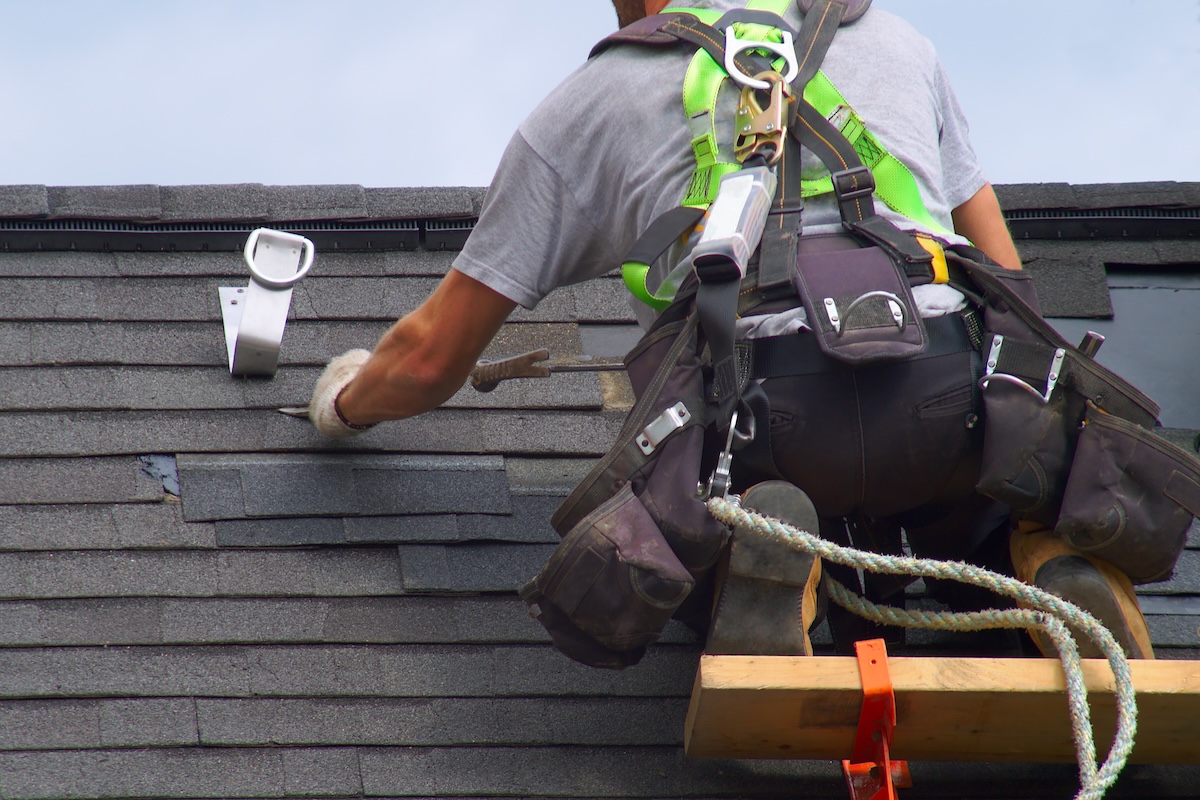
Knowing when to handle maintenance yourself and when to call in experts is key to protecting your roof and your safety.
While some tasks are simple, others require specialized tools and experience.
DIY Maintenance Tasks
Many routine maintenance tasks can be handled safely by homeowners.
- Cleaning gutters
- Visual inspections from the ground
- Removing light debris
These tasks help you stay proactive without taking unnecessary risks.
When to Call a Professional
Certain situations require professional expertise to ensure proper results.
- Roof leaks or water damage
- Structural concerns
- Steep or high roofs
- Major repairs or replacements
Comparing Your Options
| Task Type | DIY | Professional |
| Routine cleaning | Suitable | Optional |
| Minor inspections | Suitable | Recommended annually |
| Repairs | Risky | Preferred |
| Full maintenance | Limited | Comprehensive |
Working with professionals ensures your roof receives the care it needs without compromising safety or quality.
Protect Your Roof with the Right Maintenance Plan
A strong, reliable roof does not happen by chance. It requires consistent attention, timely repairs, and the right expertise to keep everything in top condition. By following a structured maintenance routine, you can extend your roof’s life, reduce costs, and protect your home year-round.
If you want peace of mind and long-lasting results, the team at Maumee River Roofing is here to help homeowners in Indianapolis and surrounding areas stay ahead of roofing issues. Whether you need an inspection, repairs, or expert guidance, now is the time to act. Take the next step and contact us today to ensure your roof is ready for whatever comes next.