

A small drip during a storm might not seem like a big deal, but putting off roof leak repair is one of the quickest ways to turn a manageable fix into costly structural damage. Leaks can start in subtle ways, then spread quietly through your attic, insulation, and ceiling. Before tackling the issue, it’s worth learning how layers like underlayment and roof decking work together to protect your home during wet weather.
In this guide, you’ll learn:
- Why roof leaks require fast, accurate action
- 7 proven repair methods that deliver lasting results
- How to find the source of the leak
- When to patch, replace, or reseal
- What Noblesville homeowners should know about local risks
Why Roof Leak Repair Should Never Wait
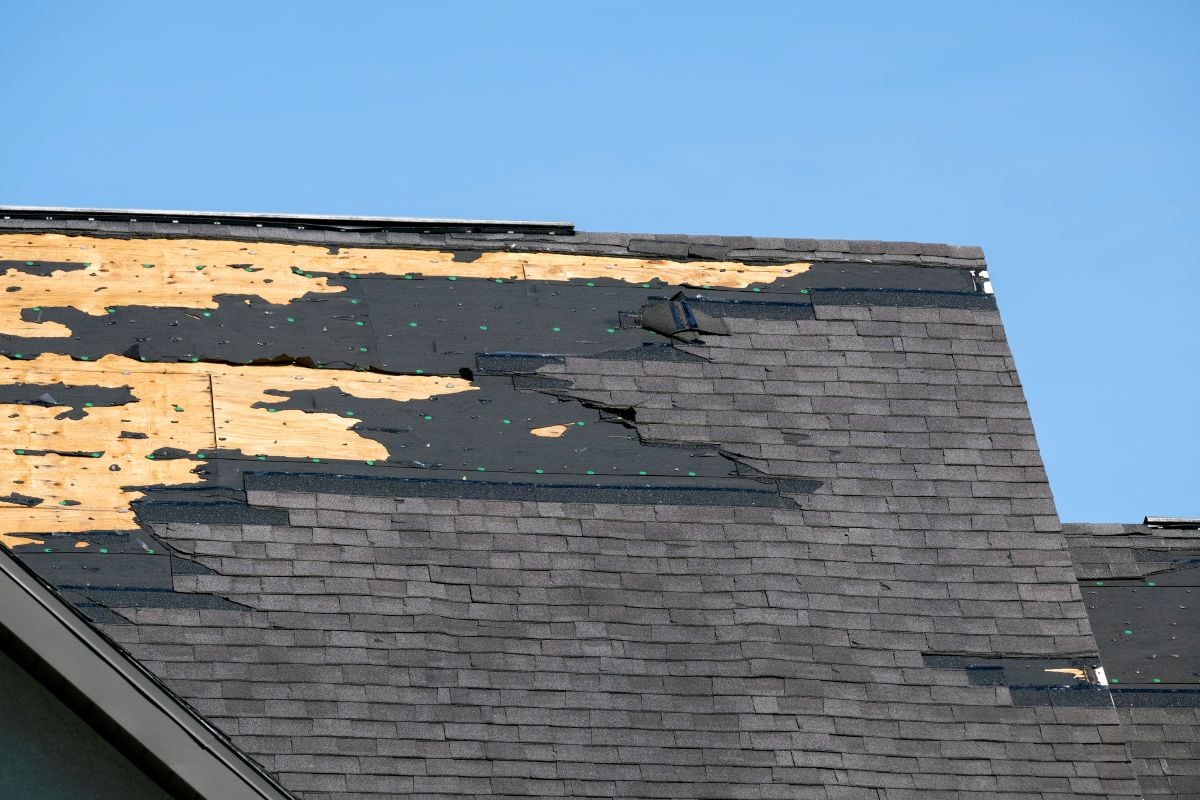
Not all roofing problems announce themselves with a gush of water. In many cases, a slow, steady leak can cause more damage than a dramatic downpour. Repairing it early prevents a cascade of costly problems.
- Prevents mold and rot: Even a small leak can soak insulation and rafters, creating the perfect breeding ground for mold and wood rot.
- Preserves your home’s structure: Water eats away at roof decking, drywall, and joists—weakening the entire system over time.
- Protects electrical components: Leaks near ceiling lights or attic wiring can short circuits or create fire hazards.
- Maintains insulation performance: Wet insulation loses its R-value, leading to drafty rooms and higher utility bills.
- Saves money long-term: Early roof leak repair usually costs a fraction of what full roof replacements or water damage restoration would run.
7 Proven Roof Leak Repair Methods That Actually Work
Finding the right fix depends on the leak’s source, the materials involved, and how long the problem has been active. Below are the most common and effective solutions used by professionals.
1. Replace Damaged Shingles
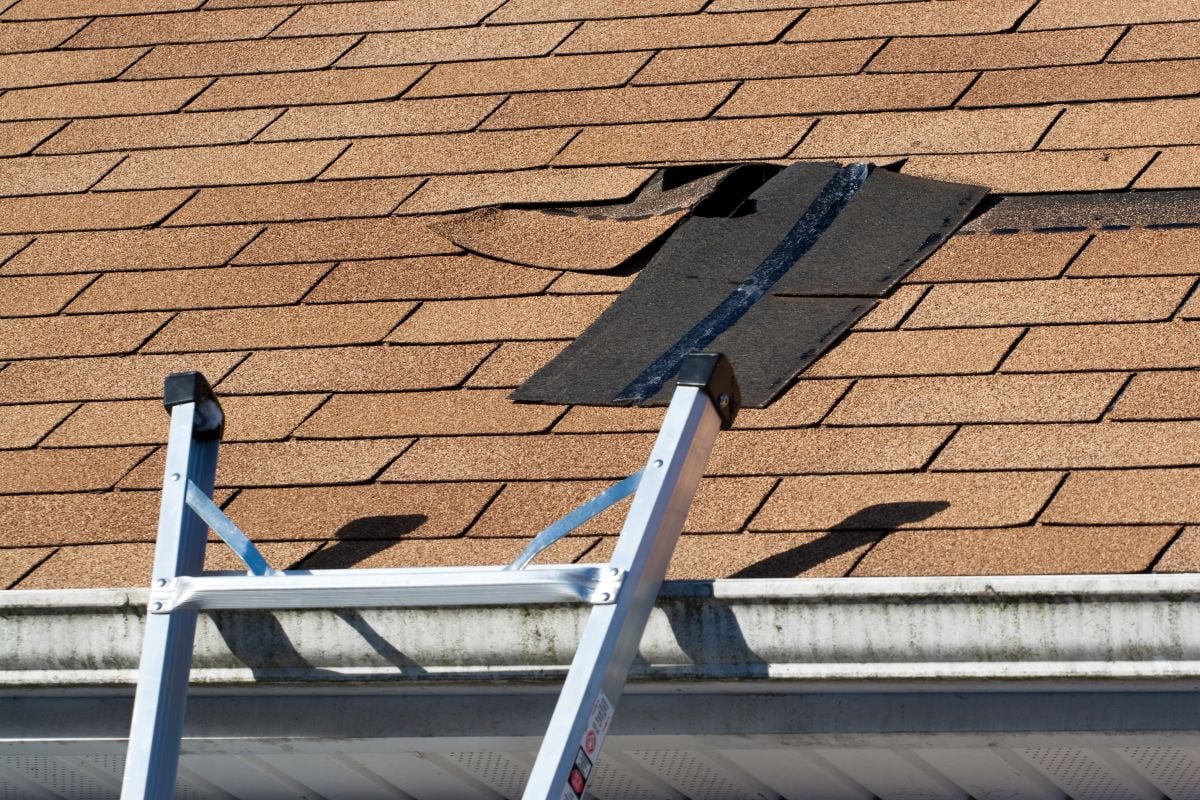
Missing, cracked, or curling shingles are often the entry point for water during storms.
- Gaps in shingles expose the underlayment to rain
- Replacing only the affected section keeps costs low
- Matching color and style helps preserve curb appeal
Best for: Storm damage, aging roofs with isolated wear
2. Reseal Flashing Around Roof Penetrations
Flashing is a thin metal strip installed around chimneys, vents, and skylights. When the sealant fails or the metal lifts, leaks happen.
- Old caulking may crack or shrink with age
- Flashing can corrode or shift out of place
- Resealing requires removing debris, reapplying adhesive, and pressing flashing back into position
Best for: Chimney leaks, skylight edges, roof-to-wall transitions
3. Patch Holes in the Roof Deck
If a fallen branch or animal damage punches through your roof layers, a patch may be enough.
- Roofing cement or sealant may stop minor punctures temporarily
- For larger holes, plywood patches are installed underneath replacement shingles
- A pro will inspect surrounding areas for hidden rot
Best for: Isolated impact damage in otherwise healthy roofs
4. Replace Cracked Vent Boots
The rubber boots around plumbing vents often dry out and crack with sun exposure.
- Cracks allow rain to seep into the attic
- Repairs may involve resealing or swapping the entire boot
- A metal or silicone replacement provides longer durability
Best for: Leaks around pipes sticking out of your roof
5. Fix Clogged or Improperly Sloped Gutters
Water pooling at roof edges can back up under shingles, especially in valleys or near fascia boards.
- Cleaning out debris helps water flow freely
- Realigning gutters can prevent overflow or pooling
- Downspouts may need repositioning to direct water away from the home
Best for: Leaks at roof edges or behind fascia boards
6. Ice Dam Prevention and Removal
In colder climates, ice dams can form at roof edges, forcing meltwater under the shingles.
- Solutions include better attic insulation, roof ventilation, and heat cables
- Professional steam removal prevents roof damage
- Metal drip edges can also help reduce reformation
Best for: Winter leaks caused by freeze-thaw cycles
7. Replace a Section of Roofing
If the damage is widespread or old, replacing an entire section may be more effective than isolated patches.
- Allows inspection and replacement of underlayment and decking
- Blends new materials with old ones for a seamless look
- Helps extend the life of your current roof without a full tear-off
Best for: Older roofs with recurring leaks in the same area
How to Find the Source of a Roof Leak
Locating a leak is often harder than fixing it. Water can travel along rafters, wires, or joists before it drips through your ceiling. Here’s how professionals trace the source:
Start Inside
- Check the attic for wet insulation or stained rafters
- Use a flashlight to spot dark or shiny patches in wood
- Look during or right after a storm for active drips
Move Outside
- Look for missing shingles, raised flashing, or discolored areas
- Examine areas around roof penetrations like chimneys or satellite mounts
- Pay attention to valleys, where two slopes meet and water naturally flows
Water Test
- In dry weather, a helper sprays sections of the roof with a hose while you watch the attic
- Move slowly and check for drips to isolate the area
- This step is best done with professional guidance
Common Leak-Prone Areas on a Roof
Not all parts of a roof are equally vulnerable. These high-risk zones should be the first places checked when a leak appears.
- Roof valleys: The troughs where two roof planes meet collect large volumes of water
- Chimneys: Cracked masonry or flashing is a common failure point
- Skylights: Improper installation or worn seals allow leaks
- Plumbing vents: Often surrounded by rubber boots that degrade
- Roof edges and eaves: Water pooling here can seep under shingles
- Nail holes and old mounts: Leftover holes from satellite dishes or antennas become weak spots over time
What Noblesville Homeowners Should Know About Roof Leaks
Roof leak risks in Noblesville and surrounding areas are influenced by our regional climate and home styles. If you live in the area, here are some specifics to keep in mind:
Seasonal Factors:
- Spring storms bring wind and hail that damage shingles and flashing
- Winter ice dams are a concern for homes with older insulation or poor ventilation
- Heavy rains in the summer test the limits of flashing, gutters, and valleys
Home Design:
- Many homes in Noblesville feature complex rooflines, which means more valleys, vents, and flashing to monitor
- Properties with mature trees often deal with clogged gutters and moss buildup on shaded roofs
- Homes built in the 1990s or early 2000s may now be due for underlayment upgrades or full roof replacements
When to DIY vs. When to Call a Pro
Small fixes might seem tempting to do yourself, but not every roof leak is a good candidate for a DIY approach. Here’s how to decide:
| Situation | DIY-Friendly? | Professional Needed? |
| Minor sealant touch-up around vent pipe | ✅ | |
| Replacing multiple shingles after storm | ✅ | |
| Finding source of attic leak | ✅ | |
| Replacing flashing around chimney | ✅ | |
| Cleaning gutters and improving slope | ✅ | |
| Installing ice dam prevention systems | ✅ | |
| Replacing underlayment or decking | ✅ |
If you’re unsure about the extent of the damage—or if working at heights is a concern—your safest bet is hiring a licensed roofer with proper equipment and expertise.
Fix It Fast with Help from Maumee River Roofing
Whether you’ve spotted water damage in your ceiling, peeling paint near a vent, or moisture in the attic, roof leak repair is not something to put off. Acting early keeps the problem from growing into something more costly, invasive, or hazardous. At Maumee River Roofing, we help homeowners in Noblesville and surrounding areas track down leaks, apply lasting fixes, and assess your roof for future vulnerabilities.
If you’re dealing with an active leak—or just want peace of mind after a recent storm—contact us today to schedule a thorough inspection. Maumee River Roofing is here to keep your roof sealed, secure, and ready for every season.