

When it comes to protecting your home or building, roof felt plays a much bigger role than most property owners realize. This essential layer works behind the scenes to shield your structure from moisture and weather damage. Whether you are planning a repair or a full replacement, understanding how it works can help you make better decisions. Learn more about how underlayment fits into modern systems by exploring durable roofing solutions for commercial properties.
In this guide, you will learn:
- What roof felt is and how it functions beneath your roofing materials
- The different types of roof felt and when each is used
- Key benefits and potential drawbacks to consider
- How roof felt compares to newer underlayment options
- When it may be time to repair or replace this critical layer
Why Roof Felt Is Essential for Long Term Roof Protection
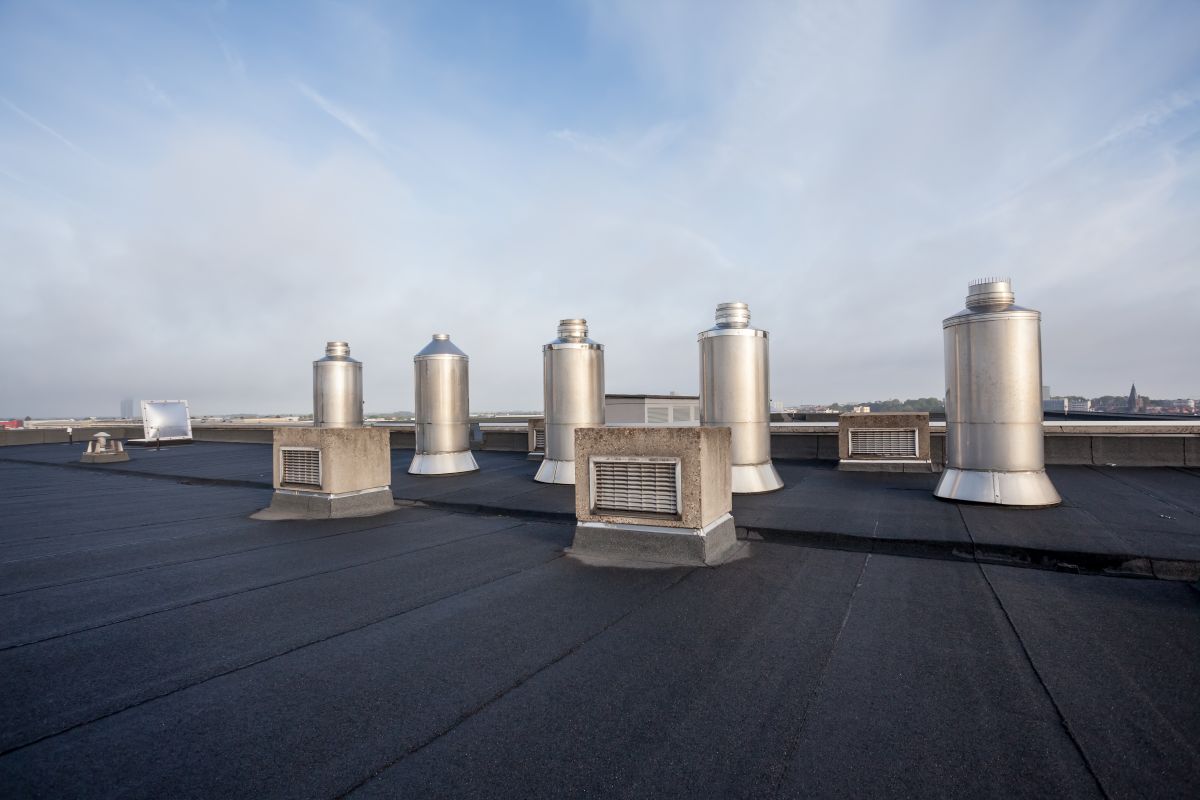 Roof felt may not be visible once your roof is complete, but it is one of the most important components in the entire system. It acts as a secondary barrier between your roof deck and the elements, offering protection when shingles or other materials are compromised.
For property owners in Carmel and surrounding areas, where weather conditions can shift quickly, that extra layer of defense can help prevent costly damage over time.
Here are some of the main reasons roof felt remains essential:
- Moisture protection: Roof felt provides a backup barrier that helps prevent water from reaching the roof deck if the outer layer fails.
- Improved durability: It adds strength and stability to the overall roofing system, helping materials stay in place.
- Temporary weather shield: During installation or repairs, roof felt can protect your home from rain before the final materials are installed.
- Enhanced lifespan: By reducing direct exposure to moisture, it helps extend the life of shingles or other roofing materials.
- Added insulation support: While not a primary insulator, it can help regulate airflow and reduce minor heat transfer.
Without roof felt, even a small issue with shingles or flashing could quickly turn into a larger structural problem.
6 Key Steps in Roof Felt Protection
Roof felt is part of a layered system that works together to keep your property protected. Understanding how it is installed and functions within the roof helps explain why it is so important.
1. Preparing the Roof Deck
Before roof felt is installed, the roof deck must be clean, dry, and structurally sound. This ensures proper adhesion and prevents future issues.
A well prepared deck allows the felt to lie flat and perform as intended.
Key preparation steps include:
- Removing old roofing materials
- Inspecting for rot or damage
- Securing loose boards or panels
2. Installing a Drip Edge and Starter Components
Before laying the felt, roofers often install a drip edge along the eaves. This metal flashing directs water away from the fascia and into the gutters.
Adding these starter components ensures water is managed properly from the very beginning.
Important elements:
- Drip edge at eaves for water control
- Starter strips to guide placement
- Edge alignment for proper runoff
3. Laying the First Layer of Felt
The first layer of roof felt is rolled out horizontally across the roof. It is carefully aligned to ensure complete coverage.
This layer creates the initial moisture barrier and sets the foundation for additional layers if needed.
Important considerations:
- Overlapping edges to prevent gaps
- Securing with nails or staples
- Maintaining consistent alignment
4. Overlapping for Maximum Protection
Each row of roof felt overlaps the one below it. This shingle style layering ensures water flows downward without seeping underneath.
This step is critical for preventing leaks, especially during heavy rain.
Benefits of proper overlap:
- Reduces risk of water intrusion
- Improves overall waterproofing
- Enhances system durability
5. Securing and Sealing the Felt
Fastening the felt properly ensures it stays in position during installation and over time. In some cases, seams may also be sealed for added protection.
Fasteners must be spaced correctly to avoid tearing while still providing strong hold.
Common methods include:
- Roofing nails with caps
- Staples for lighter applications
- Adhesives or sealants for seams
6. Installing the Final Roofing Material
Once the roof felt is in place, shingles or other roofing materials are installed on top.
At this point, the felt continues to serve as a hidden layer of protection beneath the visible surface.
This layered approach is especially valuable in Carmel and surrounding areas, where seasonal weather can put added stress on roofing systems.
Types of Roof Felt and When to Use Them
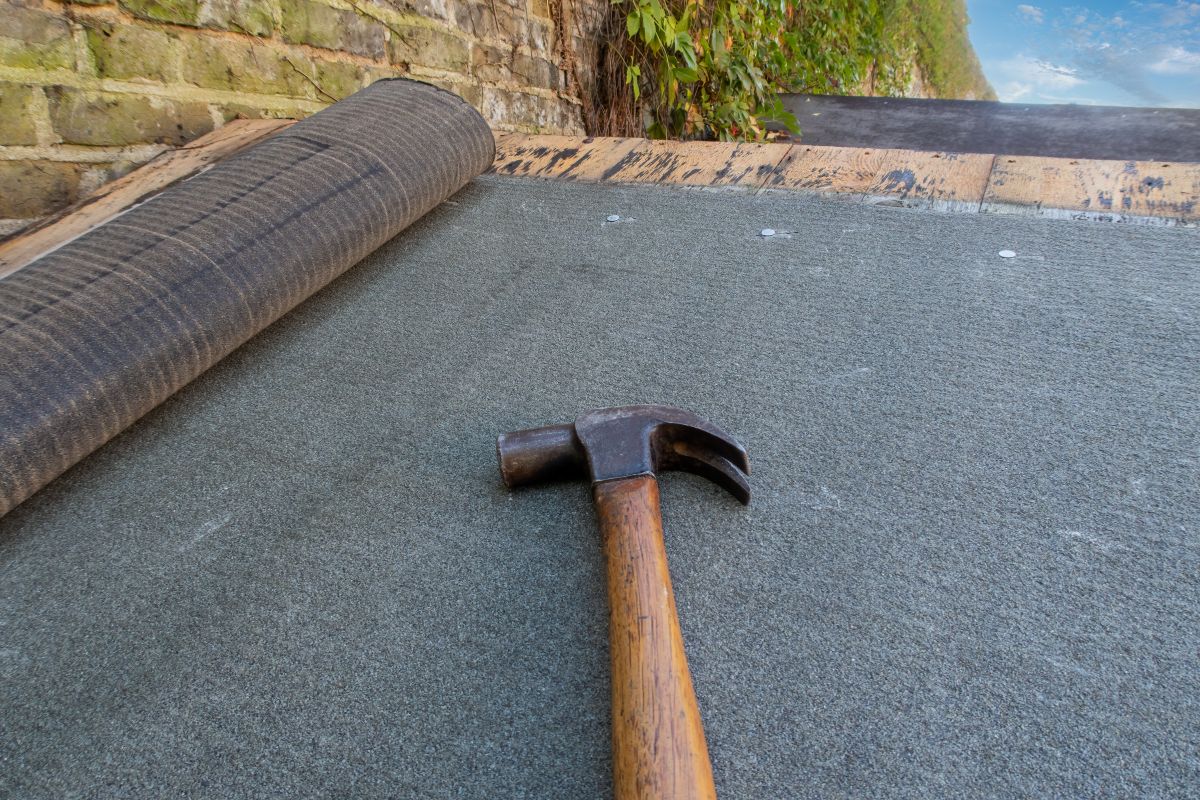 Not all roof felt is the same. There are several types available, each designed for specific applications and performance needs.
Understanding the differences helps you choose the right option for your property.
Organic Roof Felt
Organic felt is made from natural materials like cellulose or wood fibers that are saturated with asphalt.
- Best for: Traditional roofing systems
- Advantages: Flexible and widely available
- Considerations: Can absorb moisture over time if exposed
Fiberglass Reinforced Felt
This type uses a fiberglass mat instead of organic materials, making it more resistant to moisture.
- Best for: Areas with higher humidity or rainfall
- Advantages: Improved durability and resistance
- Considerations: Slightly less flexible than organic felt
15 Pound vs 30 Pound Felt
Roof felt is often categorized by weight, which affects thickness and durability.
- 15 pound felt: Lightweight, easier to install, suitable for many residential applications
- 30 pound felt: Thicker and more durable, ideal for areas needing extra protection
Synthetic Underlayment Alternatives
While not technically felt, synthetic underlayments are often compared to traditional options.
- Advantages: Lightweight, tear resistant, and more water resistant
- Drawbacks: Higher cost compared to traditional felt
Choosing between these options depends on your budget, roof design, and long term goals.
Signs Your Roof Felt May Need Attention
Even though roof felt is hidden beneath other materials, it can still wear out over time. Recognizing the signs of trouble early can help prevent more serious issues.
Water Stains or Interior Leaks
If you notice water stains on ceilings or walls, it could indicate that moisture has penetrated past the shingles and affected the felt layer.
This is often one of the first warning signs that something is wrong.
Curling or Damaged Shingles
When shingles begin to curl or deteriorate, the roof felt beneath them may also be compromised.
This can expose the underlayment to the elements, accelerating wear.
Soft Spots on the Roof
Walking on the roof and feeling soft areas can indicate moisture damage to the underlying structure, including the felt.
This issue should be addressed quickly to avoid structural problems.
Age of the Roofing System
If your roof is approaching the end of its lifespan, the felt beneath it may also be worn out.
In many cases, replacing the entire system is the most effective solution.
Increased Energy Costs
Damaged or ineffective underlayment can contribute to poor insulation and ventilation, leading to higher energy bills.
For homeowners in Carmel and surrounding areas, seasonal temperature swings can make this issue more noticeable.
Roof Felt vs Modern Underlayment Options
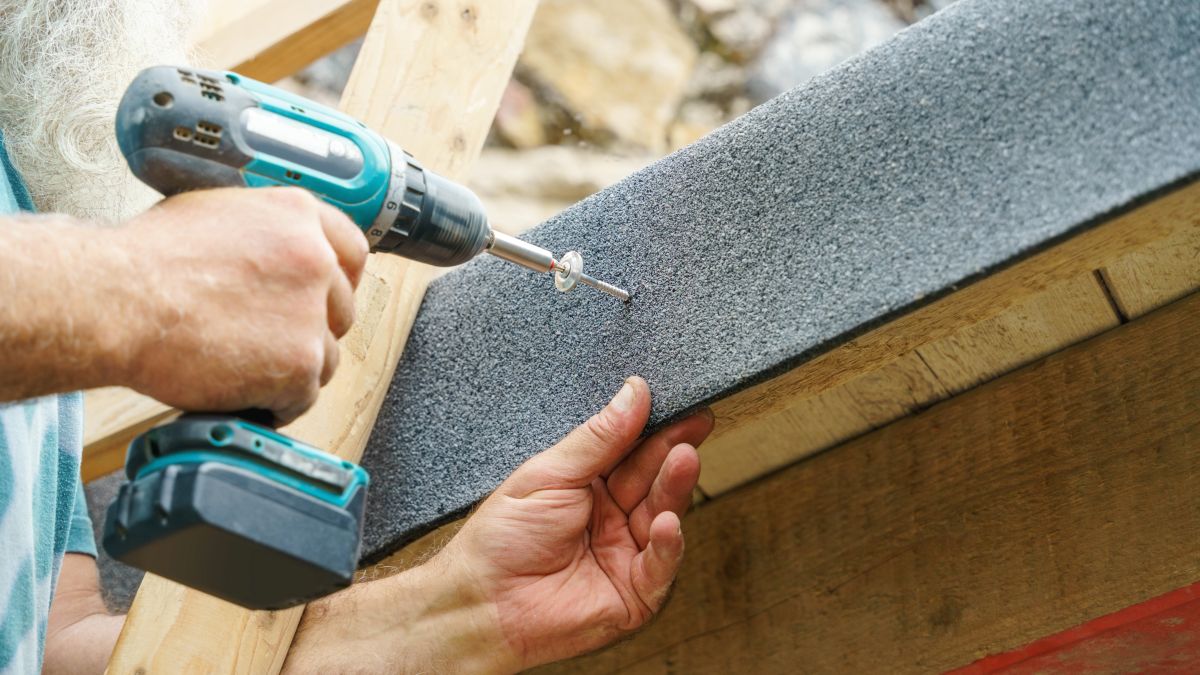 As roofing technology has evolved, new materials have emerged that compete with traditional roof felt. Comparing these options can help you decide which is best for your needs.
Performance Comparison Table
| Feature | Roof Felt | Synthetic Underlayment |
| Cost | Lower upfront cost | Higher initial investment |
| Durability | Moderate | High |
| Water Resistance | Good | Excellent |
| Weight | Heavier | Lightweight |
| Installation | Familiar and straightforward | Faster in many cases |
When Roof Felt Makes Sense
Roof felt remains a strong choice in many situations:
- Budget conscious projects
- Traditional roofing systems
- Short term or temporary protection needs
When Synthetic Options May Be Better
In some cases, newer materials may offer advantages:
- Long term durability requirements
- High exposure to moisture
- Projects prioritizing lightweight materials
Ultimately, the right choice depends on your specific property and goals.
Protect Your Roof with the Right Underlayment Strategy
Roof felt may not be visible, but it plays a critical role in protecting your property from moisture and long term damage. From installation to maintenance, every detail matters when it comes to ensuring your roofing system performs at its best.
If you are planning a roofing project or suspect issues with your current system, working with experienced professionals can help you avoid costly mistakes. Maumee River Roofing provides expert guidance and quality workmanship tailored to your needs in Carmel and surrounding areas.
To get started on protecting your property, contact us today and let our team help you find the right solution for lasting performance.