

Keeping your home’s roof in top condition starts with regular roof cleaning, but most homeowners don’t realize just how important this simple task really is. A few streaks might not seem urgent—but give them time, and they can lead to shingle damage, water intrusion, and mold. Whether you’re preserving a brand-new roof or trying to extend the life of an older one, consistent care is a must. Before diving into the tips, check out this section on roof decking to understand how deeper structural layers can impact long-term performance.
Here’s what you’ll take away from this guide:
- Why regular roof cleaning is more than just cosmetic
- Step-by-step instructions for safe, effective cleaning
- How to stop moss, algae, and grime before they take hold
- What damage signs mean you need more than a wash
- When to hire a local pro in Fort Wayne for the job
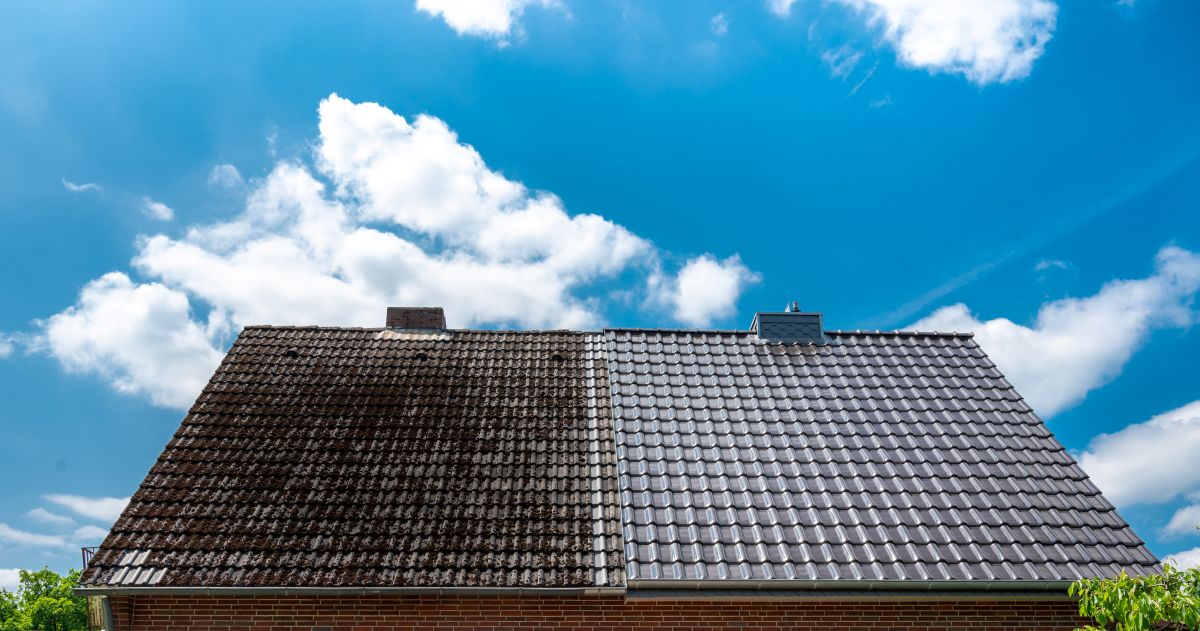
Why Roof Cleaning Is Worth Your Time (and Money)
If you only clean your roof when something looks wrong, you’re probably already a step behind. Here’s why consistent roof care is one of the best investments a homeowner in Fort Wayne and surrounding areas can make:
- Protects Your Shingles: Moss, algae, and debris break down roofing materials, especially asphalt granules. Removing them prevents premature wear.
- Improves Home Value: A stained, streaky roof makes even a well-kept home look neglected. A clean roof instantly boosts curb appeal.
- Prevents Drainage Issues: Debris that collects on the roof often ends up in gutters, causing backups that damage siding, fascia, and even the foundation.
- Reduces Energy Bills: Algae and grime absorb heat. A clean, reflective roof helps your attic and HVAC system stay cooler.
- Meets Warranty Requirements: Some roofing warranties require regular maintenance—including cleaning—to stay valid.
7 Safe Roof Cleaning Tips to Try in 2026
Whether you’re tackling a weekend project or prepping for a professional service, these tips will help you clean your roof safely and effectively without causing damage.
1. Start with a Visual Scan
Before grabbing tools or climbing ladders, take a walk around your home. Use binoculars or a drone if available.
- Look for dark streaks (algae), green patches (moss), and general dirt buildup.
- Note any damaged flashing, missing shingles, or ponding water.
- Skip the climb if your roof is steep or if conditions are slippery.
2. Remove Loose Debris Gently
Dry leaves, pine needles, and small twigs can be swept or blown off the roof—but the method matters.
- Use a leaf blower or soft-bristle broom.
- Always work downward, toward the gutters.
- Stay clear of granule-covered shingles with aggressive tools.
3. Apply a Roof-Safe Cleaner
Not all cleaning solutions are created equal. Choose one made for your roof’s material—especially if you have asphalt shingles or metal roofing.
- Use a garden sprayer to apply a diluted cleaning mix.
- Let it soak for the recommended time (usually 15–30 minutes).
- Don’t use bleach unless the product is labeled roof-safe.
4. Rinse with Low Pressure
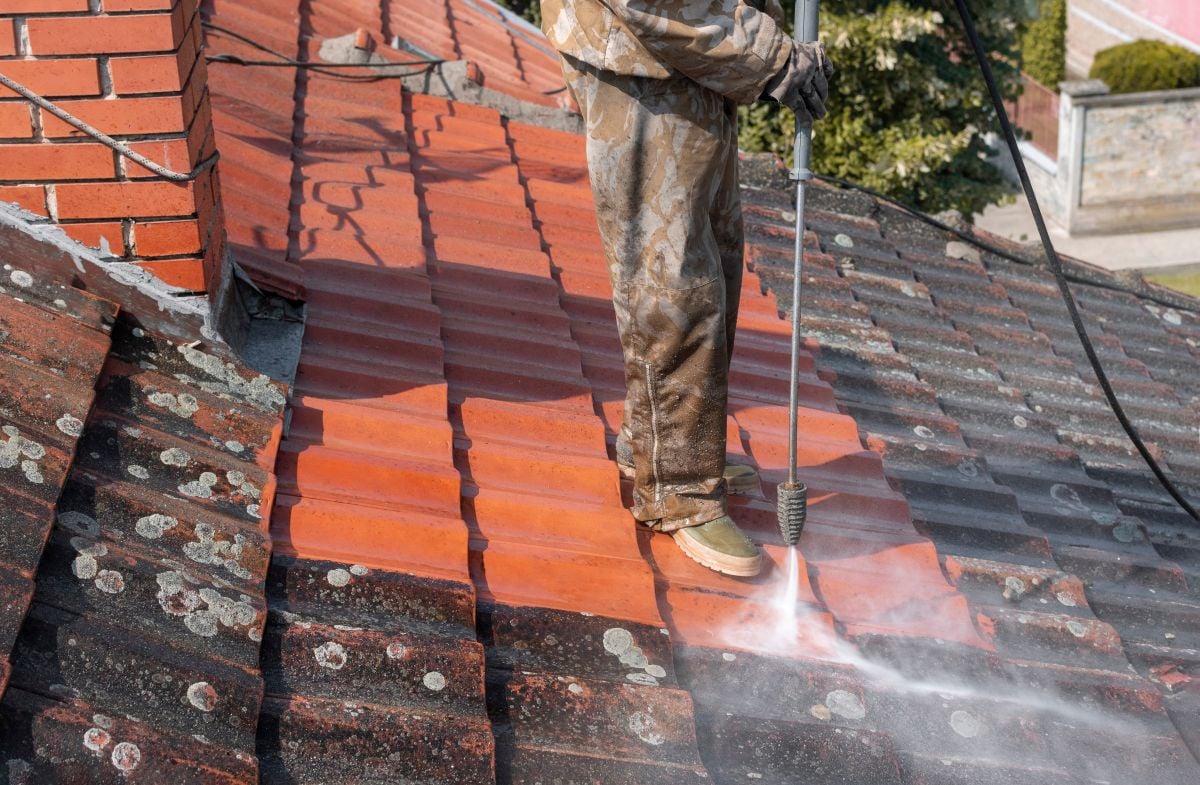
Avoid power washers—no matter how tempting it seems. High pressure can tear shingles and ruin protective layers.
- Use a garden hose with a spray nozzle.
- Rinse from top to bottom to avoid water intrusion.
- Allow the surface to fully dry before assessing results.
5. Treat Algae and Moss Specifically
Don’t scrub—it only shortens your roof’s life. Instead, treat these growths like the persistent pests they are.
- Use copper or zinc-based solutions that kill growth at the root.
- After a few rains, moss will dry up and flake off naturally.
- Install zinc or copper strips at the ridge for ongoing prevention.
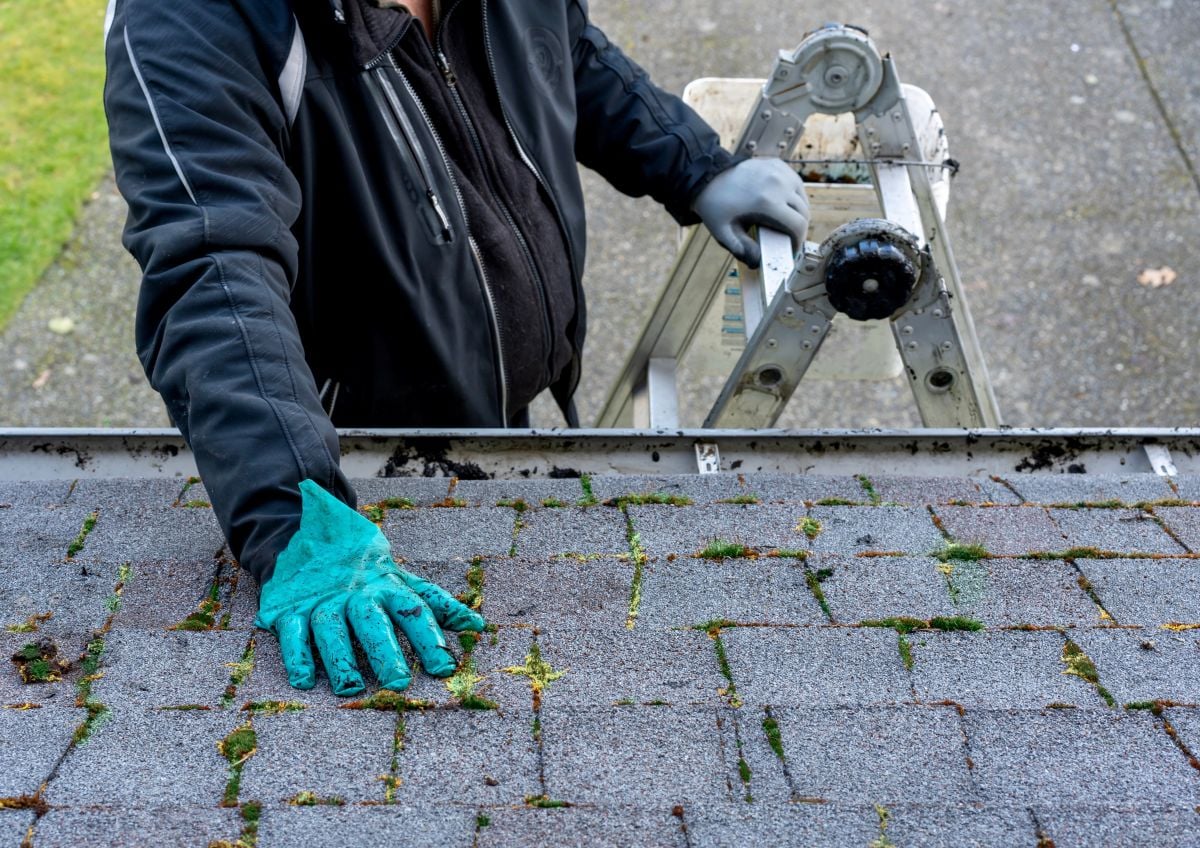
6. Don’t Forget the Gutters
Your gutters are part of the roof system. If they’re clogged, water backs up—damaging shingles and fascia.
- Scoop out leaves and debris by hand or with a gutter tool.
- Run water through to check for proper flow and leaks.
- Check for detached hangers, sagging sections, or rust.
7. Know When to Leave It to the Pros
Some homes—especially in Fort Wayne’s tree-lined neighborhoods—need more than a DIY approach.
- Pros use soft-wash systems that clean without pressure damage.
- Licensed cleaners spot signs of roof trouble homeowners might miss.
- They’re trained to move safely on steep or multi-level roofs.
Roof Cleaning or Roof Replacement? Know What You’re Dealing With
Sometimes, what looks like a dirty roof is actually a damaged one. Cleaning won’t help if the shingles are failing underneath the mess. Here’s how to tell the difference.
Cleaning is Likely Enough If:
- Your roof is under 10 years old
- You’re seeing minor streaks or moss
- No interior leaks or soft spots are present
You Might Need Repairs or Replacement If:
- You spot cracked, curled, or missing shingles beneath debris
- Algae or moss keeps coming back within months
- There’s visible sagging, staining, or daylight in the attic
What to Do If You’re Unsure
- Schedule a professional roof inspection before cleaning
- Get a second opinion if you’re quoted a full replacement without visible damage
- Use cleaning as an opportunity to evaluate the roof’s overall health
How to Prevent Roof Buildup After You Clean
A clean roof won’t stay that way for long if you don’t address what caused the mess to begin with. These easy steps help extend your results between cleanings.
- Trim Overhanging Trees: Shaded areas dry slower and accumulate debris faster.
- Clean Gutters Quarterly: This helps move water off your roof quickly and reduces standing moisture.
- Improve Ventilation: Proper attic ventilation can reduce algae-friendly conditions.
- Use Algae-Resistant Shingles: If you’re installing a new roof, choose products made to repel biological growth.
- Install Metal Strips: Zinc or copper strips at the peak wash down the roof with every rain, reducing regrowth.
What Fort Wayne Homeowners Should Know About Local Conditions
In Fort Wayne and surrounding areas, roof cleaning isn’t a once-in-a-decade task. It’s part of life in a climate that sees hot summers, tree-heavy neighborhoods, and freeze-thaw cycles.
Regional Factors That Speed Up Buildup:
- Humidity: Trapped moisture promotes moss and algae growth
- Tree Cover: Oak, pine, and maple trees constantly drop organic material
- Older Roofs: Many homes in the region have shingles past their prime
- Seasonal Change: Ice and snow promote moisture, and pollen adds film in spring
Local Tip:
If your neighborhood has homes with dark roof streaks visible from the street, chances are you’re in an area that would benefit from routine cleaning every 2–3 years.
Hiring a local company that understands the specific needs of Fort Wayne homes can ensure your roof is cleaned safely and professionally, without unnecessary damage or missed issues.
Ready to Take Action? Here’s When and Why to Schedule Roof Cleaning
Your roof is one of your home’s biggest investments—and cleaning it is one of the easiest ways to protect that investment. The good news? You don’t need to do it every month. But waiting until stains are visible from the street or moss is growing like a carpet? That’s waiting too long.
At Maumee River Roofing, we believe that roof care should be safe, smart, and stress-free. Whether you need a simple wash or a full inspection paired with professional cleaning, our team is ready to help you take the right next step. Don’t let buildup turn into breakdown—contact us today and schedule your service with a trusted local company that knows Fort Wayne roofs inside and out.