

If you want to take better care of your home, start by understanding the parts of a roof. Most people only notice the shingles, but your roof is a layered system with structural, weatherproofing, and drainage elements all working together. Knowing how it’s built makes it easier to spot issues early and talk with contractors confidently. If you’re exploring repairs or upgrades, check out this helpful breakdown that explains how each component contributes to long-term performance.
Here’s what this guide will cover:
- The purpose of each major roof component
- How all the layers work together to protect your home
- Common trouble spots that lead to damage or leaks
- Why local weather in Indianapolis affects roof design
- When to call a roofing pro for an inspection or repair
Why Knowing Your Roof’s Anatomy Matters
Even if you never step foot on your roof, understanding what’s up there gives you a major advantage as a homeowner. Here’s why this knowledge pays off:
- Better Maintenance: Spotting damage to specific parts—like flashing or soffits—helps prevent full-system failures.
- Smarter Repairs: When you understand where the problem lies, you can ask the right questions and avoid unnecessary costs.
- Improved Longevity: A well-maintained roof lasts longer. Knowing what to look for helps you catch problems early.
- Informed Decisions: If you’re considering a full replacement or switching materials, it helps to understand every component.
- Peace of Mind: When you know how your home is protected, you’re less likely to be caught off guard by storms or seasonal issues.
11 Key Parts of a Roof and What They Do
Let’s walk through the most important pieces that make up a complete roofing system, from the top layer down to the supporting structure.
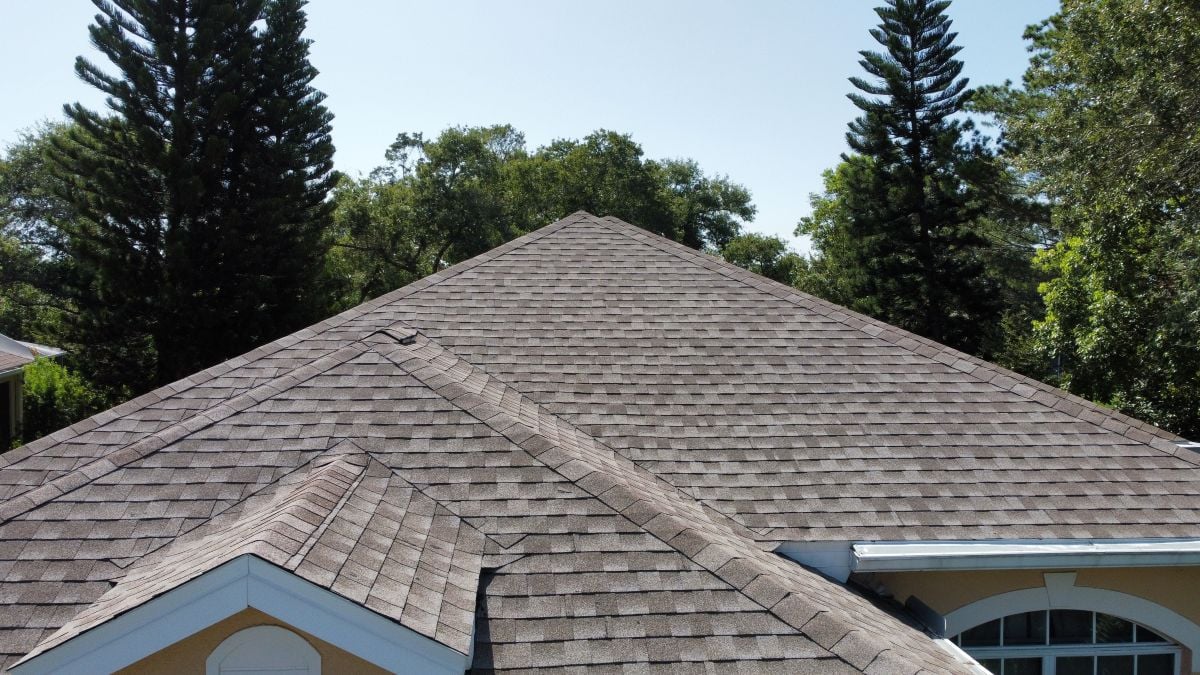
1. Shingles
These are the outermost, visible pieces of your roof and your first line of defense against the elements.
- Usually made from asphalt, metal, slate, or wood
- Protect against rain, snow, UV rays, and wind
- Come in different styles, colors, and lifespans
Common issue: Missing or curling shingles after storms in Indianapolis and surrounding areas
2. Roof Decking (Sheathing)
The solid surface underneath the shingles, usually made of plywood or OSB (oriented strand board).
- Supports the entire roofing system
- Holds nails for underlayment and shingles
- Must stay dry and free of rot for structural safety
Common issue: Water leaks that go undetected and rot the deck from the underside
3. Underlayment
A water-resistant or waterproof layer installed directly on top of the roof deck.
- Provides an extra barrier against moisture infiltration
- Required by code in most areas
- Usually made from felt or synthetic materials
Common issue: Torn or improperly installed underlayment during quick repairs
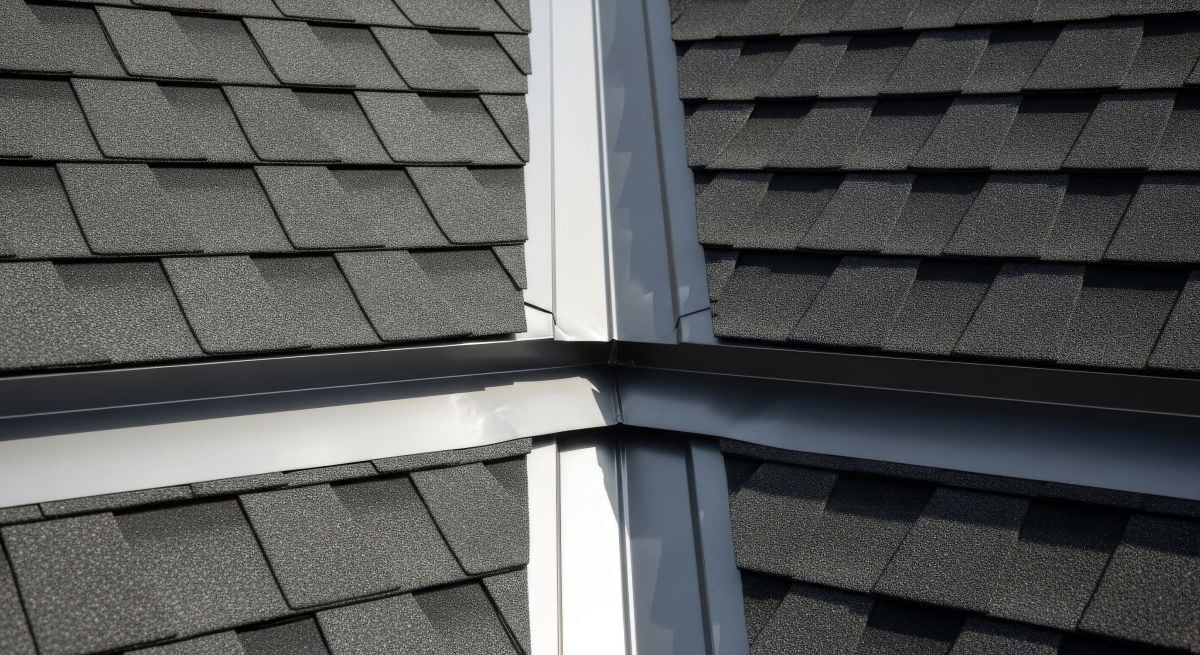
4. Flashing
Thin metal pieces placed around roof transitions and penetrations to redirect water.
- Found around chimneys, vents, skylights, and valleys
- Made from aluminum, copper, or galvanized steel
- Sealed with caulk or roof cement
Common issue: Cracked or loose flashing is a top cause of leaks in older homes
5. Drip Edge
Metal strips along the edges of the roof that direct water into the gutters.
- Prevents water from getting under shingles
- Protects fascia from rot
- Required by many local building codes
Common issue: Missing or improperly installed drip edge leading to moisture intrusion
6. Fascia
The vertical board that runs along the lower edge of the roof.
- Supports the bottom row of shingles and the gutter system
- Helps seal the roof edge
- Often made of wood or PVC
Common issue: Fascia rot due to clogged gutters or poor ventilation
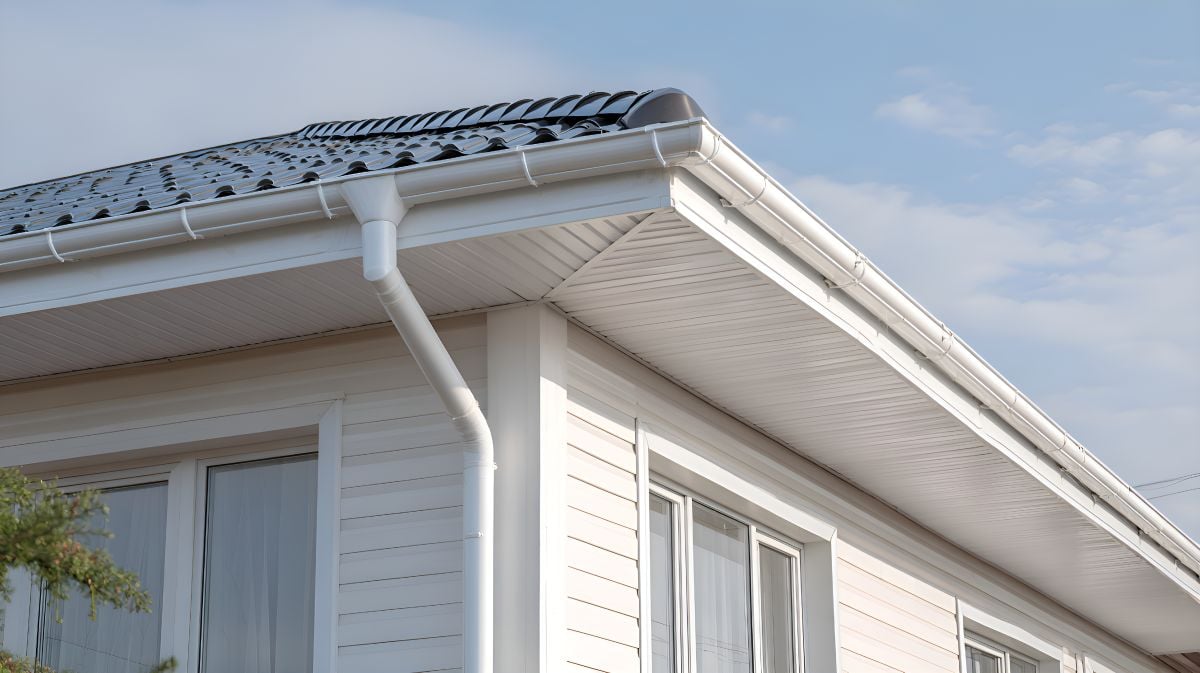
7. Soffit
The exposed underside of the roof eaves.
- Provides ventilation to the attic
- Helps regulate attic temperature and prevent moisture
- Usually made of vinyl, wood, or aluminum
Common issue: Insect or rodent intrusion through damaged soffits
8. Roof Vents
These allow air to circulate in and out of the attic space, preventing heat and moisture buildup.
- Ridge vents, static vents, and power vents are common types
- Help lower cooling costs and prevent ice dams
- Extend the life of your roof materials
Common issue: Blocked vents cause condensation, mold, and high energy bills
9. Valleys
The internal angles where two roof slopes meet, creating natural drainage channels.
- Must be carefully sealed with flashing or rolled roofing
- Handle a large amount of water flow during storms
- Can be open (metal-lined) or closed (shingled over)
Common issue: Valleys are high-risk leak zones, especially in aging or poorly maintained roofs
10. Gutters and Downspouts
While technically not part of the roof, these components play a critical role in overall performance.
- Channel water away from the foundation
- Prevent erosion, basement leaks, and siding damage
- Must be clear of debris to work properly
Common issue: Overflowing gutters lead to water seeping under shingles or into fascia

11. Ice and Water Shield (Optional but Valuable)
A peel-and-stick membrane installed in vulnerable areas for extra moisture protection.
- Used under shingles near eaves, valleys, and around penetrations
- Provides a waterproof seal beneath fasteners
- Common in cold climates like Indiana
Common issue: Skipping this layer in new installs can shorten roof lifespan, especially in snowy areas like Indianapolis
How All These Roof Components Work Together
No single part of a roof works alone. Every layer and piece contributes to the structure’s ability to shed water, handle wind, and keep your home comfortable year-round.
- Shingles protect but depend on underlayment and decking for strength
- Flashing and drip edge channel water where it should go—into gutters
- Vents and soffits manage airflow to prevent moisture damage from the inside out
- Gutters direct water away to protect your siding and foundation
A failure in one area often leads to problems in another. For example, if flashing fails, water can rot decking, which compromises shingles and insulation.
What Indianapolis Homeowners Should Watch For
Roofs in Indianapolis and surrounding areas face a unique combination of weather conditions that can wear down components faster than expected.
Regional Considerations:
- Heavy snow and ice in winter make ice dams and ridge ventilation essential
- Strong windstorms in spring and summer often dislodge shingles and flashing
- High humidity increases the risk of mold and condensation in the attic
- Tree coverage in many neighborhoods contributes to clogged gutters and moss growth
Homes built before 2000 may also lack modern underlayment or venting systems, making regular inspections even more important.
Tip:
If your home in Indianapolis is surrounded by trees or has complex rooflines with multiple valleys and dormers, schedule an annual inspection to stay ahead of hidden issues.
How to Spot Trouble Before It Spreads
Even if you can’t see every part of your roof, there are signs that indicate certain components might be failing.
- Water stains on ceilings or walls: Likely related to underlayment, flashing, or shingle damage
- Peeling paint near the roofline: Could point to soffit or fascia ventilation issues
- Sagging gutters: May indicate rotten fascia or heavy debris buildup
- Uneven rooflines: Could signal decking problems or structural movement
- Higher energy bills: Often tied to poor attic ventilation or wet insulation
When in doubt, a professional inspection can help isolate the problem and keep your roofing system working as a whole.
Don’t Wait for a Leak to Learn What’s on Your Roof
Your roof does more than cover your home—it’s a system of connected parts working to protect what matters most. Knowing the main components and how they work together helps you make smarter decisions about repairs, replacements, and maintenance. Whether you’re dealing with an aging roof or just trying to get ahead of problems, understanding the structure is your first step toward peace of mind.
At Maumee River Roofing, we’re here to make roofing simple for homeowners in Indianapolis and surrounding areas. If you’re seeing signs of damage or just want to know what condition your roof is in, contact us today for a thorough inspection or estimate. We’ll walk you through every layer—so you can protect every part of your home with confidence.