

Choosing the right roofing system for a low-slope or flat roof is one of the most consequential decisions a homeowner can make. Modified bitumen roofing has earned a strong reputation as a durable, weather-resistant option built to handle the freeze-thaw cycles and heavy precipitation common throughout the Midwest. If your home in Columbia City, IN and surrounding areas has a flat or low-pitch roof, understanding how this material works could save you time, money, and a lot of headaches down the road. Before diving in, it helps to have a solid foundation in your options for low-slope and flat applications so you can weigh the differences with confidence.
What you’ll learn in this guide:
- Why modified bitumen is a go-to choice for flat and low-slope roofs
- The five types of modified bitumen systems and how they differ
- Key factors that affect performance, longevity, and cost
- How modified bitumen stacks up against competing flat roof materials
- Signs your current flat roof may need attention
Why Modified Bitumen Is Worth Taking Seriously
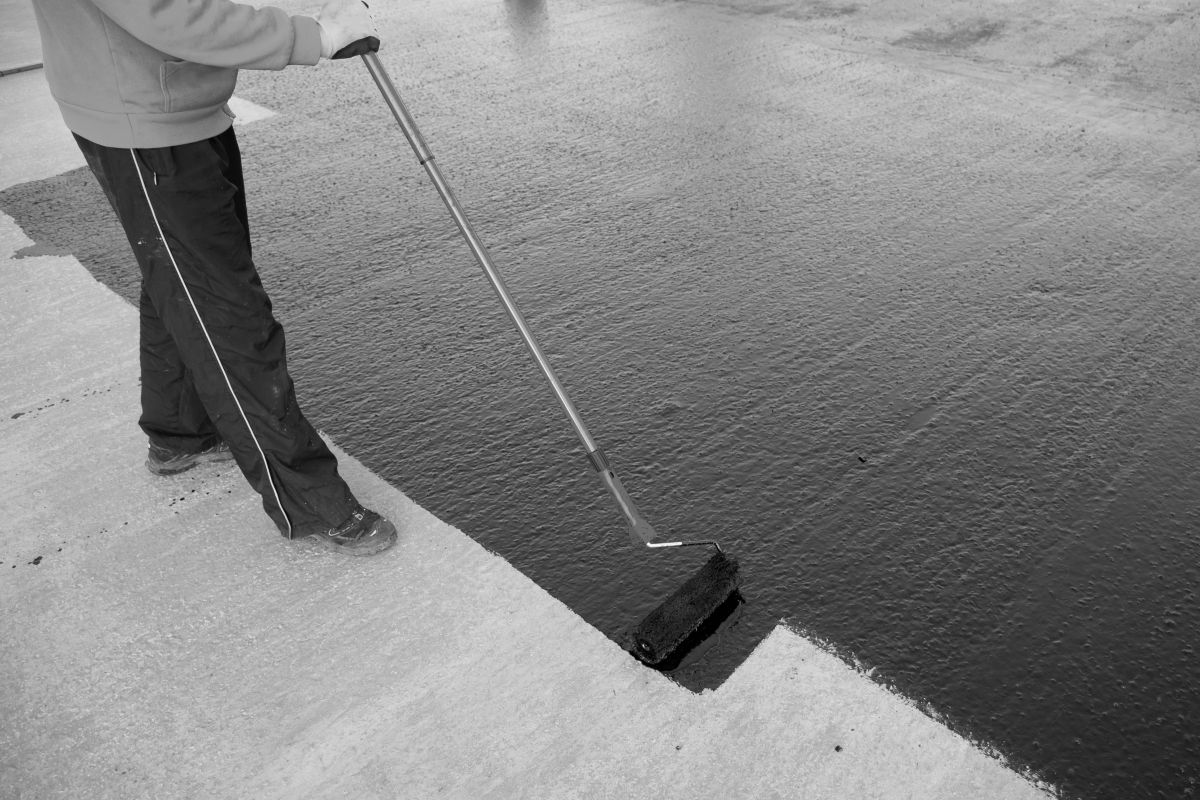
Not every roofing material is designed to handle the particular stresses that flat and low-slope roofs face. Standing water, UV exposure, dramatic temperature swings, and foot traffic from HVAC maintenance can all degrade a poorly chosen system quickly. Modified bitumen was specifically engineered to address these challenges, which is why contractors and roofing professionals have relied on it for commercial and residential applications alike for decades.
For homeowners in Columbia City, IN and surrounding areas, the performance advantages are particularly relevant given the region’s unpredictable weather patterns. Here is why this material stands out:
- Superior flexibility: The polymer modification process gives the membrane the ability to expand and contract without cracking, which is critical in climates that see extreme temperature variation between seasons.
- Multi-layer protection: Modified bitumen systems are typically installed in multiple plies, meaning water and debris must work through more than one barrier before reaching the roof deck below.
- Long service life: When properly installed and maintained, a quality modified bitumen roof can last 20 years or more, providing long-term value that offsets higher upfront costs compared to some alternatives.
- Proven track record: This system has been in use since the 1960s and has been refined considerably, meaning installers have deep institutional knowledge of best practices, common failure points, and repair techniques.
Beyond raw performance, modified bitumen is also valued because it is relatively straightforward for trained professionals to inspect and repair. Small punctures or seam separations can often be addressed without a full system replacement, which keeps lifecycle costs manageable over time.
5 Types of Modified Bitumen Systems Every Homeowner Should Understand
Modified bitumen is not a single product. It is a category of roofing membranes that share a common base material but differ significantly in their modification chemistry, installation methods, and performance characteristics. Understanding the distinctions helps you have a more informed conversation with your roofing contractor and ensures the system you choose is matched to your home’s specific conditions.
1. APP (Atactic Polypropylene) Modified Bitumen
APP membranes are modified with a plastic polymer that gives the finished sheet a hard, UV-resistant surface. These membranes are most commonly installed using a torch-applied method, where an open flame is used to melt and bond layers together. APP is known for excellent heat resistance and is a strong performer in regions with intense sun exposure. However, the torch application process requires a skilled technician and carries fire safety considerations that should be discussed with your contractor before work begins.
- Best for: Hot climates or roofs with significant sun exposure
- Common surface finishes: Granulated, foil-faced, or smooth
- Typical installation: Torch-applied
2. SBS (Styrene-Butadiene-Styrene) Modified Bitumen
SBS membranes are modified with a rubber-like polymer that gives them outstanding elasticity and low-temperature flexibility. This makes SBS an especially popular choice in colder climates like those found throughout Indiana, where the membrane needs to remain pliable during freezing winters without cracking or splitting. SBS can be installed using heat welding, cold adhesives, or self-adhering technology, offering contractors flexibility in their approach.
- Best for: Cold climates and roofs prone to thermal movement
- Common installation: Heat-welded, cold-applied, or self-adhered
- Key advantage: Rubber-like memory helps the material return to its original shape after stress
3. Granule-Surfaced Membranes
Whether the base is APP or SBS, many modified bitumen membranes come with a factory-applied mineral granule surface. The granules serve two purposes: they protect the bitumen from UV degradation, which would otherwise cause the material to dry out and crack prematurely, and they add a layer of impact resistance against hail, falling debris, and foot traffic. Granule-surfaced membranes are the most common cap sheet choice for residential applications.
4. Smooth-Surfaced Membranes
Smooth membranes are typically used as a base or ply layer beneath a granule-surfaced cap sheet rather than as a finished, exposed surface. They provide adhesion and waterproofing performance but lack the UV protection necessary for long-term exposure. When your contractor discusses a multi-ply system, smooth sheets are often the underlying layers that contribute structural reinforcement to the overall assembly.
5. Self-Adhered Modified Bitumen
Self-adhered systems use a factory-applied adhesive backing that bonds to the roof deck or substrate when a release liner is peeled away. These products eliminate the need for open flames or heat equipment on-site, which can reduce installation risk and simplify the process on certain structures. Self-adhered membranes have improved significantly in recent years and are now considered a viable option for both base and cap sheet applications on residential roofs throughout Columbia City, IN and surrounding areas.
Each of these systems has specific substrate requirements and installation conditions that affect how well the finished roof performs. A qualified roofing contractor will evaluate your existing deck, drainage conditions, and climate exposure before recommending the most appropriate system for your project.
Factors That Shape Performance and Longevity
Understanding the type of membrane is only part of the picture. Several additional factors determine whether your modified bitumen roof reaches its full service life or falls short of expectations. The decisions made during design, material selection, and installation all have lasting consequences for the roof’s durability and your peace of mind as a homeowner.
Deck Preparation and Slope
Even the best membrane will fail prematurely if the underlying roof deck is not clean, dry, and structurally sound before installation begins. Trapped moisture, soft spots, or delaminated decking create voids that prevent proper adhesion and allow the membrane to flex under loads it was never designed to handle. Additionally, flat roofs need at least a minimal slope, typically a quarter inch per foot, to promote drainage and prevent water from pooling in low spots for extended periods.
Seam Quality and Overlap Width
Seams are the most common source of water infiltration on any membrane roofing system. Proper overlap width, consistent heat or adhesive application, and thorough inspection of finished seams are non-negotiable elements of a quality installation. Cutting corners on seam work is the single fastest way to turn a 20-year roof into a 7-year problem.
Flashing and Penetration Details
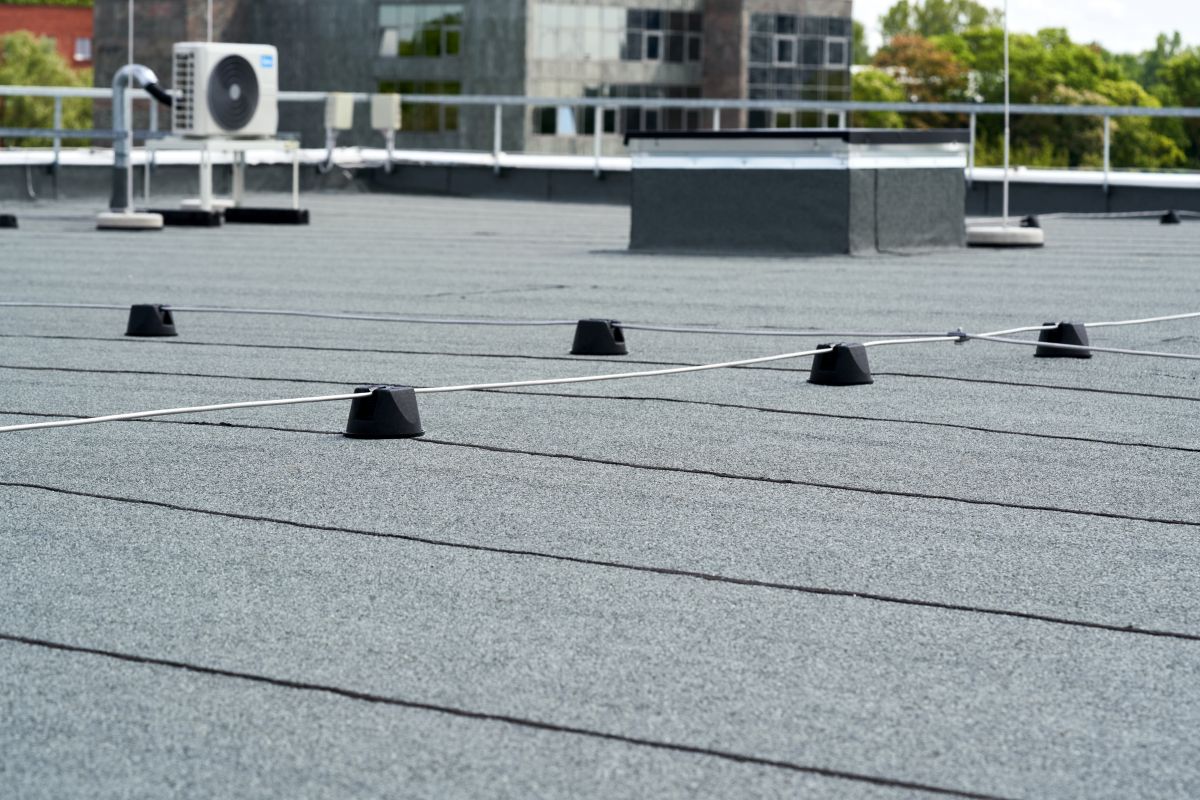
Every pipe stack, HVAC curb, skylight frame, and parapet wall represents a potential entry point for water if the transition between the membrane and these vertical surfaces is not handled correctly. Flashing details are where the craftsmanship of an experienced installer becomes most visible. Properly executed, these transitions are watertight for the life of the roof. Done poorly, they become a recurring maintenance headache.
Routine Maintenance
Modified bitumen roofs benefit from annual inspections, particularly after severe weather events. Debris that accumulates in drains or low spots can cause water to back up against flashings and seams, accelerating wear in those vulnerable areas. Catching small issues early, such as a separated seam corner or a minor puncture from hail, is far less expensive than allowing them to compound into a full system failure.
Modified Bitumen vs. Other Flat Roof Options
Homeowners considering a flat or low-slope roof replacement are likely weighing several competing systems. Modified bitumen is a strong contender, but it is not the only option on the market. Understanding how it compares to alternatives helps clarify whether it is the right fit for your home’s specific requirements and budget.
The comparison below covers the most commonly installed flat roof systems for residential applications:
| System | Lifespan | Flexibility in Cold | Repairability | Typical Cost Range |
| Modified Bitumen | 15-25 years | Excellent (SBS) | High | Moderate |
| TPO | 15-20 years | Good | Moderate | Moderate |
| EPDM (Rubber) | 20-30 years | Excellent | High | Moderate to High |
| Built-Up Roofing (BUR) | 15-30 years | Fair | High | Moderate to High |
| PVC | 20-30 years | Good | Moderate | High |
Modified bitumen occupies a practical middle ground: it delivers strong cold-weather performance, excellent repairability, and a lifespan that competes with more expensive options. For many homeowners in Columbia City, IN and surrounding areas, the combination of proven durability and accessible maintenance makes it the most sensible long-term investment for their flat roof needs. That said, a site evaluation from a knowledgeable contractor is always the most reliable way to confirm which system will perform best given your specific roof conditions.
Protect Your Home With the Right Flat Roof Partner
Modified bitumen roofing is a dependable, long-lasting solution for flat and low-slope roofs, but the material only performs as well as the installation behind it. Getting it right requires the right system for your conditions, proper deck preparation, and watertight flashing details throughout. At Maumee River Roofing, we bring the hands-on expertise to make that happen. Contact us today to schedule a professional evaluation and get honest answers from a team that puts your home first.