

Choosing between a metal roof vs shingles is one of the most important decisions homeowners make when it comes to protecting their property. Each roofing type offers unique advantages, but Indiana’s unpredictable weather makes the choice even more critical. From heavy snow and spring storms to summer heat, your roof needs to handle it all. Understanding how the two materials perform in real conditions helps you make a confident, long-term investment.
In this guide, you’ll learn:
- The key differences between metal roofs and shingles
- How each performs in Indiana’s challenging climate
- What factors to consider before choosing your roof type
- Which roofing option offers the best long-term value
Why Your Roofing Choice Matters in Indiana
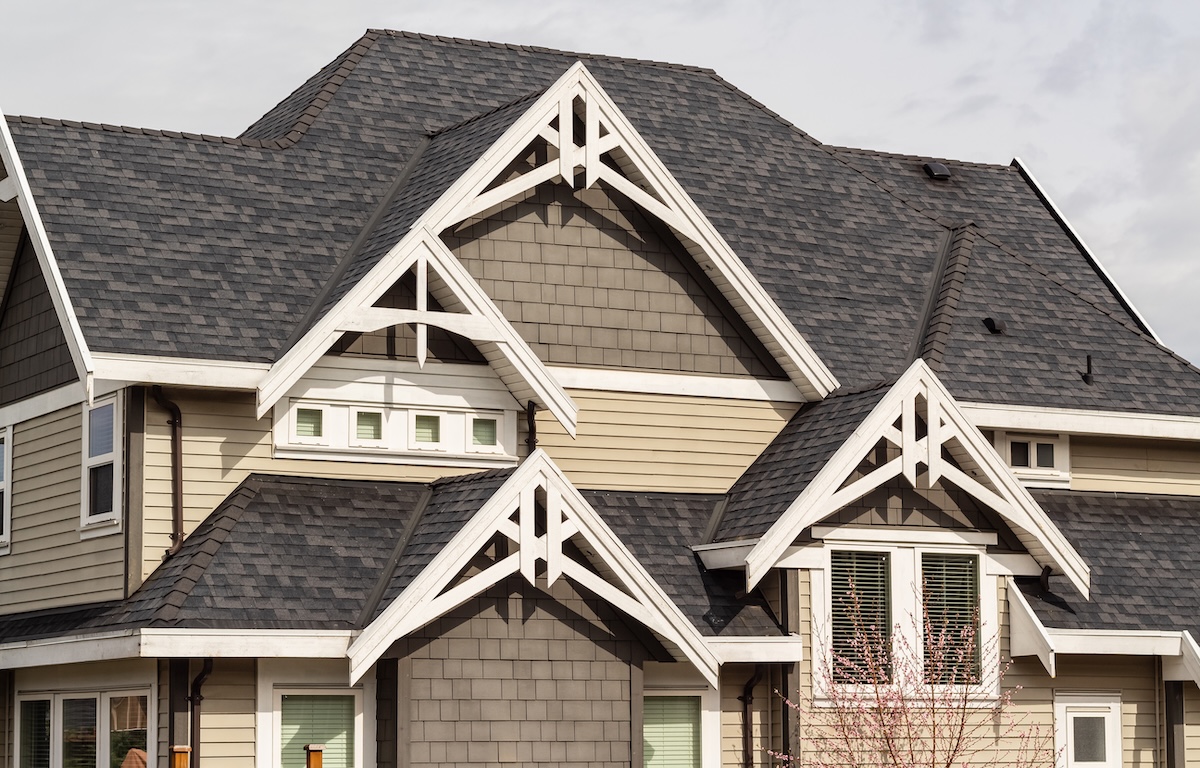
Indiana homeowners face a mix of weather extremes—heavy snow, strong winds, high humidity, and occasional hail. A roofing material that performs well in mild climates may struggle under these conditions. That’s why understanding the pros and cons of each option is essential before committing.
- Durability and Longevity: The right roof should protect your home for decades, not just years.
- Energy Efficiency: Materials that reflect sunlight can help reduce your utility bills during the summer months.
- Weather Resistance: Indiana’s seasonal storms demand strong materials that can resist wind, rain, and snow.
- Curb Appeal: A new roof changes your home’s appearance, affecting both beauty and resale value.
- Maintenance Needs: The less time and money spent on upkeep, the better your long-term return.
In Noblesville and surrounding areas, homeowners often find themselves comparing metal roofs and shingles to strike the right balance between cost, durability, and style.
5 Key Differences Between Metal Roofs and Shingles
While both metal and shingle roofs can protect your home effectively, their composition, performance, and lifespan vary greatly. Below is a breakdown of the main differences that help homeowners decide which system best fits their needs.
1. Longevity and Durability
One of the biggest distinctions between the two roofing types is lifespan.
Metal Roofing:
- Typically lasts 40–70 years with minimal maintenance.
- Resistant to cracking, rotting, and insect damage.
- Handles high winds, hail, and heavy snow exceptionally well.
Asphalt Shingles:
- Average lifespan of 15–25 years depending on quality.
- Can be damaged by extreme temperature shifts or high winds.
- Requires periodic inspections and occasional replacements.
Verdict: Metal roofing provides long-term value and outlasts asphalt by several decades.
2. Cost and Installation
Upfront cost is often the deciding factor for many homeowners.
Metal Roofing:
- Installation costs range from $8 to $15 per square foot (including labor).
- Higher upfront investment but fewer replacements over time.
- Requires skilled installers familiar with metal systems.
Asphalt Shingles:
- Installed for roughly $4 to $7 per square foot.
- Lower upfront cost but shorter lifespan means future replacements.
- Easier and quicker to install.
Verdict: Shingles are more affordable upfront, but metal roofs offer better long-term savings due to longevity and reduced maintenance.
3. Energy Efficiency
Energy efficiency plays a key role in managing comfort and cost, especially during Indiana’s hot summers.
Metal Roofing:
- Reflects solar radiation, keeping attics cooler.
- Reduces HVAC workload, lowering energy bills.
- Compatible with energy-efficient coatings and solar panels.
Asphalt Shingles:
- Absorb more heat, which can increase indoor temperatures.
- Energy performance depends on color and ventilation setup.
Verdict: Metal roofing wins for energy efficiency, making it an excellent choice for homeowners focused on sustainability and savings.
4. Weather Performance
Indiana’s weather can fluctuate quickly—snowstorms one season and high winds the next.
Metal Roofing:
- Withstands winds up to 140 mph depending on the panel system.
- Sheds snow easily due to its smooth surface.
- Fire-resistant and impervious to moisture infiltration.
Asphalt Shingles:
- Performs well in moderate climates but can lose granules over time.
- May warp, crack, or blow off during severe storms.
- Some shingle types offer algae resistance for humid areas.
Verdict: Metal roofing is more resilient to Indiana’s climate extremes and requires less upkeep over time.
5. Aesthetics and Design Variety
Both roofing options have evolved dramatically in style, offering homeowners more visual flexibility than ever before.
Metal Roofing:
- Available in standing seam panels, shingles, and tile profiles.
- Comes in a wide variety of colors and finishes.
- Modern designs complement both contemporary and traditional homes.
Asphalt Shingles:
- Offers diverse color ranges and architectural textures.
- Mimics high-end looks like slate or cedar without high costs.
- Works well for classic or suburban-style homes.
Verdict: Both options offer strong aesthetic appeal, but metal provides more modern, customizable looks.
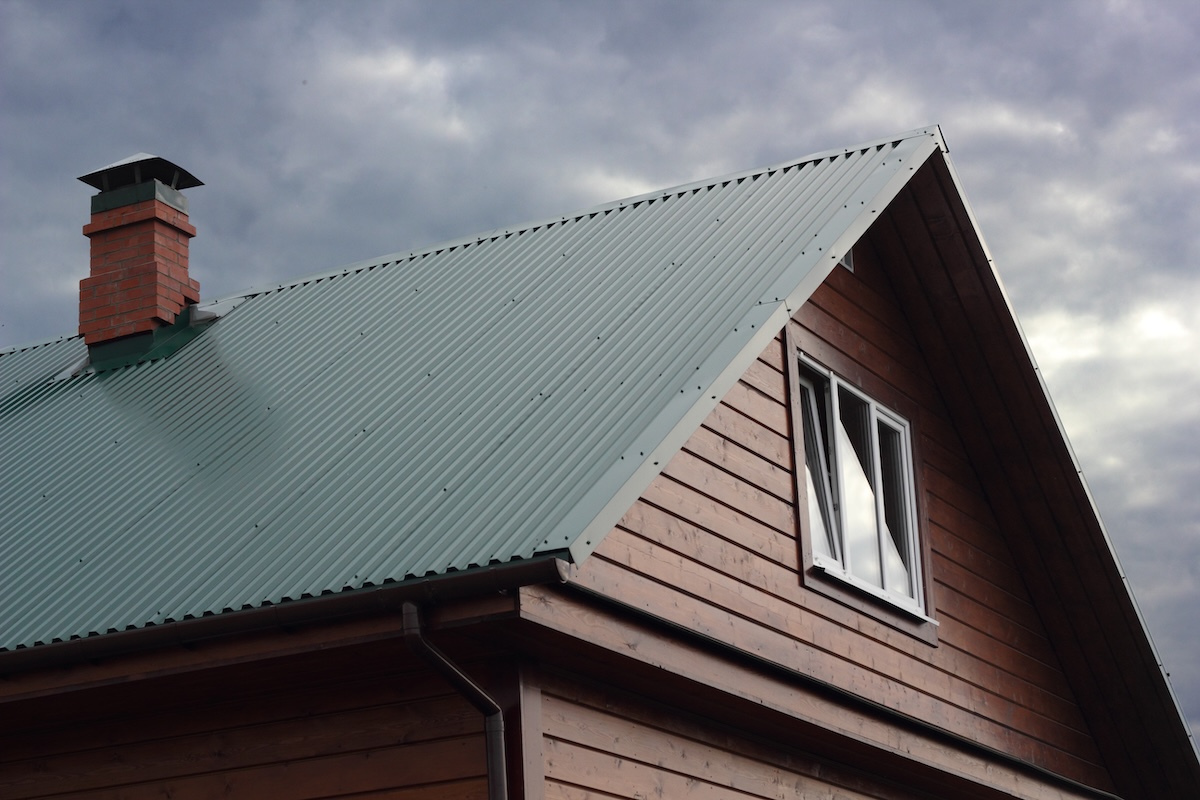
How Metal and Shingle Roofs Compare in Indiana Conditions
Every region has its challenges, and roofing materials perform differently depending on climate. Here’s how both materials hold up under Indiana’s weather year-round.
| Weather Condition | Metal Roofing Performance | Asphalt Shingle Performance |
| Heavy Rain | Excellent drainage, rust-resistant coatings | Good protection, but prone to granule loss over time |
| Snow & Ice | Sheds snow easily, prevents ice dams | Can trap moisture and freeze, leading to leaks |
| High Winds | Panels interlock to resist uplift | May blow off in severe storms |
| Hail | Resistant to dents and punctures | Can crack or lose surface granules |
| Heat & Sun | Reflects UV rays, stays cooler | Absorbs heat, can degrade faster |
| Fire Resistance | Non-combustible material | Moderate protection, some products rated Class A |
For homes in Noblesville and surrounding areas, where all of these weather conditions occur annually, metal roofs clearly outperform shingles in terms of durability and efficiency.
Cost Breakdown: Metal Roof vs Shingles
Understanding both the upfront and lifetime costs helps homeowners budget realistically.
| Factor | Metal Roof | Asphalt Shingles |
| Average Installation Cost | $8–$15 per sq. ft. | $4–$7 per sq. ft. |
| Lifespan | 40–70 years | 15–25 years |
| Maintenance Needs | Minimal | Moderate |
| Replacement Frequency | Rare | Every 15–20 years |
| Energy Efficiency | High | Medium |
| Insurance Discounts | Often available | Limited |
| Overall ROI | High | Moderate |
Although metal roofing requires a higher initial investment, the reduced maintenance and energy savings often offset that cost within the first decade.
Maintenance and Longevity Considerations
Both roofing systems require attention over time, but the amount of care needed varies.
Metal Roofing Maintenance
- Annual inspections for loose fasteners or sealant wear.
- Simple cleaning with mild detergent and water.
- Occasional repainting after decades of exposure.
Asphalt Shingle Maintenance
- Semi-annual inspections for lifted, curled, or missing shingles.
- Cleaning moss, algae, or debris buildup.
- Replacing damaged sections after strong storms.
Metal’s low-maintenance nature appeals to busy homeowners who want a “set it and forget it” solution that lasts for generations.
Environmental Impact and Sustainability
Sustainability plays an increasingly important role in roofing decisions.
- Metal Roofs: Typically contain 25–95% recycled materials and are 100% recyclable at the end of their life. They’re ideal for eco-friendly homes or those adding solar systems.
- Asphalt Shingles: Made from petroleum-based products and are difficult to recycle due to adhesive layers. Disposal often adds to landfill waste.
Homeowners seeking environmentally responsible solutions often lean toward metal roofing for its longevity and recyclability.
Sound, Comfort, and Insulation Factors
A common misconception about metal roofs is that they’re loud during rainstorms. In reality, proper installation solves this completely.
Metal Roofs:
- Installed over solid decking and insulation, reducing sound levels.
- Reflect heat in summer and insulate efficiently when paired with proper underlayment.
Shingle Roofs:
- Naturally quiet during rainfall.
- Insulate well but can trap heat in poorly ventilated attics.
Both materials can deliver excellent comfort when installed correctly, though metal roofs provide an energy advantage through reflective coatings.
How to Choose the Right Roofing for Your Home
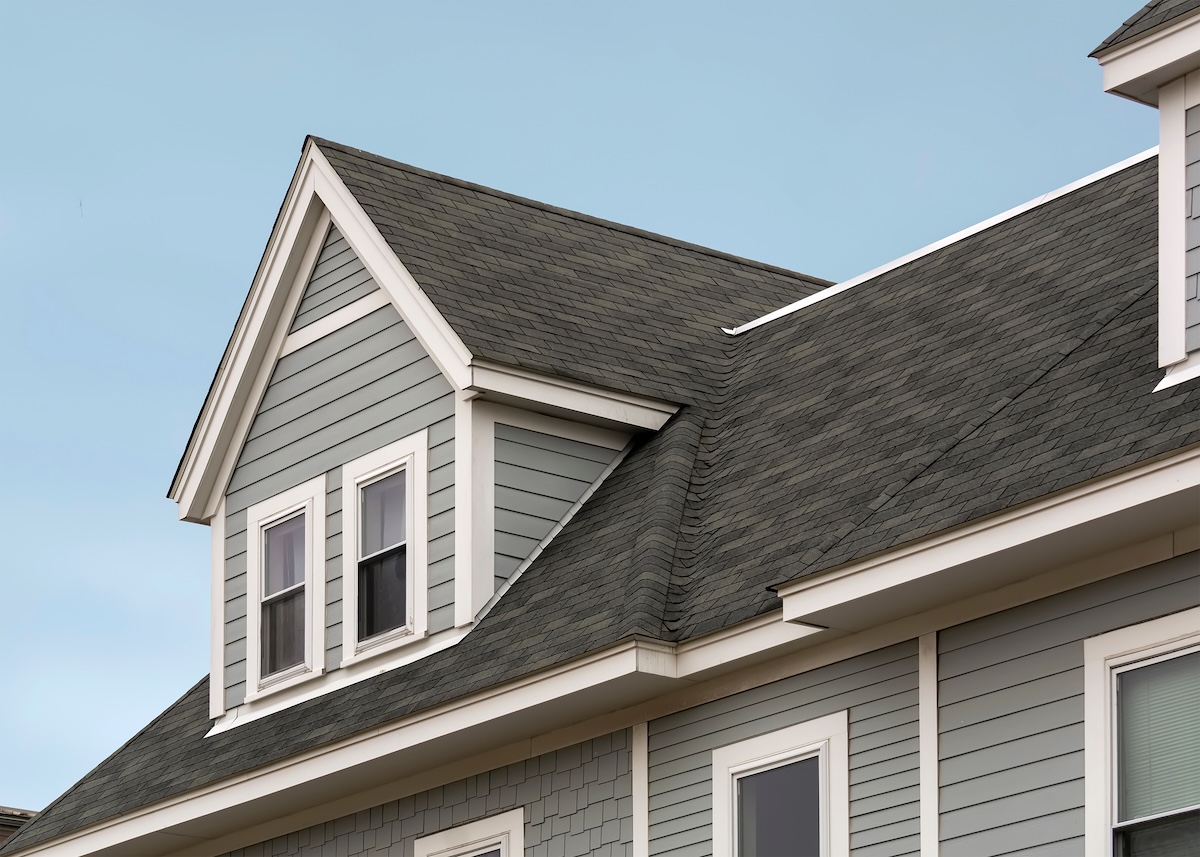
Selecting between a metal roof and shingles depends on more than just budget—it’s about your goals, home design, and long-term plans.
Ask Yourself:
- How long do I plan to stay in this home?
- Do I prioritize upfront savings or long-term value?
- Is my roof exposed to heavy snow or high winds?
- Do I prefer modern or traditional aesthetics?
- How much maintenance am I willing to do?
If you plan to live in your home for decades or want to minimize future repairs, metal roofing provides better long-term performance. If you’re looking for affordability and simplicity, shingles may fit your current needs.
Which Roofing Type Is Best for Indiana Homes?
Both materials have their strengths, but for Indiana’s climate, metal roofing provides a clear performance edge. It resists storms, reflects heat, and lasts for generations—all while offering stunning curb appeal. Shingles remain a reliable and cost-effective choice for homeowners seeking flexibility and affordability in the short term.
- Best For Long-Term Durability: Metal Roofing
- Best For Budget-Friendly Replacement: Asphalt Shingles
- Best For Energy Efficiency: Metal Roofing
- Best For Traditional Appearance: Asphalt Shingles
Ultimately, your decision should align with your goals for comfort, appearance, and investment value.
Choose a Roof That Performs Year-Round
Whether you’re upgrading to a modern metal roof or replacing worn-out shingles, your roof should deliver lasting protection, beauty, and value. Indiana weather can be unpredictable, but the right roofing system makes all the difference.
At Maumee River Roofing, we help homeowners in Noblesville and surrounding areas choose and install roofs designed for performance, efficiency, and long-term peace of mind. Our expert team provides transparent estimates, premium materials, and workmanship you can trust.
Ready to compare materials for your next roof? Contact us today to schedule a consultation with Maumee River Roofing and discover which option best suits your home.