

A metal roof can last for decades, but without proper airflow underneath, even the best materials may fail earlier than expected. Metal roof ventilation plays a major role in controlling moisture, regulating attic temperatures, and protecting the overall structure of your home. Homeowners researching roof performance often explore long-lasting metal roofing systems designed for durability while learning how ventilation affects energy efficiency and long-term protection.
In this guide, you will learn:
- Why ventilation is critical for metal roofing systems
- How poor airflow can shorten roof lifespan
- The most common types of roof ventilation systems
- Warning signs of inadequate attic ventilation
- How ventilation affects energy efficiency and moisture control
- What homeowners in Noblesville and surrounding areas should know before installing a metal roof
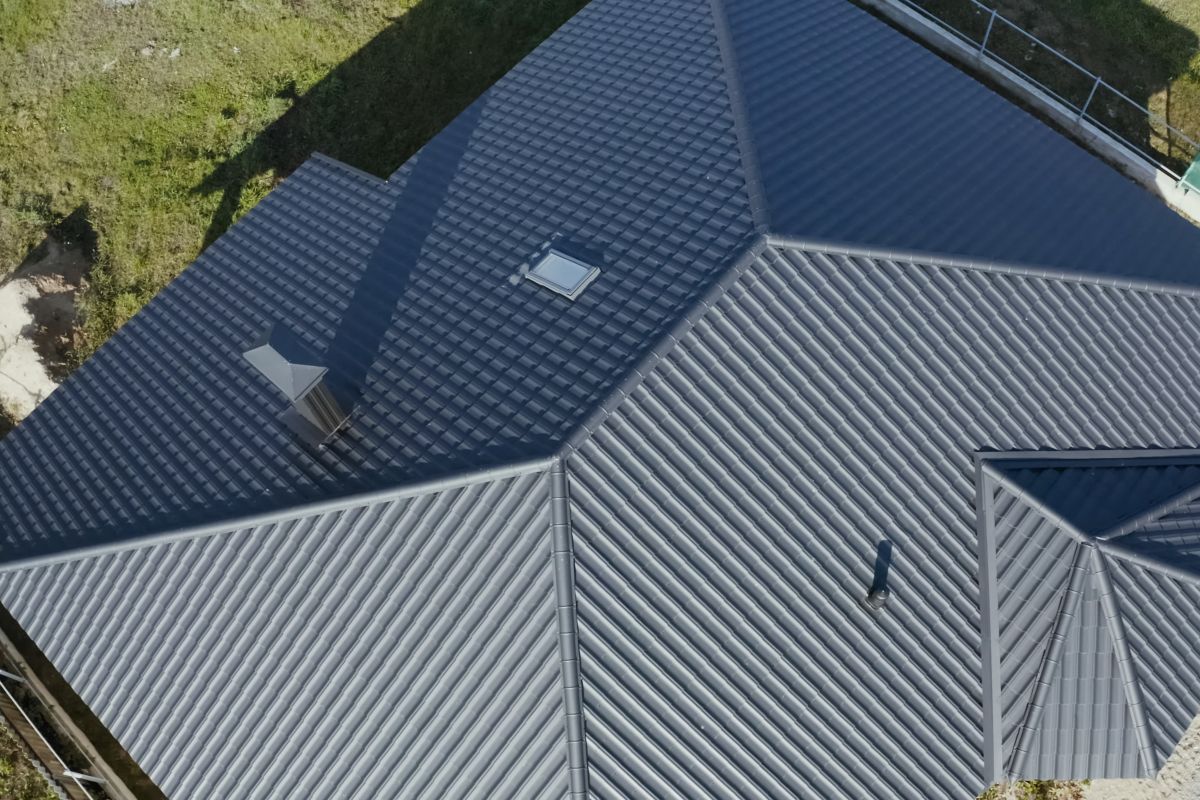
Why Proper Ventilation Is Essential for a Healthy Metal Roof
Many homeowners focus on roofing materials, color choices, and curb appeal while overlooking one of the most important components of roof performance: ventilation. A properly ventilated roofing system allows air to circulate through the attic, helping regulate temperature and moisture levels year-round.
Without sufficient ventilation, heat and humidity become trapped beneath the roof surface. Over time, that trapped moisture can contribute to mold growth, wood rot, insulation damage, and premature roofing deterioration. Metal roofs are highly durable, but they still depend on balanced airflow to perform properly over the long term.
Proper roof ventilation offers several major benefits:
- Moisture Control: Ventilation reduces condensation that may damage decking and insulation.
- Longer Roof Lifespan: Balanced airflow helps minimize thermal stress and material deterioration.
- Energy Efficiency: Proper ventilation lowers attic temperatures and reduces cooling strain during summer.
- Ice Dam Prevention: Ventilation helps maintain consistent roof temperatures during winter weather.
- Indoor Comfort: Better attic airflow contributes to more stable indoor temperatures throughout the home.
For homes in Noblesville and surrounding areas, where summers can be humid and winters bring freezing temperatures, ventilation is especially important for maintaining long-term roof performance.
9 Reasons Metal Roof Ventilation Can Make or Break Roof Lifespan
Ventilation affects far more than attic comfort. It directly influences how well a roofing system resists moisture damage, handles temperature changes, and performs during severe weather conditions.
Understanding these nine key reasons helps homeowners recognize why ventilation should never be treated as an afterthought.
1. Ventilation Helps Prevent Moisture Buildup
Warm indoor air naturally rises into attic spaces. Without proper airflow, that moisture-laden air can become trapped beneath the roof structure.
Over time, condensation may form on the underside of the roof decking and framing materials. This hidden moisture can eventually cause serious structural damage.
Common problems linked to poor moisture control include:
- Mold and mildew growth
- Wood rot
- Damaged insulation
- Rusted fasteners
- Interior ceiling stains
Metal roofs themselves resist moisture well, but the surrounding roof system still requires ventilation to stay dry.
2. Proper Airflow Reduces Heat Accumulation
Attic temperatures can rise dramatically during summer months when ventilation is inadequate. Excessive heat buildup increases stress on roofing components and may raise cooling costs inside the home.
Ventilation systems help move hot air out of the attic while drawing cooler outside air inward.
Benefits of reduced attic heat include:
- Lower energy consumption
- Less strain on HVAC systems
- Improved indoor comfort
- Reduced thermal expansion stress
This becomes especially important during hot Indiana summers.
3. Ventilation Helps Extend Roof Lifespan
Extreme heat and trapped moisture both accelerate roofing deterioration. Over time, these conditions can weaken underlayment materials, fasteners, decking, and structural framing.
Balanced attic airflow helps reduce long-term wear on the entire roofing system.
A properly ventilated metal roof may experience:
- Less panel stress
- Reduced corrosion risk
- Improved coating longevity
- Fewer moisture-related repairs
Homeowners investing in premium roofing systems want those materials to reach their full expected lifespan.
4. Ventilation Improves Energy Efficiency
Many homeowners are surprised by how much attic ventilation affects heating and cooling costs. Hot attic spaces force air conditioning systems to work harder during warm weather.
Proper ventilation helps maintain more stable indoor temperatures by reducing excessive attic heat buildup.
Energy-saving benefits may include:
- Lower cooling bills
- Improved HVAC efficiency
- Reduced attic temperatures
- Better insulation performance
Homes in Noblesville and surrounding areas often experience noticeable comfort improvements after ventilation upgrades.
5. Proper Ventilation Helps Prevent Ice Dams
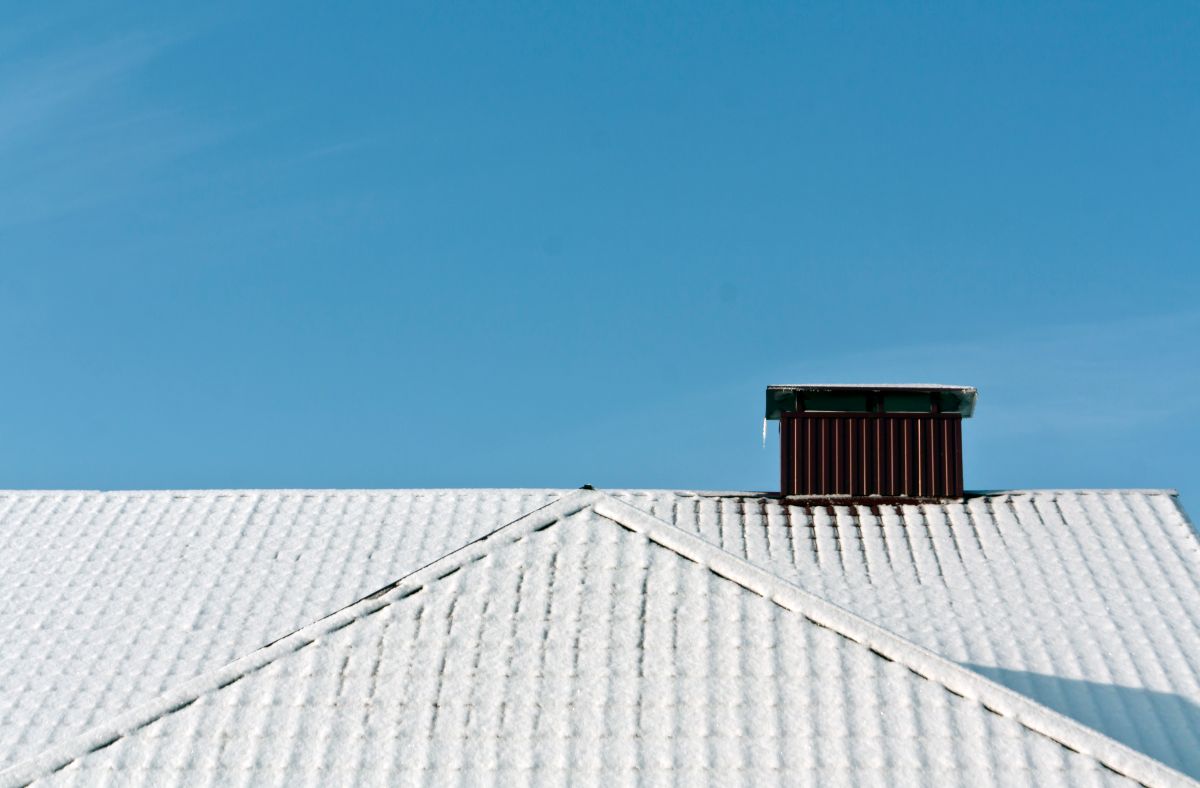
During winter, poor attic ventilation may allow warm air to collect beneath the roof deck. That heat can melt snow unevenly, causing water to refreeze near roof edges.
This process creates ice dams that trap water beneath roofing materials.
Ice dams may lead to:
- Roof leaks
- Gutter damage
- Water intrusion
- Interior ceiling damage
- Insulation deterioration
Balanced intake and exhaust ventilation helps maintain more consistent roof temperatures during freezing conditions.
6. Ventilation Protects Insulation Performance
When attic moisture accumulates, insulation may absorb water and lose effectiveness. Wet insulation cannot regulate indoor temperatures properly and may contribute to rising utility costs.
Ventilation helps insulation remain dry and functional throughout the year.
Healthy insulation performance supports:
- Better indoor comfort
- Lower energy costs
- Improved moisture resistance
- Reduced HVAC strain
Protecting attic insulation also helps extend the overall lifespan of the roofing system.
7. Ventilation Reduces the Risk of Mold Growth
Mold thrives in warm, damp environments with poor airflow. Attics with inadequate ventilation may develop hidden mold colonies that spread into surrounding materials over time.
Proper airflow helps reduce the moisture conditions mold requires to grow.
Potential warning signs include:
- Musty attic odors
- Dark staining on wood
- Increased indoor allergy symptoms
- Visible fungal growth
Addressing ventilation problems early helps reduce long-term health and structural concerns.
8. Proper Ventilation Supports Roof Warranty Requirements
Some roofing manufacturers require adequate attic ventilation for warranty coverage to remain valid. Improper airflow may contribute to premature material failure that manufacturers consider preventable.
Professional roofing contractors evaluate ventilation systems carefully during installation projects.
Proper ventilation documentation may help:
- Maintain manufacturer warranty protection
- Support long-term roofing performance
- Reduce avoidable repair costs
- Improve installation quality standards
Homeowners should always ask contractors how ventilation impacts warranty coverage.
9. Ventilation Helps Metal Roofs Handle Temperature Expansion
Metal roofing systems naturally expand and contract as temperatures change throughout the day and across seasons. Without proper attic airflow, excessive heat buildup may increase thermal movement stress on panels and fasteners.
Over time, this repeated expansion and contraction can contribute to:
- Fastener loosening
- Panel movement
- Increased noise during temperature shifts
- Premature sealant wear
- Stress on flashing components
Balanced ventilation helps moderate attic temperatures and reduce excessive thermal strain on the roofing system.
Common Types of Metal Roof Ventilation Systems
Not all ventilation systems function the same way. The best setup depends on roof design, attic size, insulation levels, and overall airflow balance.
Understanding the most common ventilation options helps homeowners make more informed decisions.
Ridge Vents
Ridge vents are installed along the roof peak and allow warm attic air to escape naturally.
Advantages include:
- Continuous airflow along the roof ridge
- Low-profile appearance
- Balanced ventilation performance
- Effective passive airflow
Ridge vents are commonly paired with soffit vents for balanced intake and exhaust circulation.
Soffit Vents
Soffit vents are installed beneath roof overhangs and allow cooler outside air to enter the attic.
These vents help create consistent airflow throughout the attic space.
Benefits include:
- Improved intake ventilation
- Reduced moisture buildup
- Better temperature balance
- Increased ventilation efficiency
Proper soffit ventilation is essential for many ridge vent systems to work effectively.
Gable Vents
Gable vents are installed near the peaks of exterior walls and help move air through attic spaces.
They are often used in combination with other ventilation systems.
Powered Attic Fans
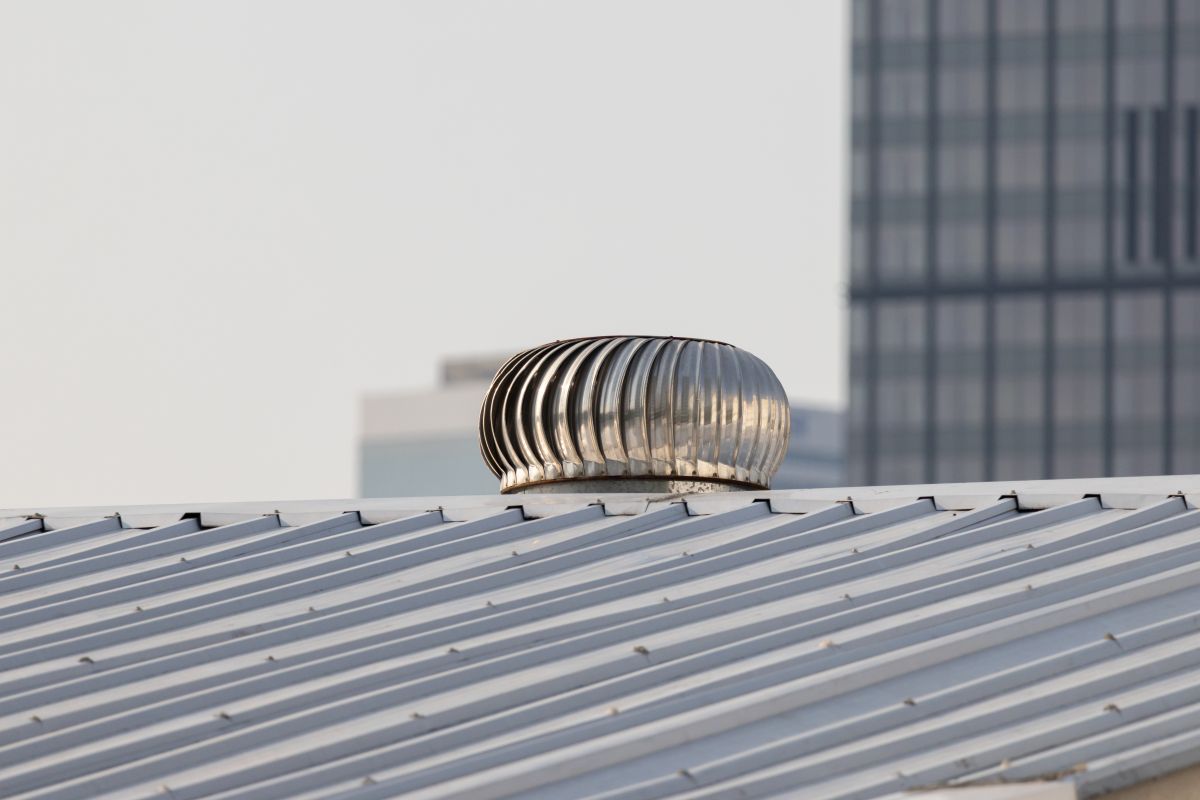
Powered fans actively remove hot attic air using electric motors or solar energy.
While effective in some situations, they must be sized properly to avoid creating pressure imbalances.
Signs Your Metal Roof May Have Ventilation Problems
Ventilation issues are not always obvious from the outside. In many cases, the warning signs first appear inside the attic or home itself.
Homeowners should watch for several common indicators.
Excessive Attic Heat
If the attic becomes extremely hot during summer, ventilation may be insufficient.
Poor airflow often causes indoor temperatures to rise as well.
Condensation or Frost
Visible condensation beneath the roof deck during colder months may indicate trapped humidity.
In winter, frost buildup in the attic is a serious warning sign of poor ventilation.
Mold or Mildew Odors
Musty smells in the attic often point to excessive moisture accumulation.
Early detection can help prevent larger structural problems.
Peeling Paint or Water Stains
Interior paint damage or ceiling stains may result from moisture-related ventilation issues.
These signs should always be investigated promptly.
Choosing the Right Ventilation Strategy for Your Home
Every roofing system has unique ventilation requirements. Roof shape, attic size, insulation levels, and climate conditions all influence the best approach.
Professional roofing contractors evaluate airflow balance carefully before recommending ventilation upgrades.
Important Factors to Consider
| Ventilation Factor | Why It Matters |
| Roof Size | Larger roofs require greater airflow capacity |
| Attic Layout | Complex attic spaces may need additional ventilation points |
| Insulation Levels | Proper insulation works together with ventilation |
| Local Climate | Humidity and temperature swings impact ventilation needs |
| Roof Design | Steeper or more complex roofs may require customized airflow solutions |
Homes in Noblesville and surrounding areas often benefit from balanced ridge and soffit ventilation systems because of the region’s changing seasonal conditions.
Why Professional Evaluation Matters
Ventilation problems are often more complicated than homeowners realize. Simply adding more vents does not always solve airflow issues and may sometimes create imbalances.
Professional roofing specialists can evaluate:
- Existing airflow performance
- Insulation conditions
- Moisture levels
- Vent placement
- Intake and exhaust balance
A properly designed system helps maximize roof performance while protecting the home’s structure.
Protect Your Roof With Proper Ventilation
Metal roof ventilation plays a critical role in protecting your home from moisture damage, excessive heat, mold growth, and premature roofing deterioration. Even the highest-quality metal roofing system depends on balanced attic airflow to perform properly over the long term. Investing in proper ventilation today can help extend roof lifespan, improve energy efficiency, and reduce costly repair risks in the future.
If you are planning a new metal roof or suspect ventilation problems in your current system, the team at Maumee River Roofing can help evaluate your home’s needs. Whether you need an inspection, ventilation upgrades, or a full roofing project in Noblesville and surrounding areas, contact us today to schedule a consultation with Maumee River Roofing.