

The ridge is the highest and most exposed point on any metal roof, making it the most vulnerable spot for leaks, wind damage, and heat loss. A properly installed metal roof ridge cap is what stands between a tight, weatherproof system and the costly problems that come from water infiltrating your home at the peak. Whether you’re planning a new roof installation or evaluating an existing one, understanding how ridge caps work and what proper installation looks like is essential. Homeowners who want lasting results should explore durable roofing options built to handle Indiana’s weather year-round before making any decisions.
What you’ll learn:
- What a metal roof ridge cap is and why it is critical to roof performance
- The most important installation steps that determine whether a ridge cap seals correctly
- Common mistakes that lead to premature ridge cap failure
- How to choose the right ridge cap material and ventilation approach
- What to look for when evaluating an existing ridge cap installation
The Role the Ridge Cap Plays in Your Entire Roof System
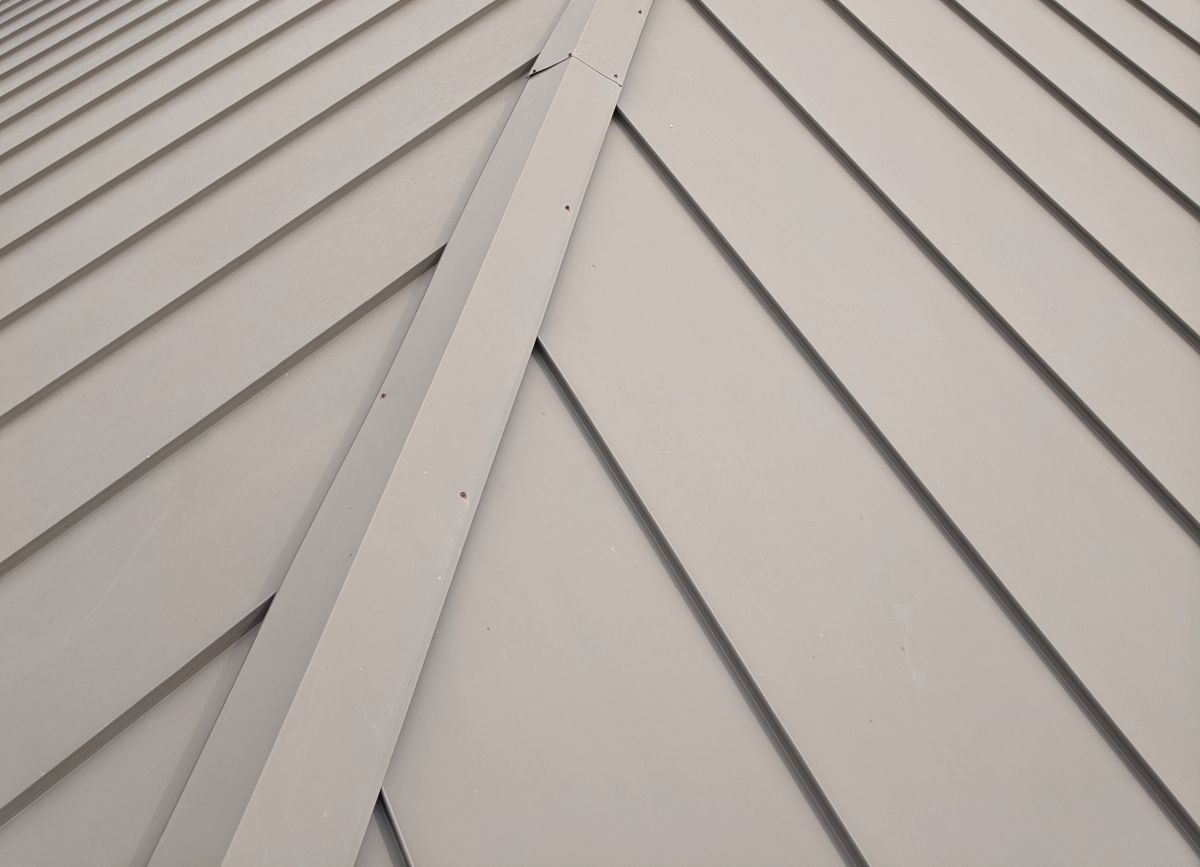
Most homeowners think of a ridge cap as a finishing detail, but it is actually a functional component that ties the entire roof system together. Without a properly sealed ridge, even a perfectly installed field panel system can allow wind-driven rain, insects, and conditioned air to pass through the peak of the roof. In climates like Auburn, IN and surrounding areas, where winters bring ice, wind, and freeze-thaw cycles, an improperly sealed ridge cap can allow ice damming and moisture infiltration that damages insulation, framing, and interior finishes. One of the often-overlooked advantages of metal ridge caps is their superior durability and virtually no required maintenance over decades, making proper installation an investment that pays off for the life of the roof.
- Leak prevention: The ridge is the highest point water runs toward on each slope, and any gap or improper overlap at the peak creates a direct entry point for moisture.
- Wind resistance: A properly fastened metal ridge cap can withstand wind-driven rain up to 110 mph, which is especially important during severe storm events in Indiana.
- Ventilation control: Many ridge cap systems incorporate ventilation strips that allow hot air to escape the attic while keeping rain and pests out, improving energy efficiency year-round.
- System integrity: The ridge cap locks the top edges of field panels in place, preventing movement and reducing the risk of panel creep or separation over time.
Understanding these functions makes it clear why installation quality at the ridge matters just as much as the quality of the panels themselves.
6 Installation Tips for a Proper Ridge Cap Seal
Getting a ridge cap installation right is not just about placing a piece of metal over the peak and fastening it down. Each step in the process contributes to the long-term watertight performance of the roof. Here are the six most important installation tips that separate a lasting seal from one that will cause problems within a few years.
1. Start With a Clean, Aligned Ridge Board
Before any ridge cap material goes on, the underlying ridge board or structural support must be straight, properly aligned, and free of debris or protruding fasteners. A ridge cap that sits on an uneven surface cannot form a tight seal along its full length, leaving gaps that water and wind will exploit.
- Use a chalk line to verify straightness across the full ridge length
- Address any high or low spots in the decking or framing before proceeding
2. Install Proper Foam Closure Strips
Foam closure strips are one of the most overlooked components in a metal roof ridge cap installation. These pre-formed foam pieces are shaped to match the profile of the roofing panel, filling the gaps between the top of the field panels and the underside of the ridge cap. There are two types: solid closures, made from dense foam, block airflow entirely where a sealed barrier is needed, while vented closures allow air movement and come in 50-foot rolls for easy installation along longer ridge runs. Without either type properly in place, air, insects, and water have clear pathways into the roof assembly.
- Use profile-specific closures that match your exact panel profile for a tight fit
- Install closure strips on both sides of the ridge before placing the cap
- Check for gaps or compressed areas after placement and replace any damaged foam
3. Overlap Panels in the Correct Direction
When ridge cap sections must be joined along a long ridge run, the direction of overlap matters significantly. Ridge cap sections are typically 10 to 12 feet long, so most roofs require multiple pieces joined end to end, and each joint is a potential weak point if not handled correctly. Panels should always overlap in the direction opposite to the prevailing wind. In Auburn, IN and surrounding areas, prevailing winds typically come from the southwest, which should inform the direction of your ridge cap overlap during installation.
- A minimum overlap of six inches between ridge cap sections is standard practice
- Apply sealant or butyl tape at every overlap joint before fastening
4. Use the Right Fasteners and Placement
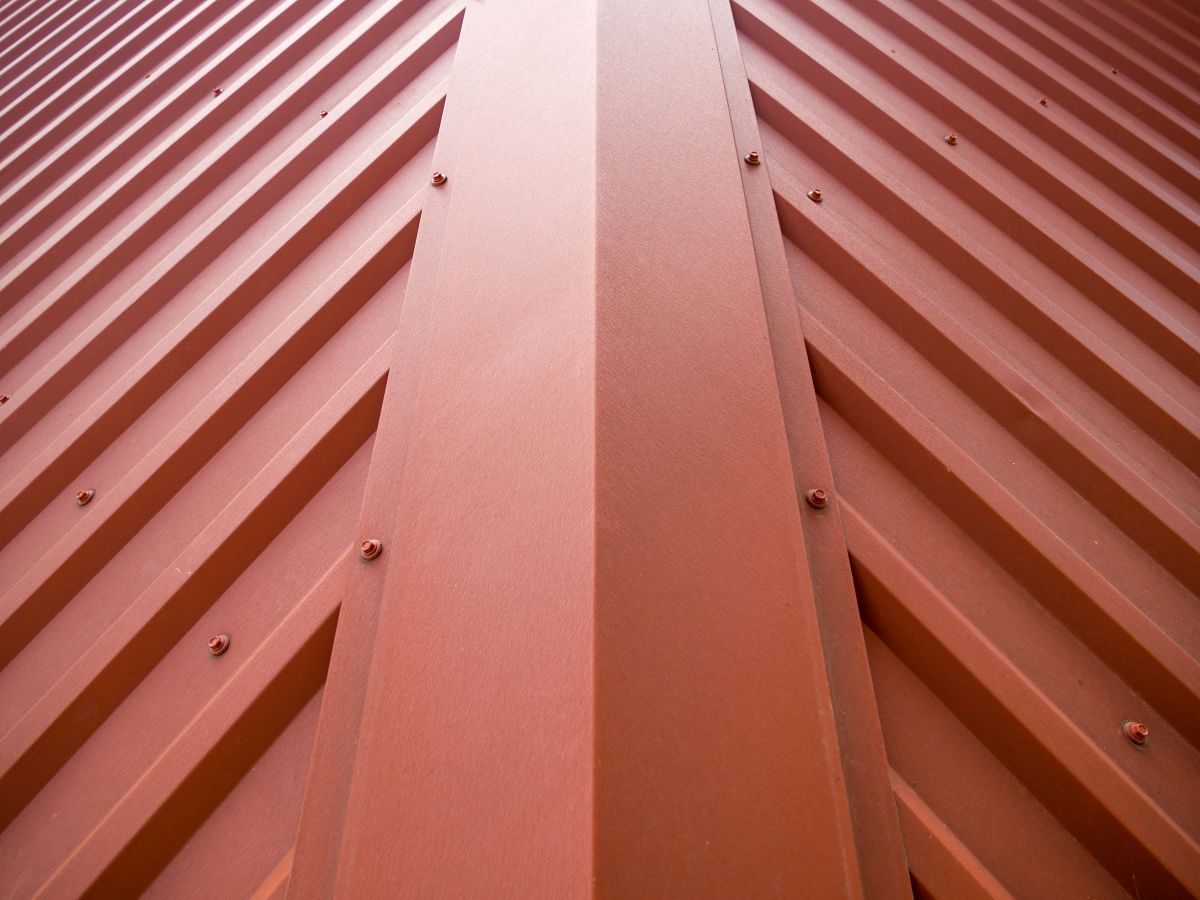
Fastener selection and placement are two of the most common sources of ridge cap failure. Using the wrong fastener length can result in the screw not reaching the structural support below, leaving the cap loose. Driving fasteners too tight compresses the washer and can crack the metal, while too loose leaves gaps for water. As a general rule, ridge cap screws should be driven through every other major roof panel rib to maintain secure attachment without over-fastening.
- Use fasteners with neoprene washers designed for metal roofing applications
- Follow the manufacturer’s specified fastener pattern and spacing
- Drive screws until the washer is snug but not compressed beyond its intended seat
5. Apply Sealant at Critical Transition Points
Even with closure strips and proper overlaps in place, transition points require additional sealant to achieve a fully watertight installation. These include the ends of the ridge cap run, any penetrations through the ridge, and locations where the ridge meets a wall or other roof transition.
- Use a high-quality polyurethane or silicone sealant rated for metal roofing
- Apply sealant before placing the ridge cap so it can be worked into the joint rather than applied as a surface bead
- Inspect the application from both the interior and exterior after installation is complete
6. Account for Thermal Expansion
Metal roofing materials expand and contract with temperature changes, and this movement must be accounted for at the ridge. Fastening a ridge cap too rigidly without allowing for expansion can cause buckling, cracking, or fastener pull-through over time. Auburn, IN and surrounding areas experience significant temperature swings between summer highs and winter lows, making thermal movement a real factor for any metal roof in the region.
- Use slotted holes or follow manufacturer guidance on fastener placement to allow for movement
- Avoid sealing end caps so tightly that thermal movement has nowhere to go
Following these six steps in sequence gives any metal roof ridge cap installation the best possible foundation for long-term performance. Cutting corners on any of them often leads to problems that are expensive to diagnose and repair after the fact.
Choosing the Right Ridge Cap Style for Your Roof
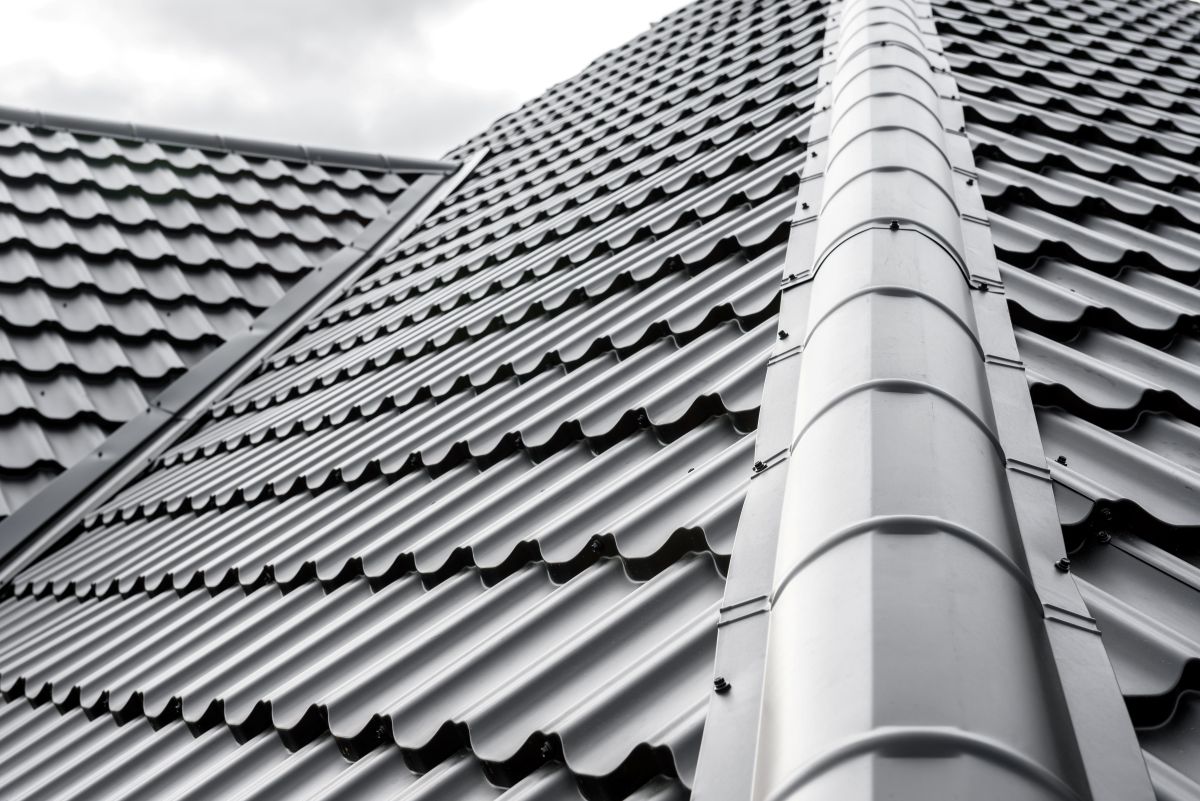
Not all ridge caps are the same, and selecting the right style for your panel profile and roof geometry plays a significant role in both function and appearance. The most common styles include standard ridge caps, vented ridge caps, and hip ridge caps for non-standard configurations.
Standard vs. Vented Ridge Caps
A standard ridge cap provides weatherproofing and wind resistance but does not contribute to attic ventilation. A vented ridge cap incorporates a breathable mesh or filter strip that allows hot attic air to escape continuously, reducing cooling loads in summer and minimizing moisture buildup in winter. For most residential applications, a vented ridge is the better long-term choice.
- Standard ridge cap: Best for roofs with separate ventilation systems already in place
- Vented ridge cap: Preferred for new installations where ridge ventilation is part of the overall building envelope strategy
- Hip ridge cap: Designed for hip roofs where ridges run at angles and require pre-formed or custom-bent sections to follow the geometry
Material Matching and Color Consistency
Ridge caps should be fabricated from the same material as the field panels to ensure consistent thermal movement and compatibility. Using a different gauge or alloy at the ridge can create galvanic corrosion at contact points or result in mismatched expansion rates that stress fasteners and seams over time. Heavier gauge caps cost more than lighter gauge options, and painted finishes carry a higher price than galvanized or Galvalume caps, but offer better long-term color retention. Most residential metal ridge caps run between $2.00 and $3.50 per lineal foot, making material selection a meaningful part of the overall project budget.
Selecting ridge cap components at the same time as the field panels, from the same manufacturer, eliminates most compatibility concerns before installation begins.
What to Look For When Evaluating an Existing Ridge Cap
Homeowners with an existing metal roof should inspect their ridge cap periodically, particularly after severe weather events. Because metal ridge caps are designed for long-term durability with virtually no maintenance required over decades, problems that appear are usually the result of improper installation rather than normal wear.
| Warning Sign | What It Indicates | Recommended Action |
| Lifted or loose cap sections | Wind uplift or fastener failure | Re-fasten and seal immediately |
| Rust streaks below the ridge | Fastener corrosion or bare metal exposure | Inspect fasteners and apply touch-up coating |
| Visible gaps at end caps | Missing sealant or closure strip failure | Remove, reseal, and reinstall end caps |
| Interior moisture near peak | Active leak at ridge | Full ridge cap inspection and repair |
| Pest activity near ridge | Closure strip gaps or deteriorated foam | Replace foam closures and inspect full ridge run |
Homes in Auburn, IN and surrounding areas should plan for at least an annual ridge inspection, ideally in the spring after winter weather has stressed the roof system most. Catching any of these warning signs early keeps repair costs manageable and preserves the integrity of the full roof assembly.
Trust Your Ridge Cap Installation to Maumee River Roofing
A metal roof is one of the most durable investments a homeowner can make, but its performance depends on every component being installed correctly, including the ridge cap. A failed ridge seal is one of the leading causes of metal roof leaks, and it is almost always the result of installation shortcuts rather than material failure.
Maumee River Roofing brings the expertise and attention to detail that ridge cap installation demands, serving homeowners across Indiana with quality workmanship and honest guidance. If you have questions about your existing ridge cap or are planning a new metal roof installation, contact us today to get straightforward answers from a team that knows metal roofing inside and out.