

Choosing a new roofing material is a decision that affects your home’s value, energy bills, and curb appeal for decades to come. Weighing the metal roof pros and cons carefully before signing a contract helps you avoid costly surprises and ensures the investment actually fits your needs. Homeowners exploring a durable alternative to traditional shingles often find the decision comes down to a handful of key trade-offs that are easy to overlook without the right guidance. This guide breaks down exactly what to expect on both sides of the equation.
Here’s a quick look at what you’ll walk away knowing:
- The real benefits homeowners gain from switching to metal
- The honest drawbacks that deserve consideration too
- How metal stacks up against asphalt shingles side by side
- Answers to the most common questions before making a final decision
Why Weighing the Trade-Offs Actually Matters
A roof is one of the most expensive components of any home, and getting the material choice right has a lasting impact on both comfort and long-term costs. Homeowners in Kendallville and surrounding areas often begin their research assuming metal roofing is either a clear win or an unnecessary splurge, when the reality sits somewhere in between depending on individual priorities. Taking time to understand both sides of the equation leads to a decision you won’t second-guess a few years down the road.
- Long-term savings: Understanding the upfront cost versus lifespan trade-off helps you calculate true value rather than sticker price alone.
- Energy efficiency: Knowing how reflective roofing surfaces affect cooling costs helps you factor utility savings into your decision.
- Storm resilience: Understanding how metal performs against wind and hail helps you choose a roof suited to your specific climate risks.
- Resale value: Knowing how metal roofing affects buyer perception helps you weigh the investment against your future home sale plans.
Once you understand these bigger-picture factors, the individual pros and cons become much easier to evaluate against your own priorities. The next section breaks down the specific advantages and disadvantages worth knowing before you commit to a metal roof installation.
8 Pros and Cons of Metal Roofing You Should Know
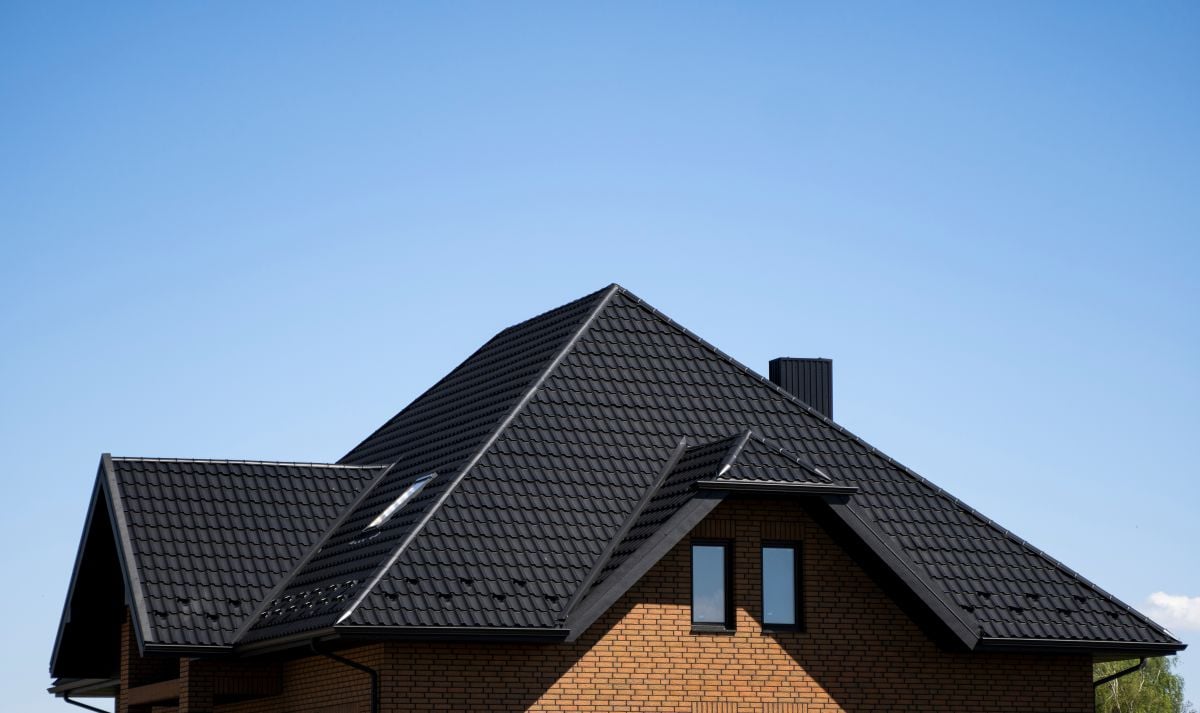
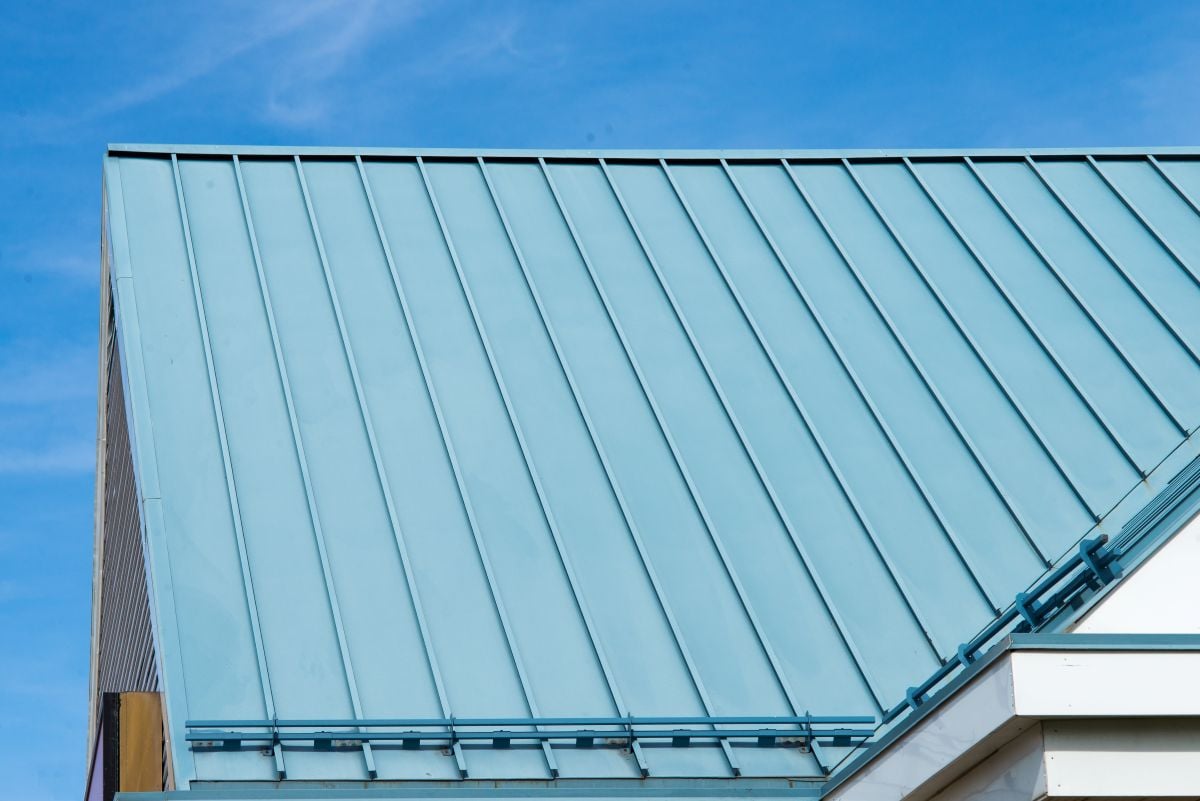
Every roofing material comes with trade-offs, and metal roofing is no exception, even though it consistently ranks among the most popular upgrades for homeowners looking to invest in longevity. Metal roofing materials come in several distinct styles, including standing seam metal roofs, metal shingles, corrugated panels, and options crafted from aluminum, galvanized steel, or tin, each offering a different look and price point to suit various architectural styles. Below is a breakdown of the most important advantages and disadvantages to weigh before making your final decision.
1. Pro: Exceptional Lifespan
A properly installed metal roof can last 40 to 70 years, far outpacing the 15 to 20 year lifespan typical of traditional asphalt shingles. This kind of longevity makes metal roofs one of the few upgrades with genuinely long life spans, meaning most homeowners only need to install a new metal roof once in their lifetime.
- Reduces the frequency and cost of future roof replacements
- Often outlasts the mortgage on the home itself
2. Pro: Superior Energy Efficiency
Metal roofing’s reflective property sends the sun’s heat away from the home rather than absorbing it, which can noticeably reduce cooling costs during hot summer months and make an already energy efficient material even more effective. Some manufacturers even offer specially coated panels designed to maximize this reflective benefit.
3. Pro: Excellent Storm and Fire Resistance
Metal roofs are fire resistant, typically carrying a Class A rating, and are built to withstand extreme weather, including high winds, heavy snow, and falling branches, making them a strong choice for homeowners in areas prone to severe weather conditions. The smooth surface also helps snow and ice slide off more easily, reducing the risk of ice dams forming along the roofline. This resilience often translates into fewer repair calls over the life of the roof.
- Resists wind uplift better than many traditional asphalt roofs
- Reduces fire risk from wildfire embers or nearby structure fires
4. Pro: Environmentally Friendly Materials
Many metal roofing panels are manufactured with a significant percentage of recycled content and are themselves fully recyclable at the end of their service life, helping reduce the overall carbon footprint compared to materials that end up in a landfill. This makes metal an appealing choice for environmentally conscious homeowners.
5. Con: Higher Upfront Cost
Metal roofing typically carries a higher initial cost and installation cost per square foot than traditional asphalt shingles, which can be a barrier for homeowners working with a tighter renovation budget. The higher initial investment is often offset by the extended lifespan, but the upfront number can still be intimidating.
- Material costs vary significantly depending on panel style, paint finishes, and metal type
- Financing options can help offset the higher initial expense
6. Con: Potential for Denting
Metal roofs are generally durable, but certain panel types can still dent from large hail impacts, particularly with thinner gauge materials. Choosing a higher quality gauge can significantly reduce this risk.
7. Con: Noise During Rain and Hail
Metal roofs installed without proper decking, underlayment, and attic insulation can be noticeably louder during heavy rain compared to traditional asphalt shingles. Adding proper insulation during installation helps minimize noise significantly, and modern installation techniques largely resolve this concern for most homeowners.
8. Con: Limited Installer Availability
Not every roofing company has the specialized labor required for proper metal roof installation, which can make finding an experienced installer more difficult in some areas. When a metal roof isn’t installed correctly, it becomes far more prone to issues like leaks down the road, so choosing an established, knowledgeable contractor is essential.
Weighing these eight factors against your specific priorities, whether that’s long-term savings, storm resistance, or upfront affordability, makes the decision process much clearer. Homeowners in Kendallville and surrounding areas most often find that the pros significantly outweigh the cons once the full lifespan and efficiency benefits are factored into the overall calculation.
Digging Deeper Into Cost and Value Over Time
Understanding the full financial picture requires looking beyond the initial installation price to see how metal roofing performs over its entire lifespan. This deeper analysis often changes how homeowners perceive the upfront cost difference compared to traditional shingles.
- Lower long-term replacement costs: Because metal roofs last two to three times longer than asphalt, homeowners often avoid one or two full roof replacements over a 50 year period.
- Reduced maintenance expenses: Metal roofing requires minimal maintenance compared to shingle roofs, which age and deteriorate more quickly and often need more frequent repairs.
- Insurance premium potential: Some insurance companies offer discounts for homes with metal roofing due to its fire resistance and durability, though this varies by provider and location.
- Higher resale value: Homes with metal roofing often see a stronger return on investment at resale compared to standard asphalt shingle roofs, particularly in regions prone to severe weather.
When these long-term financial factors are added into the equation, the higher upfront cost of metal roofing starts to look like a smart investment rather than an unnecessary expense. Homeowners in Kendallville and surrounding areas who plan to stay in their home for many years typically see the greatest return from this consideration.
Metal Roofing Versus Asphalt Shingles: A Side-by-Side Look
Sometimes the easiest way to make a decision is to see the two most common roofing options compared directly against each other. This side-by-side breakdown highlights where each material excels and where it falls short.
| Factor | Metal Roofing | Asphalt Shingles |
| Average lifespan | 40 to 70 years | 15 to 20 years |
| Upfront cost | Higher | Lower |
| Energy efficiency | Excellent, reflects heat | Moderate, absorbs heat |
| Fire resistance | Class A rating | Varies by product |
| Maintenance needs | Low | Moderate to high |
| Noise level | Low with proper installation | Naturally low |
As the comparison shows, metal roofing tends to win on longevity, efficiency, and fire resistance, while asphalt shingles remain the more budget-friendly option upfront. Other common roofing materials, such as clay tiles, offer their own benefits but often come with a similarly higher cost and specialized installation needs. Homeowners in Kendallville and surrounding areas often find that their climate, budget, and how long they plan to stay in the home ultimately guide which material makes the most sense.
Frequently Asked Questions About Metal Roofs
These are some of the questions homeowners ask most often once they start seriously comparing metal roofing against other materials. The short answers below should help clarify any remaining uncertainty before you move forward.
Is metal roofing worth the higher upfront cost?
For most homeowners planning to stay in their home long term, yes, since the extended lifespan and energy savings typically offset the initial price difference over time.
Can metal roofing be installed over an existing asphalt roof?
In some cases, yes, though a full tear-off is often recommended to ensure proper decking, underlayment, and ventilation for the new metal system.
Does metal roofing attract lightning?
No, metal roofing does not attract lightning any more than other roofing materials, and it is actually noncombustible if a strike does occur.
How do I know if a contractor is qualified to install metal roofing?
Look for contractors with specific manufacturer certifications and a strong portfolio of completed metal roofing projects in your area.
Will a metal roof void my homeowners insurance?
No, and many insurers actually offer discounts for metal roofing due to its durability and fire resistance, though coverage details vary by provider.
Do metal roofs leak more than other roofing materials?
Not when installed correctly. Most leaks associated with metal roofing trace back to improper flashing or fastening rather than the panels themselves, which is why working with an experienced roofing company matters.
Hopefully these answers give you added confidence as you weigh your options. A knowledgeable roofing contractor can walk you through additional specifics based on your home’s unique needs.
Let Us Help You Make the Right Choice
Deciding between metal roofing and traditional materials doesn’t have to feel overwhelming once you understand the real trade-offs involved. With its exceptional lifespan, energy efficiency, and storm resistance weighed against a higher upfront cost, metal roofing offers a compelling option for homeowners focused on long-term value. Maumee River Roofing has helped homeowners throughout the region navigate this exact decision with honest guidance and expert installation. If you’re ready to explore whether metal roofing is the right fit for your home, contact us today and let our team walk you through your options.