

Roof slope affects far more than just the appearance of a home. Metal roof pitch requirements play a major role in drainage, weather resistance, installation methods, and long-term roofing performance. Choosing the wrong pitch for a metal roof can lead to leaks, moisture problems, and costly repairs over time. Homeowners researching roofing upgrades often explore durable metal roofing systems designed for long-term protection while learning how roof slope impacts the success of a roofing installation.
In this guide, you will learn:
- What roof pitch means and why it matters
- Minimum slope requirements for metal roofing systems
- How roof pitch affects drainage and weather protection
- Common problems caused by improper roof pitch
- Which roofing systems work best for different slopes
- What homeowners in Carmel and surrounding areas should know before installing a metal roof
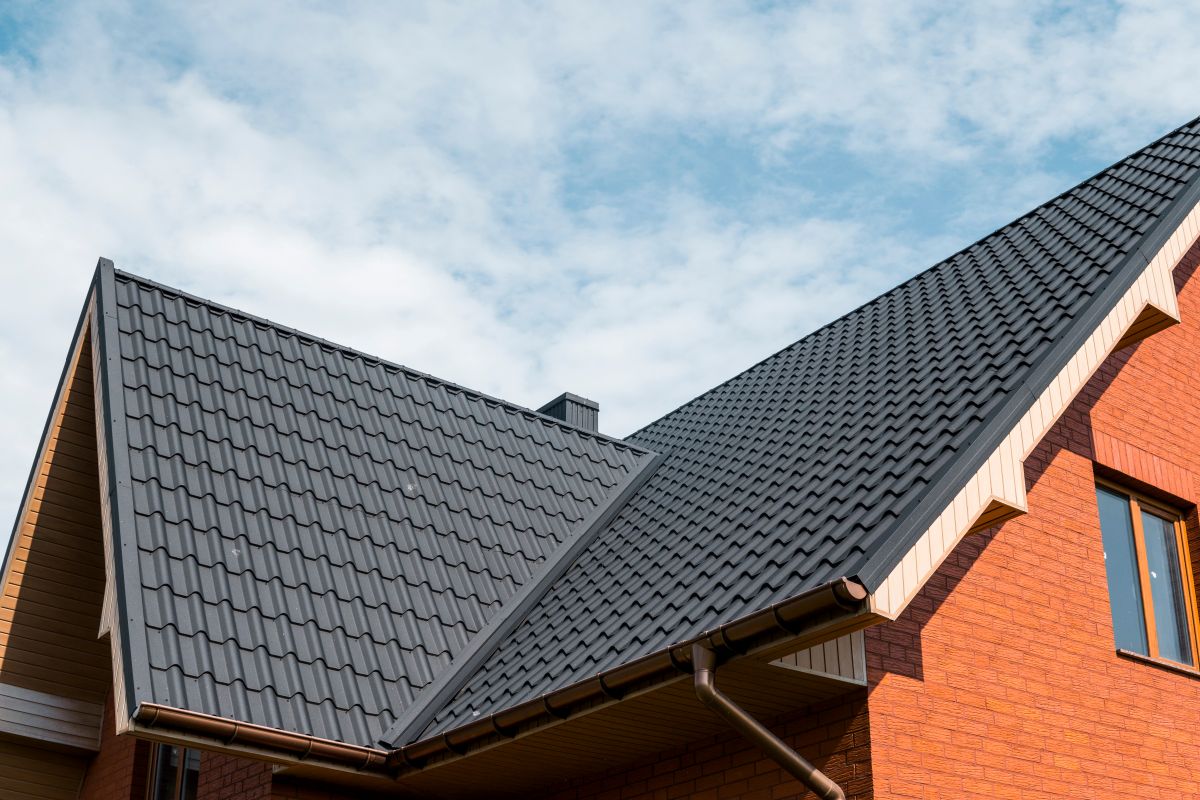
Why Roof Pitch Matters for Metal Roofing Performance
Roof pitch refers to the steepness or angle of a roof. It is commonly measured by how many inches the roof rises vertically for every 12 inches of horizontal distance. For example, a 4:12 pitch means the roof rises four inches for every twelve inches of run.
Pitch directly affects how water, snow, and debris move across the roof surface. Metal roofing systems rely on proper slope design to shed moisture efficiently and prevent standing water. While metal roofs are extremely durable, the wrong pitch can shorten their lifespan and increase maintenance issues.
Choosing the proper roof pitch offers several important advantages:
- Improved Drainage: Proper slope helps move rainwater off the roof quickly.
- Better Leak Prevention: Correct pitch reduces standing water and moisture intrusion risks.
- Longer Roof Lifespan: Proper drainage minimizes wear on roofing materials and fasteners.
- Improved Snow Shedding: Steeper slopes help reduce heavy snow accumulation.
- Enhanced Energy Efficiency: Roof slope affects attic airflow and ventilation performance.
For homeowners in Carmel and surrounding areas, where roofs must handle rain, snow, and seasonal temperature changes, pitch plays a major role in long-term roof protection.
5 Important Things Homeowners Should Know About Metal Roof Pitch Requirements
Different metal roofing systems are designed for different roof slopes. Understanding these five important factors helps homeowners make smarter roofing decisions before installation begins.
1. Every Metal Roofing System Has a Minimum Pitch Requirement
Not all metal roofing systems perform the same way on low-slope roofs. Some systems are specifically engineered for flatter surfaces, while others require steeper slopes for proper water drainage.
General pitch guidelines often include:
| Metal Roof Type | Typical Minimum Pitch |
| Standing Seam Metal Roof | 1/4:12 to 1/2:12 |
| Exposed Fastener Panels | 3:12 |
| Corrugated Metal Panels | 3:12 |
| Metal Shingles | 3:12 or greater |
| Structural Standing Seam Systems | As low as 1/4:12 |
Manufacturer installation specifications always take priority because requirements vary by product design.
2. Low-Slope Roofs Need Specialized Installation Methods
Flatter roofs allow water to drain more slowly, which increases the importance of waterproofing and seam protection.
Low-slope installations often require:
- Additional underlayment protection
- Sealed panel seams
- Specialized flashing systems
- Structural standing seam panels
- Enhanced moisture barriers
Improper installation on low-slope roofs can significantly increase the risk of leaks and standing water.
Professional roofing contractors understand how to adapt installation methods for lower roof pitches.
3. Steeper Roof Pitches Improve Drainage and Snow Shedding
Steeper roof slopes naturally help water, snow, and debris move off the roofing surface more efficiently. This reduces long-term moisture exposure and limits debris accumulation.
Steeper pitches may help:
- Minimize standing water
- Improve storm runoff
- Reduce ice dam formation
- Lower debris buildup
- Improve overall roof longevity
Homes in Carmel and surrounding areas often benefit from roof pitches designed to handle both heavy rain and winter snow accumulation.
4. Roof Pitch Affects Roofing Material Options
Certain metal roofing products simply are not compatible with lower slopes. Choosing the wrong roofing system for the pitch may lead to premature leaks and structural issues.
For example:
- Standing seam systems perform well on low slopes
- Exposed fastener systems usually require steeper pitches
- Decorative metal shingles need moderate slopes
- Structural panel systems are ideal for flatter roofs
Professional contractors evaluate roof pitch carefully before recommending roofing materials.
5. Building Codes and Climate Conditions Matter
Local building codes often establish minimum roof slope requirements based on regional weather conditions and roofing material types.
Contractors may evaluate factors such as:
- Rainfall levels
- Snow loads
- Wind exposure
- Drainage requirements
- Structural support
Homes in Carmel and surrounding areas must be prepared for freeze-thaw cycles, storms, and changing seasonal weather conditions.
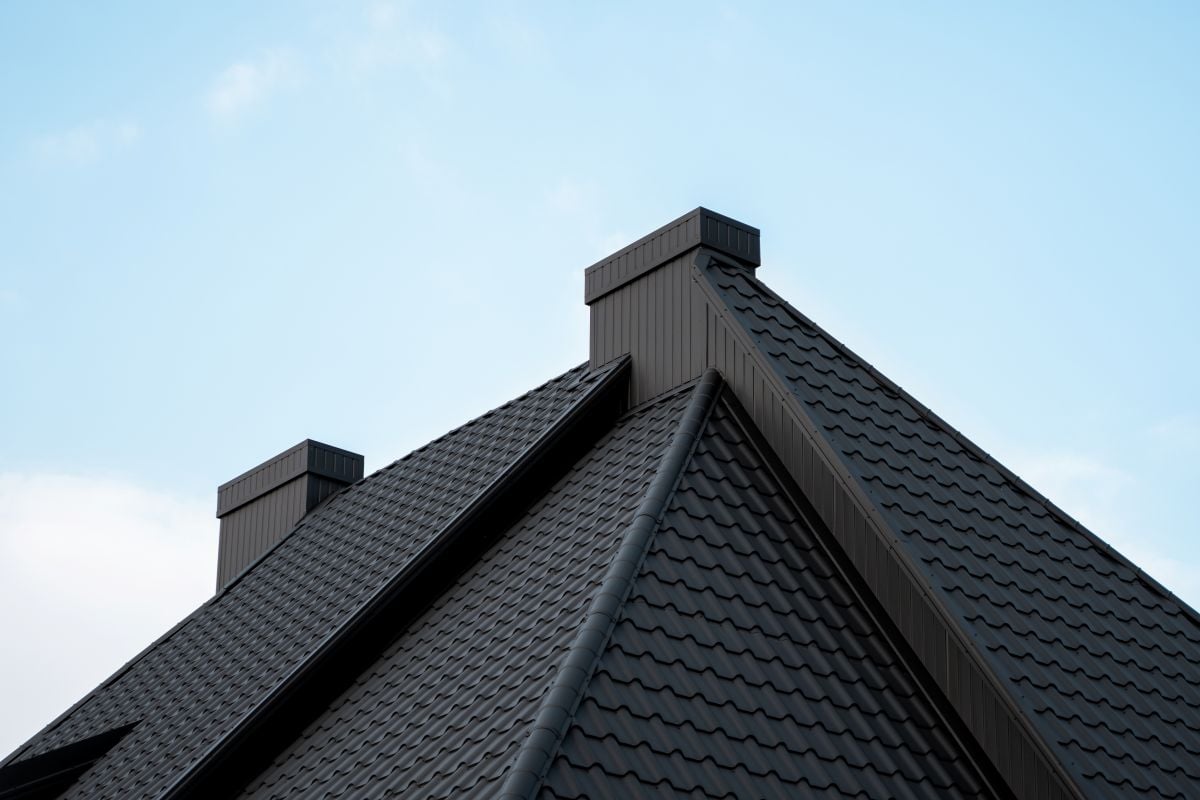
Understanding Common Roof Pitch Categories
Roof slopes are typically grouped into categories that affect roofing design and installation requirements.
Understanding these categories helps homeowners better understand their roofing options.
Low-Slope Roofs
Low-slope roofs generally range from 1/4:12 to 3:12.
These roofs often require:
- Advanced waterproofing systems
- Sealed seams
- Specialized flashing details
- Structural standing seam panels
Low-slope roofs can perform very well when designed and installed properly.
Moderate-Slope Roofs
Moderate roof pitches typically range from 4:12 to 8:12.
These roofs offer several advantages:
- Better water drainage
- Broad material compatibility
- Easier maintenance access
- Improved snow shedding
Many residential homes use moderate roof pitches because they balance appearance and performance effectively.
Steep-Slope Roofs
Steep-slope roofs generally exceed 8:12 pitches.
Benefits often include:
- Faster water runoff
- Reduced debris buildup
- Strong visual appeal
- Excellent snow shedding
However, steep roofs may increase installation complexity and labor costs.
Common Problems Caused by Incorrect Roof Pitch
Installing an incompatible roofing system on the wrong slope can create major long-term problems.
Understanding these risks helps homeowners avoid expensive repairs later.
Water Pooling
Low-slope roofs with improper roofing systems may allow standing water to collect on the surface.
Standing water increases the risk of:
- Corrosion
- Seam failure
- Fastener deterioration
- Moisture intrusion
Increased Leak Risks
Insufficient roof slope may prevent water from draining efficiently during heavy rainstorms.
Leaks often develop around:
- Panel seams
- Roof penetrations
- Flashing components
- Fastener locations
Premature Material Wear
Constant moisture exposure accelerates deterioration of roofing components.
This may lead to:
- Rust development
- Sealant failure
- Coating deterioration
- Structural weakening
Ice Dam Formation
Poor roof drainage combined with inadequate ventilation can contribute to winter ice dam issues.
Ice dams may force water beneath roofing materials and damage interior surfaces.
How Contractors Determine the Right Roof Pitch Solution
Professional roofing contractors evaluate several factors before recommending roofing systems for a specific roof pitch.
This process helps ensure long-term performance and building code compliance.
Roof Structure and Design
Contractors examine the roof’s shape, framing, drainage paths, and architectural design before selecting roofing materials.
Important considerations include:
- Valley placement
- Roof transitions
- Drainage patterns
- Structural support
Local Climate Conditions
Weather conditions play a major role in roofing recommendations.
Homes in Carmel and surrounding areas often require roofing systems capable of handling:
- Heavy rain
- Snow accumulation
- Wind-driven storms
- Freeze-thaw cycles
Manufacturer Requirements
Roofing manufacturers provide detailed installation guidelines for minimum pitch requirements.
Professional installers follow these specifications carefully to protect both roof performance and warranty coverage.
Comparing Popular Metal Roof Systems by Roof Pitch
Different roofing systems perform best at different roof slopes.
| Roofing System | Best Pitch Range | Main Advantage |
| Standing Seam | Low to steep slopes | Excellent water resistance |
| Exposed Fastener Panels | Moderate to steep slopes | Lower installation cost |
| Corrugated Metal | Moderate slopes | Durable and affordable |
| Metal Shingles | Moderate to steep slopes | Residential curb appeal |
| Structural Standing Seam | Very low slopes | Superior leak protection |
Understanding these differences helps homeowners choose systems that fit both their home design and performance goals.
Questions Homeowners Should Ask Before Installation
Before moving forward with a metal roofing project, homeowners should ask contractors important questions about roof pitch compatibility.
Helpful questions include:
- What is the minimum pitch requirement for this roofing system?
- Will additional waterproofing be required?
- How does roof slope affect warranty coverage?
- What ventilation system do you recommend?
- How will snow and water drainage be managed?
Professional guidance helps homeowners avoid installation mistakes and long-term roofing issues.
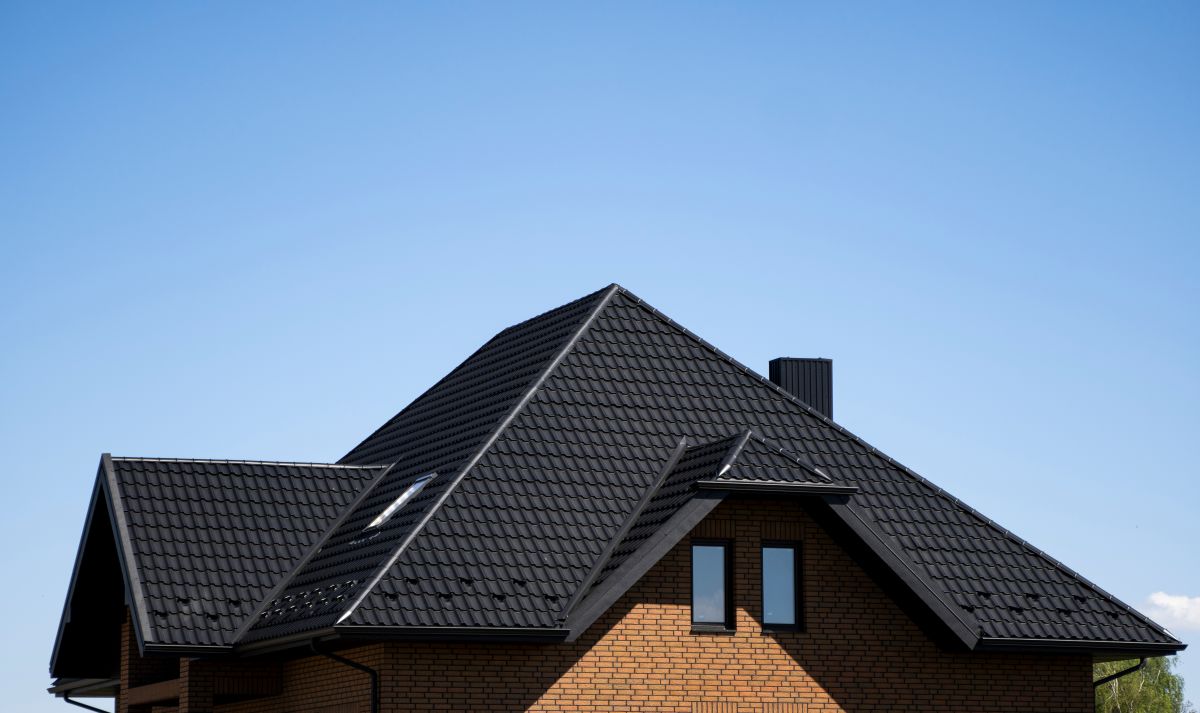
Protect Your Home With the Right Roof Pitch Design
Metal roof pitch requirements play a major role in drainage, weather resistance, energy efficiency, and long-term roof performance. Choosing the correct roofing system for your roof slope helps prevent leaks, standing water, and premature deterioration while improving the durability of your investment. Understanding how pitch affects installation and material selection allows homeowners to make smarter roofing decisions for the future.
If you are considering a metal roof or want professional guidance on roof pitch compatibility, the team at Maumee River Roofing is ready to help. Whether you need an inspection, roof replacement, or expert recommendations in Carmel and surrounding areas, contact us today to schedule a consultation with Maumee River Roofing.