

A faded or weathered metal roof can affect both the appearance and protection of your home. Metal roof painting is one of the most effective ways to restore curb appeal, improve durability, and extend the life of an aging roofing system without a full replacement. Homeowners considering exterior upgrades often explore durable metal roofing options built for long-term performance while researching ways to protect their investment for years to come.
In this guide, you will learn:
- Why painting a metal roof can extend its lifespan
- The most important preparation steps before painting
- Common mistakes homeowners should avoid
- How different paint types compare for metal roofing
- Signs your roof may need more than just paint
- What homeowners in Fort Wayne and surrounding areas should know before starting a project
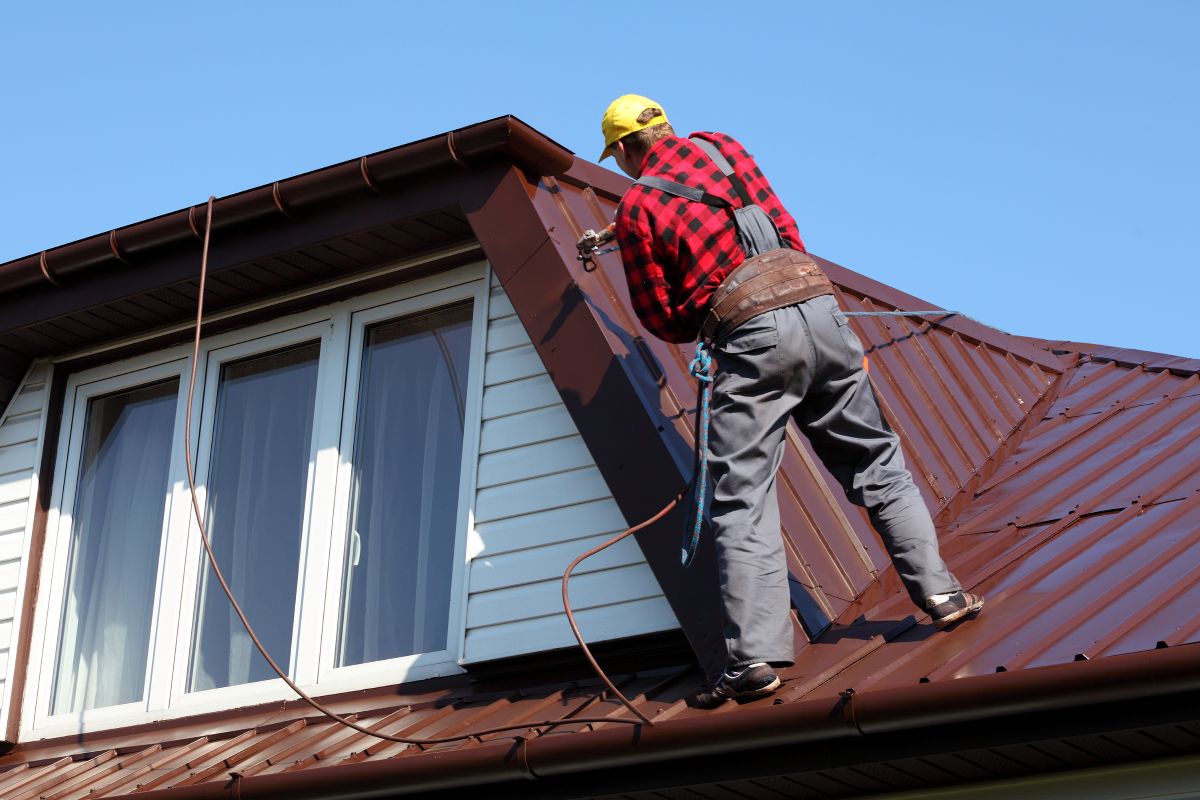
Why Metal Roof Painting Matters More Than Many Homeowners Think
Metal roofing systems are known for durability, but constant exposure to sunlight, rain, snow, and changing temperatures eventually causes wear. Over time, paint coatings may fade, chalk, peel, or lose their protective properties. When that happens, the roof becomes more vulnerable to rust, corrosion, and moisture-related damage.
Painting a metal roof is not only about appearance. A properly applied coating can improve weather resistance, help regulate roof temperatures, and protect the underlying metal from long-term deterioration. For homeowners trying to maximize the lifespan of an existing roof, painting may provide a cost-effective alternative to premature replacement.
Some of the biggest benefits of metal roof painting include:
- Extended Roof Lifespan: Protective coatings help reduce corrosion and surface deterioration.
- Improved Energy Efficiency: Reflective roof coatings may help lower heat absorption during summer months.
- Enhanced Curb Appeal: Fresh paint gives older roofing systems a cleaner, updated appearance.
- Moisture Protection: Proper coatings create an added barrier against water intrusion and rust formation.
- Lower Long-Term Costs: Restoring an aging roof can delay the need for a full roof replacement.
For homeowners in Fort Wayne and surrounding areas, where roofing systems face snow, rain, wind, and fluctuating temperatures throughout the year, maintaining protective roof coatings is especially important.
6 Essential Steps for Painting a Metal Roof the Right Way
Painting a metal roof involves much more than applying a fresh coat of paint. Proper preparation and material selection are critical for achieving long-lasting results.
Understanding these six steps can help homeowners avoid common problems and protect their investment.
1. Inspect the Roof Thoroughly Before Painting
Before any painting begins, the roof should be carefully inspected for structural issues, leaks, rust damage, or failing fasteners. Paint alone cannot solve underlying roofing problems.
A professional inspection helps determine whether the roof is still a good candidate for restoration.
Important areas to evaluate include:
- Loose or exposed fasteners
- Rusted panels
- Damaged flashing
- Leaks around penetrations
- Separation at seams
- Existing coating failure
If severe corrosion or structural damage is present, repairs or replacement may be necessary before painting.
2. Clean the Roof Surface Completely
Proper cleaning is one of the most important parts of the process. Dirt, mildew, oxidation, grease, and loose paint can prevent new coatings from bonding correctly.
Roof surfaces are often cleaned using pressure washing equipment combined with specialized cleaning solutions.
The cleaning process may involve:
- Removing debris and dirt buildup
- Treating mildew or algae growth
- Eliminating peeling paint
- Washing away oxidation residue
- Allowing the roof to dry completely
Skipping this step often leads to premature peeling and coating failure.
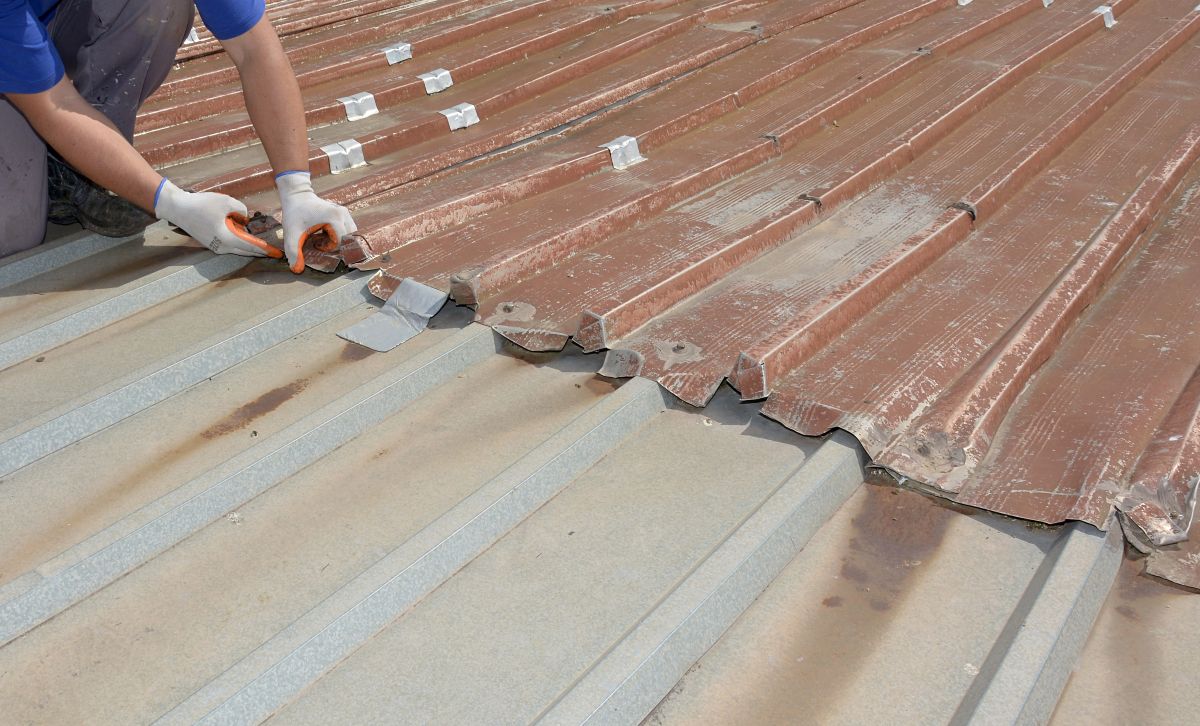
3. Address Rust and Corrosion
Rust is one of the biggest threats to metal roofing systems. If corrosion is not treated properly before painting, it may continue spreading beneath the new coating.
Small rusted areas are typically sanded or wire brushed before applying rust-inhibiting primers.
Severely damaged panels may require replacement instead of repainting.
Signs corrosion may need professional attention include:
- Flaking metal surfaces
- Deep pitting
- Orange or reddish discoloration
- Soft or weakened metal areas
Early treatment helps prevent more expensive repairs later.
4. Apply the Right Primer
Primer creates the bond between the metal surface and the finish coating. Without the correct primer, even high-quality paint may fail prematurely.
Different metal roofing systems require different primer formulations depending on the existing coating and metal type.
Benefits of proper priming include:
- Improved paint adhesion
- Better corrosion resistance
- Smoother finish appearance
- Increased coating longevity
Primer also helps create a more consistent final color across the roof surface.
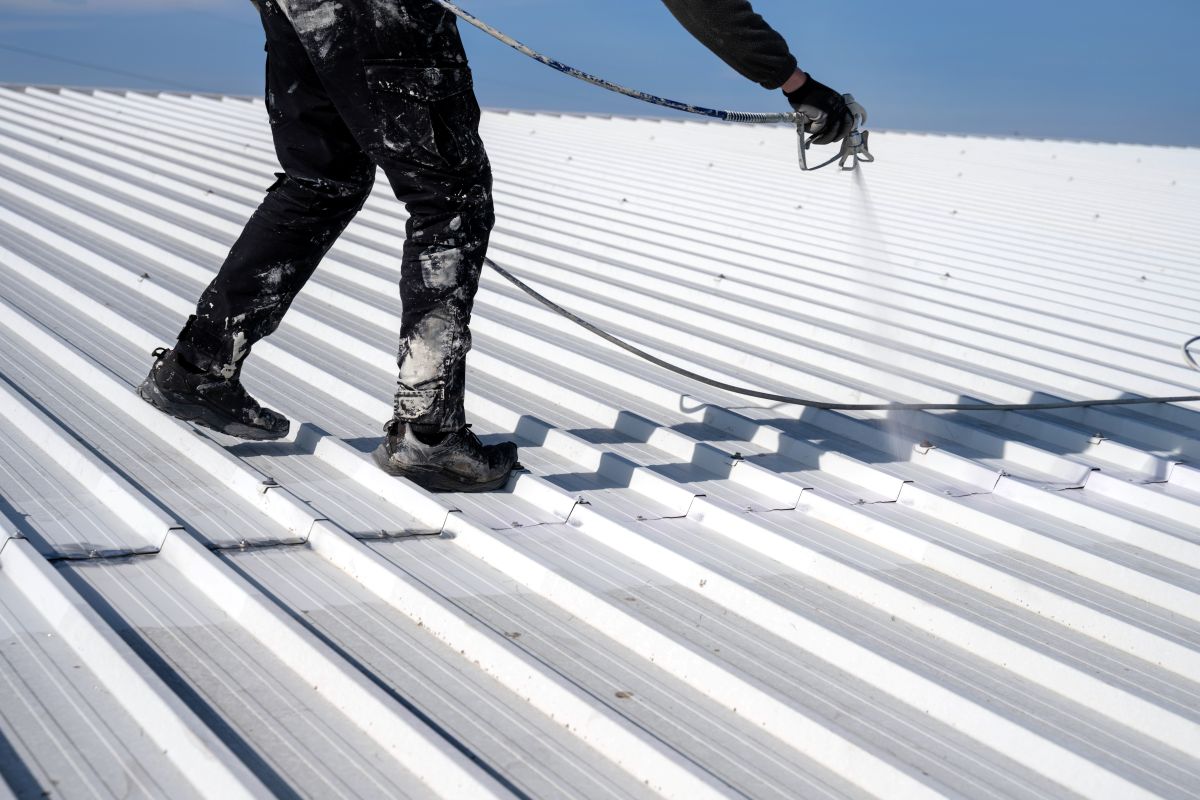
5. Choose the Best Paint for Metal Roofing
Not all exterior paints are suitable for metal roofing systems. Specialized roof coatings are designed to withstand UV exposure, moisture, and temperature fluctuations.
Homeowners should consider several factors when selecting roof paint.
| Paint Type | Advantages | Considerations |
| Acrylic Roof Coatings | UV resistant and flexible | Popular for many residential applications |
| Silicone Coatings | Excellent moisture resistance | Often used in areas with heavy rainfall |
| Polyurethane Coatings | Strong impact resistance | May cost more upfront |
| Elastomeric Coatings | Expands and contracts with temperature changes | Helps bridge small surface imperfections |
Reflective coatings are especially popular in Fort Wayne and surrounding areas because they may help reduce summer heat absorption.
6. Apply Paint Under Proper Weather Conditions
Weather conditions significantly affect paint performance and curing. Painting during extreme temperatures or high humidity can reduce coating durability.
Ideal conditions generally include:
- Mild temperatures
- Low humidity
- Dry weather
- Minimal wind
- Stable forecast conditions
Applying paint too late in the day or before rain can compromise adhesion and curing quality.
Professional roofing contractors carefully monitor weather conditions before scheduling coating applications.
Common Mistakes Homeowners Make With Metal Roof Painting
While painting can restore and protect a roof, mistakes during the process may shorten the lifespan of the coating or damage the roofing system itself.
Understanding these common issues helps homeowners make more informed decisions.
Using the Wrong Paint Products
Standard exterior paints are often not designed for metal roofing systems. Using incompatible products can lead to:
- Premature peeling
- Cracking
- Poor adhesion
- Reduced weather resistance
Roof-specific coatings are formulated to handle expansion, contraction, and prolonged UV exposure.
Painting Over Existing Damage
Paint should never be treated as a substitute for structural repairs. Covering leaks or corrosion without fixing the underlying issue only delays larger problems.
A roof inspection before painting is always recommended.
Ignoring Safety Risks
Metal roofing surfaces can become extremely slippery, especially during cleaning or painting. Falls are one of the biggest risks associated with roof work.
Professional contractors use specialized safety equipment and training to minimize hazards.
Skipping Maintenance After Painting
Even newly painted roofs require periodic inspections and maintenance. Dirt buildup, clogged gutters, and storm damage can still shorten coating lifespan.
Routine care helps maximize long-term performance.
How Long Does Metal Roof Paint Typically Last?
The lifespan of a painted metal roof depends on coating quality, weather exposure, installation methods, and maintenance habits.
In many residential applications, professionally applied coatings may last anywhere from 10 to 20 years before recoating becomes necessary.
Several factors influence coating longevity.
Roof Orientation and Sun Exposure
South-facing roof sections often experience greater UV exposure, which may accelerate fading and wear.
Roofs with minimal shade generally experience more thermal expansion throughout the year.
Local Climate Conditions
Weather conditions in Fort Wayne and surrounding areas can place significant stress on roofing coatings because of:
- Freeze-thaw cycles
- Snow accumulation
- Wind-driven rain
- Summer heat
- Seasonal storms
High-quality coatings designed for regional climate conditions typically perform better over time.
Maintenance Frequency
Routine inspections and cleaning help preserve coating integrity and identify minor issues before they worsen.
Homeowners who maintain gutters, remove debris, and schedule inspections often get longer performance from painted roofing systems.
When Painting May Not Be Enough
Although painting can extend roof life, some roofing systems eventually reach a point where replacement becomes the better long-term solution.
If the roof has widespread corrosion, structural deterioration, or repeated leak problems, a new roofing system may provide better protection and value.
Signs Replacement May Be Necessary
Some warning signs indicate that painting alone may not solve the problem.
These include:
- Large rusted sections
- Persistent leaks
- Loose or failing panels
- Structural sagging
- Extensive fastener failure
- Severe storm damage
A professional roofing evaluation can help determine whether restoration or replacement makes the most sense.
Comparing Restoration vs. Replacement
| Option | Best For | Main Advantage |
| Roof Painting | Structurally sound roofs with surface wear | Lower upfront cost |
| Roof Restoration | Moderate aging with minor repairs needed | Extends roof lifespan |
| Full Replacement | Severe deterioration or recurring leaks | Long-term protection |
Choosing the right option depends on the age and condition of the existing roofing system.
Tips for Maintaining a Newly Painted Metal Roof
After investing in a roof coating project, proper maintenance helps protect the finish and extend its lifespan.
Simple maintenance habits can make a major difference over time.
Schedule Regular Roof Inspections
Professional inspections help identify loose fasteners, coating wear, and drainage issues before they become serious.
Annual inspections are especially valuable after severe storms.
Keep the Roof Surface Clean
Leaves, branches, and dirt can trap moisture against the roof surface. Regular cleaning helps preserve coating integrity.
Homeowners should avoid harsh cleaning methods that may damage protective finishes.
Monitor Gutters and Drainage
Overflowing gutters may direct water beneath roofing components and increase moisture exposure.
Proper drainage protects both the roof and exterior walls.
Address Minor Issues Quickly
Small scratches, loose fasteners, or isolated coating damage should be repaired promptly to prevent larger problems from developing.
Early maintenance is typically far less expensive than major repairs.
Protect Your Roof With the Right Restoration Approach
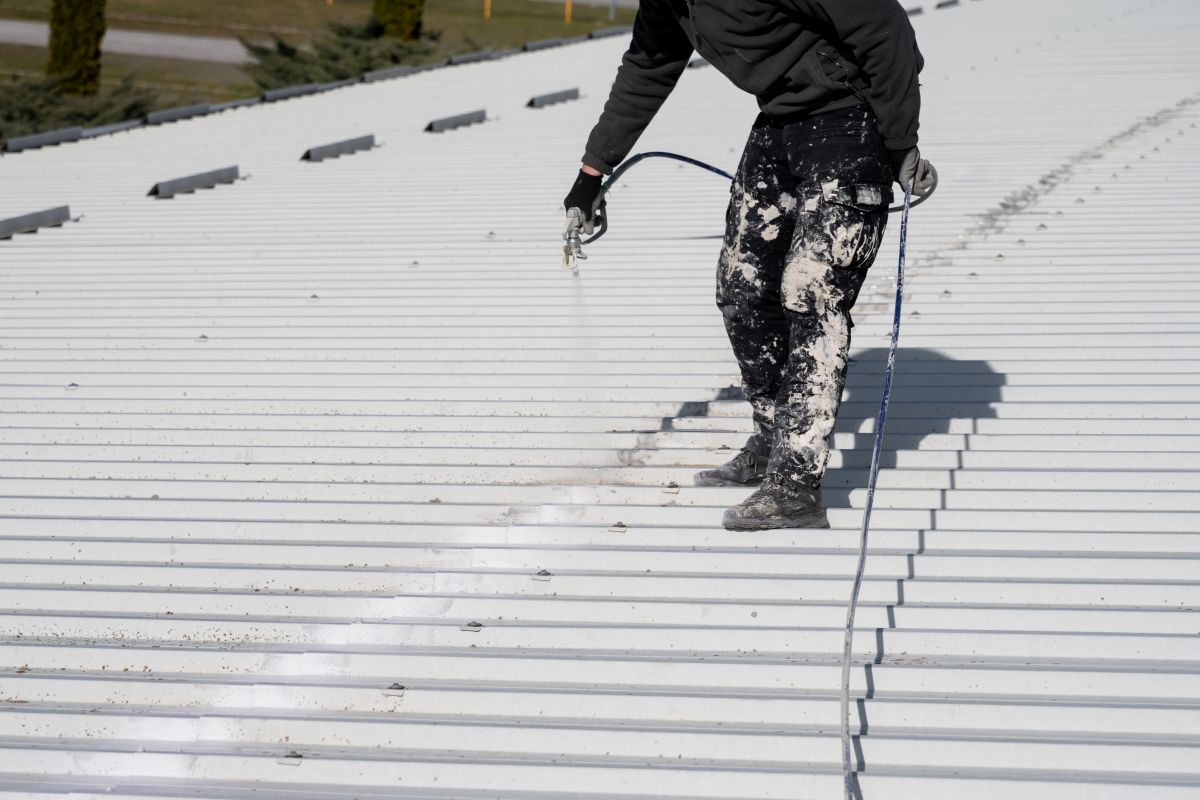
Metal roof painting can be an effective way to refresh your home’s appearance while adding years of protection to an aging roofing system. When completed properly, roof coatings help resist corrosion, improve energy efficiency, and reduce long-term maintenance costs. However, preparation, product selection, and installation quality all play a major role in achieving lasting results.
If your metal roof is showing signs of fading, rust, or aging, the team at Maumee River Roofing can help you evaluate the best solution for your home. Whether you are considering roof restoration or exploring replacement options in Fort Wayne and surrounding areas, contact us today to schedule a consultation with Maumee River Roofing.