

Rain on a metal roof has a reputation, and not always a good one. For homeowners who have dealt with the drumming, pinging, and amplified rumble of a storm overhead, noise can feel like the biggest tradeoff of choosing metal over other materials. The good news is that metal roof noise reduction is very achievable with the right installation approach, and many homeowners report that a properly built metal roof is no louder than an asphalt shingle roof. If you are weighing your options, understanding what separates a quiet, high-performing metal roof from a noisy one is the place to start.
What you’ll learn:
- Why metal roofs are louder in some installations and quiet in others
- The most effective methods for reducing noise on a new or existing metal roof
- How insulation, decking, and attic design all play a role in sound control
- Which noise sources are most common and how to address each one
- What to expect from a well-installed metal roof in terms of everyday sound levels
Why Metal Roof Noise Gets More Attention Than It Deserves
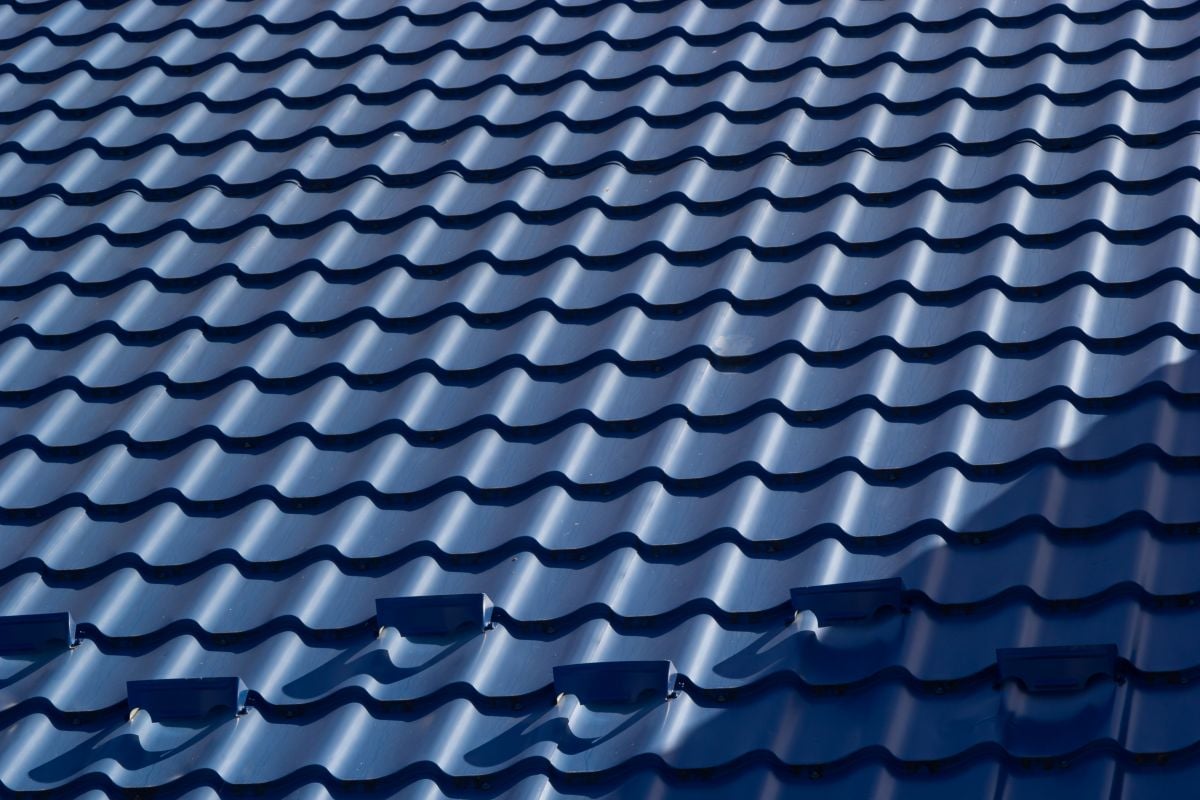
Metal roofs have carried a noise stigma for decades, largely based on older agricultural or pole barn installations where metal panels were fastened directly over open framing with no insulation or decking beneath them. In that setup, every raindrop, hailstone, and gust of wind resonates through the panels with nothing to absorb the sound, and noise levels during rain can reach 61 decibels or higher. Modern residential metal roofing is an entirely different system.
The reality is that noise on a metal roof is almost entirely a function of what is underneath the panels, not the metal itself. When installed over solid decking with proper roof underlayment and adequate attic insulation, sound transmission into the living space is minimal. Homeowners in Bryan, OH and surrounding areas who have upgraded from aging asphalt shingles to metal frequently report that the new roof is quieter than what they had before. Understanding the actual sources of noise is the key to solving the problem before installation rather than managing it after.
- Installation method matters most: Metal panels installed directly over open framing without decking or insulation will always be louder than those installed over solid substrate. The framing style determines the acoustic baseline before any other factor comes into play.
- Underlayment is a first line of defense: A quality underlayment installed between the metal panels and the decking absorbs impact energy and reduces the sharp ping of rain or hail before it can travel into the structure.
- Attic insulation is the biggest variable: A well-insulated attic acts as a sound buffer between the roof assembly and the living space below. Homes with inadequate attic insulation will experience more noise transmission regardless of what type of roof they have.
- Panel profile and fastening affect resonance: Certain panel profiles and fastening methods can create more surface vibration than others. Concealed fastener systems and thicker gauge panels generally produce less noise than exposed fastener options on lighter gauge material.
Addressing noise at the design and installation stage costs far less than retrofitting solutions after the roof is complete.
6 Effective Methods for Metal Roof Noise Reduction
Getting a metal roof to perform quietly is not about one single fix. It is about layering several sound-control strategies so that each one contributes to a quieter result. The following methods are the most effective and commonly used by experienced roofing contractors.
1. Install Over Solid Decking
The single most impactful step for reducing metal roof noise is installing the panels over a solid plywood or OSB deck rather than open framing. Solid decking eliminates the hollow-drum effect that makes metal roofs sound loud in the first place. It provides a continuous surface that absorbs impact energy across the entire roof area, dramatically reducing the resonance that amplifies rain, hail, and foot traffic noise.
- OSB and plywood are both effective; thickness affects rigidity and sound absorption
- Solid decking also adds structural strength and improves the overall roof assembly
2. Use a High-Quality Acoustic Underlayment
Underlayment installed between the decking and the metal panels provides a second layer of sound absorption. Standard felt underlayment offers some benefit, but purpose-built acoustic or rubberized underlayments are significantly more effective at dampening impact noise.
- Look for underlayments rated for sound dampening, not just weather resistance
- Thicker, denser underlayment materials provide better acoustic performance
- Self-adhering rubberized options also improve moisture protection alongside noise control
3. Maximize Attic Insulation
After the roof assembly itself, the attic is where the most significant noise reduction happens. Sound that passes through the metal panels and decking encounters the attic space before reaching the living area. A properly insulated attic absorbs and scatters that sound energy, preventing it from transmitting through the ceiling below. Homes in Bryan, OH and surrounding areas with older attic insulation that has settled or degraded often notice more roof noise than the roof itself is generating.
- Blown-in insulation fills gaps and irregular spaces more completely than batt insulation
- Aim for R-49 or higher in attic spaces for both thermal and acoustic performance
- Ensure insulation does not block soffit vents, as airflow is essential for roof health
4. Choose the Right Panel Profile and Gauge
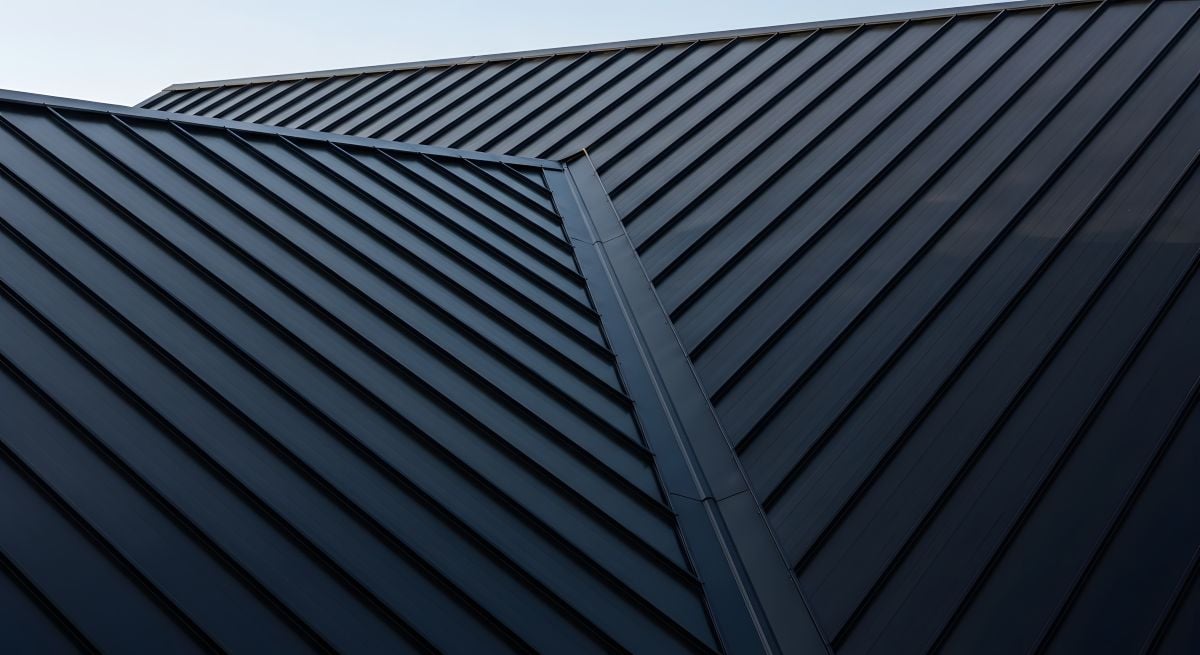
Not all metal roofing panels produce the same level of noise. Thicker gauge panels are stiffer and vibrate less under impact, and vibration-damping materials applied to the panel underside can further prevent metal from resonating like a drum during rain or hail. Concealed fastener standing seam panels tend to be quieter than exposed fastener options because there are fewer contact points between the panel and the fastening system. Some manufacturers also offer damping coatings that reduce reverberation across the panel surface.
- 24-gauge steel is noticeably quieter than 29-gauge under the same conditions
- Standing seam systems minimize panel movement and reduce fastener-related noise
- Wider panel widths with fewer seams reduce potential vibration points across the roof
5. Add Rigid Foam Insulation Beneath the Panels
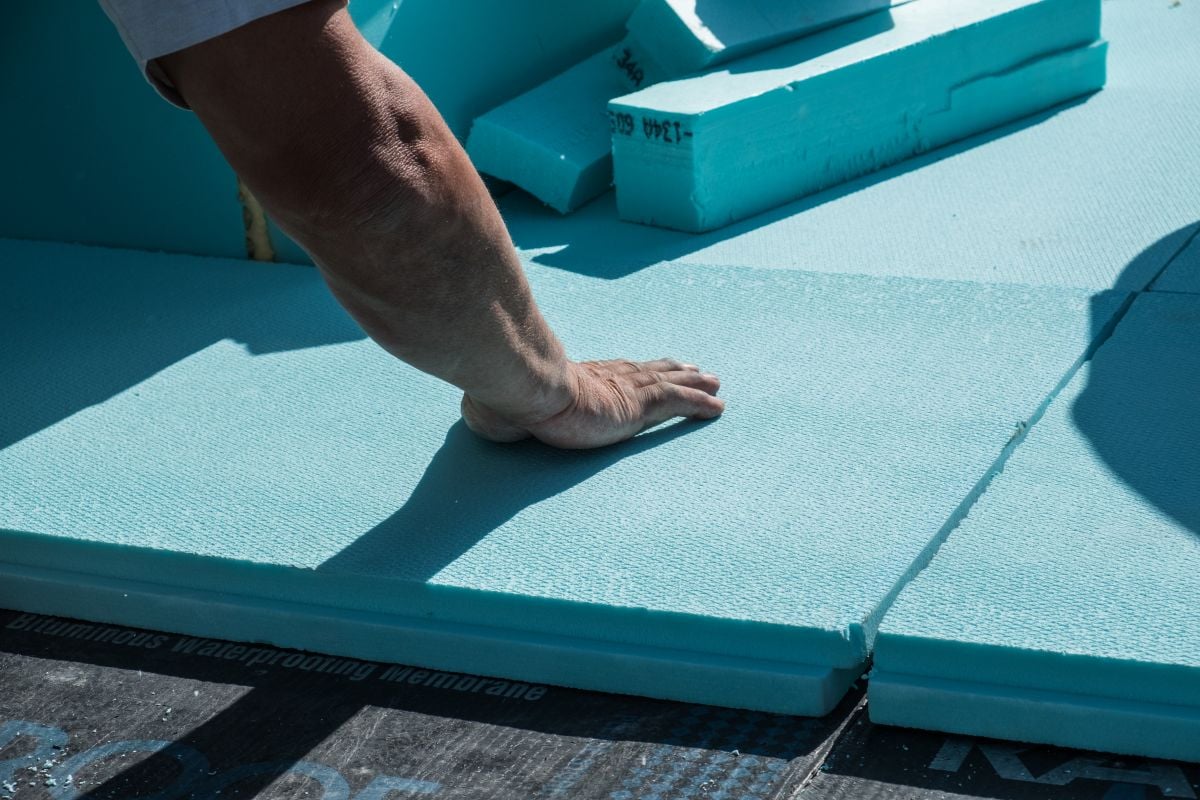
In retrofit situations or new installations where maximum noise control is a priority, rigid foam insulation can be installed directly beneath the metal panels above the decking. For rooms directly beneath the roof, Mass-Loaded Vinyl barriers added to the ceiling assembly or sound isolation clips used in the framing can further break the sound transmission path between the roof deck and the living space.
- Polyisocyanurate and EPS foam boards are commonly used for rigid foam applications
- Foam thickness of one to two inches provides meaningful acoustic improvement
- Sound isolation clips are especially useful in rooms where noise sensitivity is highest, such as bedrooms or home offices
6. Seal Gaps and Control Structural Movement
Noise from a metal roof is not always rain or impact sound. Expansion and contraction of the metal panels with temperature changes can produce clicking, popping, or creaking sounds, particularly in the early morning or late afternoon when temperatures shift rapidly. Ensuring that the panel system is installed with appropriate allowances for thermal movement and that all penetrations, flashings, and trim pieces are properly secured eliminates most of these structural noise sources.
- Use fastener systems that allow controlled panel movement without excess play
- Fasteners should be securely screwed down at every connection point to prevent rattling under wind or thermal stress
- Check flashing and trim details at eaves, rakes, ridges, and penetrations for loose connections
- Expansion clips on standing seam systems allow panels to move silently with temperature changes
Each of these methods contributes independently to a quieter roof, and they compound when used together. Contractors working in Bryan, OH and surrounding areas with experience in residential metal roofing typically recommend this layered approach as standard practice, not an optional upgrade.
Understanding Which Noises Are Normal and Which Are Not
Once a metal roof is properly installed, homeowners should have realistic expectations about what sounds are normal and what deserve attention.
Normal Metal Roof Sounds
Light rain produces a soft, consistent background sound that many homeowners find pleasant once they adjust to it. Heavy rain or hail will be audible inside the home, though a well-built metal roof keeps this to a modest background level. Temperature-related expansion and contraction may produce occasional quiet ticking during significant temperature swings, which is normal for metal materials.
Sounds That May Indicate a Problem
Loud, persistent popping or banging during temperature changes suggests panels do not have adequate room to move and are binding against fasteners or trim. Rattling sounds, particularly during wind, point to loose fasteners or flashing that need attention. A drumming or hollow resonance during rain that seems excessive may indicate inadequate underlayment or decking issues worth a professional inspection.
Knowing the difference between normal metal roof acoustics and sounds that signal a maintenance need helps homeowners stay ahead of problems.
How Metal Roof Noise Compares to Other Roofing Materials
One of the most persistent myths about metal roofing is that it is categorically louder than asphalt or other materials. The table below reflects what research and field experience consistently show when systems are properly installed.
| Roofing Material | Approx. Rain Noise Level | Key Acoustic Factor |
| Metal over solid deck with underlayment | ~52 dB | Decking, underlayment, and attic insulation |
| Asphalt shingles over decking | ~46 dB | Multiple layers absorb impact |
| Stone-coated metal over solid deck | Low to moderate | Textured surface absorbs more sound than flat metal |
| Metal over open framing, no insulation | ~61 dB or higher | No substrate to absorb sound |
| Tile over solid deck | Low to moderate | Mass of tile absorbs impact energy |
| Wood shake | Low to moderate | Natural material dampens rain impact |
As the table shows, the defining factor is not the metal itself but the system it is part of. It is also worth noting that humans generally cannot distinguish sounds less than 8 decibels apart, which means the practical difference between a well-installed metal roof at 52 dB and asphalt shingles at 46 dB is smaller than most homeowners expect. A metal roof installed the right way belongs in the same noise category as most other residential roofing materials. Homeowners in Bryan, OH and surrounding areas comparing roofing options should evaluate metal on its full range of benefits, with noise understood as a solvable variable rather than an inherent drawback.
Let Maumee River Roofing Help You Get It Right
A quiet, long-lasting metal roof is not an accident. It is the result of careful material selection, thoughtful roof installation, and the kind of attention to detail that separates a contractor who knows metal roofing from one who simply offers it. Maumee River Roofing works with homeowners across Indiana and Ohio to design and install metal roof systems that perform well in every season, including the noisy ones. If you are considering a metal roof or want to address noise issues on an existing one, do not settle for guesswork. Reach out to our team and contact us today to talk through your options and get an honest assessment of what your home needs.