

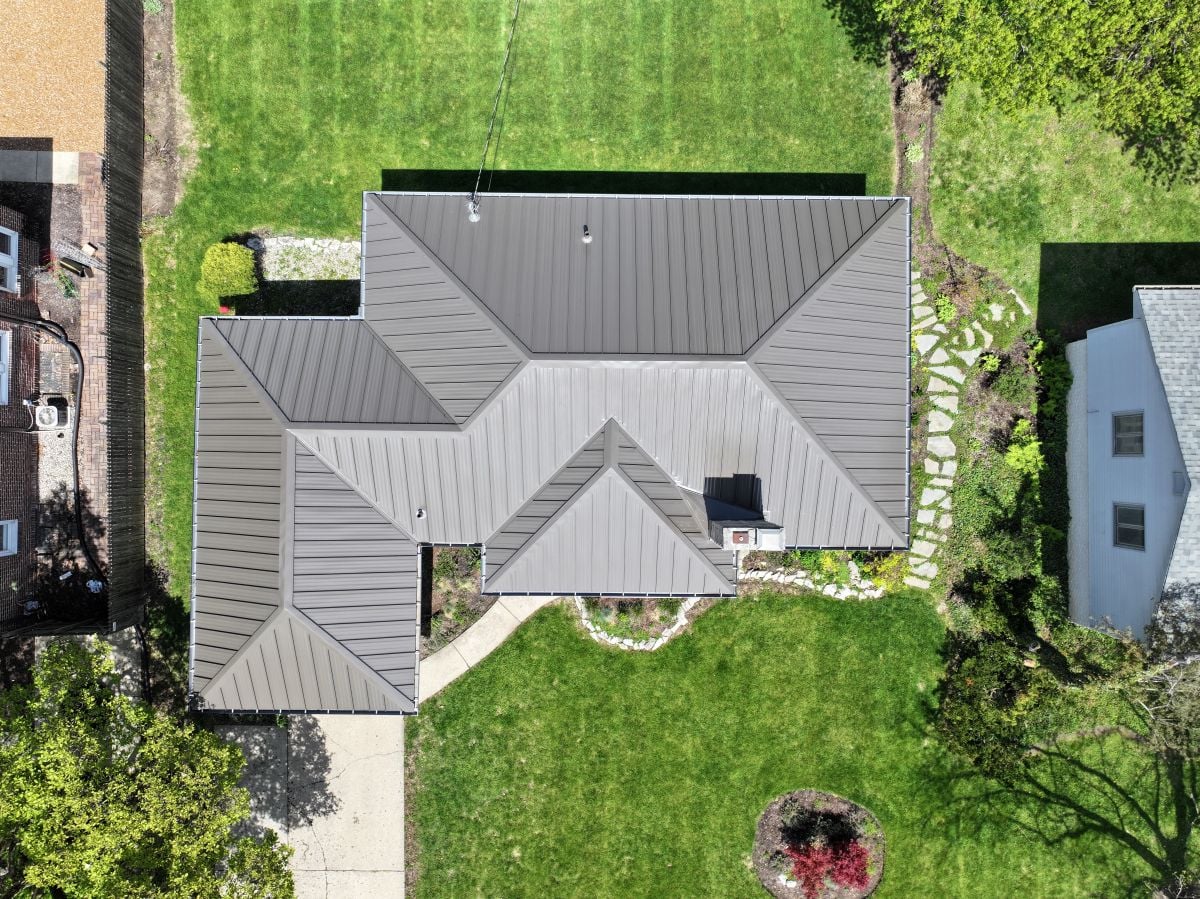
Metal roofs have earned a reputation for being nearly maintenance-free, but low maintenance is not the same as no maintenance. A few simple checks each season can add years to your roof, protect your warranty, and catch small issues before they turn into leaks. Following a metal roof maintenance checklist throughout the year keeps the process simple and predictable. Whether your metal roofing system uses standing seam or exposed fastener panels, a little seasonal attention helps your long-lasting steel or aluminum roof perform the way it was designed to for decades.
Here’s a quick look at what’s ahead:
- A season-by-season list of maintenance tasks
- Metal-specific problems to watch for
- Which jobs are safe for homeowners and which need a pro
- Answers to common metal roof care questions
Why Routine Care Pays Off for Metal Roofs
A quality metal roof can last 40 to 70 years, but reaching the high end of that range depends on how well it is cared for. Small issues like loose fasteners, clogged gutters, or worn sealant are easy to fix early but lead to costly repairs when ignored. Proper maintenance keeps those problems small.
The good news is that metal roofs are among the easiest roofing systems to care for. Most tasks involve simple inspections and gentle cleaning methods for metal roofs rather than heavy repairs. Sticking with a regular routine delivers several important benefits:
- Longer roof lifespan: Catching wear early keeps panels, fasteners, and flashing in good shape for decades, protecting one of your home’s largest investments.
- Warranty protection: Many manufacturers expect reasonable upkeep, and a simple maintenance log can help if you ever need to file a warranty claim or confirm insurance coverage.
- Fewer emergency repairs: Seasonal checks spot loose screws, failing sealant, and debris before they cause roof damage, leaks, or structural damage.
- Lasting curb appeal: A clean, well-kept metal roof resists peeling paint and fading from UV exposure, and its reflective finish keeps supporting energy efficiency and resale value.
For homeowners in Huntertown, IN and surrounding areas, seasonal care matters even more. Local weather conditions in northeast Indiana include extreme heat in summer, heavy fall leaf drop, ice buildup in winter, and severe spring storms, and each season brings its own set of challenges for a metal roof.
5 Seasonal Checkpoints for Your Metal Roof
Breaking maintenance into seasons makes it easy to remember and keeps each task manageable. Most of these checks can be done from the ground with binoculars or from a ladder at the roof edge, so you rarely need roof access or foot traffic on the panels.
1. Spring: Recover From Winter
Spring is the time to assess any winter damage left behind by snow, ice, and freeze-thaw cycles. Look closely at the areas where ice dams or sliding snow may have caused stress.
- Check for dents, damaged panels, or bent snow guards
- Inspect flashing around chimneys, vents, and skylights
- Clear gutters and downspouts of debris from winter storms
- Look for loose or missing fasteners on exposed fastener systems
2. Summer: Clean and Protect the Finish
Warm, dry weather makes summer ideal for cleaning. Rinse panels with a garden hose to remove dirt, pollen, and bird droppings that can stain or wear down the finish over time. For tougher grime, a mild detergent mixed with water and a soft brush works well. Avoid pressure washers, wire brushes, and harsh solvents, since they can strip the protective coating. While you are looking closely, note any peeling paint or bare spots on the roof surface.
3. Fall: Prepare for Winter Weather
Fall maintenance sets your roof up to handle the coldest months. Falling leaves, branches, and other debris are the biggest concern, since they trap moisture against the metal and clog drainage paths.
- Clear leaves from valleys with a leaf blower and clean out gutters
- Trim branches that hang over or touch the roof
- Check sealant and flashing materials around penetrations and reseal where cracked
- Confirm snow guards are secure before the first snowfall
4. Winter: Monitor From the Ground
Winter is not the time to climb onto a metal roof, since snow and ice make the surface extremely slippery. Instead, watch for problems from a safe distance and from inside the home. Look for large icicles, ice dams along the eaves, or sagging gutters under heavy ice. Deep, lingering snow also adds weight to the roof structure. Inside, check the attic and ceilings for signs of condensation or water stains.
5. After Every Major Storm: Inspect for Damage
Extreme weather can strike any time of year, so add a quick inspection after any event with high winds, hail, or falling limbs. Catching storm damage early prevents further damage and simplifies any insurance claim.
- Look for dents, punctures, or lifted panel edges
- Check for debris lodged in valleys or gutters
- Photograph any visible damage for your records
Following these five checkpoints spreads the work evenly across the year. Most homeowners find that each seasonal check takes less than an hour, which is a small investment for a roof designed to last a lifetime. Recording your findings in a simple roof maintenance plan also makes it easy to spot trends over time.
Metal-Specific Issues Every Homeowner Should Know
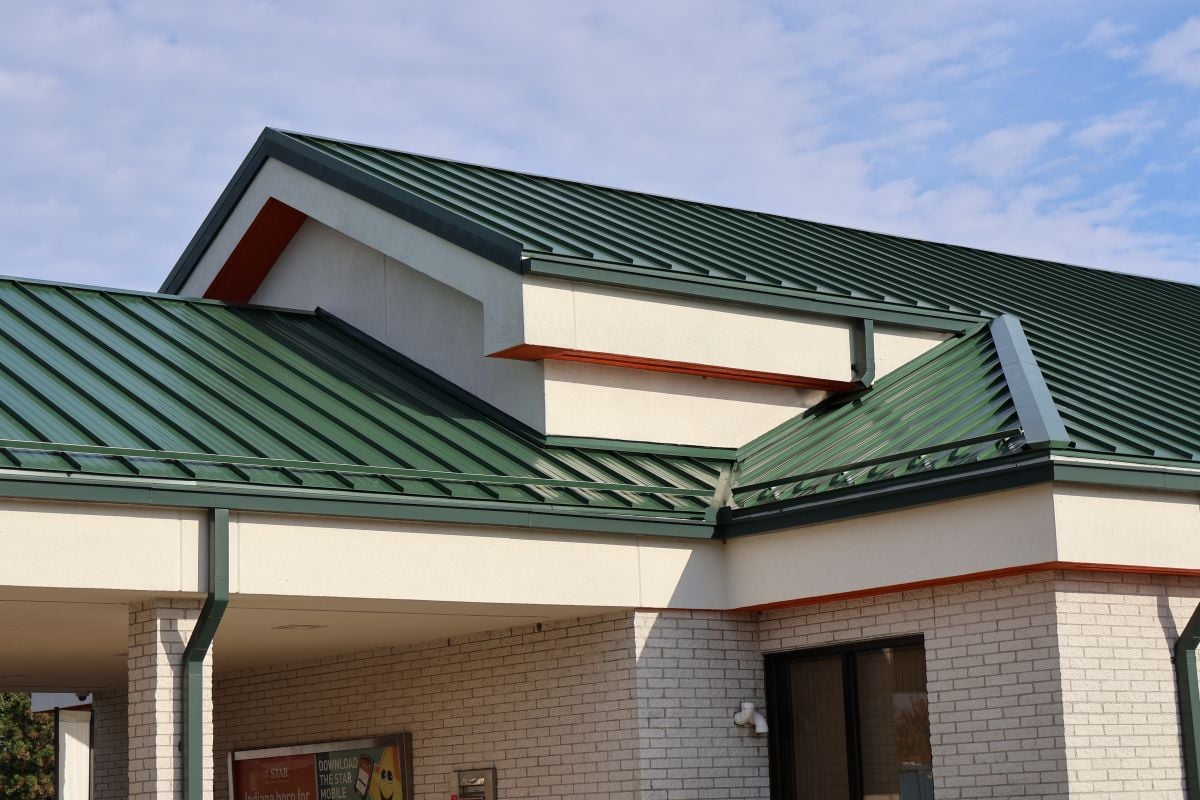
Metal roofs face a few unique challenges that shingle roofs do not. Knowing what these issues look like helps you spot them during your seasonal checks.
- Fastener back-out: On exposed fastener roofs, thermal expansion as panels heat and cool puts structural stress on screws and can loosen them. Standing seam metal panels hide their fasteners, which greatly reduces this risk.
- Sealant breakdown: Sealant and flashing are a critical part of keeping water out, but sealants around vents, chimneys, and skylights dry out and crack over time. They usually need touch-ups every several years, even on a well-installed roof.
- Scratches and finish damage: Deep scratches and exposed cut edges can lead to rust on steel roofs. Touch-up paint from the manufacturer protects these spots before corrosion starts.
- Contact with other metals: Copper, pressure-treated lumber, and certain other roofing materials can react with steel or aluminum panels and cause corrosion. Keep these materials from touching or draining onto your roof.
- Oil canning: Some flat metal panels show slight waviness, often called oil canning. It is usually cosmetic, but sudden changes in appearance are worth having checked.
Recognizing these issues early keeps minor problems from turning into leaks or premature panel replacement. Homeowners in Huntertown, IN and surrounding areas with exposed fastener roofs should pay especially close attention to screws and washers, since temperature swings here are significant from summer to winter.
DIY Maintenance vs. Professional Service
Some metal roof care is perfect for homeowners, while other tasks are safer and more effective in professional hands. Knowing the difference protects both you and your roof.
| Task | Homeowner Friendly | Best Left to a Pro |
| Ground-level visual inspection | Yes | |
| Cleaning gutters from a ladder | Yes | |
| Rinsing panels with a garden hose | Yes, on low-slope single-story roofs | Taller or steeper roofs |
| Trimming small overhanging branches | Yes | Large limbs near the roof |
| Replacing loose fasteners and washers | Yes | |
| Resealing flashing and penetrations | Yes | |
| Repairing dents, punctures, or seams | Yes | |
| Thorough inspection | Yes, every one to two years |
Stay Safe on and Around the Roof
Metal panels can be slippery when wet, dusty, or covered in morning dew, and walking on them incorrectly can dent the panels. If you must get on the roof, wear soft-soled shoes, step only where the panels are supported, and never work alone. For most homeowners, the safest choice is to handle ground-level tasks and leave rooftop work to experienced professionals.
Regular inspections by a professional roofing contractor complement your own seasonal checks. A professional contractor serving Huntertown, IN and surrounding areas can spot hidden fastener, flashing, and seam issues that are difficult to see from the ground. Building owners with a metal commercial roof should also add HVAC units, clogged drains, and standing water to the same routine.
Frequently Asked Questions About Metal Roof Maintenance
Homeowners often have similar questions about caring for a metal roof. Here are quick answers to the ones that come up most often.
How often should a metal roof be inspected?
Plan on a quick visual check each season and after major storms, plus a professional annual inspection or one every two years so the roof continues to perform well.
Can I pressure wash my metal roof?
It is best to avoid pressure washing. High-pressure water can damage the protective finish and force water under panel seams. A garden hose, mild detergent, and a soft bristle broom are usually all you need.
How often do screws need to be replaced on a metal roof?
On exposed fastener roofs, screws and washers often need inspection and selective replacement every 10 to 20 years. Standing seam metal roofs with concealed fasteners rarely need this service.
What should I do about scratches on my metal roof?
Clean the area and apply the manufacturer’s touch-up paint to protect exposed metal. Deep scratches on steel panels should be addressed quickly to prevent rust and costly damage.
Does a metal roof need special care in winter?
Mostly, it needs monitoring. Make sure snow guards are secure, keep gutters clear before winter, and watch for ice dams and heavy ice from the ground.
If your question is not covered here, a local roofing professional can review your specific roof type and recommend the right maintenance plan to prevent future roof problems. Every roof system has slightly different needs.
Keep Your Metal Roof Performing for Decades
A metal roof is one of the best long-term investments you can make in your home, and a simple seasonal routine helps you get every year of value out of it. With regular checks, gentle cleaning, and professional help for the bigger jobs, your roof can stay strong, attractive, and leak-free for generations. Maumee River Roofing helps homeowners in Huntertown, IN and surrounding areas protect their metal roofs through a dedicated roof maintenance service, careful repairs, and a full replacement when the time comes. If your roof is due for an inspection or you have noticed something that needs a closer look, contact us today to schedule a visit.