

A metal roof is built for durability, but even long-lasting roofing systems can develop issues over time if damage or wear goes unnoticed. Metal roof leaks can lead to costly structural repairs, mold growth, and interior water damage when left untreated. Knowing what causes leaks and how to address them early can help homeowners avoid much larger problems later. Homeowners researching long-term roof protection often explore high-performance metal roofing systems built for durability while learning how maintenance and repairs impact roof lifespan.
In this guide, you will learn:
- The most common causes of metal roof leaks
- Warning signs homeowners should never ignore
- How roofing professionals repair different types of leaks
- When leak repairs may not be enough
- Preventive maintenance tips for metal roofing systems
- What homeowners in Auburn and surrounding areas should know about protecting their roofs
Why Metal Roof Leaks Demand Immediate Attention
Metal roofs are known for longevity and weather resistance, but no roofing system is completely immune to problems. Leaks can develop from aging components, installation mistakes, storm damage, or lack of maintenance. Once water enters the roofing system, the damage often spreads far beyond the visible leak itself.
Moisture can travel through insulation, decking, framing, and interior walls before becoming noticeable inside the home. That hidden damage may eventually weaken structural components and create conditions for mold growth.
Addressing roof leaks quickly offers several major benefits:
- Protects Structural Components: Early repairs help prevent moisture-related wood rot and framing damage.
- Reduces Interior Damage: Fast action minimizes stained ceilings, damaged drywall, and ruined belongings.
- Prevents Mold Growth: Limiting moisture intrusion reduces the risk of mold and mildew.
- Extends Roof Lifespan: Repairing minor issues early may help delay roof replacement.
- Improves Energy Efficiency: Dry insulation performs far better than moisture-damaged materials.
For homeowners in Auburn and surrounding areas, where roofing systems endure snow, rain, hail, and seasonal storms, routine inspections and leak prevention are especially important.
9 Common Causes of Metal Roof Leaks and How Professionals Fix Them
Metal roofs are designed to shed water effectively, but several issues can still create vulnerabilities over time. Understanding these causes helps homeowners identify warning signs before leaks lead to major repairs.
1. Loose or Backed-Out Fasteners
Metal roof panels are secured using screws and fasteners that include rubber sealing washers. Over time, expansion and contraction caused by temperature changes may loosen these fasteners.
Once fasteners lift slightly, water may seep through the exposed opening.
Common warning signs include:
- Raised screw heads
- Rust around fasteners
- Loose roof panels
- Small drips during storms
Repairs usually involve replacing worn fasteners and installing new sealing washers.
2. Damaged Flashing Around Roof Penetrations
Flashing protects areas where the roof meets chimneys, skylights, vents, and walls. If flashing becomes loose, cracked, or improperly sealed, leaks may develop quickly.
Flashing failure is one of the most common causes of recurring roof leaks.
Areas frequently affected include:
- Plumbing vents
- Chimneys
- Skylights
- Roof valleys
- Wall intersections
Professional repairs may include resealing, replacing flashing components, or correcting installation errors.
3. Rust and Corrosion
Although metal roofs are highly durable, protective coatings can wear down over time. Once rust develops, corrosion may gradually weaken the roofing panels and create openings for water intrusion.
Corrosion often appears in areas where moisture remains trapped.
Signs of rust problems include:
- Orange discoloration
- Flaking surfaces
- Small holes or pits
- Weak metal sections
Minor rust damage may sometimes be repaired with specialized coatings, while advanced corrosion may require panel replacement.
4. Improper Roof Installation
Some roof leaks are caused by installation mistakes that remain hidden for years before problems become visible.
Improper installation issues may include:
- Incorrect panel overlap
- Poor seam alignment
- Missing sealants
- Improper flashing placement
- Inadequate fastening methods
These issues often require professional correction because temporary patching rarely solves the root problem.
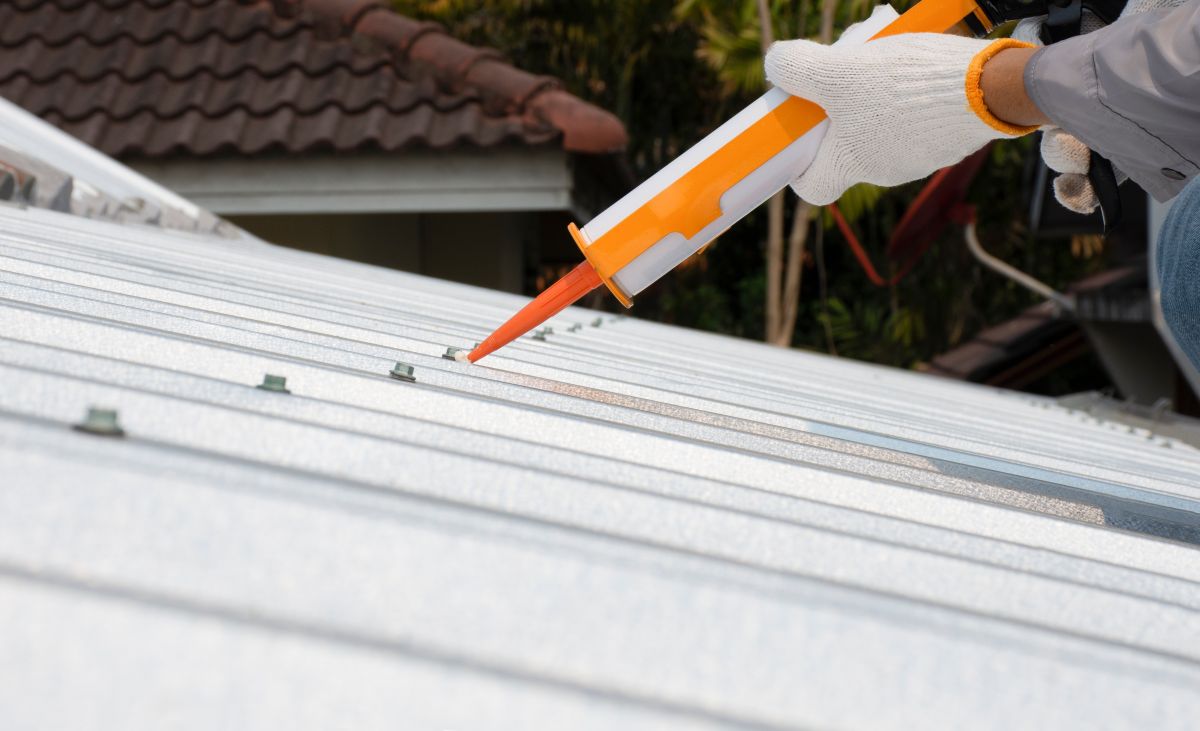
5. Aging Sealants and Gaskets
Sealants and rubber washers naturally deteriorate over time due to UV exposure and changing weather conditions.
When sealants begin cracking or shrinking, gaps may form around fasteners and seams.
Common symptoms include:
- Cracked caulking
- Brittle rubber washers
- Water stains near seams
- Visible separation around roof penetrations
Routine maintenance inspections help identify failing sealants before leaks worsen.
6. Storm Damage
Strong storms can damage metal roofing systems in several ways. Wind-driven debris, hail, and fallen branches may dent panels or loosen flashing components.
Some storm damage is immediately visible, while other problems develop gradually afterward.
After major weather events, homeowners should check for:
- Dented roofing panels
- Missing fasteners
- Lifted flashing
- Puncture marks
- Interior ceiling stains
Professional inspections are often recommended after severe storms in Auburn and surrounding areas.
7. Poor Attic Ventilation
Improper attic ventilation may contribute to condensation buildup beneath metal roofing systems. In some cases, homeowners mistake condensation for an active roof leak.
Excess attic moisture may eventually damage decking and insulation.
Ventilation-related problems may include:
- Mold growth
- Frost buildup in winter
- Damp insulation
- Musty attic odors
Balanced attic airflow helps reduce moisture accumulation year-round.
8. Clogged Gutters and Drainage Problems
When gutters overflow, water may back up beneath roofing components or collect around vulnerable roof edges.
Poor drainage increases long-term moisture exposure and accelerates wear on roofing materials.
Regular gutter maintenance helps prevent:
- Water pooling
- Fascia damage
- Ice dams
- Overflow near roof seams
Proper drainage plays a major role in preventing recurring leaks.
9. Roof Age and General Wear
Even high-quality metal roofs eventually experience aging-related deterioration. Decades of exposure to sunlight, storms, thermal movement, and moisture gradually weaken roofing components.
Older roofs often develop multiple small vulnerabilities simultaneously.
Common age-related issues include:
- Worn protective coatings
- Loose fasteners
- Seam separation
- Flashing deterioration
- Increased panel movement
When repairs become frequent, replacement may provide better long-term value.
Signs Your Metal Roof May Be Leaking
Roof leaks are not always easy to spot immediately. In many cases, water travels through hidden areas before becoming visible indoors.
Recognizing the warning signs early can help homeowners avoid major structural damage.
Water Stains on Ceilings or Walls
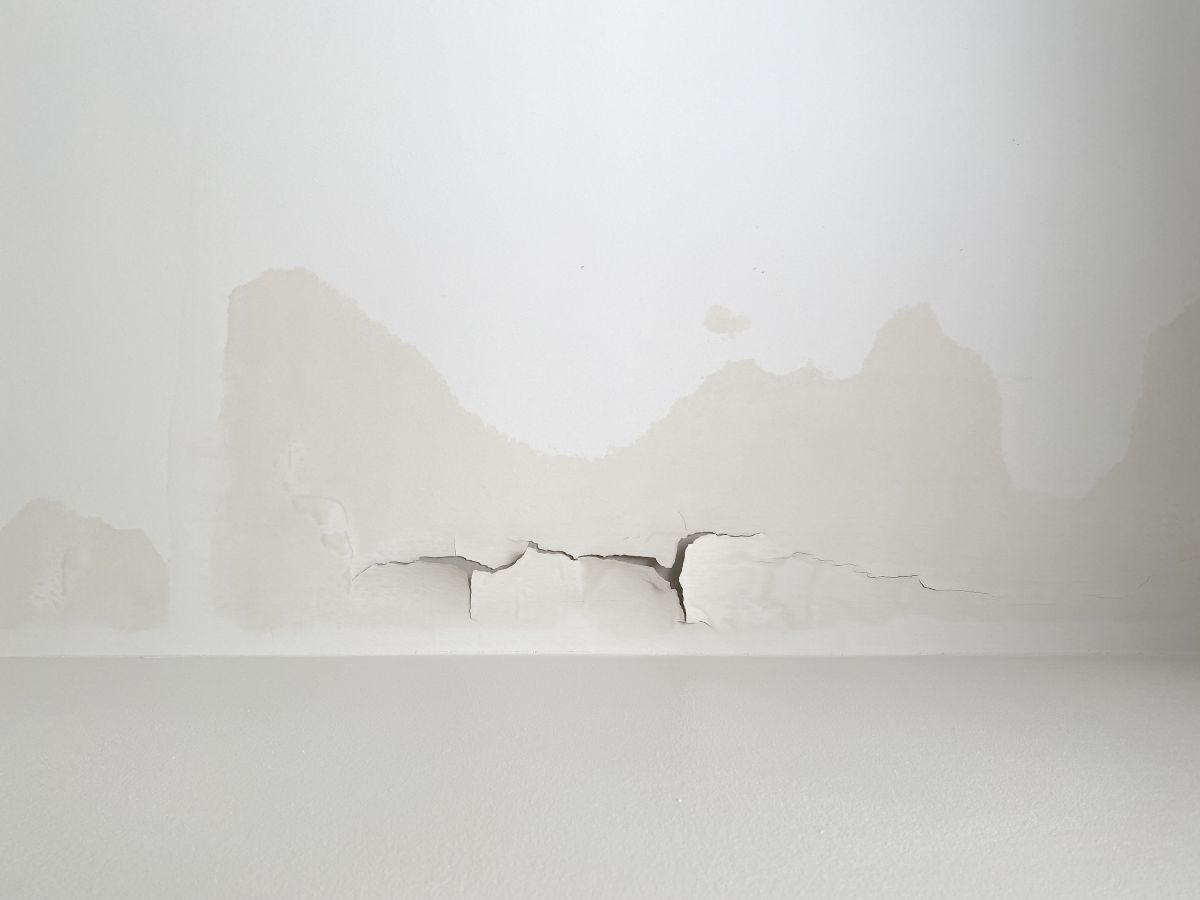
Brown discoloration on ceilings or upper walls is often one of the first visible indicators of roof leakage.
These stains may expand over time as moisture spreads through surrounding materials.
Mold or Musty Odors
Persistent damp smells inside the attic or upper floors may indicate hidden moisture intrusion.
Mold growth often develops in dark, poorly ventilated areas affected by leaks.
Peeling Paint or Bubbling Drywall
Moisture trapped behind interior surfaces may cause paint to peel or drywall to bubble.
These symptoms should never be ignored because they often indicate ongoing water exposure.
Dripping During Heavy Rain
Visible dripping during storms is an obvious warning sign, although the actual source of the leak may not be directly above the visible water.
Professional inspections help locate hidden entry points accurately.
How Roofing Professionals Repair Metal Roof Leaks
The best repair method depends on the source and severity of the leak. Professional roofing contractors evaluate the entire roofing system before recommending repairs.
Different problems require different repair approaches.
Fastener Replacement
Loose or damaged screws are often replaced with oversized fasteners and new sealing washers.
This helps restore watertight protection while improving panel security.
Flashing Repairs
Damaged flashing may be resealed or fully replaced depending on the condition of surrounding materials.
Proper flashing installation is critical for long-term leak prevention.
Roof Coating Applications
Specialized roof coatings may help seal minor leaks and protect aging metal surfaces from further corrosion.
Roof coatings can also improve UV resistance and extend roof lifespan.
Panel Replacement
Severely rusted or damaged panels may require replacement rather than patching.
Replacing isolated sections often restores performance without requiring a full roof replacement.
When Repairs May Not Be Enough
Although many leaks can be repaired successfully, some roofing systems eventually reach a point where replacement becomes more cost-effective.
Repeated repairs on aging roofs may become increasingly expensive over time.
Signs a Roof May Need Replacement
Certain warning signs indicate repairs alone may no longer provide reliable long-term protection.
These include:
- Widespread corrosion
- Multiple recurring leaks
- Structural sagging
- Extensive storm damage
- Large areas of failing panels
A professional inspection helps determine whether restoration or replacement makes the most sense.
Comparing Repair vs. Replacement
| Roofing Situation | Recommended Solution | Main Benefit |
| Minor isolated leaks | Targeted repairs | Lower immediate cost |
| Moderate aging with limited damage | Roof restoration | Extends roof lifespan |
| Severe deterioration | Full replacement | Long-term protection |
Choosing the right solution depends on roof age, overall condition, and long-term goals.
Preventing Future Metal Roof Leaks
Preventive maintenance is one of the best ways to reduce the risk of leaks and extend roof lifespan.
Simple routine care can help homeowners avoid major repair costs later.
Schedule Annual Roof Inspections
Professional inspections help identify small issues before they become expensive problems.
Annual evaluations are especially valuable after severe storms.
Keep Gutters Clean
Proper drainage helps prevent water backup and excess moisture exposure around roof edges.
Clogged gutters are one of the most common contributors to roof-related water problems.
Address Small Repairs Quickly
Minor issues such as loose fasteners or damaged flashing should be repaired promptly.
Small repairs are far less expensive than major structural restoration work.
Trim Nearby Trees
Overhanging branches may scrape roofing surfaces or fall during storms.
Keeping trees trimmed reduces the risk of impact damage.
Protect Your Home From Long-Term Water Damage
Metal roof leaks may begin as small problems, but they can quickly lead to major structural damage if ignored. Understanding the causes of leaks and addressing issues early helps protect your home, improve roof lifespan, and reduce long-term repair costs. Proper inspections, maintenance, and professional repairs all play an important role in keeping metal roofing systems performing at their best.
If you suspect roof leaks or want a professional inspection of your metal roofing system, the team at Maumee River Roofing is ready to help. Whether you need repairs, restoration, or a complete roofing upgrade in Auburn and surrounding areas, contact us today to schedule a consultation with Maumee River Roofing.