

When homeowners invest in a metal roof, they expect decades of durability and protection. But poor installation can turn that investment into a nightmare of leaks, structural damage, and premature failure. Understanding metal roof installation mistakes before work begins gives you the knowledge to ask the right questions, hire the right contractor, and protect your home from the start. If you are considering upgrading to a longer-lasting, low-maintenance roofing option, learning what separates a quality installation from a costly one is essential reading before you sign any contract.
What you’ll learn:
- Why professional installation quality directly determines your metal roof’s lifespan
- The most common mistakes that lead to leaks, rust, and voided warranties
- How improper underlayment, fastening, and ventilation can cause long-term damage
- What questions to ask your contractor before installation begins
- How to protect your investment with proper maintenance and inspections
Why Installation Quality Determines Long-Term Value
Metal roofing is one of the most durable and cost-effective roofing systems available today, often lasting 40 to 70 years when properly installed. Homeowners in Fishers, IN and surrounding areas are increasingly choosing metal for its energy efficiency, wind resistance, and low maintenance. However, the performance of any metal roof is only as good as the installation behind it.
Not all roofing systems are created equal, and a panel system handled by an inexperienced installer will always underperform one that is properly planned and executed. Understanding why installation quality matters so much helps set realistic expectations and empowers you to hold contractors accountable.
- Long-term waterproofing: Every fastener hole, seam, and panel edge is a potential water entry point. Correct technique seals all of them permanently, protecting the entire structure from water infiltration.
- Thermal performance: Metal expands and contracts with temperature changes. Proper installation accounts for this movement so panels do not buckle or pull apart.
- Warranty protection: Most manufacturers require certified installation to honor material warranties. DIY or underqualified work can void coverage entirely.
- Structural integrity: Incorrectly spaced or driven fasteners compromise durability and fail during high winds, putting the entire roof system at risk.
Skipping corners during a roofing project may save money upfront, but repair costs and early replacement often far exceed those initial savings. A roof installed correctly the first time simply performs better across every metric.
7 Metal Roof Installation Mistakes Homeowners Should Know About
Metal roofing rewards precision, and every step in the process matters. The following are among the most common mistakes that cause premature failure, and knowing them helps you spot warning signs before they become expensive problems across residential and commercial projects alike.
1. Using the Wrong Underlayment
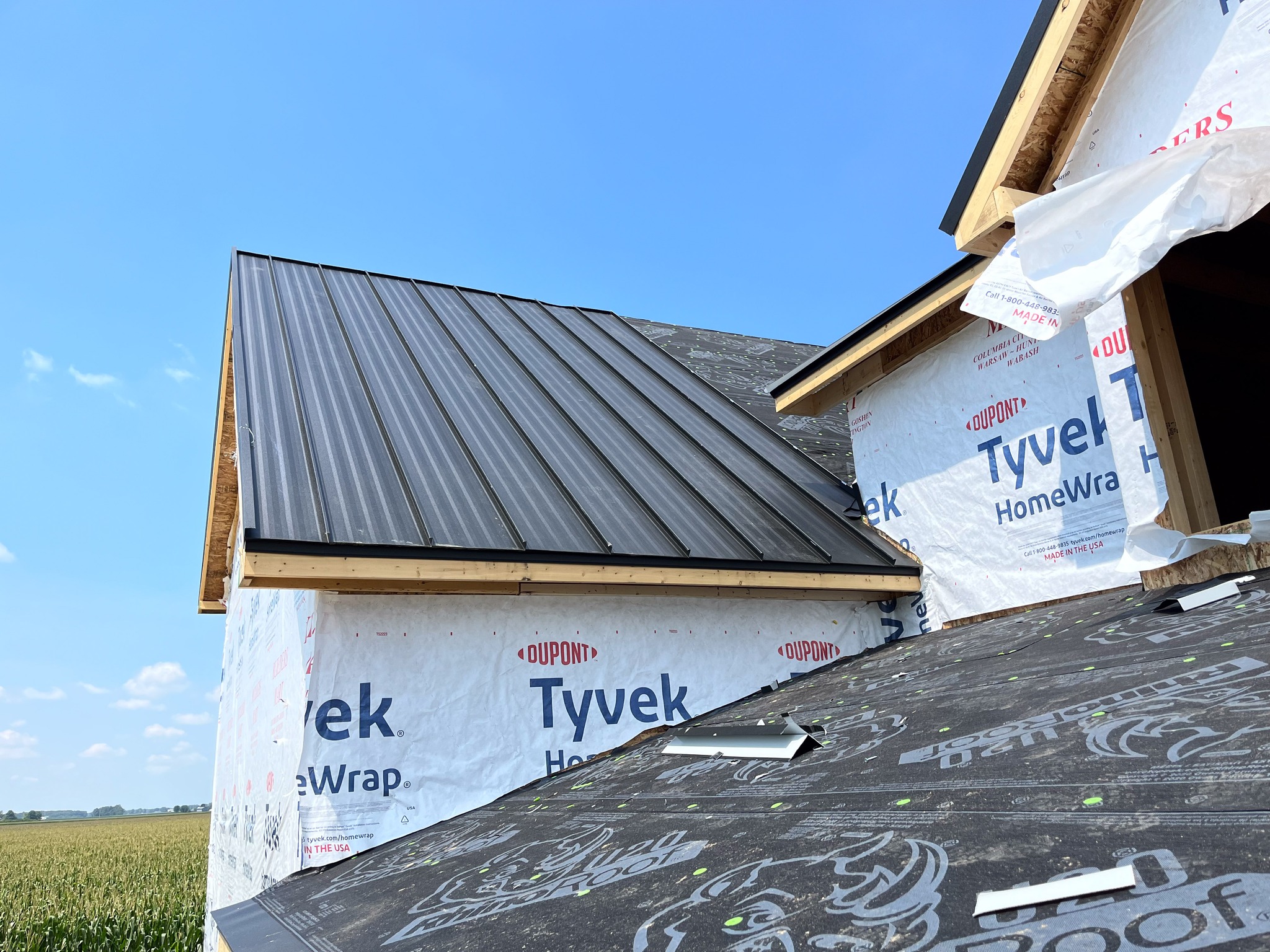
Underlayment acts as a secondary moisture barrier beneath metal panels. Standard felt paper can trap heat and moisture against the metal, accelerating corrosion over time. A breathable, high-temperature synthetic underlayment specifically designed for metal applications is essential, and skipping this detail is a leading cause of condensation buildup underneath the panels.
- Look for products rated for temperatures above 240 degrees Fahrenheit
- Avoid standard asphalt-saturated felt beneath metal panels
- Ensure full coverage with no gaps, especially at ridges and valleys
2. Incorrect Fastener Spacing and Type
Fasteners anchor panels to the roof deck, and using the wrong screws or driving them incorrectly causes dimpling, cracking, and seal failure. Metal panels require specific screws with neoprene washers that compress just enough to seal without stripping. Under-tightening is just as problematic as over-tightening, and both lead to loose panels and eventual leaks.
- Over-driven screws compress washers past their sealing point, breaking the seal
- Under-driven screws leave gaps that allow water infiltration at panel laps
- Panel-edge fastening without proper support causes cracking under wind uplift
3. Ignoring Thermal Expansion and Contraction
Metal naturally expands in heat and contracts in cold. A roof installed without room for this movement will buckle or develop cracked seams within a few years. This mistake often shows up as oil canning or visible waviness across the panel surface, and it is entirely avoidable with the right clip system and fastener approach.
- Standing seam systems handle expansion better than exposed fastener panels
- Fixed clips restrict movement and cause panel damage over time
- Rigid attachment at every fastener point leads to stress fractures
4. Poor Flashing and Pipe Flashing Installation
Flashings around chimneys, vents, and roof-to-wall transitions are the most common source of leaks on any roof. Pipe flashing around plumbing penetrations is a detail that often gets rushed, leaving gaps that allow water directly into the structure. All flashing must be fabricated from compatible metals to prevent galvanic corrosion between dissimilar materials.
- Use matching or compatible metals for all flashing and pipe flashing components
- Apply proper sealant along flashing edges and refresh it on schedule
- Step flashing at wall intersections must integrate correctly with each panel course
5. Inadequate Ventilation Planning
Without balanced attic ventilation, heat and moisture build up underneath metal panels, causing condensation, rust, wood rot in the decking, and reduced insulation performance. Building owners and homeowners alike often treat ventilation as optional, but it directly affects how long the entire roof system lasts.
- Calculate intake and exhaust ratios based on attic square footage
- Ridge vents paired with soffit vents create effective convective airflow
- Poorly vented attics trap heat that accelerates deterioration of roofing components
6. Skipping or Misapplying Sealant
Many installers rush the sealant step or use general-purpose caulk that is not compatible with metal roofing materials. Sealant that fails allows water to wick beneath the panels, especially during the freeze-thaw cycles common in Fishers, IN and surrounding areas. Using the right products matters just as much as applying them correctly.
- Use butyl tape beneath panel laps for a durable compression seal
- Apply sealant rated for metal roofing, not standard silicone or latex caulk
- Inspect and refresh sealant at trim and flashing points every five to seven years
7. Overlooking Deck Preparation and Roof Pitch
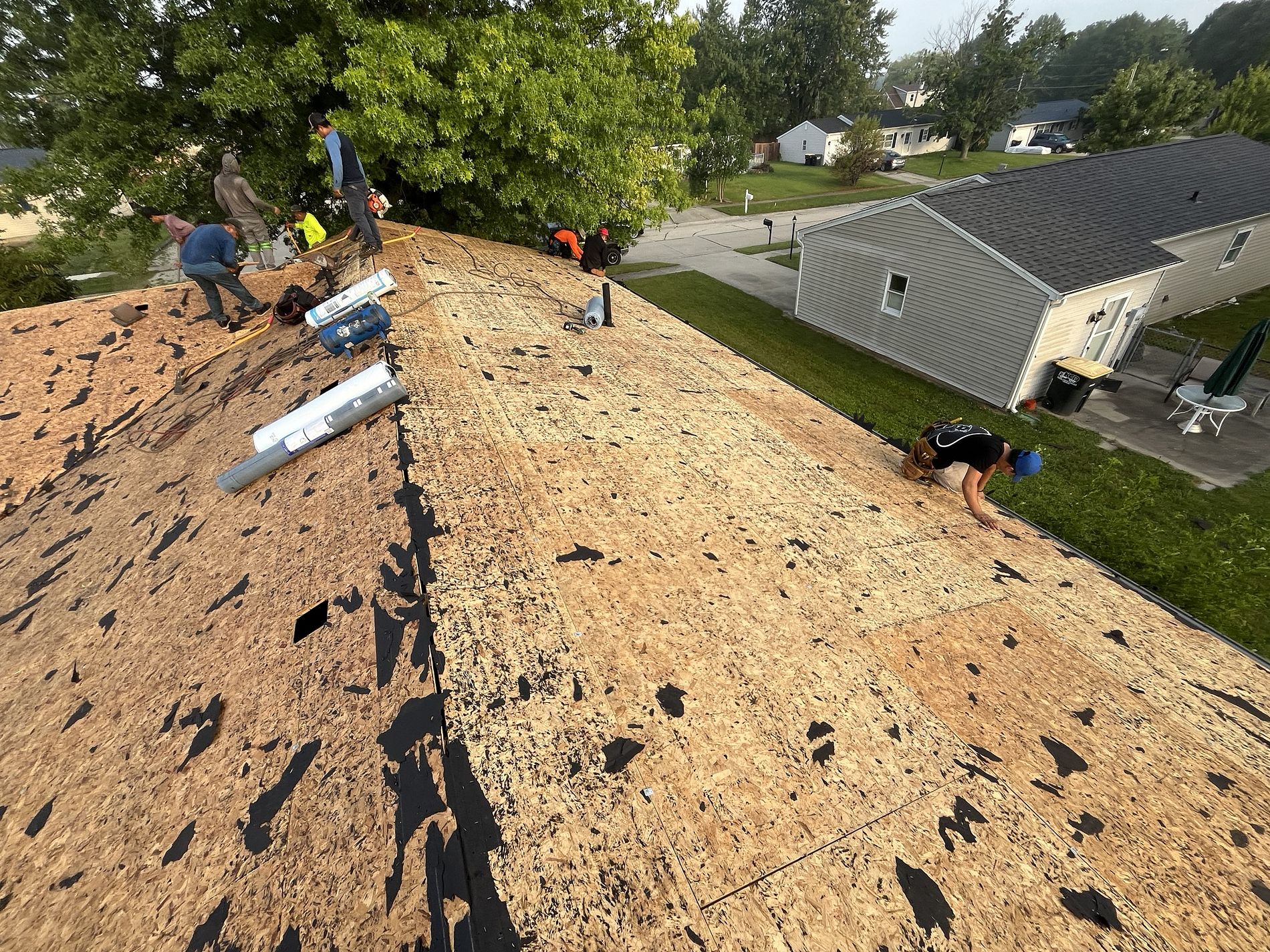
A metal roof installed over a deteriorated deck is destined to fail. Uneven surfaces cause visible waviness in the finished panels, and rotted sheathing creates stress points that worsen with every weather cycle. Roof pitch also matters: different panel profiles have minimum pitch requirements, and a double-check of compatibility before ordering material prevents costly surprises mid-project.
- Replace any sheathing with soft spots, rot, or significant warping
- Confirm the panel profile is suited to the roof pitch before installation
- Address any structural framing concerns before new roofing goes down
Each of these mistakes is entirely preventable with the right roofing contractor and proper planning. When you review bids, ask directly how each concern will be addressed on your specific project.
How to Vet a Metal Roofing Contractor Before You Hire
Choosing the right professional installer requires deliberate vetting, and the questions you ask before hiring are just as important as the installation itself. Homeowners across Fishers, IN and surrounding areas have learned that the lowest bid rarely reflects the full cost when problems emerge later.
Ask About Manufacturer Certification
Many manufacturers offer certification programs requiring contractors to complete product-specific training. Certified installers unlock extended warranty coverage and demonstrate the product knowledge needed to install a commercial panel system or uncommon panel profile correctly. Always ask whether your contractor is certified by the manufacturer whose panels they are installing.
Request a Detailed Scope of Work
A quality contractor will provide a written scope of work covering underlayment type, fastener specifications, flashing materials, ventilation planning, and warranty terms. This document protects you if the installation deviates from what was agreed upon. A vague proposal, or resistance to putting details in writing, is a clear red flag.
Check References for Metal-Specific Experience
Experience with asphalt shingles does not automatically translate to metal roofing expertise. Ask for references from customers who had metal roofs installed, and follow up on them. A professional who has handled both residential and commercial buildings will have the hands-on experience needed to manage detail work correctly on your project.
What Proper Metal Roof Installation Actually Looks Like
Understanding what good work looks like helps you recognize it in the field. These benchmarks give you a practical framework to evaluate work as it progresses on your property.
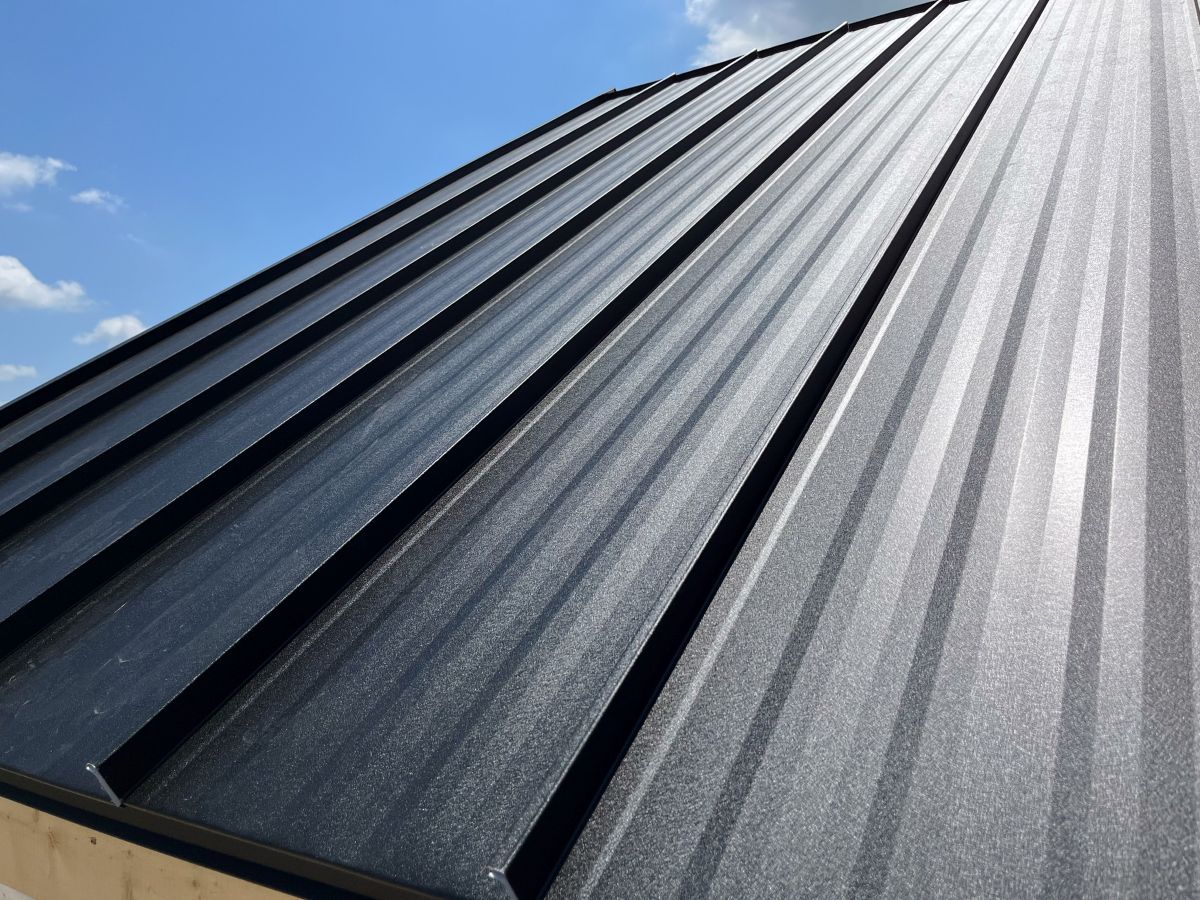
- Consistent panel alignment: Panels should run straight from ridge to eave with no visible bowing or visible waviness. Oil canning that runs unevenly across the surface suggests rushed work.
- Uniform fastener placement: Fasteners should be driven to the same depth across every panel, with washers compressed evenly. Looking up the roof slope from the ground will reveal obvious inconsistencies.
- Clean flashing integration: Flashings should be tight and well-sealed, with no gaps or poorly cut edges around pipe flashing and vents. Visible caulk blobs are a sign of inexperienced workmanship.
- Proper ridge cap installation: The ridge cap must be installed with overlapping closures and sealed ends. Open ridge ends invite pest infiltration and water damage at the roof’s most vulnerable point.
- Clean trim and edge work: Rake and eave trim should sit tight against the panels with no visible gaps. Trim that flutters or shows daylight underneath allows wind-driven rain to enter the system and compromise the seal.
Homeowners who take the time to understand these benchmarks are far better positioned to hold their contractor accountable throughout the job. Do not hesitate to ask your installer to walk you through what you are seeing at key stages.
Get Your Metal Roof Done Right the First Time
Investing in a metal roof is one of the smartest decisions a homeowner can make, but only when installed with the expertise the material demands. Improper installation affects weather resistance, the durability of the entire structure, and long-term performance. Partnering with a roofing contractor who understands these risks is the single most important factor in your new roof’s success.
At Maumee River Roofing, we bring that expertise to every project we take on. Our team knows metal roofing from the deck up, and we stand behind our work with transparent processes, quality products, and installations built to last. If you are ready to move forward with confidence, contact us today and let us show you what a properly installed metal roof looks like.