

A metal roof is only as strong as the details that protect its most vulnerable areas. Metal roof flashing types play a critical role in preventing leaks, directing water away from seams, and extending the lifespan of your roofing system. Whether you are planning a new installation or replacing aging components, understanding flashing options can help you make smarter decisions for your home. Homeowners exploring durable roofing upgrades often compare materials and protection methods while learning more about long-lasting metal roofing solutions.
In this guide, you will learn:
- What roof flashing does and why it matters
- The most common metal roof flashing types used in 2026
- Where flashing is installed on a roof system
- Signs your flashing may need repair or replacement
- How proper installation protects homes in Indianapolis and surrounding areas
- What homeowners should ask before hiring a roofing contractor
Why Roof Flashing Is Essential for Metal Roofing Systems
Metal roofing panels are designed to shed water efficiently, but every roof has transition points where water can collect or penetrate. Chimneys, skylights, valleys, vents, and roof edges all require properly installed flashing to create a watertight seal. Without the right flashing system, even a premium metal roof can develop leaks long before its expected lifespan.
Flashing acts as a protective barrier that redirects water away from vulnerable joints and seams. Because metal roofing expands and contracts with temperature changes, flashing must also be durable and flexible enough to handle movement over time. This is especially important in climates that experience snow, heavy rain, and seasonal storms like those seen in Indianapolis and surrounding areas.
Some of the biggest advantages of quality roof flashing include:
- Leak Prevention: Proper flashing keeps water from entering around roof penetrations and intersections.
- Longer Roof Lifespan: Flashing reduces moisture damage that can weaken roofing materials and decking.
- Improved Energy Efficiency: Sealed roof transitions help prevent air leaks and moisture intrusion.
- Reduced Maintenance Costs: High-quality flashing lowers the likelihood of recurring repairs.
- Better Storm Protection: Secure flashing helps metal roofing systems withstand harsh weather conditions.
Modern flashing systems are also designed to complement the appearance of metal roofs. Today’s homeowners want both performance and curb appeal, which is why many flashing components now come in matching finishes and colors.
7 Common Metal Roof Flashing Types Every Homeowner Should Know
Understanding the different types of flashing can help you identify vulnerable areas of your roof and communicate more confidently with roofing professionals. While each roof is unique, these are the most commonly used flashing types for residential metal roofing systems in 2026.
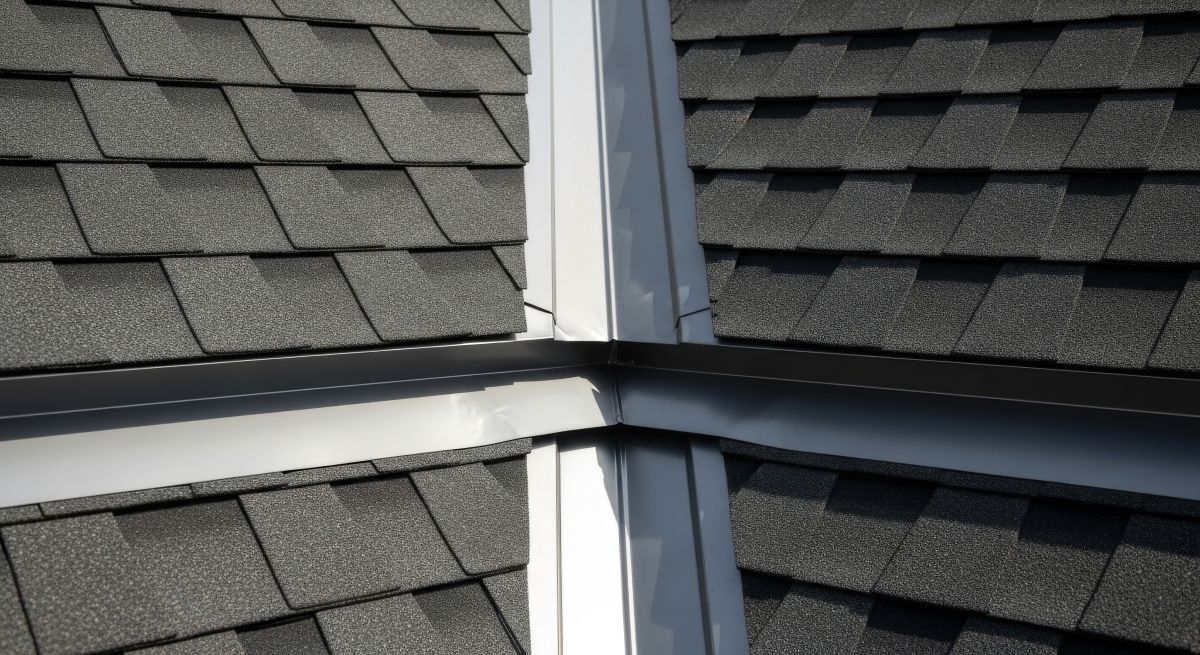
1. Valley Flashing
Valley flashing protects the area where two roof slopes meet. Since valleys naturally channel large amounts of water during rainstorms, they are one of the most critical components of any roofing system.
Metal valley flashing is usually installed beneath roofing panels to create a smooth drainage path. Improper installation in this area can quickly lead to leaks and water damage.
Important features of valley flashing include:
- Directs high volumes of water safely off the roof
- Prevents debris buildup in roof valleys
- Helps reduce ice dam formation in colder weather
- Often made from aluminum, galvanized steel, or copper
Homes in Indianapolis and surrounding areas frequently deal with seasonal freeze and thaw cycles, making properly installed valley flashing especially important.
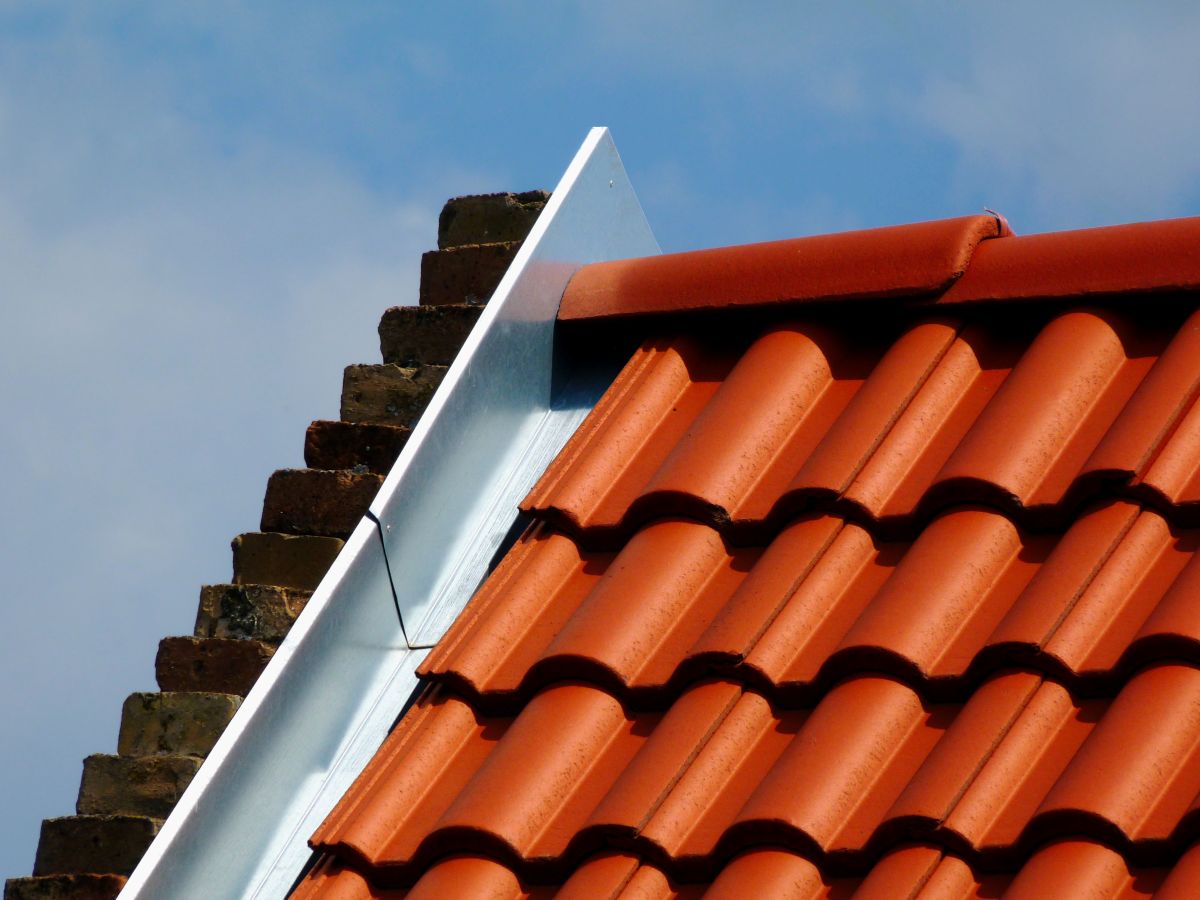
2. Drip Edge Flashing
Drip edge flashing is installed along roof edges to guide water into the gutters and away from fascia boards. It may seem like a small detail, but it plays a major role in preventing water damage around the perimeter of the roof.
Without drip edge flashing, water can seep behind gutters or wick into wood components over time.
Benefits of drip edge flashing include:
- Protects roof decking edges from moisture
- Helps prevent rot and mold growth
- Improves gutter performance
- Reduces wind-driven rain infiltration
Many modern building codes now require drip edge flashing because of its importance in protecting residential roofing systems.
3. Step Flashing
Step flashing is used where a roof meets a vertical wall, such as along dormers or sidewalls. Instead of using one continuous piece, step flashing consists of multiple overlapping metal sections installed alongside shingles or roofing panels.
This layered design helps create a highly effective water barrier.
Homeowners should know that step flashing:
- Prevents leaks where walls and roofs intersect
- Works well with both standing seam and exposed fastener systems
- Requires precise overlapping during installation
- Often pairs with counter flashing for extra protection
Poorly installed step flashing is a common source of roof leaks, especially in older homes.
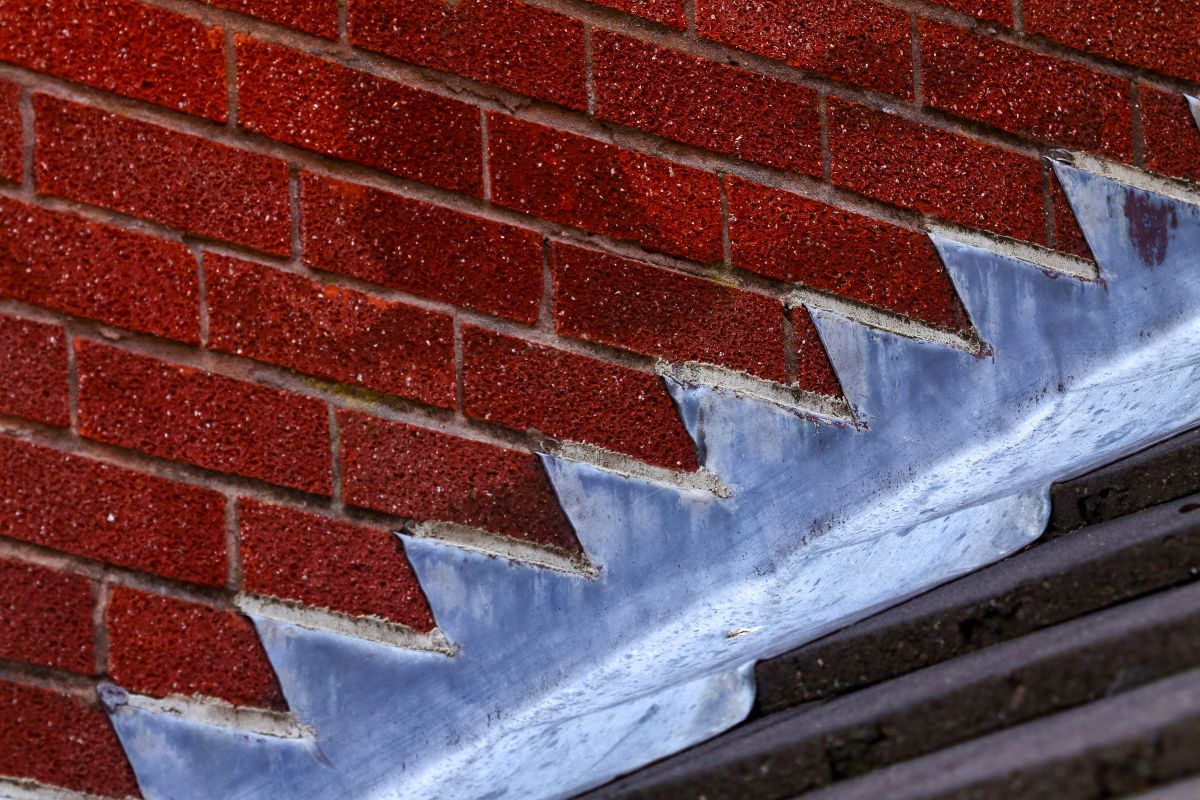
4. Counter Flashing
Counter flashing works together with base flashing to seal areas around chimneys and masonry walls. It is typically embedded into mortar joints and layered over another flashing component.
This creates a two-part waterproofing system that allows materials to expand and contract without breaking the seal.
Counter flashing is valuable because it:
- Protects chimney and wall intersections
- Extends the life of underlying flashing
- Provides a cleaner finished appearance
- Helps prevent moisture penetration during severe storms
In areas with frequent rainfall and winter weather, counter flashing is essential for long-term roof durability.
5. Vent Pipe Flashing
Vent pipe flashing seals plumbing vent penetrations that extend through the roof. These penetrations are common weak points because they interrupt the roof surface.
Modern vent flashing systems often use flexible rubber or silicone boots combined with metal bases for added durability.
Key advantages include:
- Creates a watertight seal around pipes
- Accommodates roof movement and expansion
- Helps prevent leaks caused by cracked sealants
- Available in several sizes for different pipe diameters
Routine inspections are important because vent boots can deteriorate over time from UV exposure and weather conditions.
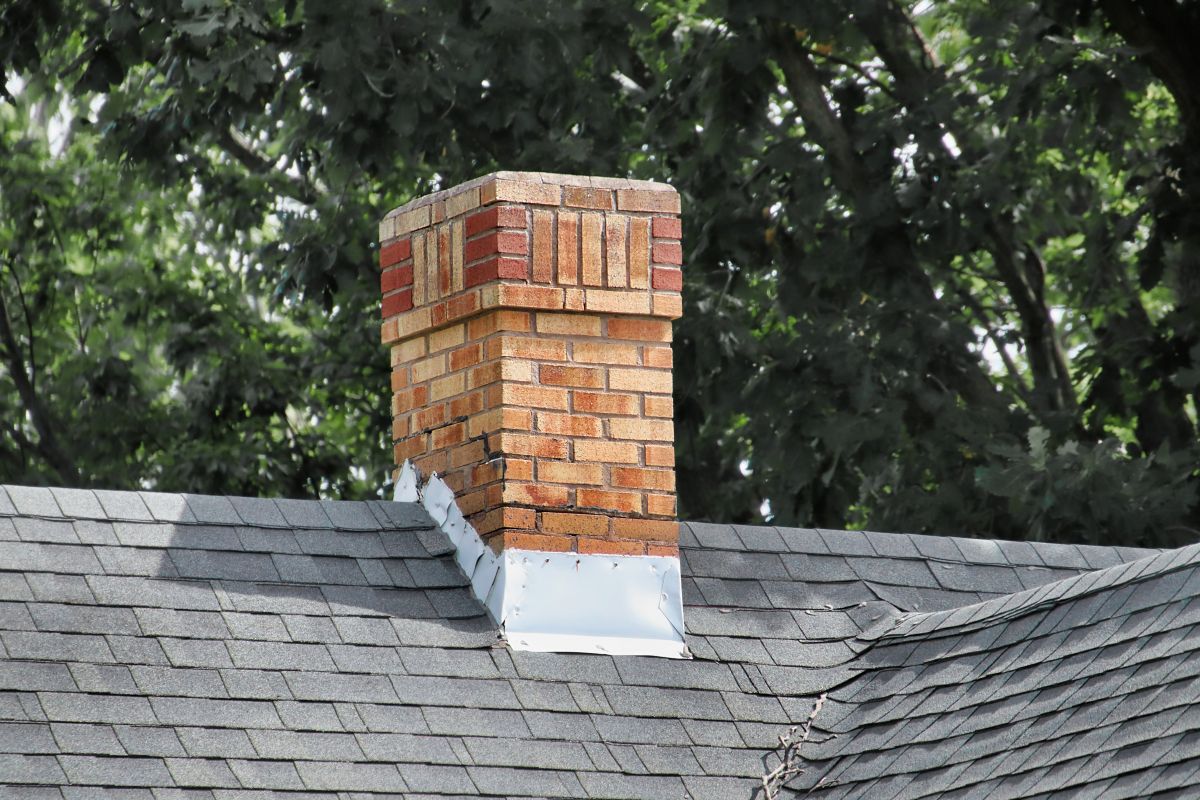
6. Chimney Flashing
Chimney flashing is one of the most complex flashing systems on a roof because chimneys create multiple transition points that require careful sealing.
A complete chimney flashing system may include:
- Base flashing
- Step flashing
- Counter flashing
- Cricket flashing behind the chimney
When installed correctly, chimney flashing prevents water from pooling around the structure and entering the home.
Signs of failing chimney flashing may include:
- Water stains near fireplaces
- Rusted flashing components
- Loose mortar joints
- Interior ceiling discoloration
Because chimney leaks can spread into attic spaces, early repairs are important for preventing structural damage.
7. Skylight Flashing
Skylights add natural light and visual appeal, but they also create openings in the roof that require advanced waterproofing protection.
Skylight flashing systems are specifically designed to direct water around the skylight frame while maintaining a secure seal against wind-driven rain.
High-quality skylight flashing helps:
- Prevent leaks around skylight edges
- Reduce condensation issues
- Improve long-term skylight performance
- Maintain energy efficiency
Homeowners in Indianapolis and surrounding areas should pay close attention to skylight flashing after severe storms or heavy snowfall, since these areas can experience added moisture stress.
How to Tell if Your Roof Flashing Needs Attention
Roof flashing problems are not always obvious from the ground. In many cases, flashing damage develops gradually over time before major leaks appear inside the home. Regular inspections can help identify early warning signs before repairs become more expensive.
Metal roofs are known for longevity, but flashing components may wear out sooner than the roofing panels themselves. Exposure to sunlight, temperature fluctuations, and storm activity can all contribute to deterioration.
Here are some common indicators that flashing may need repair or replacement.
Water Stains Inside the Home
Brown ceiling stains or peeling paint near walls and chimneys can indicate flashing failure. Water often enters through small openings around penetrations before becoming visible indoors.
Even minor discoloration should be inspected quickly to prevent hidden structural damage.
Rust or Corrosion
Although many flashing systems use corrosion-resistant metals, aging materials can still develop rust over time. Corroded flashing may weaken and eventually allow water infiltration.
Watch for:
- Orange or reddish discoloration
- Pitting on metal surfaces
- Cracked protective coatings
- Loose fasteners around flashing sections
Loose or Missing Components
High winds and severe weather can loosen flashing around roof edges, chimneys, or vents. Once flashing shifts out of place, water can penetrate underneath roofing materials.
After strong storms, homeowners should visually inspect the roof for signs of lifted metal or separated seams.
Cracked Sealants
Sealants around flashing components naturally degrade over time. Cracked caulking or exposed gaps may indicate that flashing systems are no longer watertight.
This issue is particularly common around vent pipes and skylights.
Increased Energy Bills
Moisture intrusion and air leaks caused by damaged flashing can affect insulation performance. If energy bills suddenly rise without explanation, roofing components may be contributing to the problem.
Professional inspections can help identify hidden vulnerabilities before they worsen.
Choosing the Right Flashing Material for Your Metal Roof
Not all flashing materials perform the same way. The best option depends on your roofing system, local climate, budget, and long-term maintenance goals.
Homeowners should understand the strengths and limitations of common flashing materials before making a decision.
| Flashing Material | Advantages | Considerations |
| Aluminum | Lightweight, corrosion-resistant, affordable | May dent more easily in hailstorms |
| Galvanized Steel | Durable and cost-effective | Protective coating can wear over time |
| Copper | Extremely long-lasting and visually attractive | Higher upfront cost |
| Stainless Steel | Strong and highly corrosion-resistant | Typically more expensive |
| Lead-Coated Copper | Excellent flexibility and durability | Less common in residential roofing |
Professional contractors often recommend matching flashing metals to the roofing system whenever possible. Mixing incompatible metals can increase the risk of galvanic corrosion.
Why Professional Installation Matters
Even the best flashing materials can fail if they are installed incorrectly. Metal roofing systems require precise measurements, proper overlap techniques, and attention to thermal movement.
Professional installation helps ensure:
- Proper water drainage
- Secure fastening methods
- Correct sealant application
- Compliance with local building codes
- Long-term performance during seasonal weather changes
In Indianapolis and surrounding areas, fluctuating temperatures can cause roofing materials to expand and contract significantly throughout the year. Experienced installers account for these movements when designing flashing systems.
Questions to Ask Before Hiring a Roofing Contractor
Choosing the right contractor is just as important as selecting quality materials. Before moving forward with a roofing project, homeowners should ask detailed questions about flashing installation practices.
Consider asking:
- What flashing materials do you recommend for my roof?
- How do you handle roof penetrations and valleys?
- Will flashing colors match the roofing panels?
- What warranty coverage is included?
- How do you address expansion and contraction in metal roofing systems?
A trustworthy contractor should be able to explain their installation process clearly and provide examples of completed projects.
Protect Your Home With the Right Roofing Details
Metal roofing systems are built for durability, but flashing is what keeps vulnerable areas protected year after year. From valleys and chimneys to skylights and roof edges, every flashing component works together to prevent leaks and preserve the integrity of your home. Investing in high-quality materials and professional installation can help homeowners avoid costly repairs while extending the lifespan of their roofing system.
If you are considering a roofing upgrade or suspect flashing issues on your current roof, the experienced team at Maumee River Roofing can help. Whether you need an inspection, repairs, or a full metal roofing installation in Indianapolis and surrounding areas, contact us today to schedule a consultation and learn more about protecting your home for years to come.