

A metal roof is only as reliable as the components holding it together. Metal roof fasteners play a critical role in preventing leaks, securing panels during storms, and helping roofing systems last for decades. Many homeowners focus on roofing materials while overlooking the importance of the screws, clips, and fastening systems used during installation. Many fasteners are kept in stock and available as building supplies for immediate pickup or shipping, making it easy to get what you need for your project. High-quality fasteners are designed to perform reliably and eliminate common worries about matching screws or installation issues. Metal roof fasteners are also available in a variety of colors, including blue, to match different roofing designs and provide aesthetic options for any project. Homeowners researching long-term roofing performance often explore durable metal roofing systems designed for lasting protection while learning how proper fastening methods affect roof lifespan and maintenance needs.
In this guide, you will learn:
- Why roof fasteners matter for metal roofing systems
- The most common types of metal roof fasteners
- How different fastening systems compare
- Warning signs of failing or damaged fasteners
- How climate and roof design influence fastener selection
- The availability of fasteners in multiple colors for aesthetic matching
- What homeowners in Columbia City and surrounding areas should know before installing a metal roof
Why Fasteners Are One of the Most Important Parts of a Metal Roof
When homeowners think about roofing systems, they usually focus on panels, color options, or weather resistance. However, fasteners are one of the most important components supporting the entire structure. These small pieces secure metal roofing panels to the decking or framing beneath while helping create a watertight seal across the roof surface. Fasteners must be installed correctly to prevent leaks and ensure the longevity of metal roofing panels. Using the right tools, such as a screw gun with an adjustable clutch and depth sensing control feature, is essential for proper installation and to avoid over-tightening, which can lead to potential roof leaks.
Improper fasteners or poor installation methods can lead to leaks, panel movement, corrosion, and costly repairs over time. Because metal roofing naturally expands and contracts with changing temperatures, fastening systems must be strong enough to handle movement while maintaining secure attachment points.
High-quality fasteners provide several major benefits:
- Leak Protection: Proper fasteners help create watertight seals around panel attachment points. Correct installation technique is crucial for leak prevention—screws must be driven or installed correctly to avoid leaks.
- Storm Resistance: Strong fastening systems improve wind resistance during severe weather.
- Longer Roof Lifespan: Durable fasteners reduce premature roof deterioration and panel shifting.
- Corrosion Prevention: Quality coatings help protect fasteners from rust and moisture exposure.
- Improved Structural Stability: Secure fasteners help roofing systems remain properly aligned over time.
For homes in Columbia City and surrounding areas, where roofs experience heavy rain, snow, and seasonal storms, fastener performance is especially important for long-term durability.
8 Types of Metal Roof Fasteners Every Homeowner Should Understand
Not all roofing fasteners are the same. Different metal roofing systems require different fastening methods depending on roof design, panel type, climate conditions, and structural requirements.
Understanding these common fastener types helps homeowners make more informed roofing decisions.
1. Exposed Fasteners
Exposed fasteners are visible screws installed directly through the roofing panels. These systems are commonly used on agricultural buildings, garages, and some residential roofing applications. Metal roofing screws used in exposed fastener systems are typically self-drilling, which means they can create their own hole in the metal roofing panel and substrate without the need for pre-drilling in most cases. Hex Washer Head Screws include a bonded EPDM rubber washer that compresses during installation to create a waterproof seal. The rubber washer is critical for maintaining water-tightness and preventing leaks.
Exposed fastener systems are popular because they are:
- More affordable
- Faster to install
- Easier to repair
- Widely available
However, because the fasteners remain exposed to weather conditions, the rubber washers surrounding the screws may eventually deteriorate over time.
Routine inspections are important for maintaining exposed fastener systems.
2. Concealed Fasteners
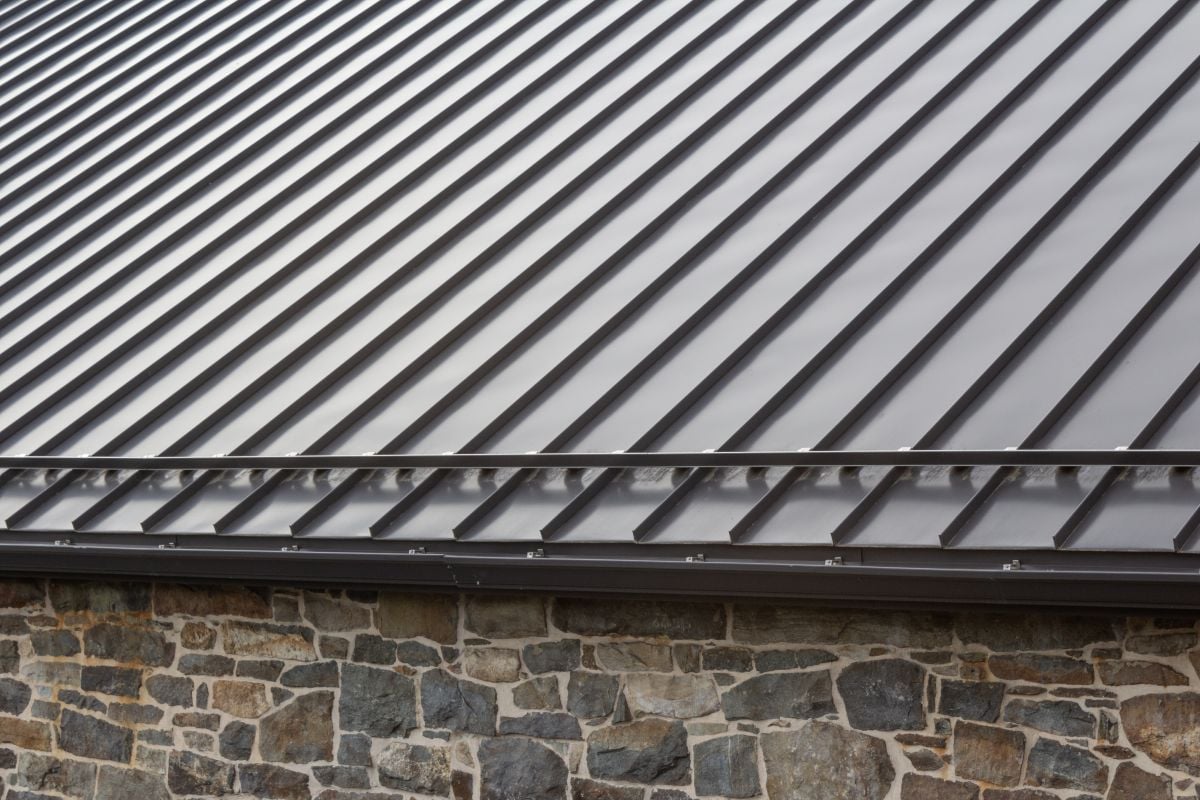
Concealed fasteners are hidden beneath overlapping panels or clips, creating a cleaner appearance and improved weather protection.
These systems are often used with standing seam metal roofing.
Advantages include:
- Reduced leak risk
- Improved curb appeal
- Better weather resistance
- Longer-lasting performance
Because concealed fasteners are protected from direct UV exposure and moisture, they often experience less wear over time.
3. Self-Tapping Screws
Self-tapping screws are designed to create their own threads during installation, eliminating the need for pre-drilled pilot holes in many applications.
These fasteners are commonly used because they:
- Simplify installation
- Provide strong holding power
- Reduce labor time
- Improve installation efficiency
Professional contractors carefully match screw type and length to the roofing material and structural substrate.
4. Stitch Screws
Stitch screws are shorter fasteners used to secure overlapping metal panels together rather than attaching panels directly to the roof deck.
These screws help:
- Strengthen panel seams
- Improve wind resistance
- Reduce panel movement
- Maintain proper alignment
Stitch screws are often used in areas exposed to stronger winds or larger roof spans.
5. Wood Substrate Fasteners
Some metal roofs are installed over wood decking, requiring specialized fasteners designed specifically for wood substrates.
These screws often include aggressive threading patterns for better grip strength.
Key benefits include:
- Strong wood penetration
- Improved holding power
- Better pull-out resistance
- Enhanced roof stability
Using the wrong fastener type for the substrate may weaken roof performance significantly.
6. Metal-to-Metal Fasteners
Metal-to-metal fasteners are designed for applications where roofing panels attach directly to metal framing systems rather than wood decking. Proper drilling technique and setting the correct drill speed are important for secure attachment and to prevent over-tightening during installation.
These fasteners typically feature:
- Hardened drill points
- Specialized threading
- High pull-out resistance
- Corrosion-resistant coatings
Commercial and industrial roofing systems commonly use this type of fastener.
7. Stainless Steel Fasteners
Stainless steel fasteners are valued for superior corrosion resistance, especially in areas with high moisture exposure.
Benefits include:
- Excellent rust resistance
- Long-term durability
- Reduced maintenance
- Strong weather performance
Although stainless steel fasteners often cost more initially, they may provide better long-term value for some roofing systems.
8. Clip Fastening Systems
Clip systems are commonly used with standing seam metal roofs. Instead of penetrating the panels directly, clips secure the roofing panels while allowing controlled movement during expansion and contraction.
Advantages include:
- Improved thermal movement flexibility
- Reduced visible fasteners
- Lower leak risk
- Enhanced long-term durability
Clip systems are especially effective for premium residential metal roofing installations.
How Fastener Quality Impacts Roof Performance
Not all roofing screws and fastening systems are manufactured to the same standards. Inferior fasteners may corrode, loosen, or fail much sooner than higher-quality products.
Fastener quality affects nearly every aspect of roof performance over time.
Corrosion Resistance Matters
Roof fasteners are exposed to moisture, temperature changes, and outdoor conditions year-round. Protective coatings help prevent rust and corrosion that could weaken attachment points.
Common protective coatings include:
- Zinc coatings
- Ceramic coatings
- Galvanized finishes
- Stainless steel construction
Fastener corrosion often spreads faster in areas with standing moisture or poor ventilation.
Washer Quality Is Critical
Many exposed fasteners include rubber washers that create watertight seals around the screw head.
Poor-quality washers may:
- Crack from UV exposure
- Shrink over time
- Lose flexibility
- Allow water intrusion
Higher-quality sealing washers generally provide better long-term leak protection.
Fastener Length and Size Must Match the Roof System
Fasteners that are too short may not hold securely, while oversized fasteners can damage roofing materials.
Professional installers evaluate:
- Panel thickness
- Decking material
- Wind requirements
- Structural support needs
Improper fastener sizing is one of the most common installation mistakes.
Warning Signs of Failing Metal Roof Fasteners
Fastener problems often develop gradually before major leaks appear. Regular roof inspections can help identify early warning signs before repairs become more expensive.
Homeowners should watch for several common indicators.
Loose or Raised Screws
Fasteners may gradually back out due to roof movement caused by temperature changes and weather exposure.
Raised screws can create openings where water enters the roofing system.
Rust Around Fastener Heads
Corrosion around screws may indicate failing protective coatings or prolonged moisture exposure.
Rust should be addressed quickly before surrounding materials deteriorate.
Leaks Near Roof Seams
Water intrusion around panel seams may result from failed fasteners or deteriorated sealing washers.
Professional inspections help identify the exact source of the problem.
Missing Fasteners After Storms
Strong winds can loosen or remove damaged fasteners during severe weather.
Homes in Columbia City and surrounding areas should receive roof inspections after major storms to identify hidden damage.
Exposed Fasteners vs. Concealed Fasteners
One of the biggest decisions homeowners face when selecting a metal roof is choosing between exposed and concealed fastening systems.
Both options offer advantages depending on budget, appearance preferences, and long-term goals.
| Fastener Type | Advantages | Considerations |
| Exposed Fasteners | Lower upfront cost and faster installation | Requires more maintenance over time |
| Concealed Fasteners | Cleaner appearance and reduced leak risk | Higher installation cost |
| Clip Systems | Excellent thermal movement performance | Commonly used on premium systems |
| Stainless Steel Fasteners | Superior corrosion resistance | Higher material cost |
Professional roofing contractors can explain which fastening system best fits the home’s design and local climate conditions.
Why Professional Installation Matters for Roof Fasteners
Even the highest-quality fasteners may fail if installed improperly. Roofing contractors must follow manufacturer guidelines carefully to ensure proper performance.
Improper installation can lead to:
- Overtightened screws
- Crushed washers
- Misaligned panels
- Loose attachment points
- Increased leak risk
Professional installers understand how metal roofs expand and contract throughout the year and adjust fastening methods accordingly.
Fastener Placement Is Just as Important as Fastener Type
Roofing systems require specific fastening patterns to distribute wind loads and maintain structural stability.
Incorrect placement may result in:
- Uneven panel movement
- Increased vibration
- Water intrusion
- Reduced wind resistance
Experienced contractors carefully follow engineering and manufacturer specifications during installation.
Climate Conditions Affect Fastener Selection
Regional weather conditions play a major role in choosing the right roofing fasteners.
Homes in Columbia City and surrounding areas often require fasteners capable of handling:
- Freeze-thaw cycles
- Heavy rain
- Snow accumulation
- Wind exposure
- Seasonal temperature fluctuations
Using climate-appropriate fasteners helps improve long-term roof performance.
Protect Your Roof With the Right Fastening System
Metal roof fasteners may seem like small components, but they play a massive role in protecting your home from leaks, storm damage, and long-term structural issues. Choosing the right fastener type, installation method, and corrosion protection helps ensure your roofing system performs reliably for decades. High-quality fasteners combined with professional installation can significantly improve the lifespan and durability of a metal roof.
If you are considering a new roofing system or want to inspect the condition of your current roof fasteners, the team at Maumee River Roofing is ready to help. Whether you need repairs, maintenance, or a complete roofing upgrade in Columbia City and surrounding areas, contact us today to schedule a consultation with Maumee River Roofing.