

For commercial property owners, the roof isn’t just a structural element—it’s a vital investment that protects your assets, employees, and business operations. Choosing the right low slope roof system can significantly impact energy efficiency, maintenance costs, and the long-term durability of your building. Whether you manage a warehouse, retail space, or office complex, understanding your roofing options helps ensure your property remains watertight and financially efficient.
Businesses in Indianapolis and surrounding areas experience a wide range of weather conditions throughout the year. That means your roof must handle heavy rain, wind, and temperature swings without compromising performance. To explore modern systems that meet these challenges, check out our commercial roofing solutions to find options tailored to your property’s size and needs.
Here’s what you’ll learn in this guide:
- Why low slope roofs are a smart choice for commercial buildings
- The most cost-effective roofing systems available today
- Maintenance strategies to extend your roof’s life
- Energy-efficient upgrades that deliver long-term savings
Why Low Slope Roofs Are Ideal for Commercial Properties
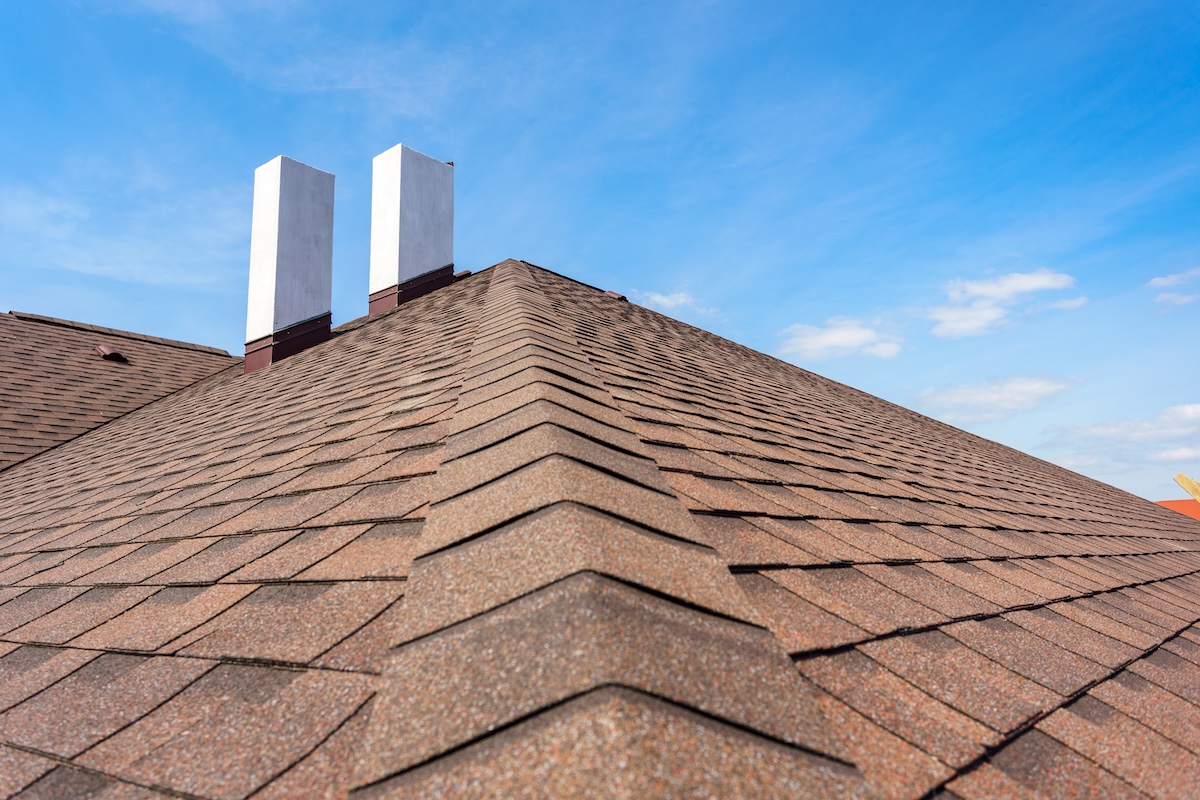
Unlike steep-sloped residential roofs, low slope systems are designed with practicality in mind. They allow easy access for maintenance, house HVAC units, and maximize usable space—all while protecting the building from water intrusion.
Here’s why they’ve become the industry standard for commercial properties:
- Efficient water management: Low slope roofs are engineered to direct water toward internal drains, scuppers, or gutters, preventing pooling and leaks.
- Simplified installation: These systems often require less material and labor than pitched roofs, keeping installation costs manageable.
- Improved accessibility: Flat or near-flat surfaces make it easier for maintenance crews to inspect, clean, and service mechanical equipment safely.
- Design versatility: A low slope allows for modern architectural styles and seamless integration of solar panels or green roof systems.
- Energy efficiency: Many materials used for low slope applications, like reflective membranes, reduce heat absorption and lower energy bills.
With proper design and material selection, a low slope roof can deliver decades of protection while minimizing ownership costs.
4 Cost-Effective Low Slope Roof Options for 2025
When evaluating low slope systems, balancing initial cost, longevity, and maintenance needs is crucial. Below are four of the most popular and cost-effective materials used in commercial roofing today.
1. EPDM (Ethylene Propylene Diene Monomer) Rubber Roofing
EPDM has been a commercial roofing mainstay for decades thanks to its reliability and affordability. This synthetic rubber membrane is durable, flexible, and ideal for large surface areas.
Advantages:
- Long lifespan—20 to 30 years with proper care
- Highly resistant to UV rays and extreme temperatures
- Easy to repair using adhesive patches or liquid coatings
- Available in black for warmth or white for heat reflection
Considerations:
- Seams require strong adhesive or tape to remain watertight
- May not offer as much puncture resistance as newer systems
Best for: Warehouses, office complexes, and industrial properties seeking a proven, budget-friendly roofing system.
2. TPO (Thermoplastic Polyolefin) Roofing
TPO roofing is one of the fastest-growing commercial systems, known for its bright white surface and energy efficiency. It reflects UV rays, reducing heat absorption and keeping indoor spaces cooler during the summer.
Advantages:
- Excellent energy efficiency and solar reflectivity
- Strong puncture and tear resistance
- Seam welding creates a watertight, long-lasting bond
- Environmentally friendly and recyclable
Considerations:
- Installation quality is key—improper welding can lead to seam issues
- Material thickness varies, so higher-grade TPO is best for longevity
Best for: Commercial buildings in sunny regions or those focused on reducing energy costs through reflective roofing.
3. PVC (Polyvinyl Chloride) Roofing
PVC is another thermoplastic option that combines strength and flexibility. Its chemical resistance makes it an excellent choice for restaurants or manufacturing facilities where exposure to oils or fumes is common.
Advantages:
- Exceptional resistance to fire, chemicals, and grease
- Welded seams for superior leak protection
- Low maintenance and long lifespan (up to 30 years)
- Lightweight, reducing structural stress
Considerations:
- Higher upfront cost compared to TPO or EPDM
- May become brittle over decades in extreme cold without reinforcement
Best for: Restaurants, factories, and buildings with rooftop ventilation or chemical exposure.
4. Modified Bitumen Roofing
Modified bitumen is an evolution of traditional asphalt roofing, enhanced with polymer additives for flexibility and strength. It’s typically installed in multiple layers, providing excellent protection and redundancy.
Advantages:
- Durable and puncture-resistant, ideal for foot traffic
- Excellent performance in cold climates
- Multiple installation options (heat-welded, self-adhered, or cold-applied)
- Proven reliability over decades of use
Considerations:
- Can absorb heat unless a reflective coating is applied
- Requires skilled installation to ensure full adhesion
Best for: Smaller commercial roofs or properties where durability and traditional performance are priorities.
Factors to Consider When Choosing a Low Slope Roof
Selecting the right roofing system isn’t just about price—it’s about matching your building’s needs with material performance. Before committing to a product, consider these key factors:
- Climate: In Indianapolis and surrounding areas, roofs must handle snow, wind, and rain. Materials like TPO and modified bitumen perform well in these variable conditions.
- Roof usage: If maintenance crews frequently access the roof, opt for puncture-resistant materials like PVC or modified bitumen.
- Energy performance: Reflective membranes can reduce heat transfer and energy consumption by up to 30%.
- Budget and lifespan: TPO offers a strong balance of cost and longevity, while copper or PVC delivers premium durability at a higher investment.
- Warranty and installation quality: Even the best materials will underperform without professional installation and warranty-backed coverage.
Working with an experienced commercial roofing contractor ensures your system is built for your specific building, climate, and budget.
Enhancing Low Slope Roof Performance
Beyond the base material, additional upgrades and maintenance strategies can significantly improve your roof’s lifespan and efficiency.
Reflective Coatings
Applying a reflective or elastomeric coating can extend the life of older low slope roofs by protecting against UV degradation and thermal expansion.
Benefits include:
- Lower cooling costs in summer months
- Enhanced waterproofing and leak prevention
- Reduced rooftop temperatures to extend membrane life
Roof Insulation Upgrades
Proper insulation improves both comfort and energy savings. High-R-value insulation helps maintain indoor temperatures and can qualify your building for energy efficiency incentives.
Preventative Maintenance Programs
Regular inspections and scheduled maintenance prevent minor issues from becoming major expenses.
Recommended schedule:
- Twice per year—spring and fall inspections
- After severe weather events
- Immediate attention to punctures, ponding water, or seam separations
Drainage Improvements
Water pooling is a common challenge for low slope roofs. Adding tapered insulation systems or upgrading drain systems ensures efficient runoff.
Comparing Popular Low Slope Roofing Systems
| Roofing System | Lifespan | Energy Efficiency | Maintenance Level | Cost (Per Sq. Ft.) | Best Suited For |
| EPDM | 20–30 years | Moderate | Low | $5–$9 | Large commercial roofs |
| TPO | 20–25 years | High | Low | $6–$10 | Energy-conscious properties |
| PVC | 25–30 years | High | Low | $8–$12 | Restaurants, factories |
| Modified Bitumen | 20–30 years | Moderate | Moderate | $6–$9 | Multi-layer protection |
This comparison illustrates how each material differs in performance and cost, allowing property owners to choose the ideal system for their goals and budget.
Long-Term Savings and Sustainability Benefits
A low slope roof isn’t just a practical investment—it’s also an opportunity to improve sustainability and reduce long-term operational costs.
- Energy Efficiency: Reflective roofs lower cooling costs, improving HVAC efficiency.
- Reduced Maintenance: Seamless systems and coatings minimize leak risks.
- Environmental Impact: Many low slope materials are recyclable or made from post-consumer content.
- Tax Incentives: Energy-efficient upgrades may qualify for federal or state tax credits.
Businesses that invest in sustainable roofing often recoup costs through reduced utility bills and fewer repair expenses over time.
Invest in the Right Roof for Your Commercial Property
A properly designed low slope roof provides decades of performance, efficiency, and protection for your commercial property. Whether you’re replacing an aging system or planning a new build, selecting the right material and installation partner is key to long-term success.
At Maumee River Roofing, we specialize in high-performance commercial roofing systems that protect your investment while controlling costs. Our team has extensive experience serving Indianapolis and surrounding areas, delivering tailored solutions that meet both performance and budget goals.
If your business is ready to explore modern, energy-efficient roofing options for 2025, contact us today to schedule a free consultation with Maumee River Roofing.