

Choosing the right siding for your home isn’t just about looks—it’s about durability, energy efficiency, and long-term value. Insulated vinyl siding has become a top choice for homeowners looking to combine style with substance. But is it worth the cost?
In this guide, we’ll answer:
- What makes insulated vinyl siding different from standard vinyl?
- How does it compare to James Hardie and other popular materials?
- What are the actual benefits and tradeoffs?
- Is it the right fit for homes in Indiana or Ohio?
Let’s break it all down.
What Is Insulated Vinyl Siding?

Insulated vinyl siding is an upgraded version of standard vinyl siding. It features a rigid foam insulation layer—typically expanded polystyrene (EPS)—bonded to the back of each panel. This layer adds thermal resistance, boosts durability, and enhances the appearance by creating a straighter, more structured look on your home’s exterior.
The foam backing fills in the gaps behind the siding, helping to regulate indoor temperatures, reduce outdoor noise, and resist warping or denting. It’s an ideal choice for homeowners who want more than just a cosmetic update.
Comparing Insulated Vinyl Siding to Other Siding Options
Not all siding materials perform the same—here’s how insulated vinyl compares to other top picks.
Traditional Vinyl Siding
- More affordable than insulated vinyl
- Lacks thermal performance or noise reduction
- Less impact-resistant
- Ideal for low-budget projects, but not as efficient or durable
James Hardie (Fiber Cement)
- Known for durability and fire resistance
- Higher siding installation cost due to material weight and labor
- Doesn’t offer built-in insulation
- Great for storm-prone areas but heavier and more expensive
Wood Siding
- Classic charm and visual appeal
- Requires frequent painting, staining, and sealing
- Susceptible to rot, pests, and high maintenance
- Less energy efficient than insulated options
Aluminum Siding
- Lightweight and fire-resistant
- Can dent easily and fade over time
- Offers no added insulation or noise protection
- More common in older homes or utility buildings
If you’re deciding between vinyl, fiber cement, or modern alternatives, insulated vinyl siding offers the most well-rounded combination of efficiency, appearance, and performance—especially for homeowners looking for modern home siding that reduces energy waste.
6 Key Benefits of Insulated Vinyl Siding
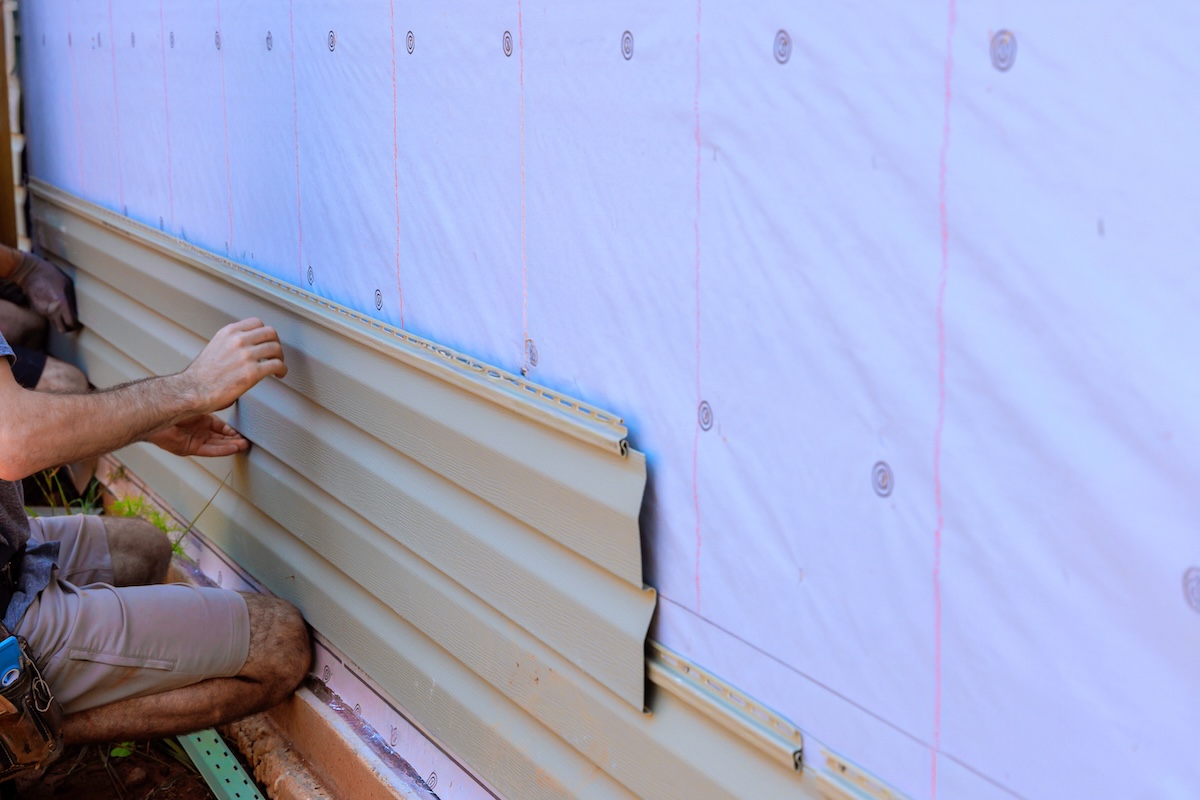
Insulated vinyl siding isn’t just an upgrade in name—it offers real, measurable improvements that traditional siding options can’t match. From energy savings to long-term durability, here’s why more homeowners are making the switch.
1. Improved Energy Efficiency
The biggest selling point is insulation. The foam core adds a layer of thermal protection, helping to stabilize indoor temperatures. That means:
- Reduced heating and cooling costs year-round
- Less strain on your HVAC system
- Up to 15% energy savings depending on your climate and insulation levels
2. Enhanced Durability
Insulated siding is impact-resistant and less prone to warping or cracking over time. It holds up well in rain, snow, hail, and strong winds—and won’t sag like thinner panels.
3. Sound Reduction
The foam layer acts as a buffer, reducing exterior noise. Ideal for homes near busy roads, neighborhoods with foot traffic, or urban areas.
4. Boosts Curb Appeal
Because the foam backing stiffens the panel, it lays flatter against the wall, creating a smoother and straighter look. It also:
- Fills out uneven wall surfaces
- Comes in a variety of textures and bold, fade-resistant colors
- Gives homes a clean, modern finish
5. Low Maintenance
No painting, no staining, and no sealing. Insulated vinyl is easy to clean with soap and water and doesn’t attract pests or rot.
6. Higher Home Value
Buyers are increasingly looking for energy-efficient and low-maintenance features. Insulated siding adds both, helping you stand out in the market and recoup a significant portion of your siding installation cost.

Is Insulated Vinyl Siding Worth the Cost?
Here’s a simple cost-benefit overview:
| Feature | Insulated Vinyl Siding |
| Average Cost Per Sq. Ft. | $4 – $12 installed |
| Energy Savings | Up to 15% per year |
| Maintenance Costs | Minimal |
| Life Expectancy | 30+ years |
While the upfront cost is higher than standard vinyl, the payoff comes in utility savings, durability, and long-term curb appeal. Homeowners who view siding as an investment—not just a cosmetic fix—tend to see excellent value from insulated options.
Indiana and Ohio: Is Insulated Siding Right for You?
Insulated vinyl siding performs especially well in the Midwest. For homeowners in Indiana and Ohio, where summers are humid and winters are cold, the benefits are clear:
- Improved Climate Control: Helps reduce energy loss in both heating and cooling seasons
- Wind Resistance: Withstands the strong gusts common in open Midwest landscapes
- Moisture Defense: Doesn’t absorb water and resists mold or mildew growth
- Insulated Against Noise: Great for city suburbs and rural roads alike
Whether you’re in Fort Wayne, Toledo, Indianapolis, or Dayton, insulated vinyl siding can help regulate your home’s comfort while standing up to four-season weather patterns.
Additional Considerations Before You Commit
- Does your home have old or damaged insulation?
This siding adds another layer of protection, especially for older homes with poor wall insulation. - Do you want to reduce your carbon footprint?
Lower energy usage means a more sustainable, eco-friendly home. - Are you planning to sell?
Modern insulated siding improves resale appeal and reduces buyer objections. - Have you chosen qualified siding contractors?
Proper installation is crucial to performance. Always work with licensed, experienced siding pros to avoid performance gaps or warranty issues.
Frequently Asked Questions (FAQ)

- Is insulated vinyl siding quieter than regular vinyl siding?
Yes. The built-in foam acts as a sound barrier, reducing outside noise from traffic, lawnmowers, and neighbors. - How does insulated vinyl siding compare to James Hardie?
James Hardie (fiber cement) is more fire-resistant and very durable but comes with higher material and labor costs. Insulated vinyl offers better energy efficiency and noise reduction at a lower price point, with less upkeep. - What’s the difference between standard vinyl siding and insulated vinyl siding?
Standard vinyl is a basic panel with no insulation. Insulated vinyl has a foam backing that adds energy savings, rigidity, and noise control.
Transform Your Home with Insulated Vinyl Siding
Upgrading to insulated vinyl siding is a smart move for homeowners who want durability, comfort, and curb appeal all in one. It’s a low-maintenance, energy-saving upgrade that performs well in Midwest weather and complements both classic and modern home siding styles.
If you’re ready to explore your options or compare siding installation costs, reach out to the experts at Maumee River Roofing. As trusted siding contractors serving Indiana and Ohio, we’ll help you find the perfect solution for your home.
Contact us today to schedule your consultation and take the first step toward a smarter, more beautiful exterior.