

When a strong storm hits, homeowners often ask the same urgent question: is my roof still okay? If your area just experienced a hailstorm, it’s time to think seriously about hail damage roof repair. Even small dents or cracks can compromise your home’s protection and lead to long-term issues if ignored. To understand how your roof responds to severe weather, it helps to learn how each part contributes to performance—starting with storm-resistant materials and layered protection strategies.
In this blog, you’ll learn:
- Why hail damage is unique compared to other roof problems
- 8 repair solutions professionals recommend in 2026
- What to look for after a storm hits
- How to handle insurance claims efficiently
- What makes hail risk higher in Columbia City and surrounding areas
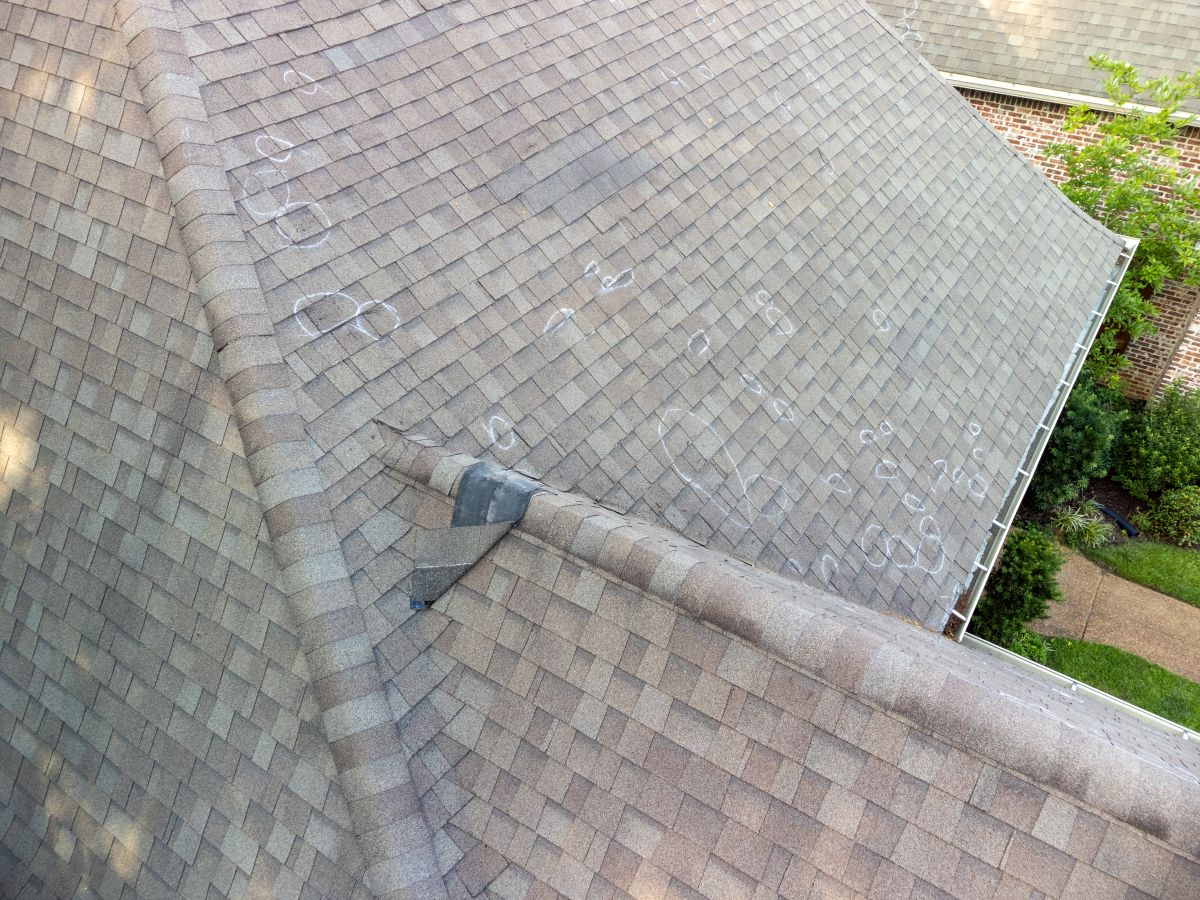
Why Hail Damage Is More Serious Than It Looks
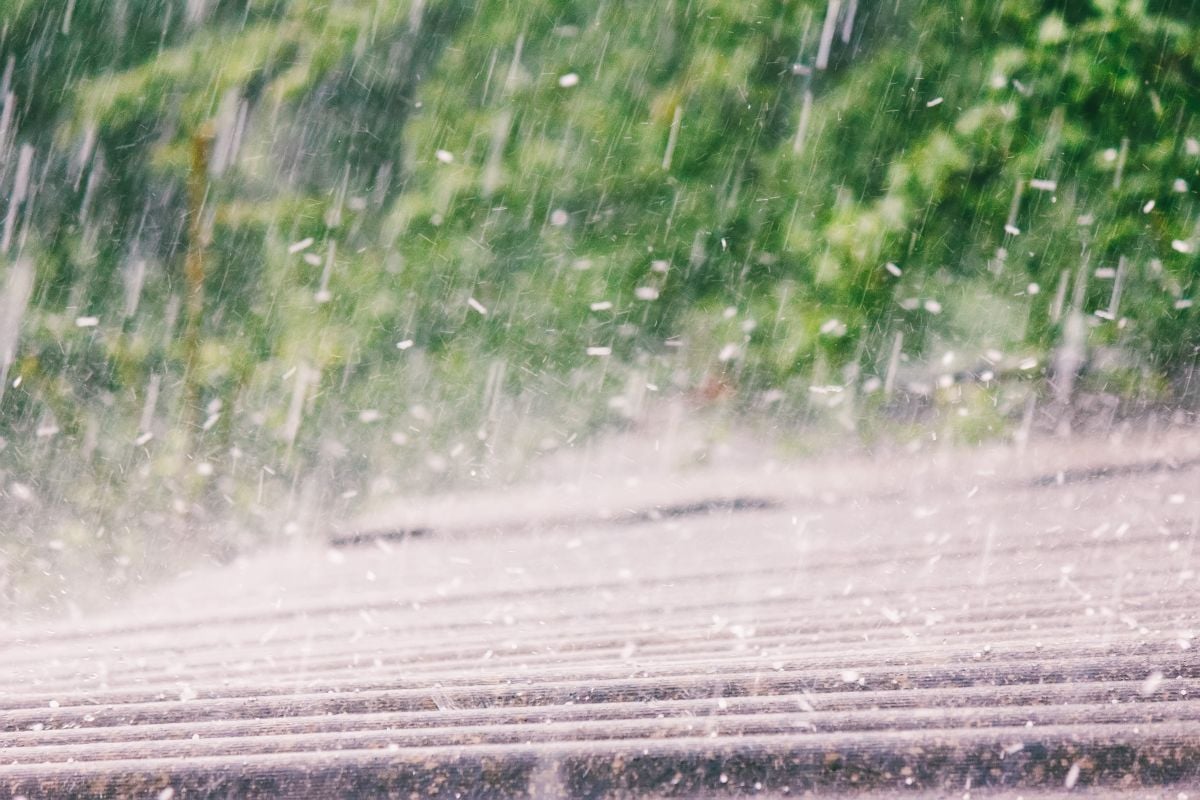
Hailstorms may only last minutes, but their effects can last for years if not addressed promptly. The impact of solid ice traveling at high speeds can do more than just cosmetic harm.
- Breaks the seal: Hail loosens the protective seal between shingles, allowing water to enter the layers beneath.
- Accelerates wear: Granule loss exposes shingles to direct sunlight, drying them out faster and shortening their lifespan.
- Increases leak risk: Even if no water enters right away, future rain will exploit any cracks or punctures.
- Compromises warranties: Manufacturer warranties often depend on undamaged materials and professional installation.
- Hurts property value: Obvious roof damage can turn buyers away or reduce offers—especially in storm-prone areas like Columbia City.
8 Smart Hail Damage Roof Repair Solutions
Not all damage leads to a full roof replacement. Here are eight proven solutions that roofing professionals use based on the extent and type of hail damage.
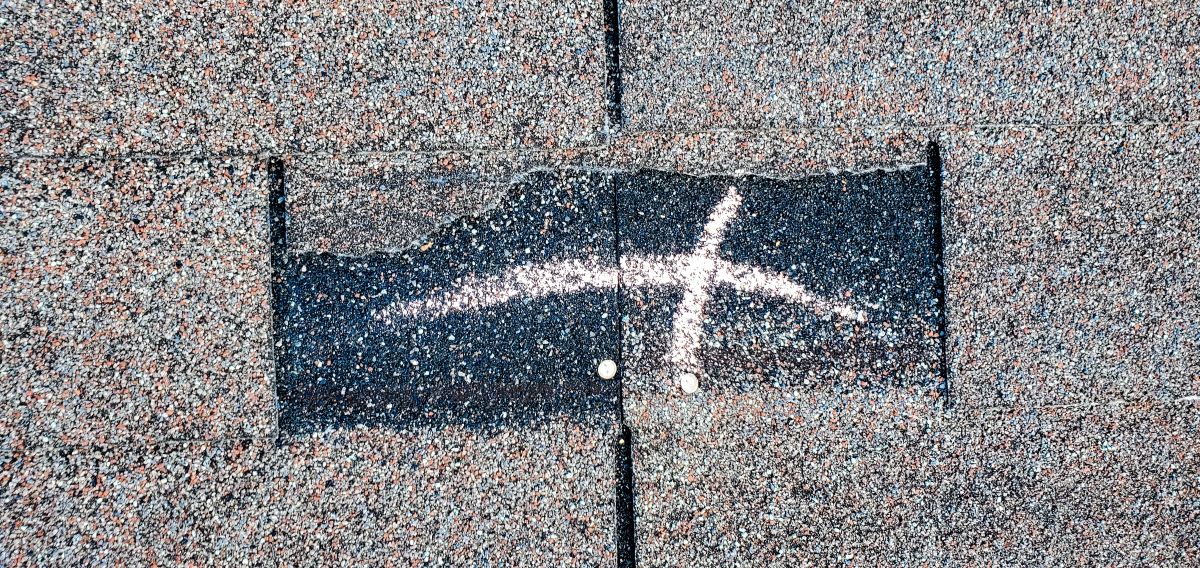
1. Replace Cracked or Missing Shingles
Shingles are your roof’s first layer of protection—and the most exposed during hail.
- Look for cracks, chips, or shingles that have blown off entirely
- Cracked shingles can’t shed water effectively
- Repairs should match the existing material in type, style, and color
Best for: Spot repairs on otherwise healthy roofs
2. Reseal or Replace Damaged Flashing
Flashing is the metal installed around roof penetrations, such as chimneys and vents. Hail can dent or warp these pieces, creating leak points.
- Bent flashing often lifts away from the roof underlayment
- Older flashing may corrode faster after hail impacts
- Resealing gaps or replacing flashing keeps water out of high-risk seams
Best for: Preventing future water intrusion in roof valleys and transitions
3. Restore Granule Loss with Top-Coat Protection
Hail can knock the granules off asphalt shingles, weakening their UV resistance and waterproofing.
- Granule loss appears as bald patches or piles in gutters
- Some newer systems allow for spray-on granule top coats
- Restores shingle protection without full replacement
Best for: Newer roofs with moderate surface-level damage
4. Replace Damaged Roof Vents and Accessories
Plastic or lightweight metal vents can crack or deform under hail impact.
- Cracked vent housings allow moisture and pests into the attic
- Ridge vents, box vents, and pipe boots are all vulnerable
- Replacement ensures attic airflow stays balanced and leak-free
Best for: Protecting attic ventilation and extending shingle life
5. Address Soft Spots or Decking Damage
If hail breaks through the outer layers, your roof deck could be compromised.
- Soft or sagging areas may indicate rotted or weakened plywood
- These spots require professional removal and structural repair
- Ignoring deck damage can lead to mold or complete roof failure
Best for: Older roofs or cases where leaks have already developed
6. Rehang or Realign Gutters and Downspouts
Though not part of the roofing structure itself, damaged gutters affect overall roof health.
- Hail often dents gutters, misaligning their slope
- Blocked downspouts cause water to back up under roof edges
- Realigning the system ensures proper drainage
Best for: Homes in wooded or storm-prone neighborhoods
7. Partial Roof Replacement
If only one section of your roof suffered heavy damage, a partial re-roofing may be sufficient.
- Storms don’t always impact all sides of a home equally
- Matching new materials with existing shingles is key
- Helps reduce costs while restoring full protection
Best for: Targeted storm damage with good remaining lifespan elsewhere
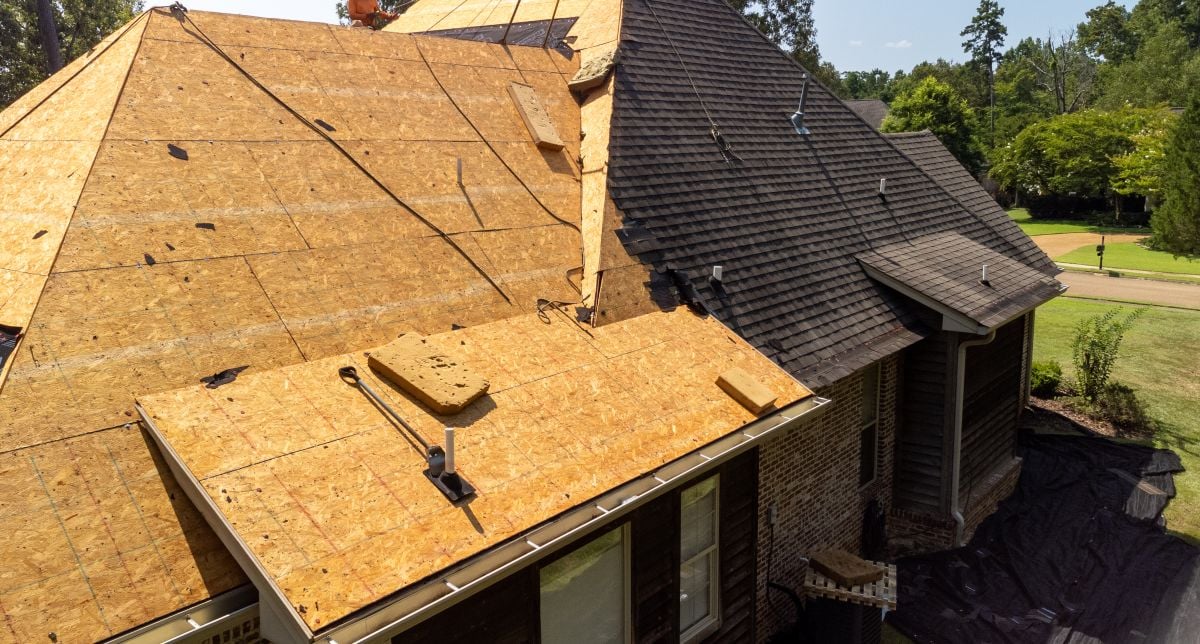
8. Full Roof Replacement
If hail has compromised large portions of your roof—or if it’s approaching the end of its life—a full replacement may be the smartest choice.
- Ensures no hidden damage is left behind
- Lets you upgrade to hail-resistant or Class 4 impact-rated shingles
- Often covered by insurance if you file within the proper time window
Best for: Roofs over 15 years old with widespread hail impact
What to Look For After a Hailstorm
Even if your roof looks fine from the ground, it’s worth performing a thorough inspection—or having a professional do it.
Ground-Level Clues:
- Dented gutters, downspouts, or metal flashing
- Shingle granules accumulating in gutters or near drains
- Broken tree limbs or storm debris on the roof
Attic and Ceiling Signs:
- New water stains or streaks on ceilings or walls
- Damp insulation or attic beams
- Musty odors after a storm
On the Roof (Professionals Only):
- Bruised or cracked shingles
- Exposed underlayment
- Loose nails or lifted shingles
- Damaged vents or skylight edges
Tip: Don’t climb the roof yourself after a storm—let a trained roofing professional evaluate the surface for safety and accuracy.
Filing an Insurance Claim for Hail Damage
If your roof has sustained significant damage, most homeowners’ insurance policies will cover hail-related repairs or replacements.
Key Steps:
- Document the damage: Take clear photos of all affected areas, including interiors if applicable
- Schedule a professional inspection: A contractor will provide a written report with repair estimates
- File your claim quickly: Most policies require that you report hail damage within 6–12 months of the event
- Meet your adjuster on-site: Having your contractor present can help verify findings and ensure fair evaluation
Important Tip for Columbia City:
Indiana is prone to seasonal hail activity. Insurance companies track storm events and may reference regional hail reports when processing claims—so it’s important to act fast before time runs out.
How Hail Affects Columbia City Homes
Roofs in Columbia City and surrounding areas face a unique combination of storm threats, including hail, wind, and snow.
Local Risk Factors:
- Flat or low-slope roofs tend to collect more debris and hold ice longer after hail
- Mature trees may drop limbs onto already damaged shingles
- Older homes may have outdated materials or improper venting, increasing the risk of post-hail leaks
Material Matters:
If your roof is nearing the 15- to 20-year mark, hail will accelerate wear dramatically. That’s why many Columbia City homeowners use hailstorms as a sign to plan for a full replacement sooner rather than later.
Don’t Wait—Fix Hail Damage Before It Gets Worse
It’s easy to overlook minor roof damage after a storm, especially when it isn’t leaking yet. But hail damage isn’t just cosmetic—it weakens your roof’s structure and creates pathways for water, mold, and heat loss. Whether you need a small repair or a full replacement, acting early keeps your home safe, your insurance coverage intact, and your costs manageable.
At Maumee River Roofing, we help homeowners in Columbia City and surrounding areas navigate storm damage confidently. If you suspect your home has been impacted, contact us today to schedule a no-pressure inspection. From quick fixes to full replacements, Maumee River Roofing delivers smart solutions that work in 2026 and beyond.