

Most homeowners spend little time thinking about where their roof runoff actually goes once it leaves the gutters. But that last few feet of water travel matter more than you might expect. Gutter downspout extensions redirect that flow far enough away from your home’s foundation to prevent erosion, basement seepage, and costly structural damage. If your downspouts currently empty right next to the house, you may already be dealing with damage without knowing it. Understanding how to handle this properly, alongside well-maintained gutter systems that move water efficiently, is one of the smartest investments a homeowner can make.
What You’ll Learn
- Why downspout extensions matter for long-term home protection
- The most common types of extensions and how they work
- How to choose the right extension for your property
- Signs that your current setup is failing
- When to call a professional versus handling it yourself
Why Downspout Extensions Matter More Than Homeowners Realize
When gutters work correctly, they collect roof runoff and channel it toward the downspouts. What happens at the bottom of those downspouts, however, is where many homes quietly accumulate damage over time. Without proper extensions, water pools directly at the base of your exterior walls, soaking into the soil and pushing against your foundation. In Carmel, IN and surrounding areas, where heavy spring rains and fall storms are common, this issue is especially pronounced.
The good news is that extensions are one of the most affordable and impactful upgrades available to homeowners. A few well-placed extensions can protect your landscaping, your basement, and your foundation from the kind of repetitive moisture damage that adds up to thousands of dollars in repairs.
- Foundation protection: Water that drains too close to the home saturates the soil and creates hydrostatic pressure against foundation walls, leading to cracks and leaks over time.
- Basement waterproofing: A large percentage of wet basements trace back to improper roof water drainage. Extensions reduce the volume of water reaching the perimeter of the home.
- Landscaping preservation: Without extensions, concentrated water flow erodes soil, kills grass, and undermines garden beds or hardscaping directly below downspouts.
- Structural longevity: Consistent moisture exposure accelerates wood rot, damages siding, and weakens the structural components closest to ground level.
The cost of addressing these issues after the fact far outweighs what a proper extension installation requires. This is one of those situations where a small, proactive step protects the entire investment you have made in your home.
5 Types of Gutter Downspout Extensions Every Homeowner Should Know
Different properties call for different solutions. The landscape around your home, the distance water needs to travel, and the aesthetic of your exterior all factor into which type of extension makes the most sense for you. Here is a breakdown of the most common options available.
1. Rigid Aluminum or Vinyl Extensions
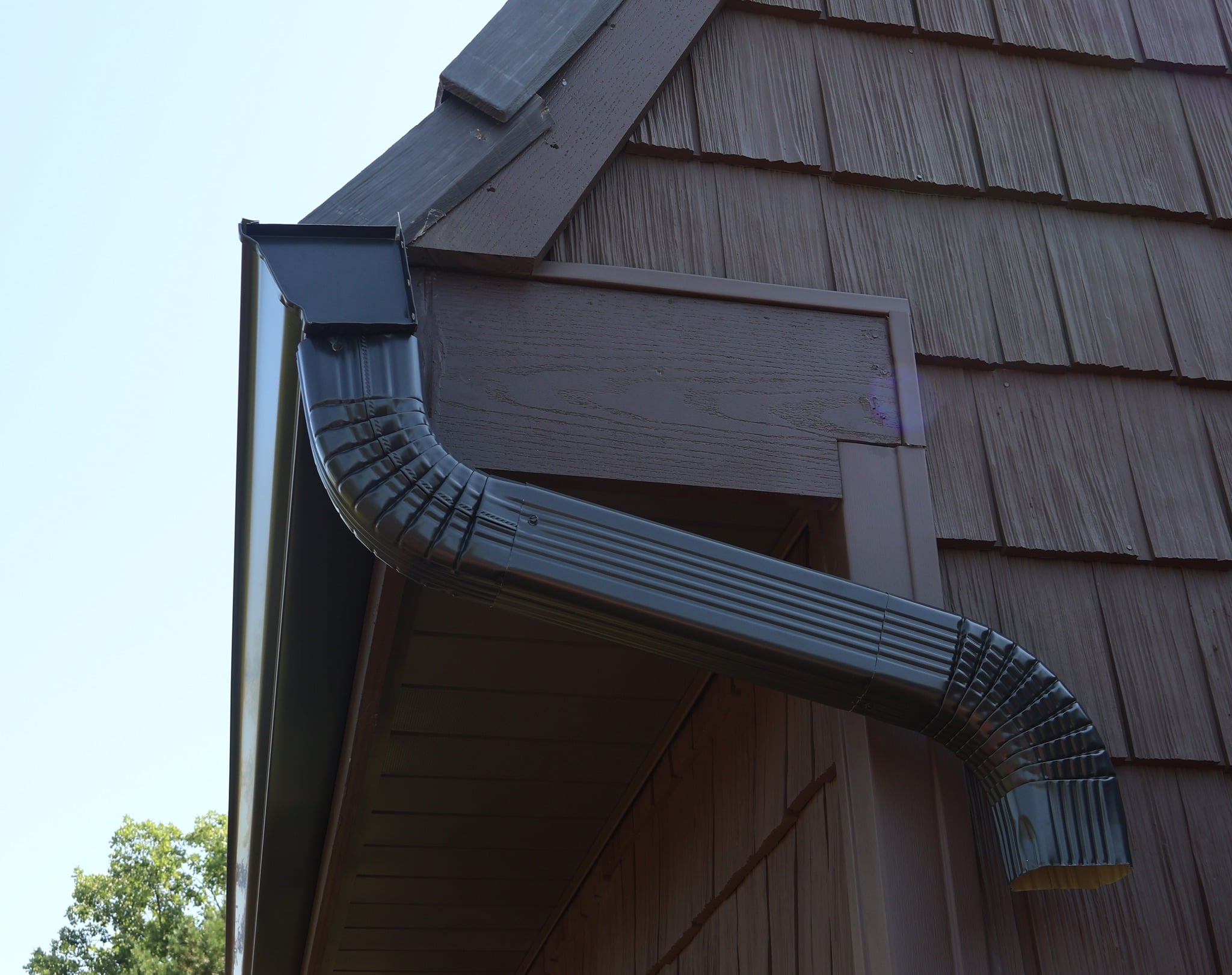
These are the most straightforward option, consisting of a straight or angled section of matching gutter material attached directly to the bottom of the downspout. They extend the discharge point anywhere from two to four feet away from the foundation. Rigid extensions are durable, weather-resistant, and blend naturally with existing downspouts. They work well on flat or gently sloped ground where water can flow freely away from the house. Many homeowners in Carmel, IN and surrounding areas prefer this option for its clean appearance and reliable performance.
2. Flexible Corrugated Extensions
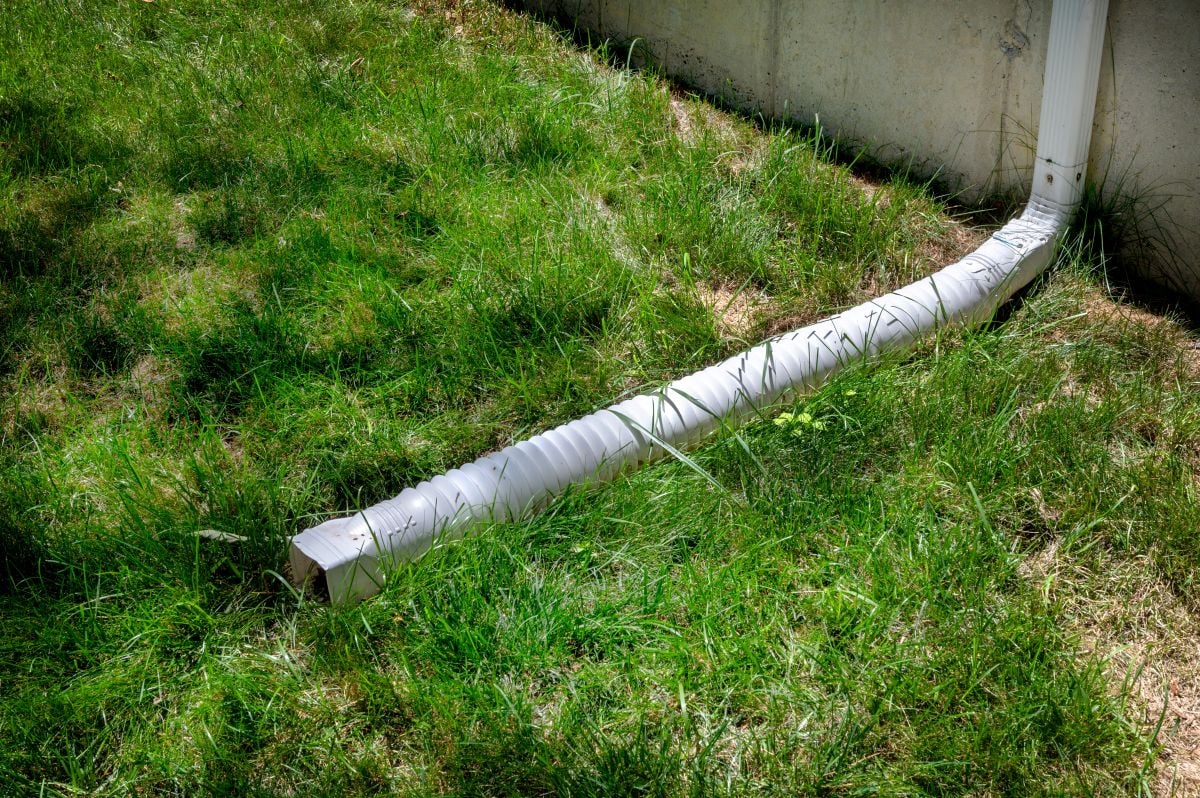
These extensions use a flexible, corrugated plastic or rubber tube that can be bent and shaped to navigate around landscaping, walkways, or uneven terrain. They are easy to install and adjust, making them a popular DIY option. The downside is that flexible extensions can kink, sag, or become clogged with debris more easily than rigid alternatives. They are best used as a temporary solution or in areas where a permanent extension is not yet practical.
3. Roll-Out Flat Extensions
Roll-out extensions lie flat on the ground and remain coiled until rainwater flows through them. As water enters, they unroll to their full length, typically four to eight feet, and direct flow away from the home. Once the rain stops, they coil back up automatically. These are a popular choice for walkways and garage doors where a permanent extended pipe would create a tripping hazard. They do require periodic inspection to ensure the material has not cracked or lost elasticity over time.
4. Underground Drainage Extensions
For homeowners who want a cleaner look or have significant grading challenges, underground extensions are the most effective long-term solution. A buried drainage pipe connects to the bottom of the downspout and carries water to a designated discharge point, such as a dry well, a rain garden, or a point farther out in the yard. Underground systems require more planning and installation effort, but they eliminate visible components and handle high volumes of water without issue. This option is especially worthwhile for properties in Carmel, IN and surrounding areas that experience significant storm runoff.
5. Decorative Extensions
Some homeowners prioritize curb appeal and choose extensions designed to look intentional rather than purely functional. These can include decorative splash blocks, copper extensions, or custom fabricated pieces that match the home’s architectural style. While aesthetics are secondary to function, choosing a decorative option that still directs water at least four to six feet from the foundation gives you the best of both worlds. These work particularly well on higher-end properties where every exterior detail contributes to the overall look of the home.
Understanding the options available helps you make a confident decision rather than defaulting to whatever is cheapest or easiest to grab at the hardware store.
How to Know If Your Current Downspout Discharge Is Failing
Many homeowners do not realize there is a problem until visible damage has already occurred. That said, your property will usually show warning signs before things become a serious issue. Knowing what to look for lets you take action while the fix is still simple and inexpensive.
Soil Erosion Below the Downspout
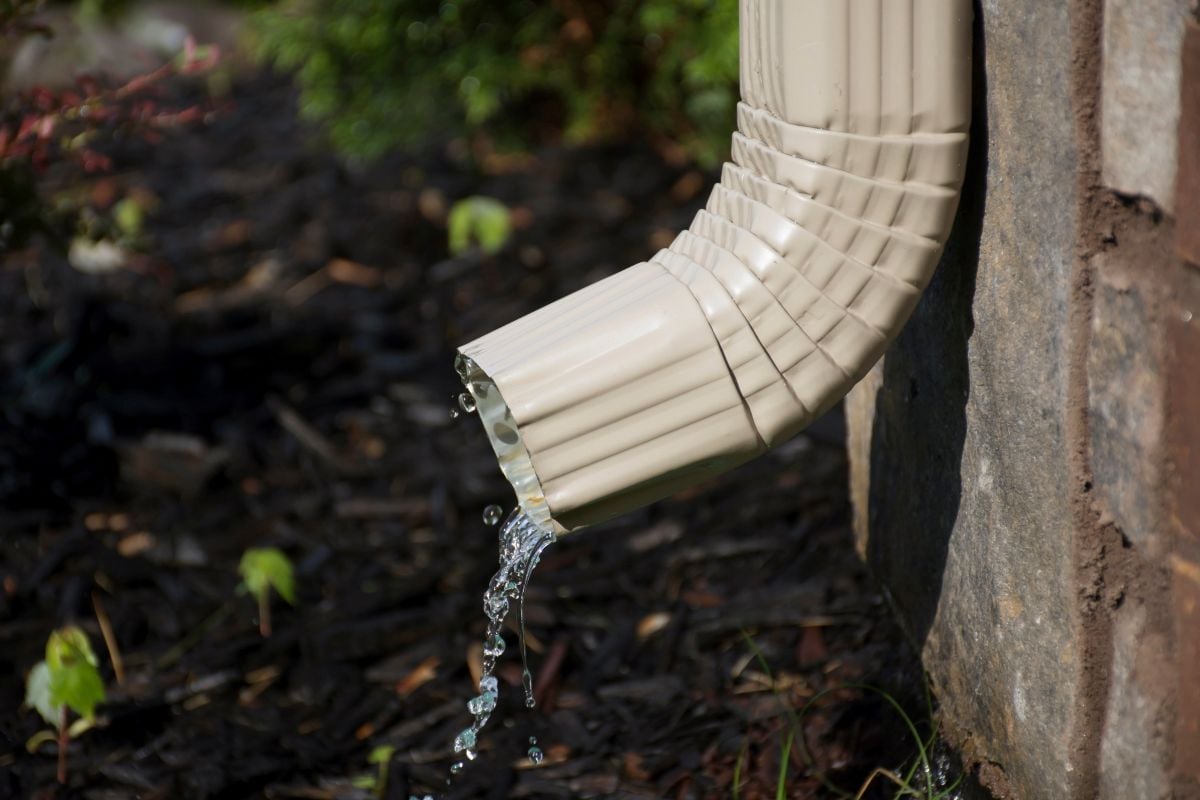
If you notice a worn channel, a bare patch of dirt, or displaced mulch directly below or near your downspout outlet, water is discharging with enough force and volume to move soil. This is one of the clearest indicators that runoff is not being redirected far enough away from the house. The longer it continues, the more the ground around the foundation shifts and settles unevenly.
Staining or Efflorescence on Foundation Walls
White chalky deposits on concrete or block foundation walls indicate that water is repeatedly wicking through the material and carrying mineral salts to the surface. This process, called efflorescence, is a reliable sign that moisture is making consistent contact with the foundation. While not structurally dangerous on its own, it signals that water is not being moved away from the perimeter effectively.
Damp or Musty Basement Conditions
If your basement develops a musty smell after heavy rain or if you notice damp spots on the lower walls or floor, the root cause is often exterior drainage. Before investing in interior waterproofing systems, it is worth checking whether proper downspout extensions alone resolve the issue. In many cases, they do.
Pooling Water Near the House After Rain
Standing water that remains near the foundation hours after a storm has ended is a sign that the ground has become oversaturated in that area. Repeated pooling accelerates soil movement, promotes mold and mildew growth, and can draw insects or pests looking for moisture. Extending downspouts to redirect water toward a better drainage area typically resolves this condition quickly.
Catching these signs early and addressing them with the right extension type gives homeowners in Carmel, IN and surrounding areas a meaningful advantage in protecting their property from water damage.
Professional Installation vs. DIY: Knowing When to Call an Expert
Basic extensions are well within the skill range of most homeowners. Attaching a rigid aluminum extension or placing a roll-out sleeve onto a downspout requires minimal tools and no special expertise. Where things get more complicated is when the solution involves underground drainage, significant regrading, or when the existing gutter and downspout system itself needs repair or replacement before an extension will function correctly.
A professional assessment is worth considering when your downspout is rusted, disconnected, or pulling away from the siding. It is also the right call when grading around your home slopes toward the foundation rather than away from it, because no extension alone will overcome that problem. In those situations, a combination of grading correction, underground drainage, and properly sized gutters is required for a lasting solution. Maumee River Roofing regularly identifies these compounding issues during inspections and helps homeowners understand exactly what is needed before water damage becomes a structural concern.
Choosing the right type of extension and installing it correctly is a straightforward process when the underlying system is in good shape. If there is any doubt about the condition of your gutters, downspouts, or the drainage grade around your home, a professional evaluation saves time, money, and frustration.
Protect Your Home from the Ground Up with Maumee River Roofing
Downspout extensions might be one of the smallest components of your home’s water management system, but they carry an outsized responsibility. Every inch of rain that falls on your roof passes through your gutters and downspouts, and where it ends up at ground level determines whether your foundation, landscaping, and basement stay dry or absorb damage over time. The right extension, correctly installed, makes that final step in water management work the way it should.
At Maumee River Roofing, we understand how every part of the system connects, from the roof surface to the gutters to the discharge point at ground level. If you are not sure whether your downspouts are directing water safely away from your home, we are here to help. Contact us today to schedule an inspection and get honest, straightforward guidance on what your home needs.