

Flat roofs are a popular choice for commercial buildings due to their cost-effectiveness, accessibility, and modern look. However, with these benefits comes the unique challenge of drainage. Unlike sloped roofs, where water naturally flows off, flat roofs are prone to water pooling, which can lead to structural damage, leaks, and costly repairs over time.
This guide will explore the most effective solutions for flat roof drainage, including clever design features, advanced systems, and techniques to prevent water-related issues. You’ll also learn why partnering with a reliable roofing expert like Maumee River Roofing can make all the difference. Here’s what you’ll learn:
- Why flat roof drainage matters
- 5 proven flat roof drainage solutions
- Tips for maintaining flat roof drainage systems
🤔 Why Flat Roof Drainage Matters

Flat roofs may appear nearly level, but they are typically designed with a subtle pitch to ensure water drains efficiently. This slight slope is crucial for preventing water from collecting on the surface, which can otherwise lead to a host of problems. Without a properly installed and maintained drainage system, flat roofs are prone to water pooling, debris accumulation, and long-term structural issues. These problems not only compromise the roof’s functionality but can also lead to costly repairs if left unaddressed.
- Weaken the roofing structure
- Accelerate material wear
- Lead to leaks and interior water damage
- Increase maintenance costs
✅ 5 Proven Flat Roof Drainage Solutions
Proper drainage is crucial for flat roofs to prevent water pooling, which can lead to leaks, structural damage, and costly repairs. These 5 proven solutions ensure your flat roof stays durable and protected over time.
1. Built-In Drainage Systems
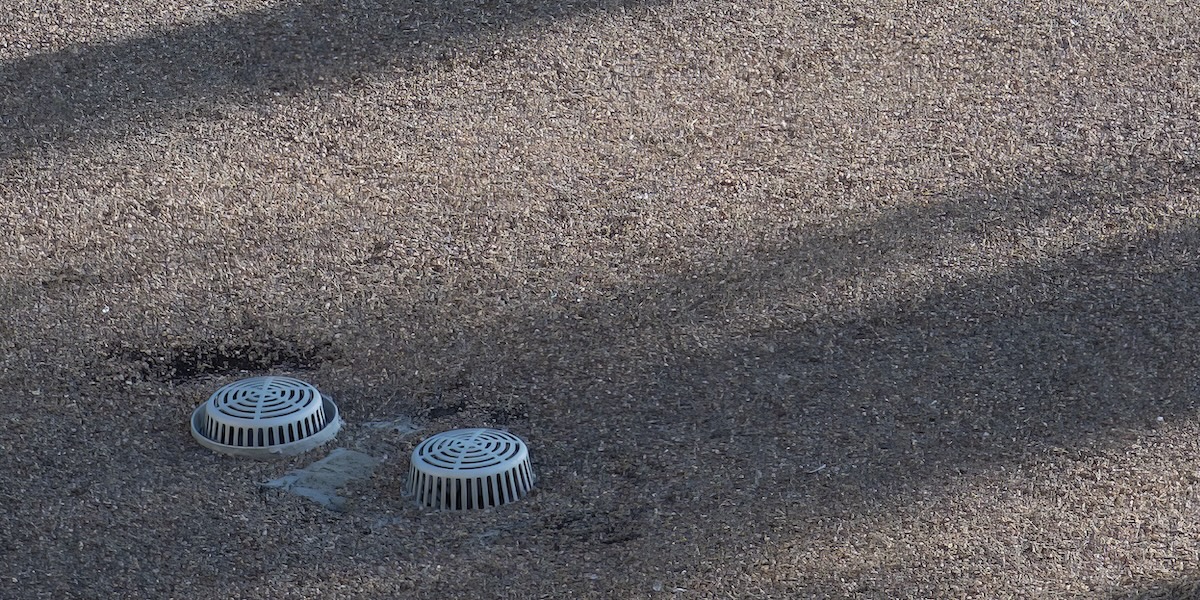
Built-in roof drainage systems are an integral part of the structure of a building. These drains are directly embedded within the roof and connected to a system of internal drainage pipes that run through the building. The design often includes strainers or filters, which are essential for preventing blockages caused by debris like leaves, twigs, or other materials. By channeling water directly into interior pipes, these systems provide a seamless way to remove water from a roof, ensuring it is properly directed into the building’s main drainage or sewer system. This method is particularly effective for large commercial buildings or structures with complex roof designs, where water needs to be quickly and efficiently managed to avoid structural damage or pooling.
2. Parapet Wall Scuppers
Parapet wall scuppers are square or rectangular openings strategically placed along the base of parapet walls on a roof. These openings allow water to flow off the roof and into a connected gutter system or downspout. Scuppers are a straightforward yet effective drainage solution, as they prevent water from accumulating on flat or slightly sloped rooftops. They are relatively easy to maintain, which makes them a cost-effective choice for building owners. Their simple design is particularly well-suited for roofs with parapet walls and areas that experience light to moderate rainfall, as they can handle normal water flow without requiring extensive installation or upgrades.
3. Slope Adjustments and Coatings
One practical approach to improving roof drainage is the adjustment of the roof’s slope. This involves creating a slight incline or gradient to guide water toward designated drainage points, such as scuppers or drains. This can be done during the construction phase or retrofitted later on older roofs. Additionally, the application of watertight coatings can enhance the roof’s ability to direct water flow while simultaneously providing an extra layer of protection against leaks and wear. These coatings help prevent water pooling, which can weaken the roof’s surface over time. Slope adjustments and coatings are particularly beneficial for older roofs or those with persistent water pooling problems, as they extend the lifespan of the structure and improve overall drainage efficiency.
4. Gutters and Downspouts
Gutters are external drainage systems attached to the edges of the roof. They collect rainwater and channel it into downspouts, which then carry the water away from the building’s foundation. This system is effective in protecting the structure from water damage, such as erosion around the foundation or staining on the walls. Gutters are versatile and can be installed on a wide range of roof types, making them a popular choice for many building owners. They are also relatively affordable and easy to maintain, provided they are cleaned regularly to prevent clogs from debris. Properly installed gutters significantly improve runoff efficiency while safeguarding the exterior of the building from water-related issues.
5. Green Roofs with Drainage Layers
Green roofs combine vegetation and specialized drainage systems to create an environmentally-friendly solution for water management. These roofs consist of multiple layers, including a growing medium for plants, a waterproof membrane, and advanced drainage channels to manage excess water effectively. Green roofs absorb a significant amount of rainfall, reducing the volume of water that needs to be directed through traditional drainage systems. The remaining water is routed through the drainage layers to prevent pooling and ensure the roof remains functional. In addition to improving water management, green roofs provide added insulation, reduce the urban heat island effect, and offer aesthetic and environmental benefits. They are ideal for environmentally-conscious businesses seeking sustainable solutions that provide dual advantages of performance and eco-friendliness.
💡 Tips for Maintaining Flat Roof Drainage Systems

Good drainage isn’t set-and-forget! To ensure longevity, follow these maintenance tips:
Clean Debris Regularly
It’s important to remove leaves, branches, dirt, and other debris from your roof. This prevents clogs in your drainage system and helps water flow freely, reducing the risk of leaks or water damage. Set aside time for regular cleanups, especially during fall or after storms.
Inspect Drains and Scuppers Quarterly
Drains and scuppers are crucial for directing water off your roof. Inspect them every three months to ensure they’re functioning properly. Addressing minor blockages or damage early can save you from costly repairs down the line.
Check Seals and Coatings Annually
The seals and coatings on your roof play a key role in keeping it water-tight and protected. Conduct a thorough inspection once a year to identify any cracks, peeling, or wear. Reapply coatings as needed to extend the life of your roof and safeguard it against the elements.
Schedule Professional Roof Inspections
While self-inspections are helpful, professionals have the expertise to spot hidden issues that you might miss. Schedule a professional roof inspection at least once a year to catch early signs of damage, ensuring your roof remains in optimal condition.
💧 Flat Roof Drainage
When it comes to flat roof drainage, having the right team on your side makes all the difference. At Maumee River Roofing, we combine years of experience, high-quality materials, and customized solutions to deliver results you can rely on. Protecting your commercial property is our top priority, and our expertise ensures your roof stays durable, efficient, and worry-free for years to come.
Ready to safeguard your investment? Contact Maumee River Roofing today for a consultation and let us provide the drainage solutions your building deserves!