

Choosing the right siding for your home is one of the biggest decisions you will make as a homeowner. When it comes to fiber cement siding vs vinyl siding, the debate is more relevant than ever in 2026, with both materials seeing major improvements in performance, aesthetics, and affordability. Whether you are building new or replacing aging siding, understanding the key differences between these two options helps you invest your money wisely. If you are exploring the full range of exterior protection options available to you, our team covers everything from materials to installation as part of our complete exterior services for your home.
What you will learn in this post:
- The core differences between fiber cement and vinyl siding
- How each material performs against weather, moisture, and pests
- A side-by-side cost breakdown for 2026
- Which siding type offers better long-term value for your home
- How to decide which option fits your needs and budget
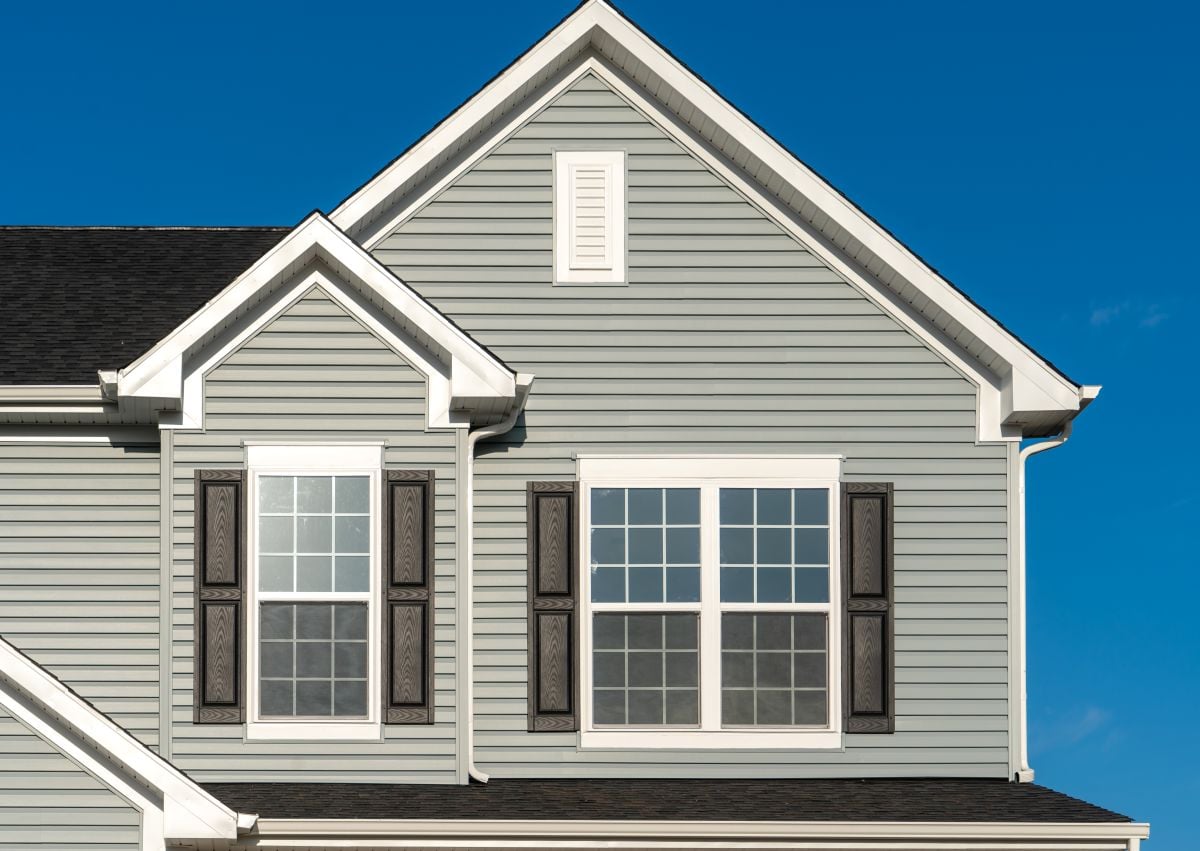
Why Your Siding Choice Matters More Than You Think
Siding is far more than a cosmetic feature. It is the primary barrier that protects your home’s structure from moisture intrusion, wind-driven debris, pest damage, and temperature extremes. Selecting the wrong material can lead to costly repairs, reduced energy efficiency, and even structural damage over time.
For homeowners in Bluffton, IN and surrounding areas, extreme weather swings between hot summers and frigid winters make siding performance especially critical. Here is why the decision carries so much weight:
- Moisture protection: The right siding prevents water from seeping behind the exterior envelope, which can rot framing, lead to mold growth, and compromise insulation.
- Energy efficiency: Well-installed siding with proper insulation backing reduces heat transfer, which directly lowers your heating and cooling bills year-round.
- Curb appeal and resale value: Buyers pay close attention to exterior condition. Quality siding can significantly boost a home’s perceived and appraised value.
- Maintenance demands: Some siding materials require repainting or caulking every few years, while others are virtually maintenance-free. Your choice determines how much time and money you spend keeping your home looking its best.
Understanding these stakes makes it clear that the fiber cement versus vinyl siding debate is not just about looks. It is a structural, financial, and lifestyle decision that will affect your home for decades.
6 Key Differences Between Fiber Cement and Vinyl Siding
Both materials are popular across the Midwest, but they perform quite differently in real-world conditions. Here is a detailed breakdown of the six most important areas where these two siding types diverge.
1. Composition and Material Makeup
Fiber cement siding is made from a blend of cement, sand, and cellulose wood fibers. This combination creates a dense, rigid panel that closely mimics the appearance of wood without the vulnerabilities of natural lumber. Vinyl siding, on the other hand, is manufactured from polyvinyl chloride (PVC), a lightweight plastic that is flexible, hollow, and easy to handle during installation.
- Fiber cement is heavier and more rigid, which contributes to its durability
- Vinyl is lightweight and flexible, making it easier and faster to install
- Fiber cement can be cut and shaped to match intricate architectural details
2. Durability and Weather Resistance
Fiber cement is widely regarded as one of the most durable siding materials available. It resists impact, does not rot, and holds up extremely well against hail, high winds, and the freeze-thaw cycles common in Indiana winters. Vinyl siding is also durable, but it becomes brittle in extreme cold, making it more susceptible to cracking from flying debris or hard impacts during storms.
- Fiber cement carries Class A fire ratings and is non-combustible
- Vinyl can warp or melt in intense heat and is flammable compared to fiber cement
- Fiber cement typically carries impact resistance warranties that vinyl products do not
3. Maintenance Requirements
One of vinyl’s biggest selling points is its near-zero maintenance. It never needs to be painted, does not absorb moisture, and can be cleaned with a garden hose. Fiber cement requires periodic repainting, typically every 7 to 15 years depending on climate and sun exposure. However, fiber cement holds paint exceptionally well and retains its color without the fading issues vinyl can develop over time.
- Vinyl: rinse to clean, no painting required
- Fiber cement: occasional repainting needed, but paint lasts longer than on wood
- Both resist mold and mildew when properly installed with moisture barriers
4. Aesthetic Options and Curb Appeal
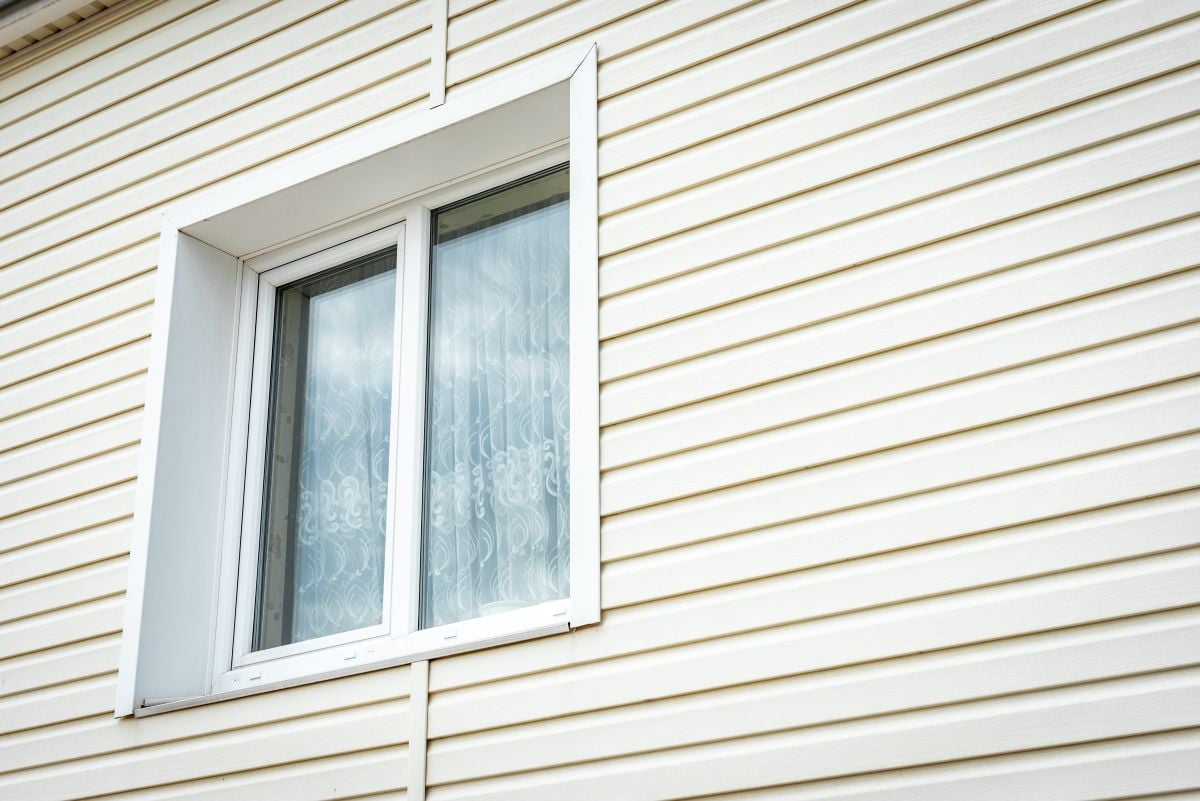
Fiber cement siding wins on aesthetics for most homeowners who want a premium, realistic appearance. It closely replicates wood lap, shingle, and board-and-batten styles, and it accepts any paint color you choose. Vinyl has improved dramatically, with wider color ranges and textured finishes available, but it still tends to look like plastic on close inspection, especially on higher-end homes.
- Fiber cement is available in lap, vertical, shingle, and panel profiles
- Vinyl offers similar profiles but with more noticeable texture limitations
- Architects and designers often specify fiber cement when visual quality is a priority
5. Installation and Labor Costs
Because fiber cement is heavier and more labor-intensive to cut and install, installation costs are notably higher than vinyl. In the Bluffton, IN and surrounding areas market, fiber cement installation typically runs 20 to 40 percent more in labor than vinyl. However, the upfront premium often pays off over the life of the siding through reduced repair frequency and lower repainting expenses.
- Vinyl: faster to install, lower labor costs, DIY-friendly in some cases
- Fiber cement: requires professional installation with proper sealing and flashing
- Longer installation time for fiber cement does not reduce quality when done correctly
6. Upfront Cost vs Long-Term Value
Vinyl siding is the more affordable option upfront. Material and installation costs together typically range from $3 to $7 per square foot. Fiber cement runs $6 to $13 per square foot installed, depending on profile and finish. While vinyl is cheaper at the start, fiber cement tends to deliver stronger long-term value due to its lifespan of 30 to 50 years versus vinyl’s typical 20 to 30 years.
- Fiber cement often outlasts two vinyl siding installations on the same home
- Lower repainting needs and repair frequency offset the higher initial cost
- Fiber cement can increase resale value more significantly than vinyl in competitive markets
When you factor in the total cost of ownership over a 30-year period, the gap between the two materials narrows considerably, and for many homeowners, fiber cement comes out ahead.
How Climate Affects Your Decision
The climate in your region should heavily influence which siding you choose. Indiana homeowners, particularly in communities like Bluffton, IN and surrounding areas, deal with a full range of seasonal extremes. Understanding how each material responds to those conditions helps you make a smarter purchase.
Freeze-Thaw Cycles
Indiana winters are known for repeated freeze-thaw cycles where temperatures swing above and below freezing multiple times each week. Vinyl siding contracts significantly in cold weather, and repeated expansion and contraction over many years can cause panels to buckle, warp, or crack at seams. Fiber cement is much more stable dimensionally in cold temperatures and does not experience the same level of thermal movement.
Humidity and Moisture
Summer humidity in the Midwest can be punishing on siding materials that are not properly sealed. Vinyl is impervious to moisture absorption, which is a genuine advantage in humid climates. Fiber cement, while highly moisture resistant, must be properly primed, painted, and sealed at all joints and edges to prevent water infiltration over time. When installed correctly by an experienced contractor, fiber cement performs exceptionally well even in high-humidity environments.
Wind and Hail
Both Bluffton, IN and surrounding areas homeowners and those across the broader Midwest experience severe summer storms with high winds and hail. Fiber cement’s rigid density gives it a measurable edge over vinyl when it comes to resisting hail impact and windborne debris, making it a particularly practical choice for storm-prone regions.

Fiber Cement vs Vinyl: A Side-by-Side Comparison
Choosing between the two becomes much clearer when you put the details next to each other. Here is how fiber cement and vinyl siding compare across the categories that matter most to homeowners.
| Feature | Fiber Cement | Vinyl |
| Average Lifespan | 30 to 50 years | 20 to 30 years |
| Cost Per Sq Ft (Installed) | $6 to $13 | $3 to $7 |
| Maintenance Needed | Repainting every 7 to 15 years | Wash as needed, no painting |
| Fire Resistance | Non-combustible, Class A | Combustible, lower rating |
| Impact Resistance | Excellent | Moderate to low in cold temps |
| Aesthetic Realism | High, mimics real wood well | Moderate, visible plastic look |
| DIY Installation | Not recommended | Possible with experience |
| Eco-Friendliness | Partially recycled materials | PVC manufacturing concerns |
This comparison makes it easy to see that there is no universally “better” option. The right choice depends on your priorities, your budget, and how long you plan to stay in your home. Vinyl is hard to beat on cost and convenience. Fiber cement is hard to beat on longevity, fire safety, and premium appearance.
Make the Right Call for Your Home
Selecting siding is a long-term investment, and the wrong decision can cost you far more in repairs and replacements than the money you saved upfront. Both fiber cement and vinyl have strong roles to play in today’s market, but the best choice depends on factors specific to your home, your neighborhood, and your goals as a homeowner. Homeowners throughout Bluffton, IN and surrounding areas trust experienced contractors to guide them through these decisions with honest, practical advice rather than a one-size-fits-all recommendation.
At Maumee River Roofing, our team works with homeowners every day to evaluate their options, understand their priorities, and choose siding that will protect and enhance their home for decades. We are not here to push one product over another. We are here to help you make the best possible investment in your home’s future. Whether you are leaning toward the low-maintenance appeal of vinyl or the premium durability of fiber cement, we have the expertise to get it installed right the first time. Ready to move forward? Contact us today and let’s talk through what makes the most sense for your home.