

Every autumn, Indiana trees drop millions of leaves, and a surprising number of them end up in your gutters. Left alone, that debris turns into soggy clogs that freeze solid once temperatures drop, sending water over the edges and into places it should never go. A little fall gutter maintenance keeps a drainage system that moves water safely away from your home working the way it should all winter long. With a few hours of effort, you can avoid ice dams, foundation leaks, and costly springtime repairs.
In this guide, you’ll find:
- Why fall is the most important time to care for your gutters
- Ten practical steps to get your gutters winter-ready
- The winter weather threats Indiana gutters face
- How different gutter guard options compare
- Quick answers to common homeowner questions
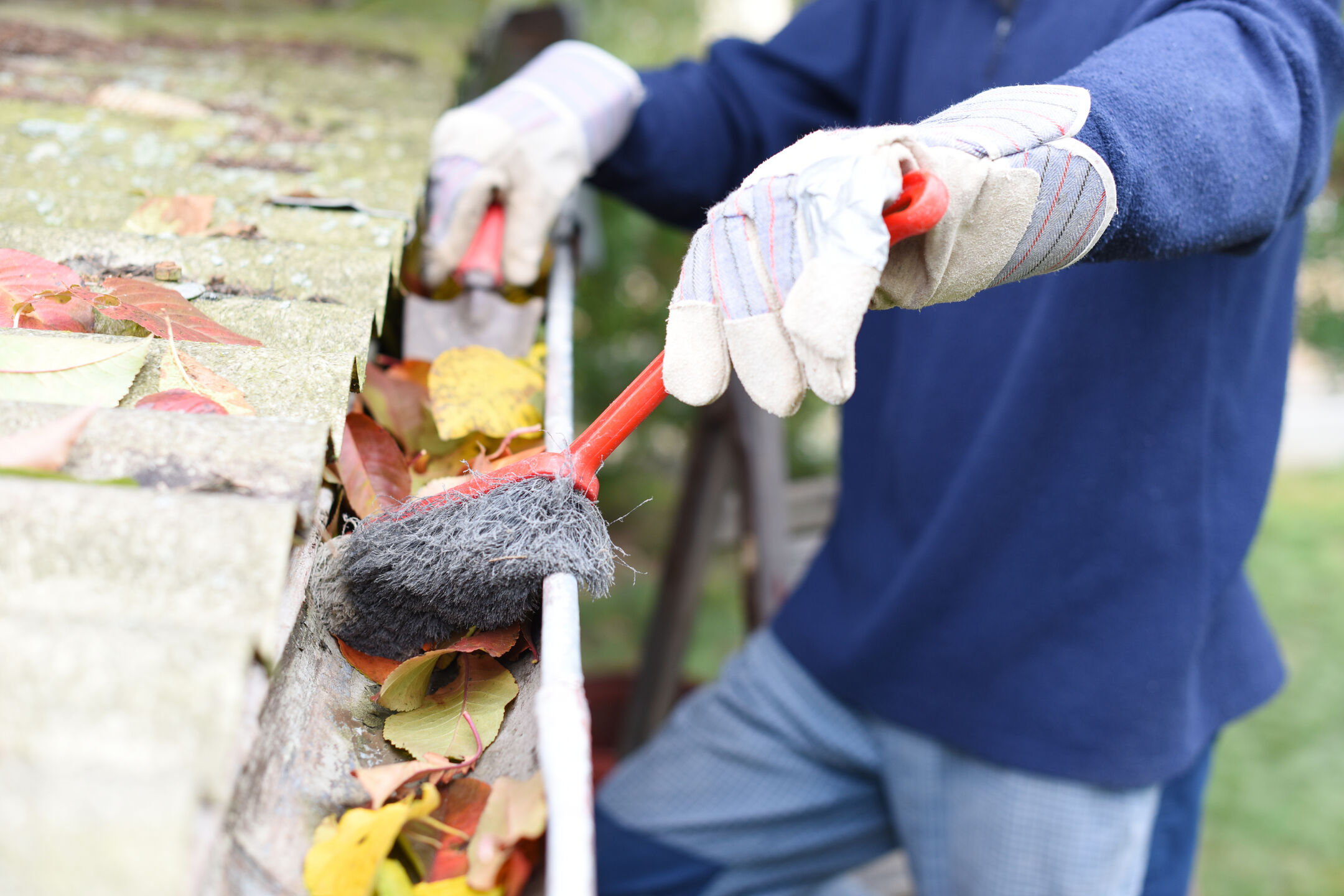
The Real Cost of Skipping Fall Gutter Care
Your gutters handle thousands of gallons of water every year, and their job gets much harder once winter arrives. When leaves and debris block the flow, water backs up, freezes, and starts causing damage you may not notice until spring.
- Protects your foundation: Properly flowing gutters carry water away from your home, reducing the risk of basement leaks, cracks, and soil erosion.
- Prevents ice dams: Clear gutters let melting snow drain off the roof instead of refreezing at the edges and forcing water under your shingles.
- Extends gutter life: Removing heavy, wet debris reduces strain on hangers and seams, helping your gutters last years longer.
- Saves money: A simple cleaning costs far less than repairing rotted fascia, damaged siding, or a flooded basement.
Clogged gutters can lead to roof leaks, foundation issues, and landscape erosion, all problems that get worse once freezing weather sets in. For homeowners in Auburn, IN and surrounding areas, the window between the last leaves falling and the first hard freeze can be short, so planning ahead pays off.
10 Steps to Get Your Gutters Ready for Winter
Fall gutter care is not complicated, but doing it thoroughly makes all the difference. Work through these ten steps on a dry, mild day, and your gutters will be prepared for whatever the season brings.
1. Time Your Cleaning Right
Cleaning too early means leaves will refill your gutters before winter. In most of Indiana, the best time is after the majority of leaves have fallen, often in late October or November. Homes surrounded by trees may need two cleanings, one mid-fall and one after the last leaves drop.
2. Gather Safety Gear and the Right Tools
Safety should always come first when working on a ladder. Having the right equipment ready makes the job faster and far less risky.
- A sturdy extension ladder with a stabilizer bar
- Work gloves, safety glasses, and non-slip shoes
- A gutter scoop, bucket, and garden hose with a spray nozzle
Never clean gutters in wet or windy conditions, and have someone nearby to steady the ladder.
3. Remove Leaves and Debris
Start near the downspouts, where debris tends to collect most, and work your way along each run. Scoop out leaves, twigs, and packed sediment by hand or with a plastic scoop, dropping debris into a bucket or onto a tarp below.
4. Flush the Gutters With Water
Once the bulk of the debris is gone, run a garden hose from the end farthest from the downspout. Watch how the water moves to confirm it flows freely and drains completely without pooling.
5. Clear Clogged Downspouts
If water backs up instead of draining, the downspout is likely clogged. Try flushing it from the top with a hose, or use a plumber’s snake to break up stubborn blockages. A clear downspout is essential, since this is where frozen clogs most often form.
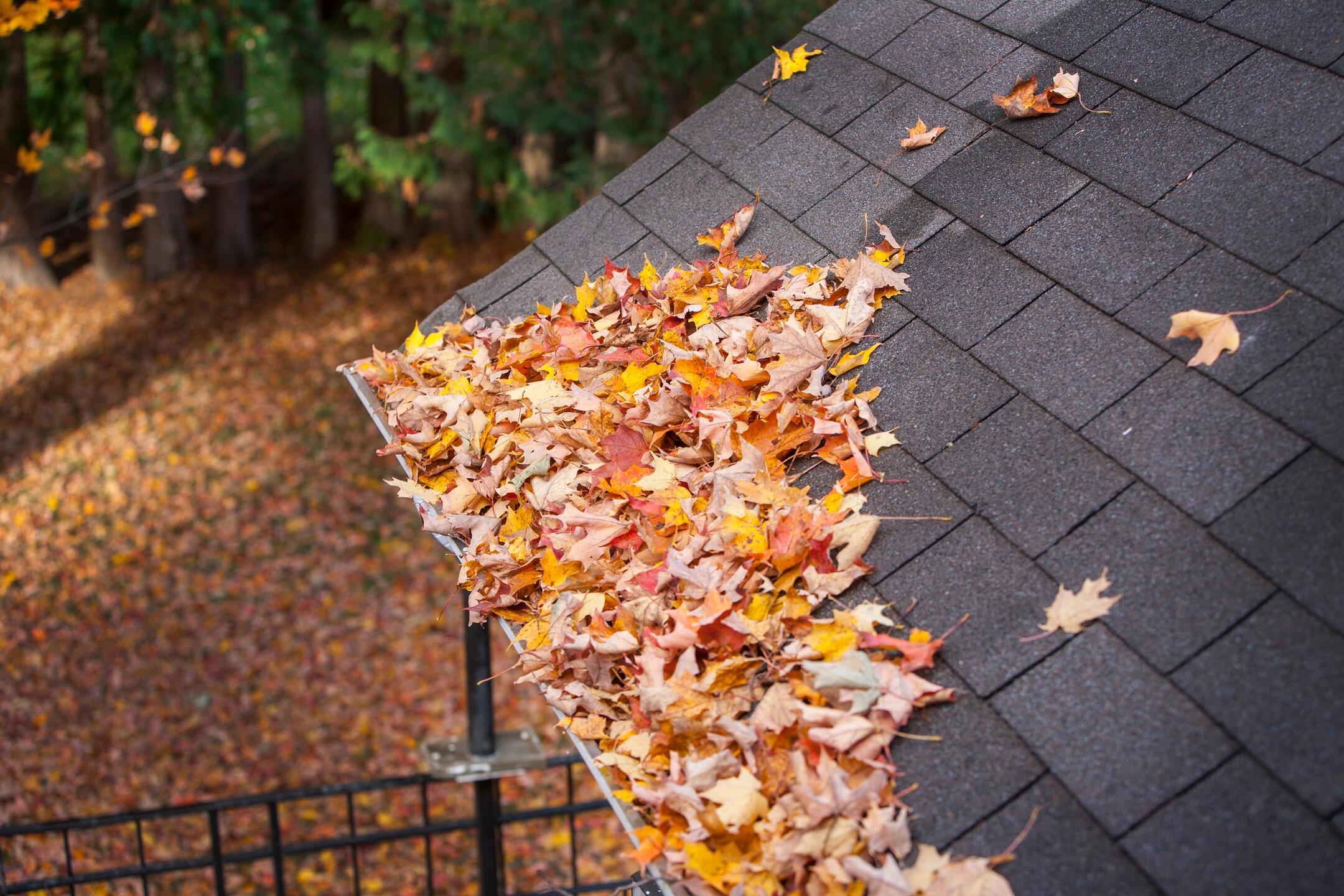
6. Check the Slope
Gutters need a slight pitch toward the downspouts to drain properly. A common guideline is about a quarter inch of drop for every 10 feet of gutter. Standing water after flushing usually means a section has sagged and needs to be adjusted.
7. Tighten Loose Hangers and Fasteners
Snow and ice add serious weight to your gutters. Look for sections pulling away from the fascia, and tighten or replace loose hangers before winter puts them under extra stress.
8. Seal Leaks at Seams and Corners
Drips at joints, corners, and end caps often go unnoticed until they cause damage. Dry the area thoroughly and apply a gutter sealant to any seams that leak or show gaps.
- Check corners and end caps closely
- Look for rust spots or small holes on metal gutters
- Watch for staining on siding below the gutter line
Small leaks are easy to fix now but can widen quickly once ice begins to form.
9. Extend Downspouts Away From Your Foundation
Water should exit at least 4 to 6 feet away from your home. Add downspout extensions or splash blocks if water currently empties right next to the foundation.
10. Inspect the Roof Edge and Nearby Trees
While you are on the ladder, check the drip edge, fascia, and shingles along the roof line for damage or rot. Trim back overhanging branches that drop debris and could break under heavy snow.
Completing these steps gives your gutters the best possible chance of handling an Indiana winter without trouble. If you are uncomfortable working on a ladder or your home has two or more stories, it is always safer to call a professional.
Winter Threats Indiana Gutters Have to Survive
Indiana winters bring a mix of snow, ice, and rapid temperature swings that put gutters to the test. Understanding these threats helps explain why fall preparation matters so much.
Ice Dams
When heat escaping through the roof melts snow, the water runs down to the colder edge and refreezes. Clogged gutters make this worse, creating ridges of ice that push water back under the shingles and into your home.
Heavy Snow Loads
Wet, heavy snow can add hundreds of pounds of weight to a gutter system. Loose hangers or weak sections may bend, sag, or pull away from the house entirely.
Freeze and Thaw Cycles
Temperatures that swing above and below freezing cause water in gutters to expand and contract repeatedly. Over time, this stresses seams, loosens fasteners, and widens small cracks.
Late-Season Storms
Strong November winds can knock down branches and fill freshly cleaned gutters with new debris. A quick check after major storms helps keep your system clear heading into winter.
Families in Auburn, IN and surrounding areas see all of these conditions in a typical winter. Gutters that start the season clean, secure, and properly sloped are far more likely to come through without damage.
Do Gutter Guards Make Fall Maintenance Easier?
Gutter guards are a popular way to reduce how often you need to clean, especially for homes surrounded by mature trees. They do not eliminate maintenance entirely, but the right type can significantly cut down on clogs.
| Guard Type | How It Works | Best For | Things to Know |
| Micro-mesh | Fine mesh blocks small debris | Homes with pine needles or seeds | Needs occasional brushing on top |
| Screen | Wire or plastic grid covers gutter | Large leaves and budget projects | Smaller debris can still slip through |
| Reverse curve | Water follows a curved edge into the gutter | Heavy leaf areas | Can overflow in very heavy rain |
| Foam or brush | Inserts fill the gutter channel | Simple DIY installs | Can trap debris and need replacement |
Even with guards installed, plan on at least one inspection each fall to clear any debris resting on top and check that water still flows freely. A professional can help you choose the guard style that best fits your roof, trees, and gutter system.

Frequently Asked Questions About Fall Gutter Maintenance
Homeowners often have questions about timing, frequency, and when to get professional help. Here are answers to the ones we hear most often.
When should I clean my gutters in Indiana?
Late October through November is usually ideal, after most leaves have fallen but before freezing temperatures arrive.
How often should gutters be cleaned?
Most homes need cleaning at least twice a year, in spring and fall. Homes with many nearby trees may need cleaning three or four times a year.
Is it safe to clean gutters myself?
Single-story gutters can often be cleaned safely with the right ladder and safety gear. For taller homes or steep roofs, hiring a professional is the safer choice.
Do gutter guards mean I never have to clean my gutters?
No. Guards reduce clogs, but debris can still collect on top or in downspouts, so an annual check is still important.
What should I do if my gutters are sagging or leaking?
Address it before winter. Tightening hangers and sealing seams can fix minor problems, while badly damaged sections may need replacement.
Staying ahead of these issues in the fall can save you from frozen clogs and water damage later in the season. If you are unsure about the condition of your gutters, a professional inspection can give you peace of mind.
Keep Water Flowing All Winter Long
Clean, secure gutters are one of your home’s best defenses against winter water damage. Taking care of them in the fall helps protect your roof, siding, and foundation from ice dams, leaks, and costly repairs once the snow starts to fly.
Maumee River Roofing helps homeowners throughout Auburn, IN and surrounding areas keep their gutters, roofing, and siding ready for Indiana’s toughest weather. Whether you need repairs, new gutters, or advice on gutter guards, contact us today to schedule a visit with our team.