

Every commercial property owner knows that a roofing system is one of the most important—and expensive—investments in their building. Beyond installation quality and material performance, one critical factor often determines how protected that investment truly is: your commercial roof warranty. A well-structured warranty safeguards you from costly repair bills, ensures workmanship accountability, and provides peace of mind that your roof will perform for decades.
In a competitive business environment like Indianapolis and surrounding areas, understanding warranty coverage can mean the difference between long-term savings and unexpected expenses. If you’re planning a new installation or re-roofing project, explore how different coverage options can complement your building’s needs through our commercial roofing solutions.
Here’s what you’ll learn in this guide:
- Why warranty coverage is critical for commercial roofs
- The four most common types of commercial roof warranties
- What to look for in coverage terms and exclusions
- How to maintain your warranty and avoid voiding it
Why Warranty Coverage Matters for Commercial Roofs
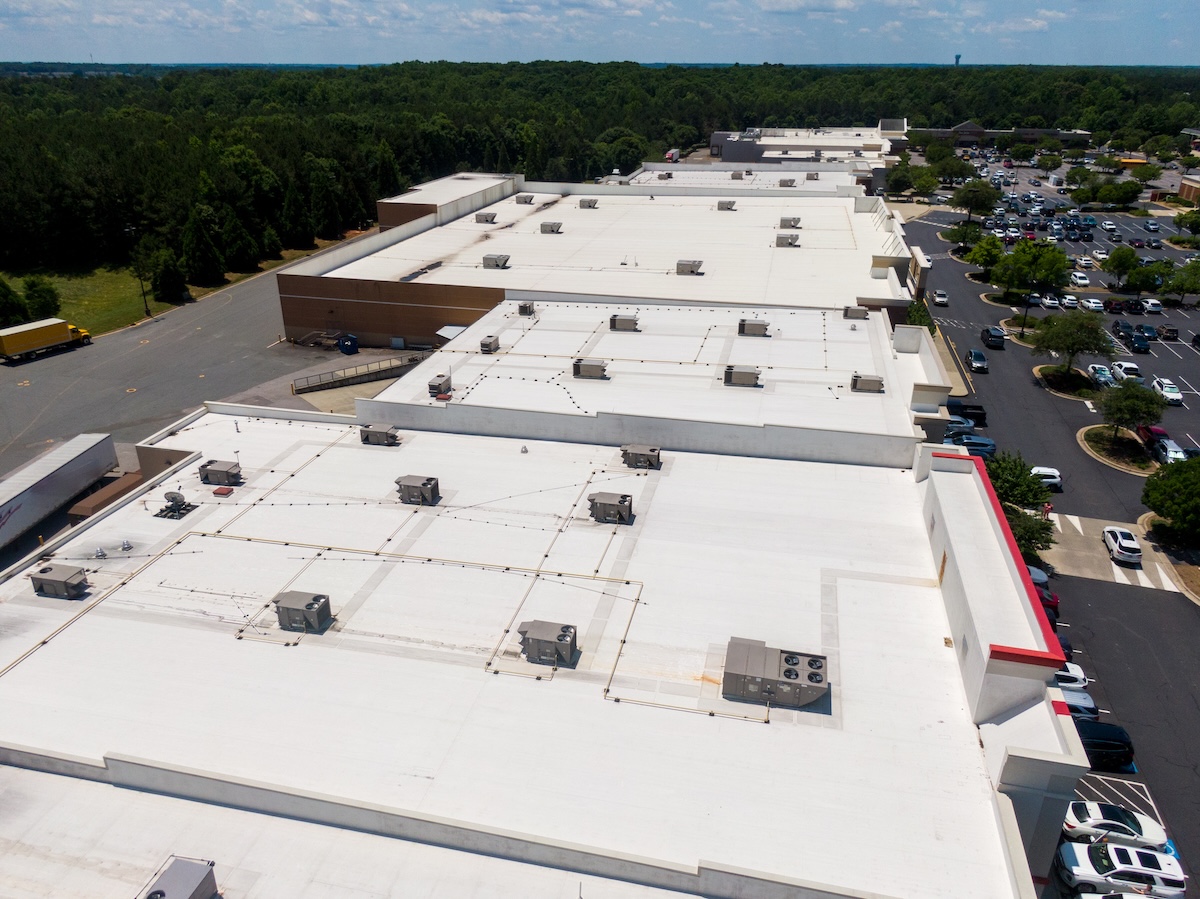
Your roof is a major investment designed to last 20 years or more, depending on materials and installation quality. A strong warranty helps protect that investment by providing a financial safety net in case of manufacturing defects, installation errors, or early performance issues.
For commercial property owners, warranties also serve as an important form of risk management. They transfer certain financial responsibilities from you to the manufacturer or contractor—offering stability, assurance, and long-term value.
- Protects your budget: If a roofing system fails prematurely due to materials or workmanship, warranty coverage ensures you’re not footing the full repair bill.
- Builds confidence in your contractor: A reputable roofing company will stand behind its work with clear warranty terms.
- Ensures quality installation: Many manufacturers only issue full warranties when certified contractors perform the work, guaranteeing installation meets strict standards.
- Supports long-term planning: Knowing your roof is covered allows you to allocate maintenance budgets more effectively.
- Preserves property value: A transferable warranty can make your building more attractive to potential buyers or tenants.
Commercial roofs face unique demands from foot traffic, HVAC systems, and weather exposure. That’s why understanding your options is key before signing a contract.
4 Best Types of Commercial Roof Warranty Coverage
Commercial roofing warranties vary based on what they protect and who issues them. The four primary types offer different levels of protection—some covering only materials, while others include labor, installation, or entire system performance.
1. Manufacturer’s Material Warranty
This is the most basic level of warranty protection and is typically included when you purchase roofing materials. It guarantees that the manufacturer’s products are free from defects that could cause premature failure.
Coverage details:
- Protects against defects in roofing membranes, insulation, adhesives, or coatings
- Usually lasts between 10 and 30 years depending on product line
- May offer prorated reimbursement for materials, not labor
Limitations:
- Does not cover workmanship or installation-related issues
- Can be voided if materials were improperly installed or maintained
Best for: Property owners who have a trusted, long-term relationship with a contractor and want manufacturer-backed assurance for product quality.
2. Workmanship Warranty
This warranty is provided directly by the roofing contractor, covering installation errors or poor craftsmanship. Even high-quality materials can fail prematurely if not installed properly, making this warranty essential.
Coverage details:
- Protects against leaks or failures caused by improper installation
- Typically ranges from 2 to 10 years depending on the contractor
- Often transferable if ownership changes within the warranty period
Limitations:
- Only applies to labor, not materials
- Requires regular maintenance and inspections to remain valid
Best for: Building owners who want accountability from their installer and added assurance that repairs won’t result from human error.
3. Full System Warranty
A full system warranty—also known as a “no dollar limit” warranty—combines materials and labor under one comprehensive coverage plan. It provides the highest level of protection and peace of mind for commercial buildings.
Coverage details:
- Covers both materials and installation
- Includes flashings, insulation, membranes, and accessories
- Manufacturer or contractor is responsible for repairs up to the full cost, not just prorated amounts
Limitations:
- Must be installed by a manufacturer-certified contractor
- Requires proper documentation, inspection, and routine maintenance
Best for: Larger commercial buildings or facilities where long-term performance and minimal risk are priorities.
4. Extended or NDL (No Dollar Limit) Manufacturer Warranty
The most comprehensive option available, this warranty guarantees that if your roof fails for any covered reason within the term, the manufacturer will pay for the full cost of repairs or replacement—without depreciation or coverage caps.
Coverage details:
- Non-prorated coverage for both labor and materials
- Typically lasts 20–35 years
- Includes performance inspections by the manufacturer
Limitations:
- Installation must meet strict manufacturer specifications
- Maintenance logs and annual inspections are often required
Best for: Businesses that want long-term coverage, predictable costs, and high confidence in both product and installation quality.
Key Factors That Affect Warranty Terms
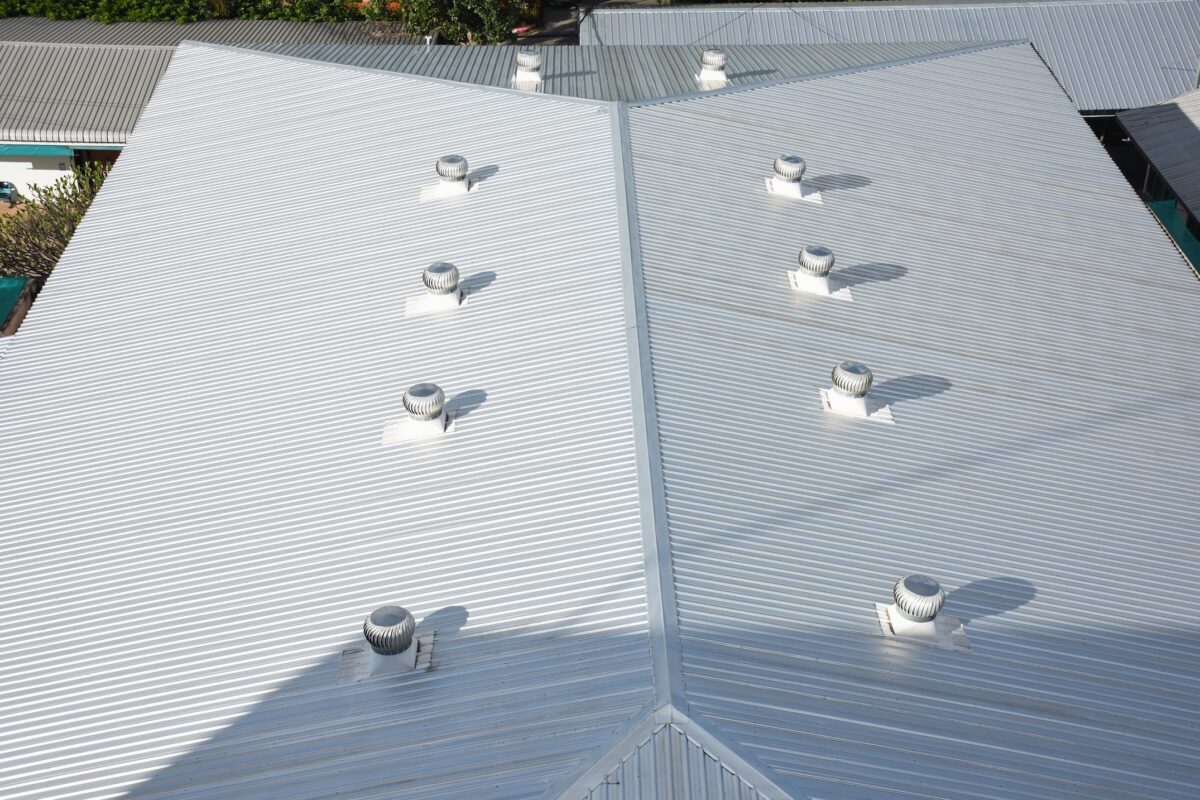
Not all warranties are created equal, and understanding the fine print is essential. Here are the most important factors that determine your warranty’s value and reliability:
- Roofing Material Type: TPO, PVC, EPDM, and metal roofing systems all come with varying warranty lengths and terms.
- Installation Certification: Manufacturers often require certified contractors—like Maumee River Roofing—to perform the installation for warranty validation.
- Maintenance Requirements: Failure to conduct regular roof inspections or cleanings can void your warranty.
- Documentation: Keep detailed records of maintenance, inspections, and any repairs.
- Transferability: Some warranties allow transfer to new building owners, increasing your property’s resale appeal.
Always review coverage details carefully to ensure your expectations match what’s actually included.
Enhancing the Value of Your Warranty Coverage
Warranties are only as effective as the maintenance program that supports them. Commercial property owners who prioritize roof upkeep often experience fewer claims, smoother warranty processes, and extended roof life.
Routine Inspections
Schedule professional inspections at least twice per year—preferably in spring and fall. These checks identify early issues like seam separation, ponding water, or membrane damage before they worsen.
Preventive Maintenance
Keep the roof clear of debris, standing water, and overhanging branches. Cleaning drains and gutters improves drainage and prevents unnecessary strain on the roofing system.
Professional Repairs
Only hire certified professionals for repairs or modifications. Using unapproved materials or third-party contractors can void your coverage.
Annual Documentation
Maintain a record of all maintenance activities, invoices, inspection reports, and photos. This evidence is often required if you need to file a claim.
Compliance with Warranty Terms
Read the maintenance section of your warranty carefully. Requirements like annual inspections or documentation aren’t optional—they’re essential for keeping coverage valid.
Comparing Warranty Types at a Glance
The table below outlines how different commercial roof warranties compare in terms of cost, coverage, and longevity:
| Warranty Type | Covers Materials | Covers Labor | Coverage Term | Transferable | Cost |
| Manufacturer’s Material | ✔️ | ❌ | 10–30 years | Sometimes | Included |
| Workmanship | ❌ | ✔️ | 2–10 years | Sometimes | Included |
| Full System | ✔️ | ✔️ | 20–30 years | Often | Moderate |
| NDL / Extended | ✔️ | ✔️ | 25–35 years | Often | Higher |
This comparison helps clarify how much protection you receive with each warranty type and what to expect in terms of cost versus long-term value.
Avoiding Common Warranty Pitfalls
Many commercial property owners unintentionally void their warranties due to simple oversights. Avoid these mistakes to keep your coverage intact:
- Neglecting maintenance: Skipping inspections or cleaning can void warranties immediately.
- Unauthorized repairs: Using non-certified contractors or off-brand materials can disqualify claims.
- Improper roof access: Uncontrolled foot traffic or equipment installations can cause unapproved damage.
- Failure to report damage: Ignoring minor leaks or punctures can escalate into issues not covered by warranty terms.
- Lack of documentation: Without proper records, proving compliance can be challenging during claims.
Partnering with a trusted roofing provider ensures your roof receives the maintenance and documentation required to keep coverage valid.
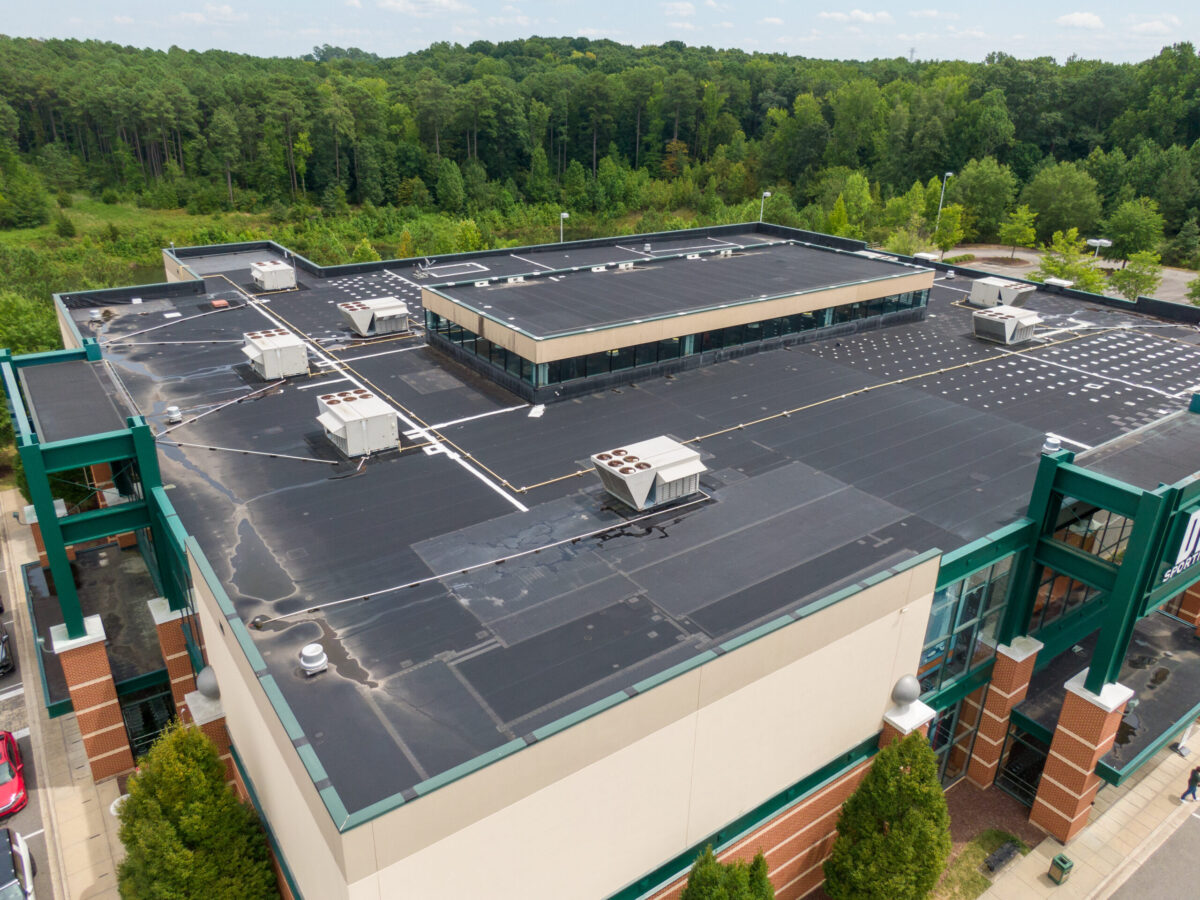
Protect Your Investment with the Right Warranty
Your commercial roof isn’t just a protective barrier—it’s a critical part of your property’s value and operational reliability. Choosing the right warranty provides financial security, peace of mind, and long-term performance assurance.
At Maumee River Roofing, we help commercial property owners in Indianapolis and surrounding areas navigate warranty options and select coverage that fits their goals and budget. Our certified team works with top manufacturers to deliver quality installations backed by industry-leading warranty protection.
To learn more about your coverage options or to request a quote for a new roofing system, contact us today and schedule your consultation with Maumee River Roofing.