

A severe thunderstorm can leave a commercial building with torn membranes, dented metal, and leaks that threaten inventory and equipment overnight. Filing a commercial roof storm damage insurance claim quickly and correctly can mean the difference between full coverage and paying thousands out of pocket. Insurers expect clear proof that the storm caused the damage, so the steps you take in the first days matter. Knowing the process ahead of time also helps you get your building’s roof back to full strength with less stress and fewer delays.
This guide walks you through:
- The eight steps of a successful roof claim
- Common mistakes that weaken a claim
- What commercial policies typically cover
- How to handle hidden storm damage on flat roofs
Why a Well-Handled Claim Protects Your Business
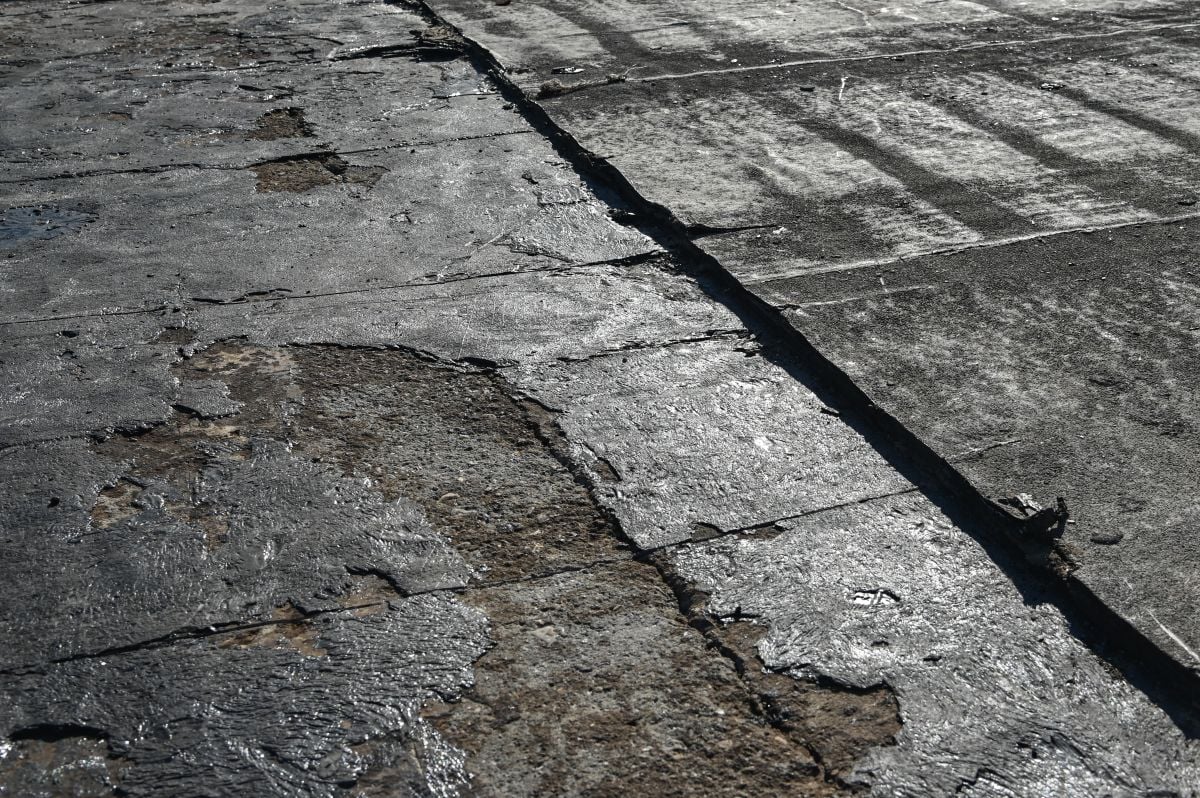
Storm damage to a commercial roof is rarely just a roofing problem. Water entering the building can ruin stock, shut down operations, and create safety hazards for employees and customers. The way you handle the insurance process determines how much of that loss you recover.
The general steps for filing a roof insurance claim are similar for homes and businesses, but commercial policies often carry higher deductibles, stricter deadlines, and more detailed documentation requirements. A careful approach pays off in several ways:
- Higher claim approval odds: Thorough documentation makes it far harder for an insurer to argue that damage came from age or neglect rather than the storm.
- Faster repairs: A complete, well-organized claim moves through the review process more quickly, so permanent repairs can start sooner.
- Reduced business interruption: Prompt action limits interior water damage and helps keep your doors open while the roof is restored.
- Stronger negotiating position: Independent inspection reports and repair estimates give you solid ground if the adjuster’s initial offer comes in low.
For business owners in Bluffton, IN and surrounding areas, this preparation is especially important. Spring and summer storms across northeast Indiana regularly bring damaging hail and straight-line winds that can strike commercial roofs with little warning.
8 Steps to File a Commercial Roof Storm Damage Claim
Every insurer has its own procedures, but the process for most commercial property claims follows a similar path. Working through these steps in order helps you avoid gaps that could delay or reduce your payout.
1. Make Sure the Building Is Safe
Before thinking about paperwork, check that employees and customers are safe. Look for sagging ceilings, water near electrical equipment, or debris that could fall. Do not climb onto a damaged roof yourself, since wet membranes and weakened decking create serious fall hazards.
2. Document the Damage and the Storm
Photos and video are the foundation of any claim. Capture damage from the ground, inside the building, and anywhere else you can safely reach.
- Ceiling stains, active leaks, and damaged inventory
- Dented rooftop units, vents, and gutters visible from the ground
- The date, time, and type of storm, along with local weather reports
3. Prevent Further Damage
Most policies require owners to take reasonable steps to limit additional damage. Emergency tarping, temporary patches, and moving inventory away from leaks all count. Keep every receipt, because mitigation costs are often reimbursed, but avoid permanent repairs until the adjuster has inspected the roof.
4. Review Your Commercial Property Policy
Pull out your policy and look for the details that will shape your claim. Pay close attention to your deductible structure, since many commercial policies use a percentage-based wind and hail deductible rather than a flat dollar amount.
- Replacement cost value versus actual cash value coverage
- Deadlines for reporting a loss
- Exclusions for wear and tear or cosmetic damage
5. Schedule a Professional Roof Inspection
A commercial roofing professional can identify damage that is not visible from the ground, including punctured membranes, displaced flashing, and wet insulation. Their written report and photos give you independent evidence before the insurance adjuster arrives.
6. Notify Your Insurer and File the Claim
Contact your agent or claims department as soon as possible after the storm. Provide your policy number, the date of loss, a description of the damage, and your supporting photos. Ask for a claim number and the name of your assigned adjuster.
7. Meet the Adjuster On Site
Try to have your roofing contractor present when the adjuster inspects the building. A roofer can point out damage the adjuster might overlook and explain how storm impacts differ from normal aging.
8. Review the Settlement and Schedule Repairs
Once you receive the adjuster’s estimate, compare it line by line with your contractor’s estimate. If items are missing, your roofer can help you submit a supplement with additional documentation. After the claim is settled, schedule repairs promptly to protect the building.
Following these steps creates a clear, organized record from the day of the storm to the final repair. That record is your best protection if questions or disputes come up along the way.
Mistakes That Can Weaken Your Claim
Even owners with good coverage sometimes lose money because of avoidable errors. Watching out for these common missteps keeps your claim on solid footing.
- Waiting too long to report: Many commercial policies set strict notice deadlines, and delays make it harder to prove the storm caused the damage.
- Making permanent repairs too early: Replacing damaged materials before the adjuster sees them can leave you without the evidence you need.
- Relying only on the insurer’s inspection: The adjuster works for the insurance company, so an independent roofing report helps ensure nothing is missed.
- Ignoring interior damage: Ceiling tiles, insulation, drywall, and inventory losses can add up quickly and should be documented alongside the roof.
- Skipping maintenance records: Inspection and repair history helps show that your roof was in good condition before the storm, which counters claims of neglect.
Avoiding these mistakes does not guarantee approval, but it significantly improves your chances. Owners in Bluffton, IN and surrounding areas who keep regular inspection records often find the claims process far smoother when severe weather does strike.
Understanding What Commercial Policies Typically Cover
Coverage varies from one policy to the next, so your own policy language always takes priority. Still, most commercial property policies follow similar patterns when it comes to roof damage.
| Type of Damage | Typically Covered? | Notes |
| Hail impact damage | Usually | Some policies exclude purely cosmetic dents |
| Wind damage and blow-offs | Usually | Percentage-based deductibles are common |
| Fallen trees or debris | Usually | Removal costs may have separate limits |
| Interior water damage from storm openings | Usually | Must result from covered roof damage |
| Gradual leaks and wear | Rarely | Considered a maintenance issue |
| Damage from poor installation | Rarely | May fall under contractor warranty instead |
Hidden Storm Damage on Flat Roofs
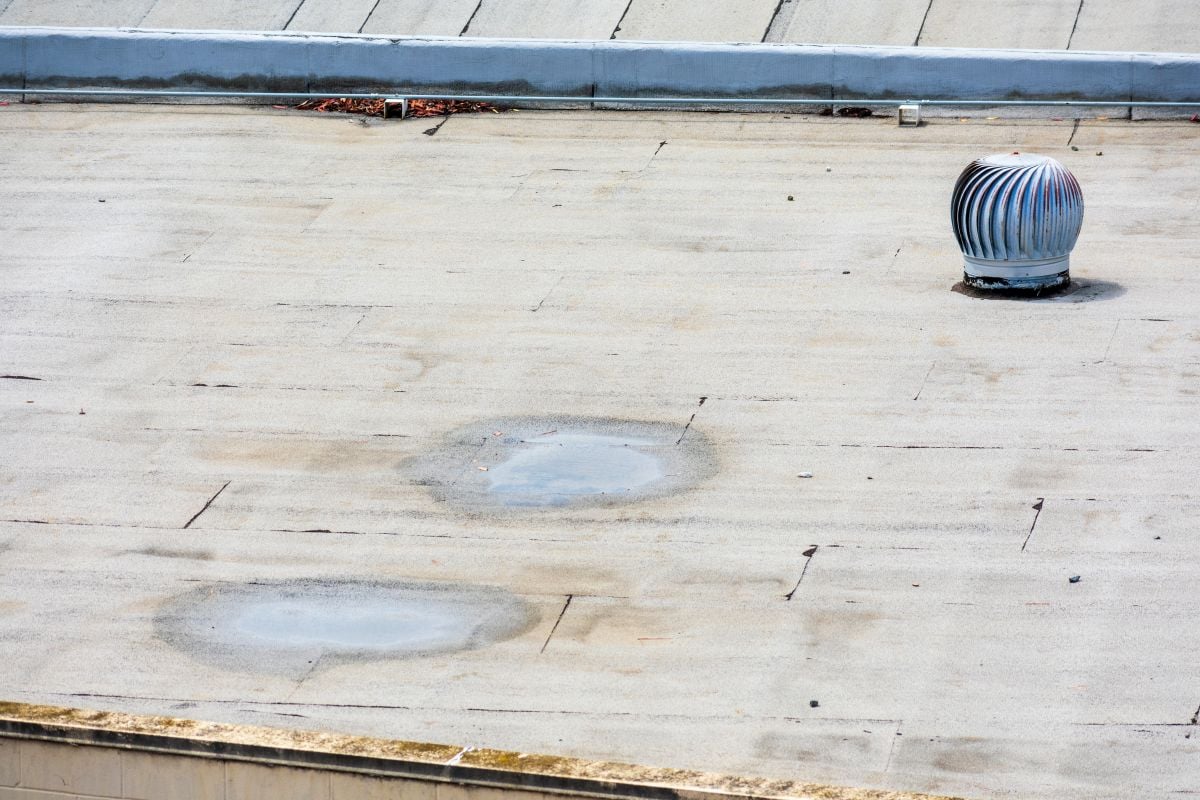
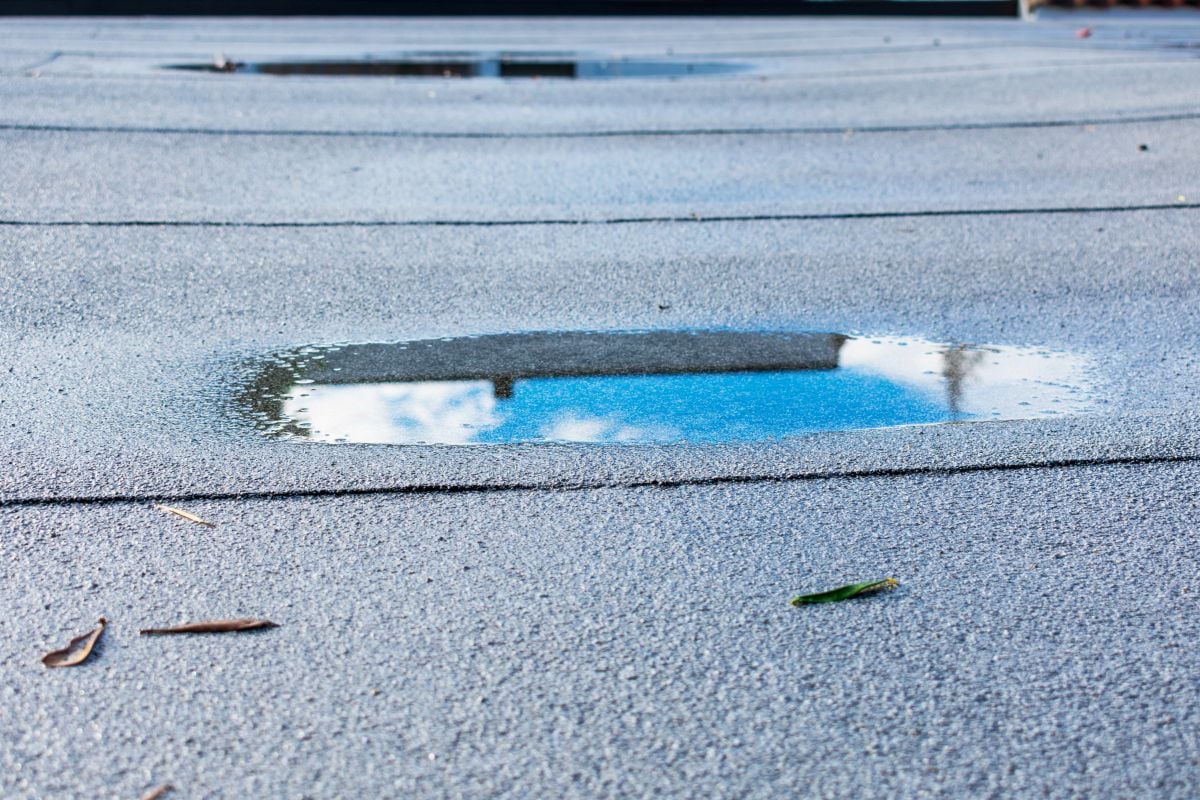
Hail damage on low-slope roofs is not always obvious. Impacts can bruise or crack a membrane without leaving a visible hole, and the leak may not appear for weeks or months. On built-up roofs, gravel can hide damage entirely. A professional inspection with core samples or moisture scanning can reveal problems that would otherwise be missed until after a claim deadline has passed.
Because hidden damage can surface long after a storm, it pays to schedule an inspection after any significant weather event, even if you see no leaks. Commercial property owners in Bluffton, IN and surrounding areas benefit from catching these issues early while they are still clearly tied to a specific storm.
Frequently Asked Questions About Commercial Roof Storm Damage Insurance Claims
Business owners often have similar questions after a storm damages their building. Here are clear answers to some of the most common ones.
How long do I have to file a commercial roof insurance claim?
Deadlines vary by policy and state, but many insurers expect prompt notice, often within days or weeks of the storm. Check your policy and report damage as soon as possible.
Will filing a claim raise my commercial insurance premium?
It can, depending on your claims history and insurer. However, failing to file for legitimate storm damage often costs more in the long run.
Should I get my own roof inspection before the adjuster visits?
Yes. An independent inspection documents damage from a roofing professional’s perspective and gives you a comparison point for the adjuster’s estimate.
What if my claim is denied or the payout seems too low?
You can request a second inspection, submit additional documentation, or file an appeal. Some policies also include an appraisal process for resolving disagreements over the amount of loss.
Does insurance cover a full roof replacement after a storm?
It can if the damage is widespread enough that repairs are not practical. Coverage depends on the extent of storm damage, your policy type, and the roof’s condition before the event.
If your question is not answered here, your insurance agent and a trusted roofing contractor are the best resources. Working with both gives you a complete picture of your coverage and your roof’s condition.
Get Storm Damage Help You Can Count On
A storm can damage your roof in minutes, but the claims process can stretch on for weeks without the right support. Quick documentation, a professional inspection, and an organized approach help you recover what your policy promises. Maumee River Roofing helps business owners and property managers in Bluffton, IN and surrounding areas inspect storm damage, document findings for insurers, and complete repairs that restore protection to the building. If your commercial roof took a hit in a recent storm, contact us today to schedule an inspection and get your claim moving.