

A leak over your warehouse floor or a soft spot near a rooftop unit forces a big question fast. Weighing commercial roof repair vs replacement is one of the most expensive decisions a commercial property owner faces, and getting it wrong can mean years of patching a failing system or tearing off an entire roof that still had life left. The right answer depends on several factors, and a thorough look at your flat or low-slope roofing system is the best way to make an informed decision before you commit budget either way.
Here’s what this guide covers:
- How roof age, damage, and leak history shape the decision
- The six signs that point toward repair or full roof replacement
- Middle-ground options like commercial roof restoration and re-covers
- A side-by-side cost and lifespan comparison
Why the Right Call Protects Your Building and Your Budget
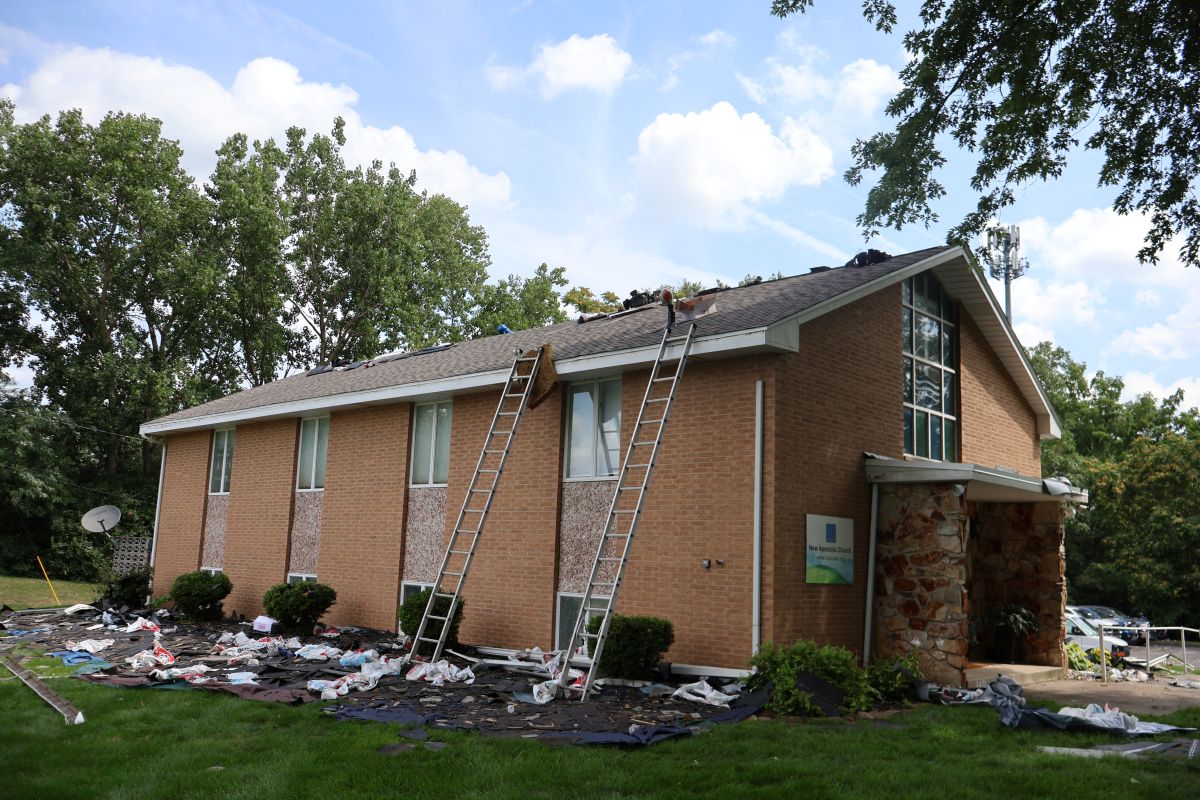
Your commercial roof shields inventory, equipment, tenants, and employees, so the choice between fixing and replacing it affects daily operations far beyond the roof itself. A repair that only delays the inevitable can cost more over five years than a planned complete replacement, while an early tear-off wastes capital that could have gone elsewhere.
Facility professionals agree there is no one-size-fits-all answer, and that the decision to repair or replace a roof should weigh building use, damage costs, and long-term budget planning together. Making a deliberate choice instead of a reactive one delivers several clear benefits:
- Lower lifetime costs: Matching the fix to the actual condition of the roof helps you find the most cost effective solution instead of paying twice for repeated patches and a replacement you could have planned.
- Fewer business interruptions: Leaks that drip onto workstations, stock, or machinery disrupt business operations and cost money in lost productivity and cleanup.
- Stronger budget forecasting: Knowing whether you have two years or ten years left on a roof helps you schedule capital spending and protect property value instead of scrambling after an emergency.
- Better energy efficiency: Wet or compressed insulation loses much of its R-value, so addressing the real problem can lower heating and cooling costs noticeably.
For property owners in Huntington, IN and surrounding areas, freeze-thaw cycles, heavy snow loads, high winds, and summer storms put extra stress on flat roofs every year. That makes a well-timed decision even more valuable for the long term health of buildings across northeast Indiana.
6 Signs That Point Toward Repair or Replacement
Not every roof needs to come off at the first sign of trouble, but a pattern usually emerges once you look at it from several angles. The six factors below are the same ones an experienced roofing contractor evaluates during a professional roof inspection.
1. Age and Remaining Service Life
Every roofing material has an expected lifespan, and where your roof sits on that timeline matters a great deal. A ten-year-old TPO roof with a few small leaks is usually a good candidate for repair, while a 25-year-old built-up roof with similar damage may be near the end of its lifespan.
- TPO and PVC membranes typically last 20 to 30 years
- EPDM rubber often reaches 25 to 30 years or more
- Modified bitumen generally lasts 15 to 20 years
- Metal roofing can last 40 years or longer with proper care
2. How Widespread the Damage Is
Minor damages such as loose seams, damaged flashing, a failed pipe boot, or a punctured section near a service path are usually straightforward repairs. When extensive damage covers a large portion of the roof surface, patching becomes a losing battle. Many contractors use a rough guideline: if 25 to 30 percent or more of the roof is compromised, replacement deserves serious consideration.
3. Leak History and Frequency
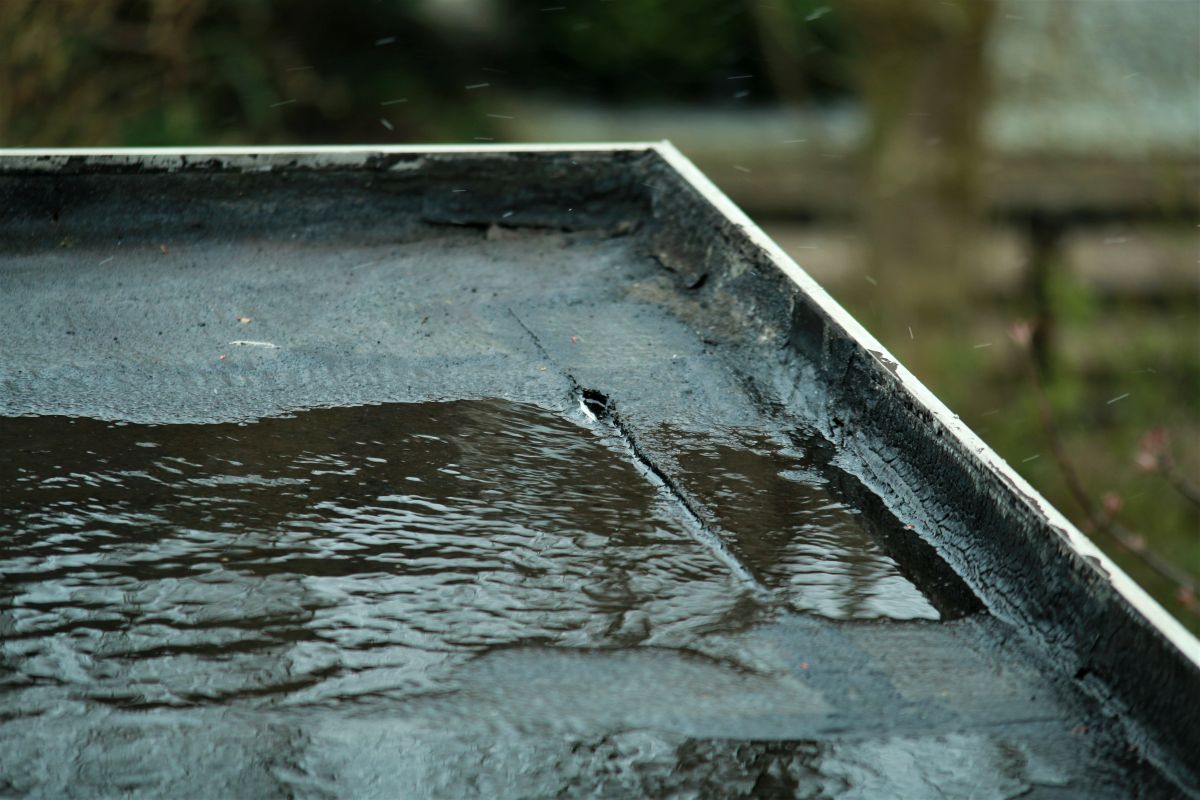
One leak after a severe storm is not a reason to panic. Persistent leaks in different areas, however, often signal that the overall membrane condition is breaking down system-wide, especially when drainage issues leave water ponding for days. Keep a simple log of each leak, its location, and the repair cost so the trend becomes obvious.
4. Moisture Trapped in the Insulation
Water that slips past the membrane often soaks into the insulation below, where it stays hidden for months. Saturated insulation adds weight, encourages mold growth, accelerates deck corrosion, and destroys thermal performance. An infrared or nuclear moisture survey can map wet areas precisely.
- Small, isolated wet sections can be cut out and replaced
- Extensive water damage usually means a full tear-off is needed
- Wet insulation also rules out a roof re-cover in most cases
5. Condition of the Roof Deck
The deck is the structural layer that supports everything above it. Rusted steel decking, rotted wood, or deteriorated concrete turns a roofing repair into a structural concern. If the inspection reveals major issues in multiple areas, replacement allows your contractor to repair the structure properly before installing a new system.
6. The Cost Comparison Over Time
Finally, compare the real numbers. A common rule of thumb says that when a single repair approaches 50 percent of replacement cost, it is usually smarter to replace a commercial roof outright. Also total up what you have spent on repairs over the past three to five years, because a steady stream of smaller bills can quietly exceed the cost of a new roof.
Looking at all six factors together gives you a far clearer picture of your current roof than reacting to the most recent leak. A roof that passes on age and deck condition but fails on moisture and leak history is still telling you something important.
Commercial Roof Restoration and Other Middle-Ground Options
The choice is not always a strict either-or. Several options fall between a simple patch and a complete commercial roof replacement, and they can stretch your roofing budget considerably when the conditions are right.
- Roof coating and restoration: Silicone, acrylic, and urethane products seal minor issues, and reflective coatings reduce heat absorption while adding years to a roof that is structurally sound. Roof restoration works best when less than about a quarter of the insulation is wet.
- Roof re-cover: A re-cover installs a new membrane directly over the existing system, which avoids tear-off labor and disposal costs. Most building codes allow only one re-cover layer, so this option disappears if your building already has two roofs.
- Targeted section replacement: On large buildings, replacing the worst section while repairing the rest can spread costs across multiple budget cycles without leaving the building exposed.
- Preventive maintenance plans: Periodic maintenance and twice-yearly inspections, typically in spring and fall, catch small problems early and help you plan the next major decision on your schedule.
These alternatives can save you money, but they only make sense when the underlying system is healthy enough to support them. A coating or re-cover placed over wet insulation or a damaged deck simply traps the problem. For commercial buildings in Huntington, IN and surrounding areas, a core sample and moisture scan should always come first.
Comparing Repair and Replacement Side by Side
Seeing the trade-offs in one place often makes the decision clearer. The table below summarizes how the most common paths stack up for a typical low-slope commercial roof.
| Factor | Repair | Restoration or Re-cover | Full Replacement |
| Upfront cost | Lowest | Moderate | Highest |
| Added service life | 1 to 5 years | 10 to 20 years | 20 to 30+ years |
| Business disruption | Minimal | Low to moderate | Moderate to high |
| Fixes wet insulation | Only small areas | No | Yes |
| Addresses deck damage | Limited | No | Yes |
| Best for | Isolated damage on a younger roof | Sound roofs with surface wear | Older roofs or widely damaged systems |
Questions to Ask Before You Decide
Beyond the numbers, a few practical questions can tip the scale one way or the other:
- How long do you plan to own or occupy the building?
- Is a manufacturer warranty still active, and would a repair void it?
- Are you planning rooftop equipment upgrades or solar panels soon?
- Could a more energy-efficient system lower your utility costs?
Many businesses planning to sell within a few years lean toward a solid repair, while long-term occupants often save money with replacement. For businesses in Huntington, IN and surrounding areas, a professional inspection that answers these questions with real data is the most reliable way to meet your roofing needs.
Frequently Asked Questions About Commercial Roof Repair vs Replacement
Building owners often have similar questions when they reach this crossroads. Here are clear answers to the ones we hear most often.
How do I know if my commercial roof can still be repaired?
If the roof is within its expected lifespan, the damage is limited to specific areas, and the insulation and deck are mostly dry and sound, repair is usually a good option. A professional inspection with a moisture survey confirms it.
Is a roof re-cover the same as a replacement?
No. A re-cover adds a new membrane over the existing roof, while a replacement removes everything down to the deck. A re-cover costs less but cannot fix wet insulation or deck damage underneath.
How long does it take to replace your commercial roof?
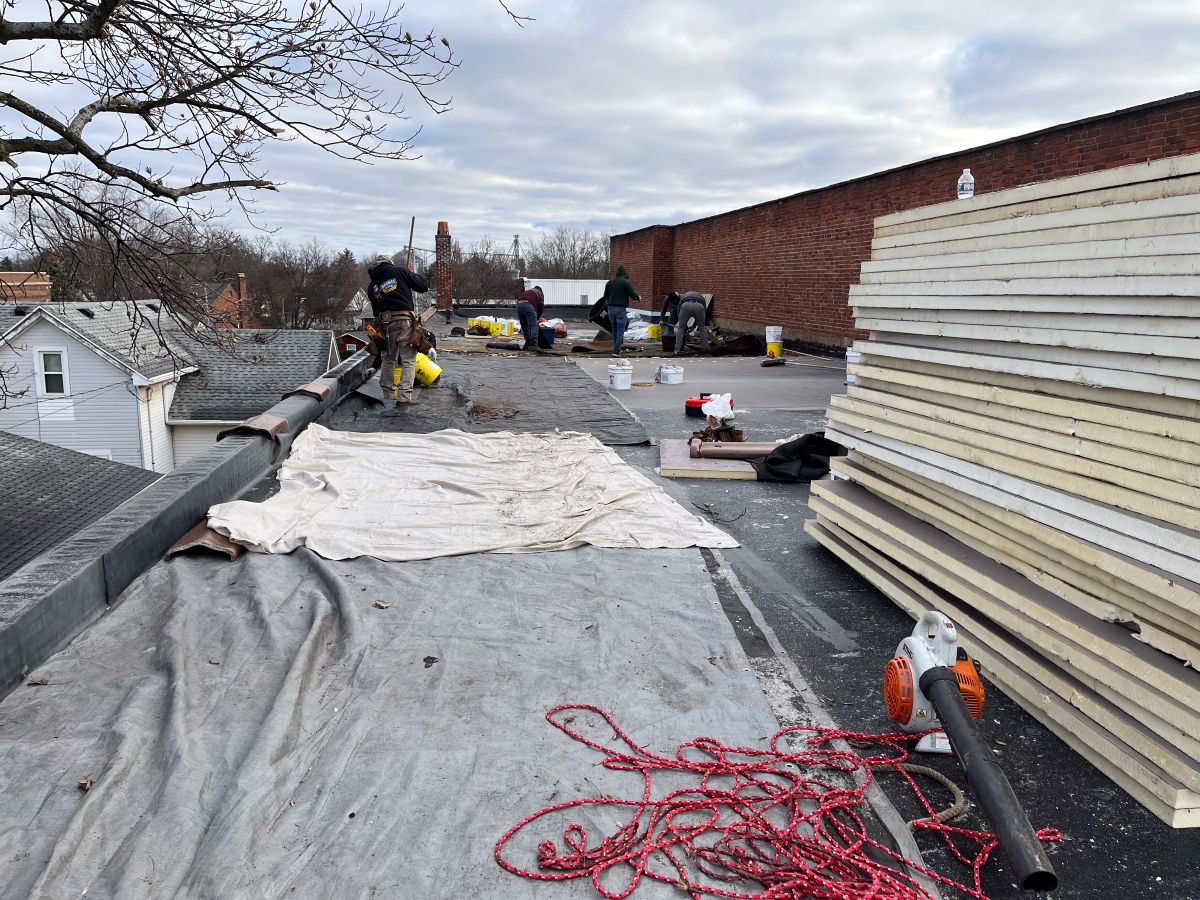
Most projects take anywhere from a few days to several weeks, depending on roof size, system type, weather, and how much deck repair is needed. Experienced crews can often phase the work to keep your business running.
Will my insurance cover repair or replacement?
Insurance typically covers sudden damage from hail or high winds, not gradual wear. Document damage quickly with photos and have a roofer inspect the roof before filing a claim.
How often should a commercial roof be inspected?
Twice a year, usually in spring and fall, plus after any major storm. Regular maintenance extends roof life and makes the eventual repair or replacement decision far less stressful.
If your question is not listed here, a local roofing professional can walk through your specific building and give you straightforward answers. Every roof is different, and a site visit removes the guesswork.
Make Your Next Roofing Decision With Confidence
Choosing between repair and replacement does not have to feel like a gamble. When you understand your roof’s age, the extent of the damage, and the long-term costs, the right path becomes much easier to see. The expert team at Maumee River Roofing helps business owners and property managers in Huntington, IN and surrounding areas evaluate their roofs honestly, recommend the option that truly fits, and complete the work with minimal disruption. If you are noticing leaks, ponding water, or rising energy bills, contact us today to schedule an inspection and get a clear, no-pressure recommendation.