

Chimney flashing may not be the first thing you think of when it comes to maintaining your home, but it plays a crucial role in protecting your roof from water damage. Many homeowners overlook this essential component, yet understanding its function and maintenance can save you time and costly repairs down the line. In this guide, we’ll explore what chimney flashing is, its benefits, how to recognize when it needs repair, and more, including:
- What is chimney flashing?
- Signs your chimney flashing needs repair
- 7 steps to repair chimney flashing
- Key insights into roof waterproofing, drainage, and durability
If you’re exploring your options for a more comprehensive roof solution, don’t forget to check out the siding installation options available through Maumee River Roofing as well.
What Is Chimney Flashing?

Chimney flashing is a waterproof seal that prevents rainwater from entering the joint where the chimney meets the roof, typically made from aluminum, copper, or galvanized steel. Proper installation is crucial to protect your home from leaks, mold, and wood rot. Professionals, like those at Maumee River Roofing, ensure the material is carefully cut and fitted to match your chimney and roof contours for optimal performance.
Types of Chimney Flashing
There are several types of chimney flashing, each designed to address different aspects of the roofing system. Step flashing is installed along the sides of the chimney, while counter flashing is placed over the step flashing for added protection. Apron flashing is used at the base, and back flashing secures the upper joints. Together, these components work harmoniously to shield your home from the elements.
Choosing the right type of flashing for your chimney depends on various factors, including roof pitch, chimney size, and material preference. A professional assessment can help determine the best solution for your specific needs, ensuring long-lasting performance and peace of mind.
Benefits of Chimney Flashing
- Prevents Water Damage: Chimney flashing acts as a vital barrier against water infiltration, preserving the structural integrity of your roof and home.
- Increases Longevity of Roofing Materials: By preventing water leakage, flashing helps extend the lifespan of shingles and other roofing components, saving you from frequent replacements.
- Enhances Energy Efficiency: A sealed and well-maintained roof keeps your home insulated, reducing energy costs related to heating and cooling.
- Reduces Risk of Mold and Mildew: Proper flashing keeps moisture out, which in turn prevents the development of mold and mildew, safeguarding your health and property.
- Boosts Home Value: Investing in proper chimney flashing may increase your home’s value, as it is a sign of meticulous maintenance and care.
- Offers Peace of Mind: Knowing that your roof is protected against potential leaks and water damage allows homeowners to feel secure, especially during heavy rainstorms.
Signs Your Chimney Flashing Needs Repair
Ensuring your chimney flashing is in good condition is crucial to prevent water leaks that can lead to significant damage in your home. Timely repairs can save you from costly repairs and maintain the integrity of your roofing system.
Visible Rust or Corrosion
If you see rust or corrosion on your chimney flashing, it indicates that repairs are necessary. These signs mean the flashing is deteriorating, risking water damage to your roof and interior. Addressing these issues quickly is crucial.
Water Stains on Ceilings or Walls
Water stains on ceilings or walls often indicate a leak in the roofing system, commonly due to deteriorating chimney flashing. Ignoring these stains can lead to mold growth and more damage.
Cracks or Gaps in the Flashing
If you notice any cracks or gaps in the chimney flashing, it’s a clear sign that repairs are needed. These openings can let water seep in, leading to leaks and water damage over time.
Increased Energy Bills
Unexplained spikes in energy bills may indicate air leaks around the chimney flashing. If warm or cool air is escaping, it not only affects your home’s comfort but can also lead to higher utility costs.
Mold or Mildew Growth
The presence of mold or mildew around the chimney area is another strong indication of moisture intrusion, often linked to damaged flashing. This issue can affect indoor air quality and should be addressed immediately.
Loose or Missing Shingles
If shingles near the chimney appear loose or are missing, this could be a sign that the flashing has failed. Properly functioning flashing is essential for keeping water out.
7 Steps to Repair Chimney Flashing

Repairing chimney flashing is crucial to prevent water leaks, which can lead to significant damage in your home. Proper flashing ensures that the area around your chimney remains watertight, protecting both the chimney and the roof.
1. Assess the Damage
Start by evaluating the condition of the flashing. Look for rust, cracks, gaps, and loose materials. This step determines if a minor repair will suffice or if full replacement is needed.
2. Remove Damaged Flashing
Carefully pry up the old flashing using a roofing bar or flat pry tool. Take your time to avoid damaging the surrounding shingles or chimney surface.
3. Install New Flashing
Cut and fit the new flashing to the chimney dimensions. Begin with step flashing along the sides, then apply apron flashing at the base and counter flashing on top for extra protection.
4. Seal the Flashing
Use a high-quality roofing sealant to seal the joints and edges. This prevents water infiltration at the seams and enhances durability against harsh weather.
5. Flashing Inspection
Inspect your installation to ensure everything is properly aligned and sealed. A second set of eyes (especially from a professional) can catch errors early.
6. Regular Maintenance
Set a yearly reminder to inspect your chimney flashing. Indiana and Ohio winters can be rough on roofing materials, so checking after major storms is wise.
7. Consult Professionals
If the job looks too complex or damage is widespread, don’t hesitate to call Maumee River Roofing. Our expert team has years of experience in flashing installation and roof repair.
Roof Waterproofing: Your Flashing’s Partner in Protection
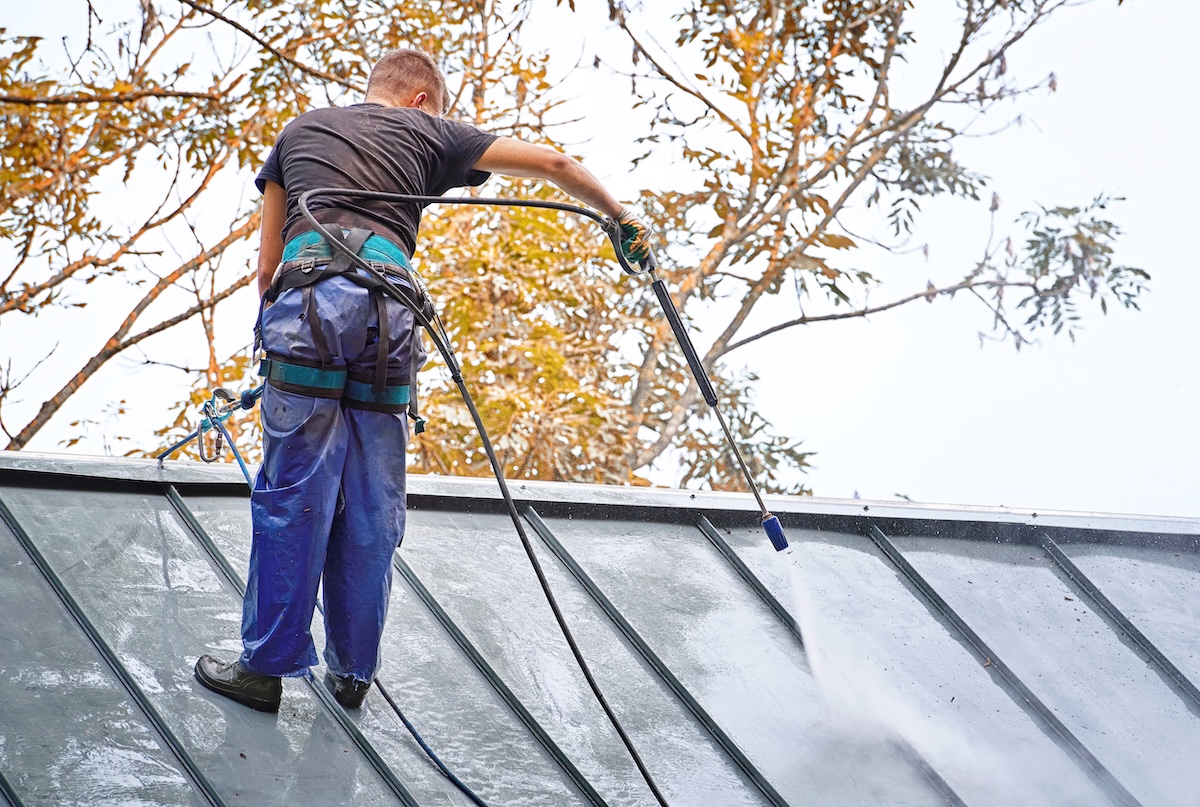
Chimney flashing works hand-in-hand with broader roof waterproofing systems to protect your home. Waterproofing includes underlayment membranes, sealing tape, and protective coatings that are installed beneath the shingles. These components:
- Redirect moisture away from decking and attic spaces
- Provide an added layer of protection during ice damming and wind-driven rain
- Reduce long-term wear and tear caused by humidity and temperature swings
If flashing is your home’s first line of defense around the chimney, then waterproofing is the full-body armor underneath your entire roof.
Roof Drainage System: Keeping Water Moving
Even the best chimney flashing won’t protect your home if your roof drainage system isn’t functioning properly. Water needs a place to go, and clogged gutters or poorly sloped roofs can result in pooling around the chimney.
Key drainage system components:
- Gutters: Direct rainwater away from fascia, soffits, and flashing areas
- Downspouts: Carry water away from your foundation
- Scuppers & Drains (for flat roofs): Prevent ponding on flat or low-slope sections
Routine gutter cleaning and slope assessments should be part of your seasonal maintenance checklist, especially in areas like Fort Wayne and surrounding regions where snowmelt and rainfall are common.
Roof Durability: It Starts at the Details
The durability of your roof is determined by many small details—chimney flashing included. When flashing fails, it exposes the underlying layers of your roof to water intrusion, rot, and structural breakdown.
Common threats to roof durability in Indiana and Ohio:
- Freeze-thaw cycles that cause expansion and contraction
- High winds that can lift improperly fastened flashing
- UV exposure that breaks down caulking and adhesives over time
Reinforcing flashing areas and investing in quality materials can extend your roof’s lifespan by years. Working with experienced roofing contractors ensures you’re not cutting corners on critical components.
Roof Layers Explained: Where Flashing Fits

Your roofing system is more than shingles. It’s a layered structure designed to protect and insulate. Here’s a quick overview of where flashing fits into the broader system:
| Roof Layer | Function |
| Roof Decking | Structural base for all roofing materials |
| Ice & Water Shield | Self-adhering membrane to stop water infiltration |
| Underlayment | Secondary barrier beneath shingles |
| Drip Edge & Flashing | Directs water off edges and joints (chimney, valleys) |
| Shingles or Metal Panels | Final outer protection against weather |
| Ridge Cap & Venting | Supports airflow and finishes the roof peak |
Flashing is one of the few layers that connects and protects transition points—making it especially vulnerable and equally important.
Local Expertise You Can Trust in Fort Wayne and Surrounding Areas
For homeowners in Fort Wayne and surrounding areas, weather fluctuations can quickly expose flaws in chimney flashing and other roofing elements. From lake-effect snow to spring thunderstorms, local roofs face constant environmental stress.
Maumee River Roofing offers inspections and flashing services tailored to local conditions. Whether you’re seeing stains on your ceiling or just want peace of mind before the next heavy rain, we’re here to help with:
- Flashing repairs and replacement
- Full roof waterproofing systems
- Gutter and drainage inspections
- Long-term maintenance plans
Protect Your Home with Expert Roofing Services
Chimney flashing may not be a glamorous topic, but its importance in protecting your home cannot be overstated. By understanding its function, recognizing the signs of damage, and knowing how to address repairs, you can ensure your roof remains in top condition.
When it comes to roofing needs, trust the experts at Maumee River Roofing. With our commitment to quality, expertise, and customer satisfaction, we’re the team you can rely on for all your roofing projects. Contact us today to learn more and schedule your consultation.