

If you are exploring durable roofing options for long term performance, built up roofing is a system worth understanding. Known for its layered construction and proven reliability, it remains a popular choice for flat and low slope roofs. Whether you are maintaining an older structure or planning a new installation, learning how it works can help you make a confident decision. For a closer look at options available in your area, explore reliable roofing solutions that align with your property’s needs.
In this guide, you will learn:
- How built up roofing systems are constructed and why they last
- The biggest advantages and potential drawbacks to consider
- When this roofing type makes the most sense for your property
- Maintenance tips and comparisons with other roofing systems
Why Built Up Roofing Still Matters Today
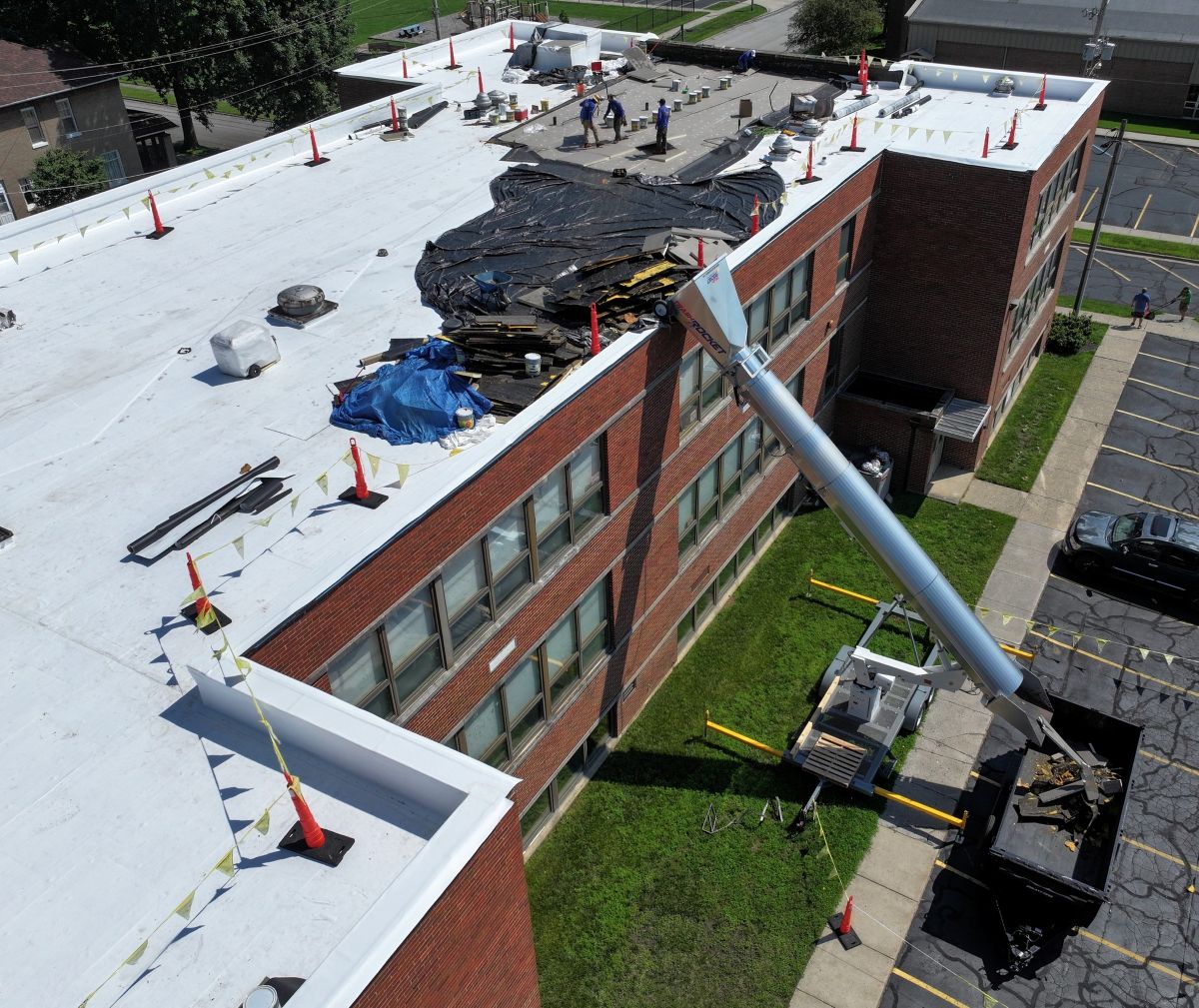 Built up roofing has been used for more than a century, and it continues to be relevant for both commercial and residential applications. Its longevity is not by chance. The system is designed to create a strong, weather resistant barrier through multiple reinforced layers. For property owners in Fort Wayne and surrounding areas, where seasonal changes can be demanding, that durability can make a meaningful difference.
Here are some key reasons this roofing system remains important:
- Proven durability: Built up roofing systems can last 20 to 30 years or more when properly maintained, making them a reliable long term investment.
- Excellent waterproofing: The layered structure creates redundancy, meaning water has a much harder time penetrating the surface.
- UV resistance: The top layer, often gravel or a reflective coating, helps protect against sun damage and slows material degradation.
- Low maintenance needs: Compared to some modern systems, built up roofing often requires fewer repairs when installed correctly.
- Fire resistance: Many BUR systems offer strong fire resistant properties, adding another layer of protection to your property.
These benefits explain why built up roofing continues to be trusted, especially for flat roofs that face consistent exposure to the elements.
5 How Built Up Roofing Works: Key Components Explained
Understanding how built up roofing is constructed helps clarify why it performs so well. The system is built in layers, each one serving a specific purpose to enhance strength and protection.
1. Base Sheet Installation
The first layer in a built up roofing system is the base sheet, which is applied directly to the roof deck.
This layer acts as the foundation and provides initial protection against moisture. It also creates a stable surface for the additional layers that follow.
Key points:
- Often made of fiberglass or organic felt
- Adhered using asphalt or other bonding agents
- Helps improve overall system adhesion
2. Reinforcing Ply Layers
Multiple plies, or layers, are added on top of the base sheet. These are typically made of bitumen and reinforcing fabrics.
Each layer strengthens the roof and adds redundancy. If one layer is compromised, the others continue to provide protection.
Additional details:
- Typically includes 2 to 5 layers depending on design
- Each ply is bonded with hot asphalt or adhesive
- Increases thickness and durability of the system
3. Bitumen Application
Bitumen, a petroleum based material, plays a central role in built up roofing. It acts as both a waterproofing agent and adhesive.
It is applied between layers to seal the system and prevent water intrusion.
Benefits of bitumen:
- Provides flexibility to handle temperature changes
- Creates a watertight seal
- Enhances overall structural integrity
4. Surface Layer or Cap Sheet
The top layer is designed to protect the underlying materials from environmental exposure. This can be a gravel layer or a specialized cap sheet.
This final layer is what you typically see when looking at a built up roof.
Common options include:
- Gravel for impact and UV protection
- Mineral surfaced cap sheets for a cleaner appearance
- Reflective coatings to improve energy efficiency
5. Final Sealing and Inspection
Once all layers are installed, the system is inspected and sealed to ensure proper performance.
This step is critical for identifying any gaps or inconsistencies before the roof is put into service.
Important considerations:
- Ensures proper drainage
- Confirms layer adhesion
- Helps prevent early failure
Pros and Cons of Built Up Roofing
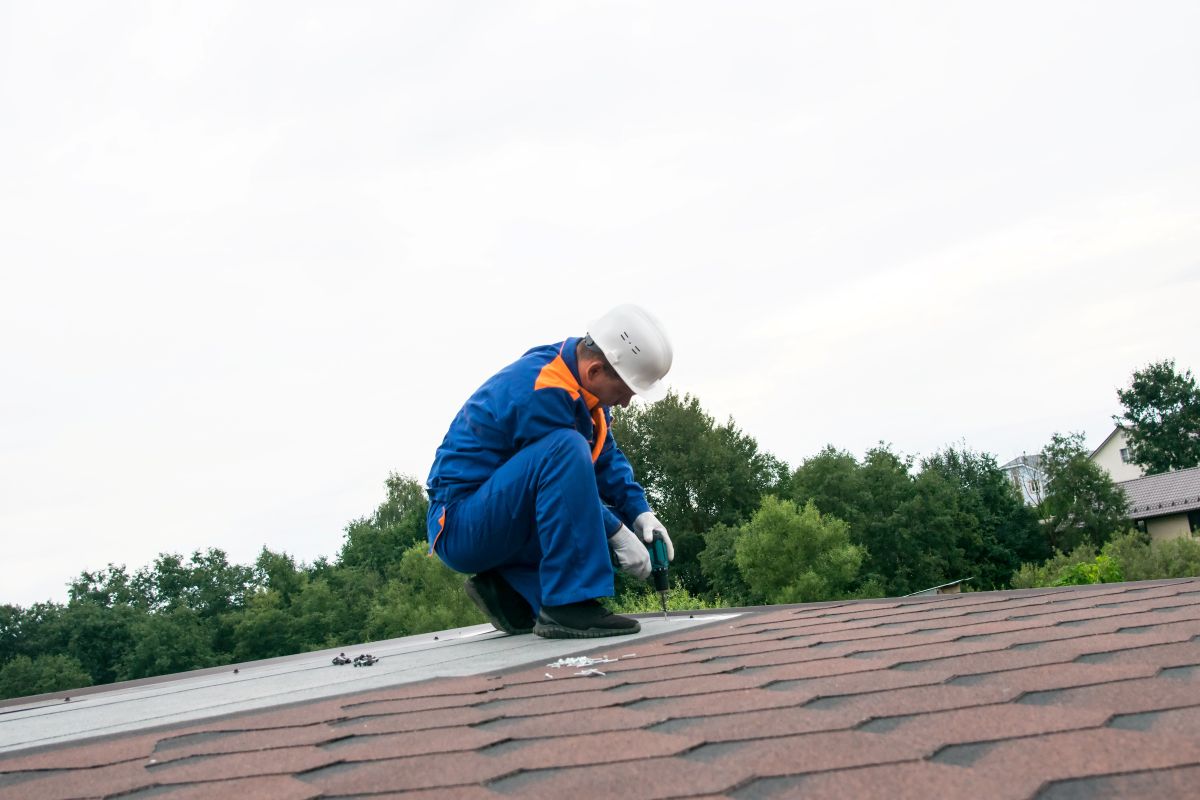 Like any roofing system, built up roofing has both advantages and drawbacks. Understanding both sides allows you to make a well informed decision for your property.
Advantages of Built Up Roofing
- Long lifespan: One of the biggest benefits is its ability to last decades with proper care.
- Strong weather resistance: Ideal for areas that experience heavy rain, snow, or temperature fluctuations like Fort Wayne and surrounding areas.
- Redundant protection: Multiple layers reduce the risk of leaks.
- Low maintenance: Fewer repairs are typically needed compared to some single layer systems.
- Energy efficiency options: Reflective surfaces can help reduce heat absorption.
Disadvantages of Built Up Roofing
- Installation time: The multi layer process can take longer than other roofing types.
- Weight: BUR systems are heavier and may require structural considerations.
- Odor during installation: Hot asphalt application can produce strong odors.
- Limited flexibility: Less adaptable to complex roof shapes compared to some modern materials.
- Higher upfront cost: While durable, the initial investment can be higher than simpler systems.
Balancing these pros and cons helps determine whether this roofing system aligns with your goals and budget.
When Built Up Roofing Is the Right Choice
Choosing the right roofing system depends on your property type, budget, and long term goals. Built up roofing is not a one size fits all solution, but it excels in specific situations.
Ideal Property Types
Built up roofing is most commonly used on flat or low slope roofs. This makes it a strong candidate for:
- Commercial buildings
- Industrial facilities
- Multi family properties
- Certain residential homes with flat roof designs
For property owners in Fort Wayne and surrounding areas, flat roofs are often exposed to standing water and snow accumulation. BUR systems help manage these challenges effectively.
Climate Considerations
Weather plays a major role in roofing performance. Built up roofing performs well in regions with:
- Heavy rainfall
- Snow and ice cycles
- High UV exposure
- Temperature fluctuations
The layered design helps prevent damage from expansion and contraction, which is common in seasonal climates.
Budget and Long Term Value
While the upfront cost may be higher, built up roofing often delivers strong long term value.
Consider:
- Lower maintenance expenses over time
- Reduced risk of leaks and damage
- Extended lifespan compared to some alternatives
If you are planning to stay in your property long term, the investment can pay off.
Maintenance Expectations
Although built up roofing is low maintenance, it is not maintenance free.
Routine care includes:
- Periodic inspections
- Clearing debris from the surface
- Checking for signs of wear or damage
Proper upkeep ensures the system performs as intended for decades.
Built Up Roofing vs Other Roofing Systems
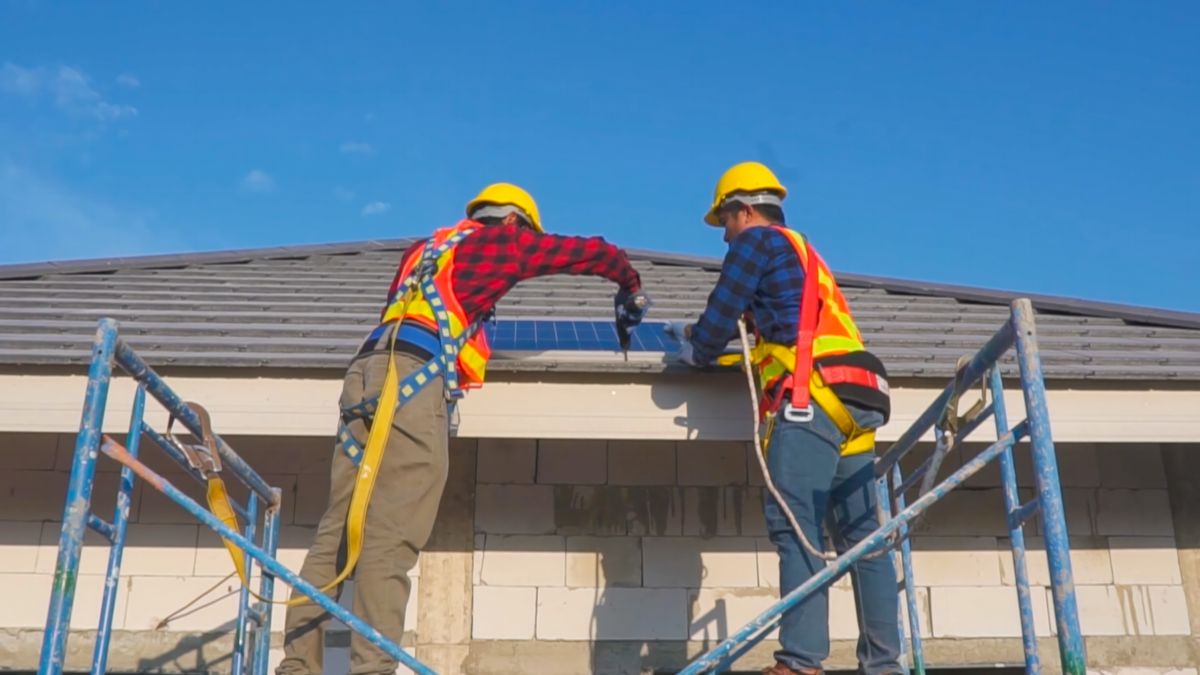 Comparing built up roofing to other popular systems helps clarify its strengths and limitations. Each option has unique benefits depending on your needs.
Built Up Roofing vs Modified Bitumen
Modified bitumen is similar to BUR but typically uses fewer layers and is often applied in rolls.
Key differences:
- BUR offers more layers and redundancy
- Modified bitumen is faster to install
- BUR may provide longer lifespan in some cases
Built Up Roofing vs EPDM
EPDM is a synthetic rubber roofing system commonly used on flat roofs.
Comparison points:
- EPDM is lightweight and flexible
- BUR is thicker and more impact resistant
- BUR provides multi layer protection, while EPDM relies on a single membrane
Built Up Roofing vs TPO
TPO is a single ply membrane known for energy efficiency.
Differences include:
- TPO is highly reflective and energy efficient
- BUR offers stronger physical durability
- TPO installation is typically faster
Built Up Roofing vs Asphalt Shingles
Asphalt shingles are the most common roofing material for sloped residential roofs.
Important distinctions:
- Shingles are not suitable for flat roofs
- BUR is designed specifically for low slope applications
- BUR provides better waterproofing for flat surfaces
Each system serves a different purpose, and the best choice depends on your property’s structure and performance requirements.
Is Built Up Roofing Right for Your Property?
Choosing a roofing system is one of the most important decisions you can make for your property. Built up roofing offers durability, reliability, and long term performance that many property owners value, especially in climates like Fort Wayne and surrounding areas.
If you are considering upgrading or installing a new roof, it is essential to work with experienced professionals who understand the nuances of each system. The right installation can make all the difference in performance and longevity.
For expert guidance tailored to your property, reach out to Maumee River Roofing and contact us today to discuss your options and schedule a consultation.