

Your asphalt shingle roof is one of the biggest investments in your home, so it makes sense to wonder how many good years it has left. If you are asking how long do asphalt shingles last, the answer for most Indiana homes falls somewhere between 15 and 30 years. Where your roof lands in that range depends on shingle quality, installation, ventilation, and how hard Midwestern weather hits the system protecting the top of your home. Knowing what affects lifespan helps you plan ahead and avoid surprise expenses.
Key points ahead:
- Why understanding shingle lifespan helps you budget and plan
- Seven factors that shorten or extend roof life in Indiana
- Warning signs your shingles are nearing the end
- How to decide between repair and replacement
- Answers to common homeowner questions
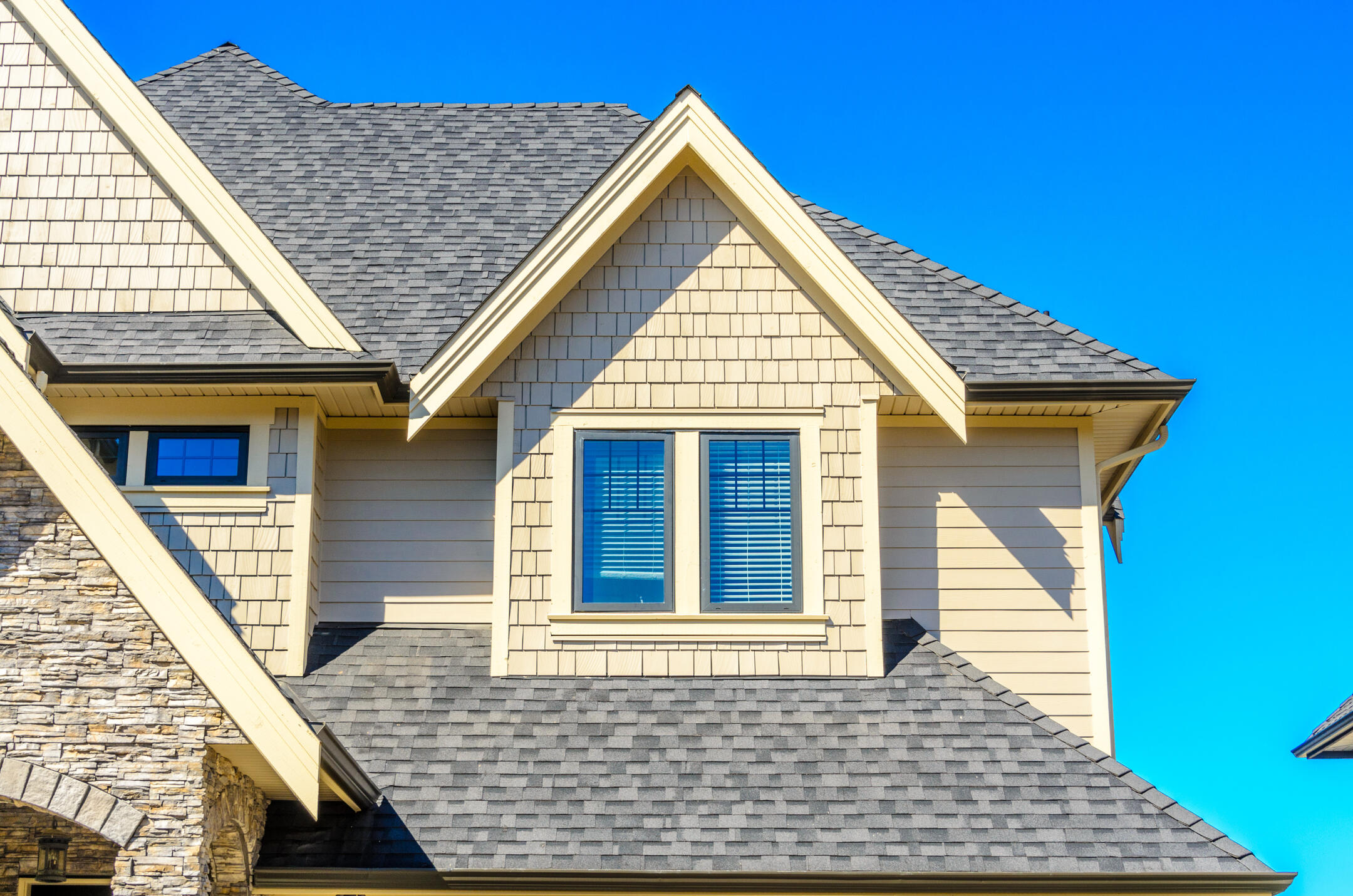
Why Knowing Your Roof’s Lifespan Pays Off
Many homeowners do not think about their roof until a leak appears or severe weather tears off a few roof shingles. By then, options are limited and costs are often higher than they needed to be.
- Budget with confidence: Knowing roughly how many years your roof has left lets you save for a roof replacement instead of scrambling when it fails.
- Avoid emergency repairs: Planning ahead means you can schedule work in good weather rather than dealing with leaks in the middle of winter.
- Protect your home’s value: A roof in good condition is a major selling point, while an aging roof can lower offers or stall a sale.
- Make smarter repair decisions: Understanding your roof’s age helps you decide whether a roof repair is worthwhile or whether a complete roof replacement is the better investment.
Most experts place typical asphalt shingle life span at 15 to 30 years, with weather exposure often being the biggest factor. For homeowners in Fishers, IN and surrounding areas, hot summers, freezing winters, and spring storms all play a role in how long a roof actually lasts.
7 Factors That Affect Shingle Lifespan in Indiana
Two roofs installed the same year can age very differently. These seven factors explain how long a shingle roof lasts in real-world conditions and why some asphalt roofs last well beyond their expected lifespan while others fail early.
1. Shingle Type and Quality
Material quality matters. Thicker, multi-layer, high quality shingles generally outlast thinner, budget options.
- Standard three tab shingles: Typically last around 15 to 20 years
- Architectural or dimensional shingles: Often last 25 to 30 years
- Premium shingles: Designer and luxury lines can last 30 years or more with proper care
Premium materials usually cost more upfront but can add years of service and better wind resistance.
2. Freeze and Thaw Cycles
Indiana winters often swing above and below freezing many times in a single season. During these freeze thaw cycles, water that seeps into small cracks expands as it freezes, gradually widening gaps, loosening shingle granules, and weakening shingles over time.
3. Hail and Wind
Spring and summer storms can bring hail that bruises shingles and knocks off protective granules, along with high winds that loosen shingles or tear them off entirely. Even when damage is not obvious from the ground, it can shorten your roof’s life by years. A post-storm inspection is the best way to catch hidden hail damage while it may still be covered by insurance.
4. Attic Ventilation and Insulation
A poorly ventilated attic traps heat in summer and moisture in winter. Trapped attic heat can bake shingles from below, while warm air escaping in winter melts heavy snow that refreezes at the roof edge, leading to ice dam formation.
- Balanced intake and exhaust vents provide proper airflow
- Adequate insulation improves energy efficiency and limits moisture buildup
- Proper ventilation also helps maintain manufacturer warranty coverage
Many early roof failures trace back to attic problems rather than the shingles themselves.
5. Installation Quality
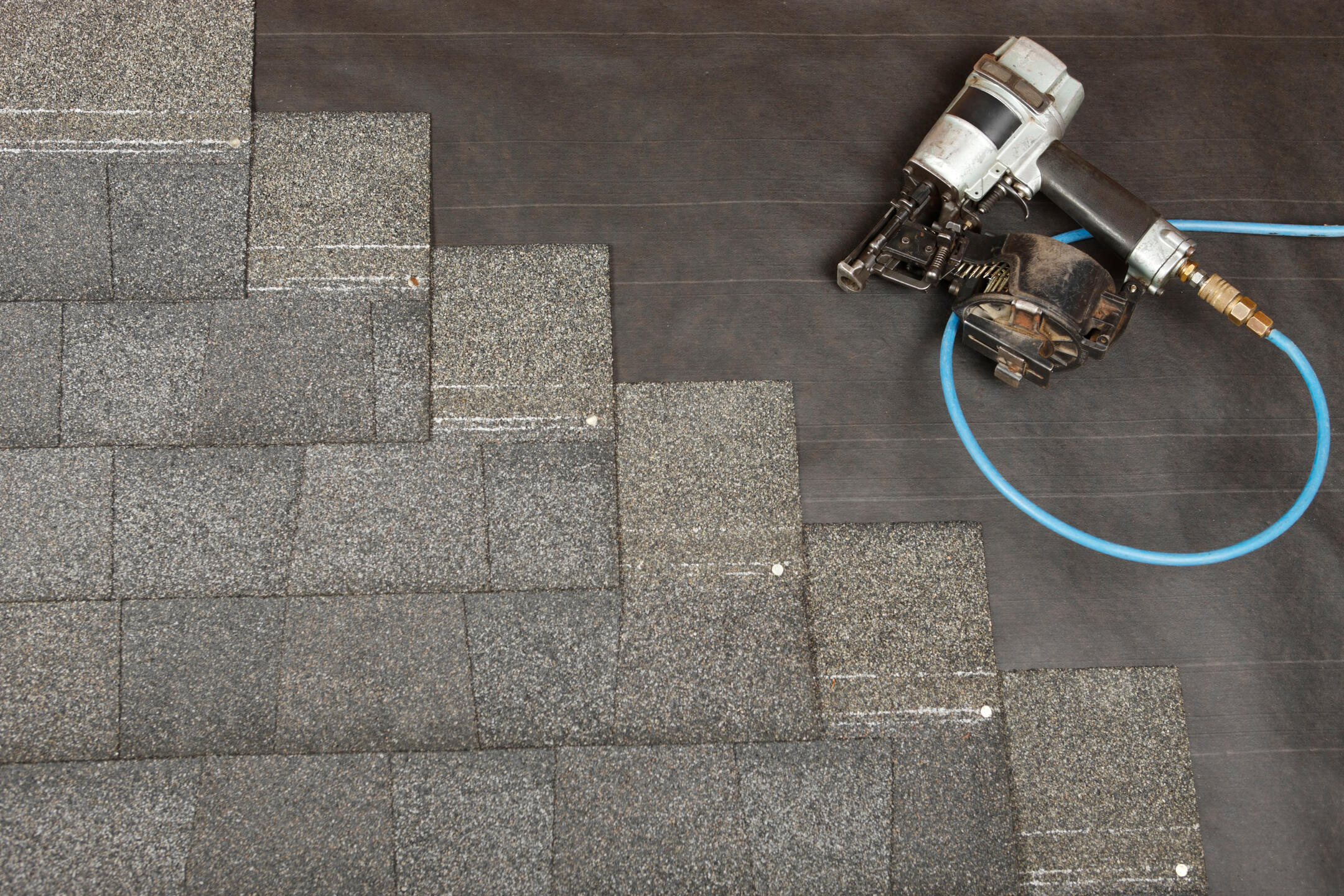
Even top-tier roofing materials will fail early if they are not installed correctly. Incorrect nail placement, missing starter strips, improper flashing installation, and skipped underlayment can all lead to leaks, blow-offs, and premature wear. Professional installation by an experienced, certified roofing company is one of the most effective ways to protect your investment.
6. Roof Pitch and Sun Exposure
Steeper roofs shed water and snow faster, which reduces moisture-related wear. South and west-facing slopes receive more direct sunlight, so they often show aging, fading, and granule loss sooner than other sides of the same roof.
7. Maintenance and Surrounding Trees
Overhanging branches can scrape shingles, drop debris, and create shade that encourages moss, algae, and the dark streaks often seen on shaded slopes. Clogged gutters can also back water up under the roof edge. Routine maintenance and regular inspections go a long way toward extending roof life.
Several of these factors are within your control, especially installation quality, ventilation, and maintenance. Paying attention to them can help your roof reach, or even exceed, its expected lifespan.
Warning Signs Your Shingles Are Wearing Out
Asphalt shingle roof systems usually show visible signs of shingle deterioration before they fail completely. Catching these signs early gives you time to plan repairs or a replacement on your own schedule.
- Curling or cupping shingles: Edges that turn up or centers that dip indicate shingles are losing flexibility.
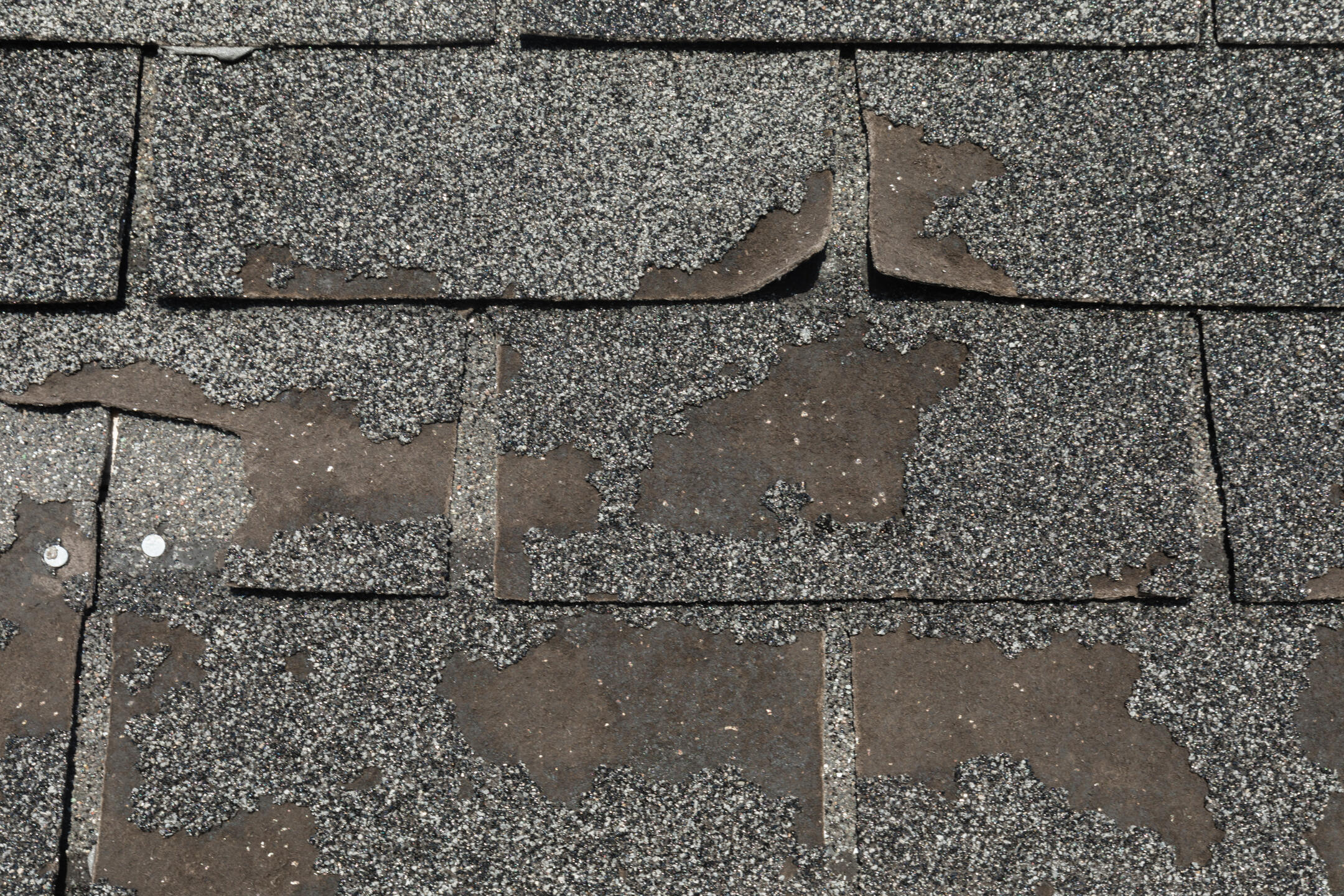
- Granule loss: Heavy granules in gutters or bare, dark patches on the roof mean the protective surface is wearing away.
- Cracked shingles or missing pieces: Gaps leave the underlayment exposed to water and sunlight.
- Loose or lifted shingles: Shingles that no longer lie flat are vulnerable to blow-offs during storms.
- Moss or algae growth: Persistent growth holds moisture against shingles and speeds deterioration.
- Leaks or attic stains: Water spots on ceilings or in the attic point to moisture buildup and possible mold growth.
- Roof age over 20 years: Even without visible damage, older roofs deserve a closer look.
If you notice more than one of these signs, it is a good time to schedule a professional roof inspection. Homeowners in Fishers, IN and surrounding areas should also check for damage after any major hail or wind event, since storm damage is not always visible from the ground.
Repair or Replace? Making the Right Call
Finding a problem on your roof does not always mean you need a full replacement. The right choice depends on your roof’s condition, its age, the extent of the damage, and your long-term plans for the home.
When a Repair Makes Sense
Repairs are often the best option when damage is limited to a small area and the rest of the roof is in good condition. Replacing a few loose shingles, resealing flashing, or fixing minor leaks can add years of service to a younger roofing system.
When Replacement Is the Better Investment
Replacement usually makes more sense when problems are widespread or the roof is nearing the end of its lifespan. Repeated repairs on an aging roof can add up quickly without solving the underlying issue.
- Damage covers large sections of the roof
- The roof is 20 or more years old
- You are experiencing frequent or recurring leaks
- Shingles show widespread curling or granule loss
- Sagging areas suggest structural damage to the decking
Replacing an aging roof on your own timeline also lets you compare options, such as upgrading to a metal roof, and schedule roof installation in good weather.
Understanding Shingle Warranties
Many shingles carry 30-year, 50-year, or limited lifetime warranties, but these numbers are not a promise of how long the roof will actually last. Most warranties are prorated, cover manufacturing defects rather than weather or installation errors, and may require proper ventilation and certified installation to remain valid.
A professional inspection can help you weigh repair costs against replacement and understand what your warranty actually covers. That information makes it much easier to choose the option that fits your budget and timeline.
Frequently Asked Questions About Asphalt Shingle Roof Lifespan
Homeowners often have questions about how long their roof will last and what affects it. Here are quick answers to some of the most common ones.
How long does a shingle roof last in Indiana?
The average lifespan of an asphalt shingle roof in Indiana is about 15 to 30 years. Architectural shingles that are properly installed and ventilated often reach the upper end of that range.
Do architectural shingles last longer than three-tab shingles?
Yes. Architectural shingles are thicker and more durable, typically lasting 25 to 30 years compared to 15 to 20 years for three-tab shingles.
Does a 50-year warranty mean my roof will last 50 years?
Not necessarily. Warranties cover manufacturing defects and are often prorated, while weather, ventilation, and installation quality determine actual lifespan.
Can I install new shingles over my old roof?
Some building codes allow a second layer in certain situations, but a full tear-off is usually recommended. It allows the decking to be inspected and helps the new roof perform and last longer.
How often should I have my roof inspected?
Plan on a professional inspection at least once a year and after any major storm. Regular inspections catch small problems before they turn into costly repairs.
Every roof is different, so the best way to know how much life yours has left is to have it evaluated by an experienced roofer. A quick inspection can give you a clear picture and peace of mind.
Get the Most Out of Your Roof
Knowing how long asphalt shingles last helps you plan ahead, protect your home, and avoid unexpected expenses. With quality materials, proper installation, good ventilation, and regular maintenance, your roof protects your home for many years to come.
Maumee River Roofing helps homeowners throughout Fishers, IN and surrounding areas get the most from their roofs through honest inspections and expert work on roofing projects of every size, from small repairs to full replacements. If you are wondering how much life your roof has left, contact us today to schedule an inspection with our team.