

If your existing asphalt shingles are wearing out and you have your eye on metal, one big question usually comes up first: can you install a metal roof over shingles and skip the tear-off? In many cases the answer is yes, but only when the existing roof, local codes, and installation method all line up. Getting it right can save time and money, while getting it wrong can cause moisture buildup and hide structural issues for years. Understanding the rules helps you plan a long-lasting metal upgrade for your home with confidence.
In this post, you’ll find:
- When an overlay is allowed and how many layers codes permit
- Nine practical do’s and don’ts for a successful installation
- Where the cost savings come from and what can offset them
- How to decide between an overlay and a full tear-off
Why the Overlay Question Matters for Your Home and Budget
Replacing a roof is one of the largest investments most homeowners make, so any chance to reduce the cost deserves a close look. Removing an old roof takes labor, time, and disposal fees, and those expenses add up quickly on an average-size home.
Many metal roofing panels are light enough to be installed directly over an existing shingle roof in good condition, and skipping the tear-off can simplify installation and eliminate the cost of removing the original roof. When the conditions are right, an overlay offers several benefits:
- Lower upfront cost: Avoiding tear-off labor costs and dumpster fees can reduce the total project price, sometimes significantly.
- Faster installation: Without removal work, crews can often finish sooner, which means less disruption to your household.
- Less mess and landfill waste: Keeping the old shingles in place means fewer nails in the yard and far less material headed to the dump.
- Added sound and thermal buffer: The existing shingles act as an extra layer of insulation and help dampen rain noise under the new metal panels.
For homeowners in Angola, IN and surrounding areas, the decision also has to account for our climate. Heavy snow loads, freeze-thaw cycles, and humid summers make proper ventilation and a sound roof deck especially important before any new layer goes on.
9 Do’s and Don’ts for Installing Metal Over Shingles
An overlay can perform beautifully for decades, but only when it is planned carefully and properly installed. These guidelines separate a smart overlay from one that causes problems down the road.
1. Do Check Local Building Codes First
Most building codes, including the International Residential Code that many states use as a foundation, allow a new roof over one existing layer of shingles but not over two or more. Your local building department has the final say, so confirm the rules and permit requirements before your roofing project begins.
2. Do Confirm There Is Only One Layer
Many older homes already have two roofing layers from a previous re-roof. Adding metal on top of two layers is generally not allowed and puts added weight on the current roof structure. A contractor can check the roof edge to count layers quickly.
3. Do Inspect the Roof Deck Thoroughly
The deck and underlying roof structure hold your new metal roof in place, so both must be structurally sound. Look for soft spots, sagging, or signs of past leaks inside the attic.
- Spongy areas when walking the roof
- Water stains or dark spots on attic sheathing
- Visible sagging between rafters
- Missing shingles or large damaged areas
4. Do Use Furring Strips or a Smooth Base
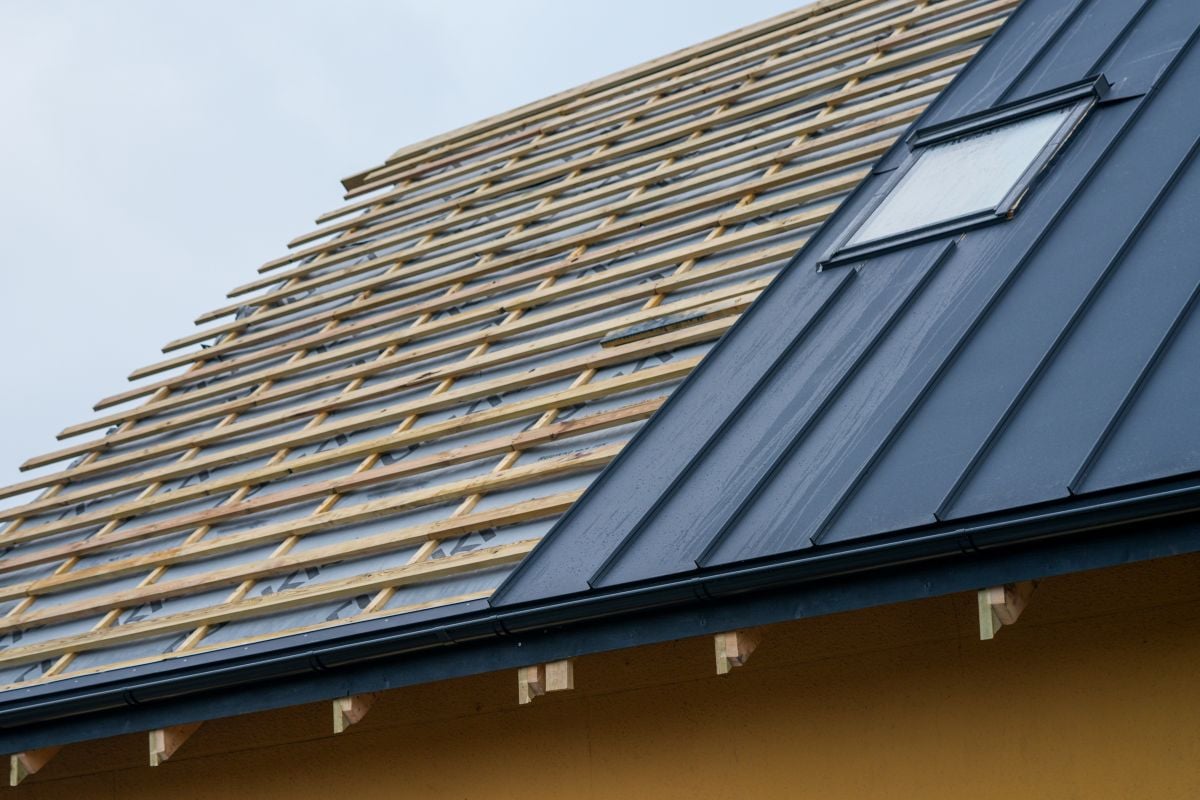
Shingles create an uneven surface that can show through thin metal panels. Many installers attach wood furring strips or battens over the shingles to create a flat, smooth surface so the first panel and every one after it sit evenly. This approach also creates an air space that improves ventilation and energy efficiency.
5. Do Install a Quality Underlayment
A synthetic underlayment adds a protective layer and moisture barrier between the old shingles and the new metal. It also prevents shingle granules from rubbing against the back of the panels, which can cause scratches and corrosion over time.
6. Don’t Cover Up Existing Damage
Never install metal over rotted decking, active leaks, or curling, water-soaked shingles. Problems hidden beneath the new roof will continue to get worse, and fixing them later means removing the metal.
7. Don’t Ignore Attic Ventilation
Trapped heat and moisture are the biggest risks of an overlay. Make sure intake and exhaust vents remain open and balanced, and consider adding ridge venting as part of the project.
- Keep soffit vents clear and unobstructed
- Avoid blocking existing roof vents
- Address any attic moisture before installation
8. Don’t Reuse Old Flashing and Trim
New metal roofs need new flashing, drip edge, and trim designed for the panel system. Reusing worn shingle flashing around chimneys, walls, and vents is a common source of leaks.
9. Don’t Skip the Manufacturer’s Requirements
Some metal roofing manufacturers have specific rules for overlay installations, including required underlayments and fastening methods. Following those guidelines protects your warranty and ensures the roofing system performs as designed.
Following these do’s and don’ts gives your overlay the best chance at a long, trouble-free life. Cutting corners on any of them can erase the savings you hoped to gain by skipping the tear-off.
What It Costs: Overlay vs. Full Tear-Off
Cost is usually the main reason homeowners consider an overlay, so it helps to understand exactly where the savings come from. Metal roofing itself is a premium material, often running $14 to $40 per square foot depending on the metal, profile, and finish.
Where the Savings Come From
An overlay mainly reduces the labor and disposal side of the project. On an average-size home, tear-off and haul-away can easily add several thousand dollars to the final bill.
- No labor for stripping existing shingles
- No dumpster rental or landfill fees
- Shorter project timeline and fewer labor hours
Costs That Can Offset the Savings
Some of those savings go back into preparation work that an overlay requires. Furring strips, premium underlayment, new flashing, and ventilation upgrades all add to the total. If the inspection reveals damaged decking, a tear-off may become necessary anyway, which is why an honest evaluation upfront matters so much.
Long-Term Value
Because a metal roof offers exceptional durability, low maintenance, and a 40 to 70 year lifespan, the choice between overlay and tear-off should be about long-term performance more than short-term savings. A slightly higher upfront cost for a tear-off can be the better value if it reveals hidden problems or improves ventilation. Over that span, reflecting heat away from the attic also makes metal more energy efficient than traditional shingles, delivering steady energy savings and lower energy bills.
Homeowners in Angola, IN and surrounding areas should ask for quotes on both options when possible. Comparing them side by side shows the real difference and helps you make a confident decision.
Overlay or Tear-Off? How to Decide
Both an overlay and a complete tear off can produce an excellent metal roof, but each one fits different situations. The table below summarizes the key differences to help you choose.
| Factor | Overlay Over Shingles | Full Tear-Off |
| Upfront cost | Lower, with no removal or disposal | Higher, includes labor and disposal |
| Installation time | Usually faster | Usually takes longer |
| Deck inspection | Limited to visible signs and attic checks | Full visibility of the entire deck |
| Repairing hidden damage | Difficult once metal is installed | Easy to address during installation |
| Ventilation upgrades | Possible with careful planning | Easier to design from scratch |
| Best for | One layer of sound, dry shingles | Multiple layers, damage, or uncertain deck condition |
When an Overlay Makes Sense
An overlay is usually a good fit when your home has a single layer of flat, dry shingles, a solid deck, and good attic ventilation. It also makes sense when you want to reduce disruption and waste.
When a Tear-Off Is the Better Choice
A full replacement down to the deck is the safer route if your roof has two or more layers, signs of leaks, soft decking, or an unknown history. It is also worth considering if you want to correct ventilation or add extra insulation while the roof is open.
Every home is different, so a professional inspection is the most reliable way to decide. An experienced contractor serving Angola, IN and surrounding areas can evaluate your current roof and recommend the approach that protects your investment best.
Frequently Asked Questions About Installing a Metal Roof Over Shingles
Many homeowners considering an overlay ask similar questions. Here are quick, clear answers to the most common ones.
Is it legal to put a metal roof over shingles?
In most areas, yes, as long as there is only one existing layer and the roof is in good condition. Always confirm with your local building department before starting.
Will a metal roof over shingles be noisy?
Usually not. The old shingles, underlayment, and attic insulation all help absorb sound, so rain noise is typically similar to a standard roof.
Does installing over shingles void the metal roof warranty?
Not always, but some manufacturers have specific overlay requirements. Following their installation guidelines is the best way to keep your warranty intact.
How much weight does a metal roof add?
Most residential metal roofing is relatively lightweight compared with many other roofing materials. A qualified installer can confirm that your roof structure can handle the combined weight.
Can I install a metal roof over shingles myself?
It is not recommended. The installation process requires experience with inspection, fastening, flashing, and ventilation, and mistakes can lead to leaks and voided warranties.
If your question is not covered here, a local metal roofing professional can review your roof and explain your options in detail. A quick inspection often answers the overlay question within a single visit.
Get Expert Guidance Before You Make the Switch
Installing metal roofing over shingles can be a smart, cost-effective choice when the existing roof and installation plan are right for it. The key is an honest evaluation of your deck, ventilation, and local code requirements before any panels go up. Maumee River Roofing helps homeowners in Angola, IN and surrounding areas compare overlay and tear-off options, understand the costs, and handle every metal roof installation with care so your home’s exterior stays protected for generations. If you are thinking about upgrading to metal, contact us today to schedule an inspection and get a clear recommendation.