

Most commercial roofs do not fail all at once. They send warning signals for months or even years, and the owners who catch those signals early get to plan a replacement on their own schedule instead of reacting to an emergency. Knowing the signs your commercial roof needs replacement helps you protect your commercial property, tenants, and budget before a small problem leads to costly repairs and interior damage. A careful look at the condition of your building’s roof system is the best way to separate routine wear from real red flags.
Inside this guide:
- Seven clear warning signs that a roof is reaching the end
- What waiting too long can cost your business
- How to plan a replacement with minimal disruption
- Answers to common replacement questions
Why Spotting the Signs Early Saves You Money
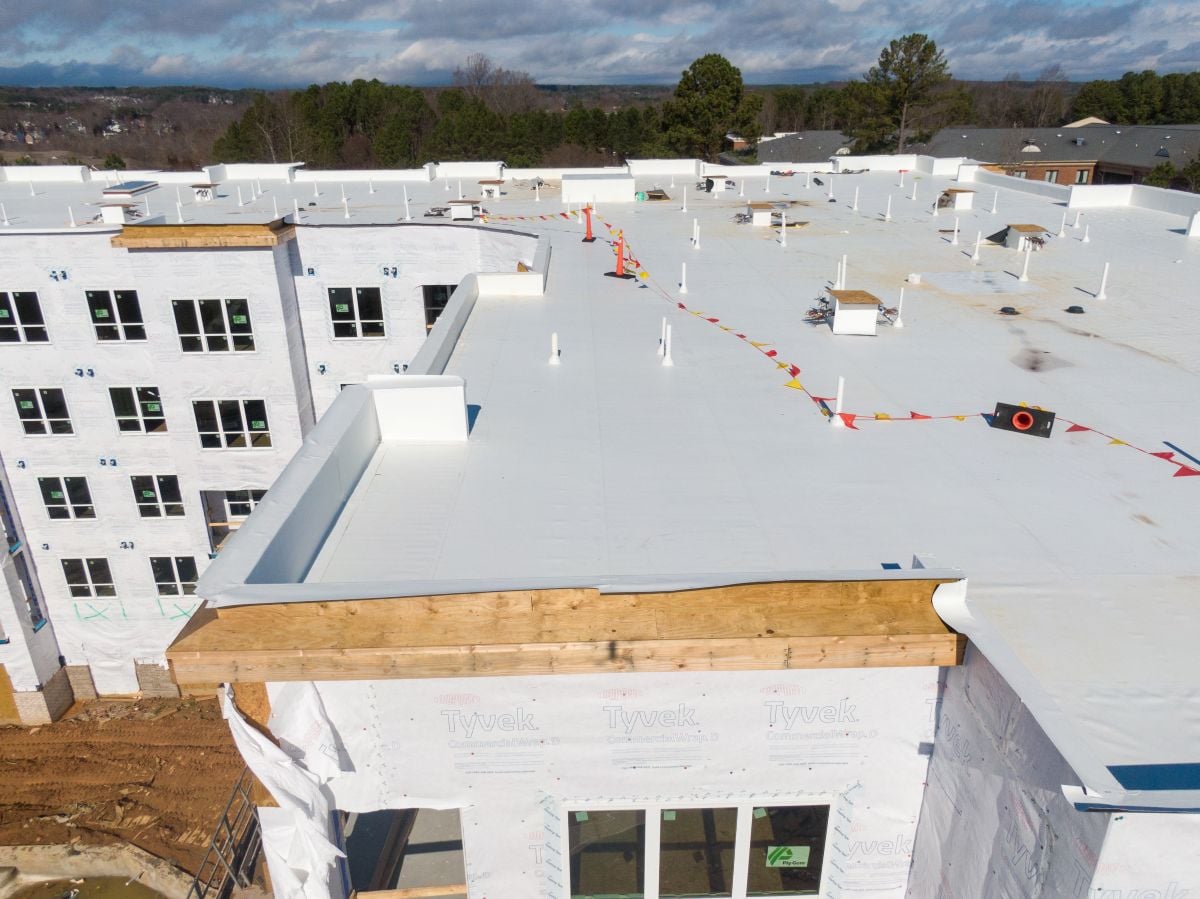
A commercial roof is a major investment that protects everything beneath it, from equipment and stock to the people who work in the building every day. When it starts to fail, the damage rarely stays on the roof. Water travels through insulation, decking, and ceilings, and the repair bill grows with every storm.
Many of the warning signs of a failing flat roof are easy to spot once you know what to look for, and recognizing them early gives you several advantages:
- Planned spending instead of emergency costs: Scheduling a replacement ahead of time lets you collect bids, compare materials, and budget properly rather than paying rush rates after a major leak.
- Less interior damage: Catching a failing roof before water stains spread across ceilings, walls, and inventory keeps cleanup and replacement costs from piling up.
- Better timing for your business: A planned project can be scheduled during slower months or phased around operations, keeping operations running smoothly for customers and employees.
- Better energy performance: Replacing a worn roof with a modern, well-insulated system improves energy efficiency and often delivers energy savings right away.
For building owners in Columbia City, IN and surrounding areas, early detection is especially valuable. Freeze-thaw cycles, heavy snow, and summer storms accelerate wear on flat roofs, so warning signs can progress faster here than in milder climates.
7 Signs It Is Time to Replace Your Commercial Roof
One of these signs on its own may only call for commercial roof repairs. When several show up together, the roof is usually telling you that constant patchwork is no longer a long-term answer.
1. The Roof Is Near or Past Its Expected Lifespan
Every roofing system has a realistic service life. Single-ply membranes like TPO and EPDM often last 20 to 30 years, while modified bitumen typically lasts 15 to 20. Once a roof reaches the later years of that range, years of UV damage and weathering make even minor damage harder and more expensive to fix reliably.
2. Leaks Keep Returning in New Places
A single leak after a storm can usually be repaired. A pattern of leaks that shows up in different areas, or keeps returning after repairs, points to a roof membrane that is breaking down across the whole roof.
- Water stains appearing on ceiling tiles in multiple rooms
- Repaired areas leaking again within a season or two
- Leaks that appear without any obvious storm damage
3. Water Ponds for Days After Rain
Low-slope roofs are designed to drain, not hold water. Ponding water that remains more than 48 hours after rainfall suggests drainage issues, sagging insulation, or a deck that has shifted. Water sitting on the roof surface adds weight, speeds up membrane deterioration, and eventually finds its way inside.
4. The Membrane Is Blistering, Cracking, or Shrinking
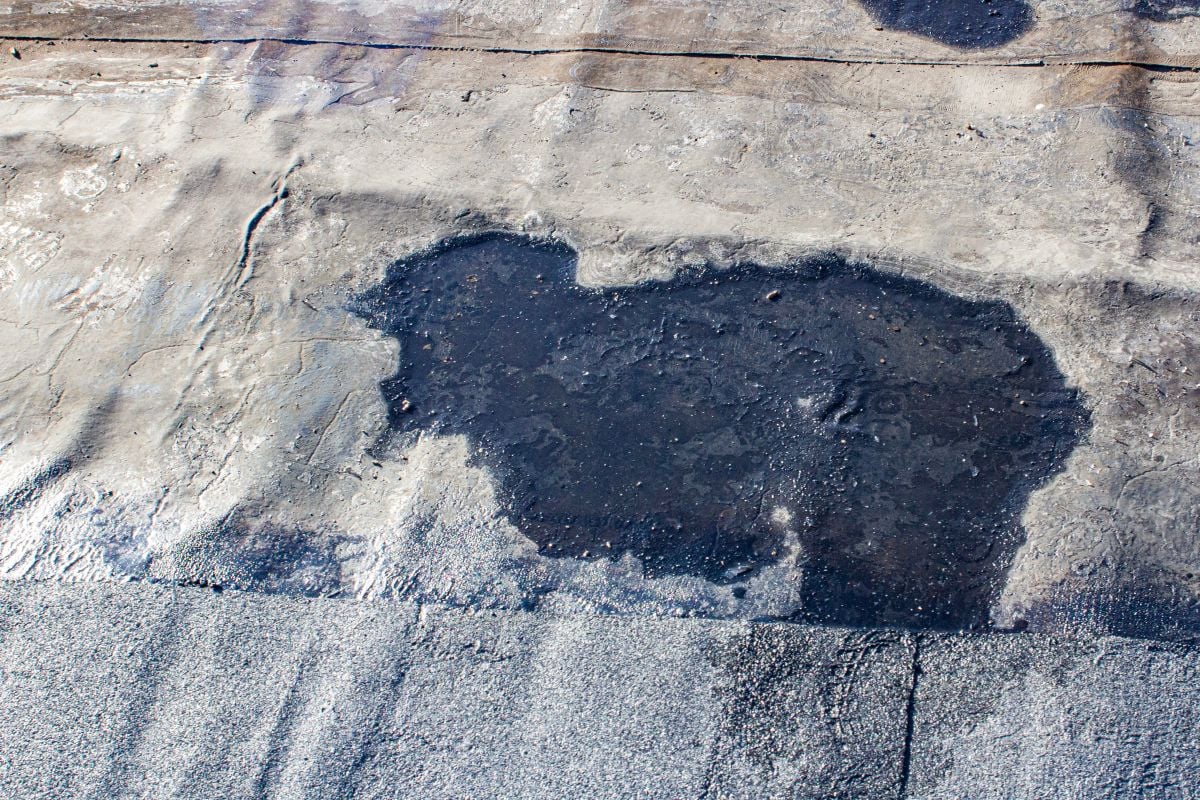
Sun exposure and temperature swings take a toll on roofing materials over time. Blisters signal trapped moisture or failed adhesive, cracks expose the layers beneath, and shrinkage pulls the membrane away from edges and penetrations. When this visible damage covers large sections, the surface has reached the end of its useful life.
5. Seams and Flashing Are Pulling Away
Seams, edges, and flashing around rooftop units are the most vulnerable parts of a commercial roof. As a roof ages, these details loosen and separate, creating easy entry points for water.
- Lifted or separated membrane seams
- Loose flashing that has cracked, rusted, or pulled away
- Gaps around HVAC curbs, vents, and drains
6. Insulation Is Wet or the Deck Feels Soft
Water that gets beneath the membrane soaks into insulation, where it can stay hidden for months. An infrared or moisture survey often reveals large wet areas before interior leaks appear. Spongy spots underfoot or visible sagging suggest the deck itself may be weakening, which points to structural issues that need immediate attention. Musty odors inside the building are another clue that hidden moisture is affecting indoor air quality.
7. Energy Bills and Repair Costs Keep Climbing
A failing roof often shows up in the budget before it shows up on the ceiling. Wet or poor insulation loses much of its ability to hold heat, so your HVAC system works harder and rising energy bills follow. At the same time, repair invoices become more frequent. If your annual repair spending is steadily increasing, a full replacement may be the smarter investment over the next several years.
Looking at these signs together gives you a much clearer picture than any one issue on its own, and spotting four or five signs at once almost always points to replacement. A full inspection by a roofing professional can confirm which signs are present and how far the deterioration has progressed.
The Real Cost of Putting Off Replacement
Delaying a necessary replacement can feel like a way to save money, but the opposite is usually true. A roof that is already failing tends to deteriorate faster with each passing season.
- Growing structural damage: Moisture that reaches the deck can corrode steel or rot wood, turning a standard replacement into structural problems that compromise the roof’s integrity.
- Mold and indoor air concerns: Wet insulation and ceiling materials create conditions for mold growth, which can lead to musty odors, affect employee health, and require costly remediation.
- Business interruption: Major leaks can force you to close sections of a building, move inventory, or halt production while emergency repairs are made.
- Insurance complications: Insurers may deny claims for damage they attribute to age or neglect rather than a sudden event, leaving you to cover the cost.
- Higher project costs: Emergency replacements often come with premium pricing and fewer choices about materials and scheduling.
Taken together, these risks make a strong case for acting when the signs first appear. Property owners in Columbia City, IN and surrounding areas who plan ahead almost always end up with a better roof at a more predictable cost.
How to Plan a Replacement Without Disrupting Business
Once you know a replacement is coming, careful planning keeps the project smooth for your team, tenants, and customers. A few key decisions make a big difference.
Choose the Right Time of Year
Late spring through early fall typically offers the best weather for commercial roofing in northern Indiana. Many adhesives, coatings, and heat-welded seams perform best in moderate, dry conditions. Booking early in the year helps you secure a preferred start date before contractors fill their schedules.
Consider Upgrades While the Roof Is Open
A replacement is the ideal moment to improve your building’s long-term performance. Discuss these options with your contractor before the project begins.
- Reflective membranes that reduce summer cooling loads
- Added insulation to meet current energy code requirements
- Tapered insulation or new drains to eliminate pooling water
- Walkway pads around rooftop equipment
Keep Operations Running
Experienced commercial crews can phase work section by section, protect interior spaces, and schedule noisy tasks around business hours. Clear communication about timing, access points, and parking helps employees and customers adjust with minimal inconvenience.
With the right planning, many businesses stay fully open throughout their roof replacement. Owners in Columbia City, IN and surrounding areas often find that a well-managed project is far less disruptive than they expected.
Frequently Asked Questions About Commercial Roof Replacement Signs
Building owners often have similar questions when they start noticing problems overhead. Here are straightforward answers to the ones that come up most often.
Can one of these signs mean I only need a repair?
Yes. A single isolated issue, like one torn seam or a damaged flashing detail, can often be handled with roof repairs. Replacement becomes the best solution when multiple signs appear or the roof is near the end of its lifespan.
How often should I have my commercial roof inspected?
Twice a year is ideal, typically in spring and fall, along with a check after any major storm. A consistent commercial roof maintenance plan catches warning signs while they are still manageable.
How long does a commercial roof replacement take?
Most projects take a few days to several weeks, depending on roof size, material, weather, and the amount of deck repair needed.
Can a new roof be installed over the old one?
Sometimes. A re-cover may be possible if the existing roof is dry and only has one layer, but wet insulation or deck damage usually requires a full tear-off.
Will a new roof lower my energy costs?
In many cases, yes. Modern reflective membranes and added insulation can noticeably reduce heating and cooling costs and prevent the higher energy bills caused by wet or compressed insulation.
If you are still unsure what your roof needs, a professional inspection provides clear answers. A detailed report shows exactly which issues are present and what your options are.
Stay Ahead of Your Next Roofing Problem
Recognizing the warning signs early puts you in control of your building’s future. Instead of reacting to leaks and emergency repairs, you can plan a replacement that fits your schedule, protects your operations, and delivers years of reliable performance. A well maintained roof protects your commercial building for decades, and proactive maintenance keeps it that way. Maumee River Roofing helps business owners and property managers in Columbia City, IN and surrounding areas evaluate aging roofs, explain their options clearly, and complete replacements with minimal disruption. If you have noticed any of these signs on your building, contact us today to schedule an inspection.