

Water dripping onto a sales floor or office desk raises an urgent question in any leased building: who is supposed to fix it? Sorting out commercial roof repair landlord or tenant responsibility is one of the most common sources of friction between property owners and the businesses that rent from them. The answer usually lives in the commercial lease, but vague language can leave both sides guessing. Understanding your obligations ahead of time makes it far easier to keep a commercial roof in sound, watertight condition without delays or disputes.
In this article, you’ll find:
- How different lease types assign landlord responsibilities and tenant duties
- Why the cause of damage can change who pays
- Practical steps for owners and tenants to avoid conflict
- A quick reference table for common roof scenarios
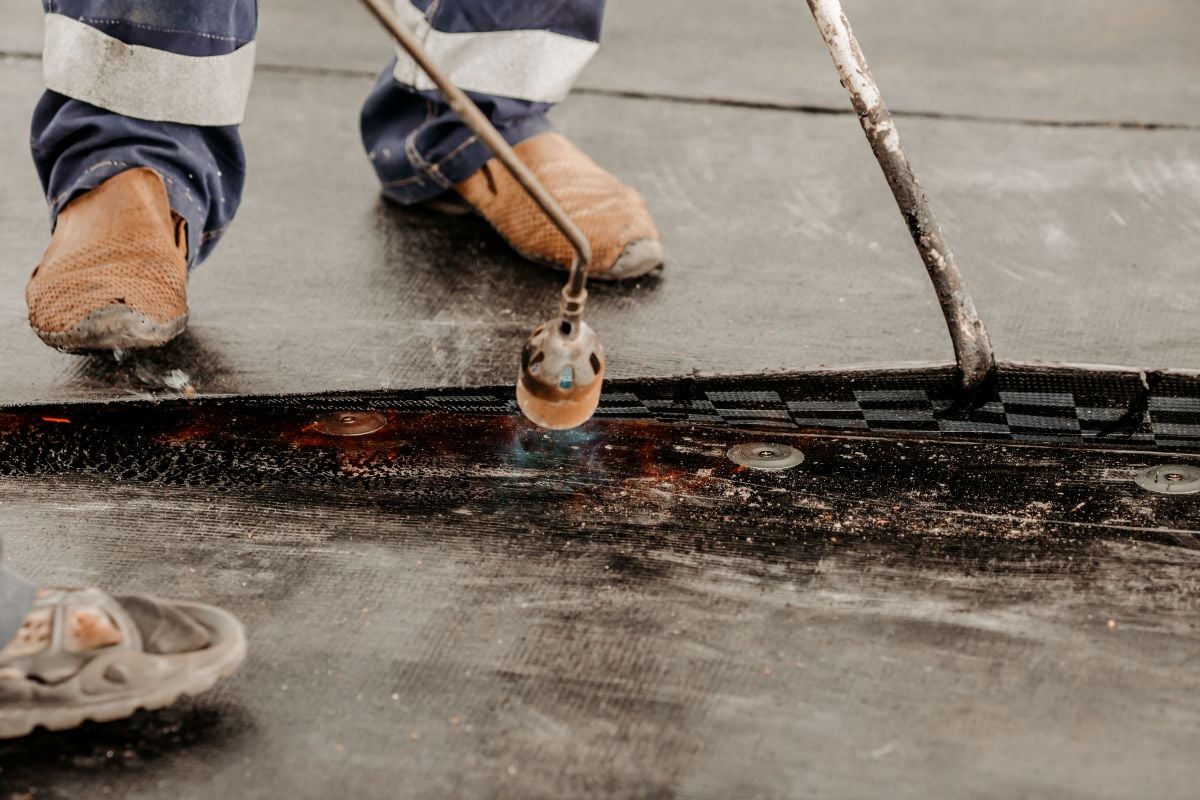
Why Roof Responsibility Needs to Be Settled Before Leaks Start
When a roof leaks, every hour matters. Water spreads through insulation, stains ceiling tiles, damages inventory, and can shut down part of a business. If the landlord and tenant spend days arguing over who should handle necessary roof repairs, the damage grows and so does the final bill. Mold growth, wet insulation, and damaged equipment can turn a simple patch into a much larger claim.
Much of the confusion comes from lease structures. In a triple net lease, for example, the tenant covers maintenance along with property taxes and insurance, yet many of these leases still leave structural elements like the roof with the owner. Getting clarity early delivers real benefits for both sides:
- Faster leak response: When everyone knows who calls the contractor, repairs start immediately instead of waiting on emails and phone tag.
- Fewer legal disputes: Clear language in the lease agreement reduces the chance of costly mistakes, withheld payments, or attorney fees down the road.
- Fewer operational disruptions: Tenants keep their doors open and their inventory dry, while owners avoid claims for lost revenue or damaged property.
- Predictable budgeting: Owners can plan for capital improvements, and tenants can anticipate repair costs passed through in their rent or common area charges.
For property owners and business tenants in Fort Wayne, IN and surrounding areas, this clarity is especially valuable. Heavy snow, ice dams, and spring storms put flat roofs to the test every year, and leaks rarely wait for a convenient moment.
4 Lease Factors That Decide Who Pays for Roof Repairs
No single rule applies to every commercial property. Instead, a handful of lease details and real-world circumstances determine where the responsibility falls in most situations.
1. The Type of Lease You Signed
The lease structure sets the starting point for nearly every roof conversation. Each common format divides costs a little differently.
- Gross lease: The landlord covers roof repairs and replacement, with costs built into a single rent amount.
- Modified gross lease: Responsibilities are split, and the roof may fall to either party depending on the wording.
- Triple net lease: On top of base rent, tenants often pay for routine upkeep of the roof, while the landlord commonly keeps structural repairs and replacement.
- Absolute net lease: The tenant may be responsible for nearly everything, including a full roof replacement.
2. Repair Language Versus Replacement Language
Many leases treat roof repairs and roof replacement as two different obligations. Minor repairs like patching a seam or replacing damaged flashing are usually considered maintenance, while tearing off and installing a new roof is a capital expenditure. A clause requiring a tenant to keep the premises in good repair does not always extend to replacing a roof that has reached the end of its life, so read the lease carefully and note exactly what it states about each. Some leases also cap how much a tenant contributes toward a capital project in a single year, or spread the cost over the new roof’s expected service life through amortized pass-through charges.
3. The Cause of the Damage
Even when the landlord is responsible for roof repairs, the tenant may owe the repair costs if their actions caused the roof damage. Courts and lease clauses often look closely at how the damage happened.
- Rooftop equipment installed by the tenant without proper flashing
- Punctures from contractors the tenant hired for HVAC or signage work
- Storm damage, which is often handled through the owner’s property insurance
4. Notice and Maintenance Requirements
Most leases require tenants to report roof problems promptly, often in writing. A tenant who ignores a small leak for months may become partly responsible for the larger damage that follows. Some leases also require using approved contractors so that manufacturer warranties stay valid. Written notice creates a clear record of when the problem was first reported, and it gives the responsible party a fair chance to act before conditions get worse. Tenants should keep copies of every notice, along with dates and photos.
Reviewing these four factors together usually reveals who should handle specific repairs. When the lease is vague or silent, both parties benefit from talking with a real estate attorney before costs pile up, since lease interpretation and state law can vary.
Practical Steps Owners and Tenants Can Take Now
Knowing the rules is helpful, but taking a few proactive steps can prevent most roof disputes from ever happening. Both landlords and tenants have a role to play in protecting the building.
For Property Owners
Owners carry the long-term investment, so a little preparation goes a long way toward protecting the building’s integrity and keeping tenants satisfied.
- Spell out roof repair, maintenance, and replacement duties in every contract, including who maintains gutters and drains
- Schedule professional roof inspections in spring and fall
- Keep records of inspections, repairs, and warranty documents in one place
- Set rules for rooftop access and require approval before tenants add equipment
For Tenants
Tenants depend on a dry, functional space to run their business, so staying informed about roof obligations protects daily operations.
- Read the maintenance and repair sections before signing, and negotiate any terms that seem unclear
- Report leaks or water stains in writing as soon as you notice them
- Photograph any damage and keep copies of all communication
- Ask before allowing vendors or installers onto the roof
These habits create a paper trail that protects everyone. When a disagreement does arise, clear documentation and an independent roofing inspection report make it much easier to determine the cause and resolve the issue fairly. Many building owners in Fort Wayne, IN and surrounding areas now schedule a roof inspection before a new lease begins, so both parties start with a documented baseline of the roof’s condition.
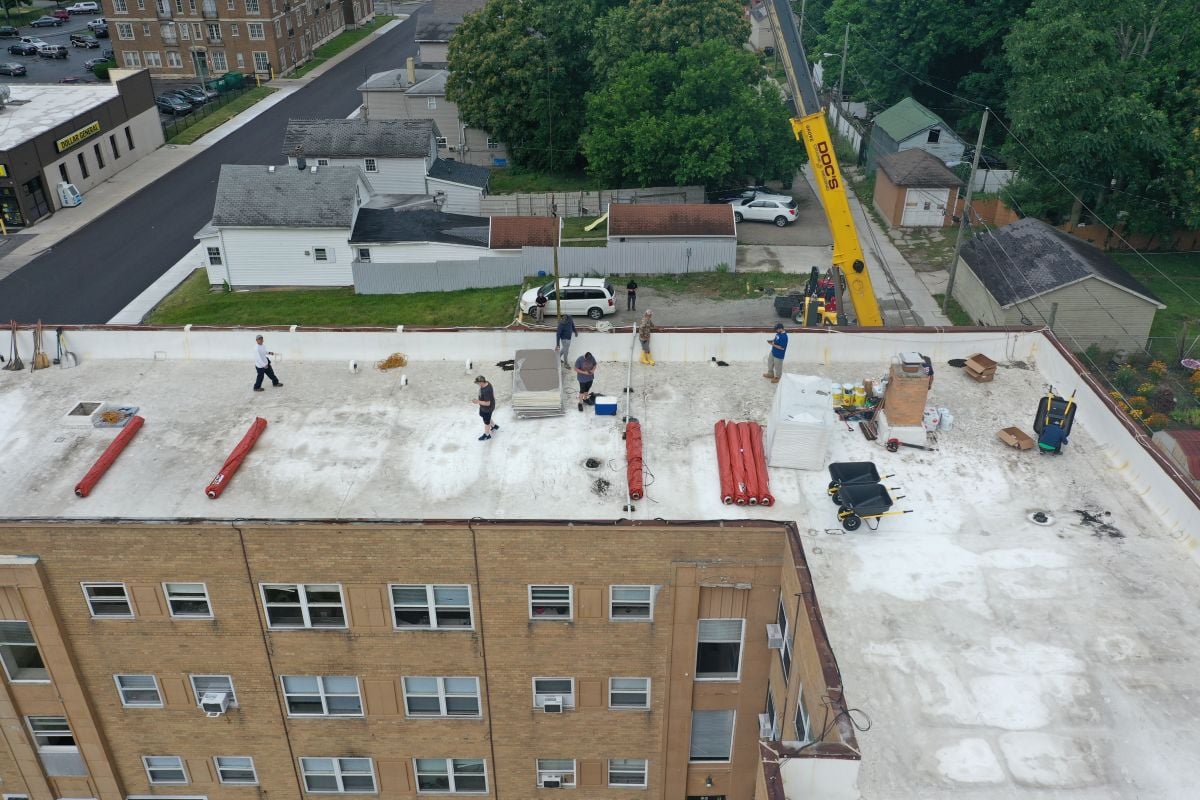
Common Roof Scenarios and Who Typically Pays
Every lease is different, but certain situations come up again and again in commercial properties. The table below shows how responsibility is often handled, though whatever your lease states always takes priority.
| Scenario | Gross Lease | Triple Net Lease | Absolute Net Lease |
| Routine inspections and maintenance | Landlord | Tenant | Tenant |
| Minor leak repairs | Landlord | Tenant, in many cases | Tenant |
| Full roof replacement | Landlord | Landlord, in many cases | Tenant |
| Storm or hail damage | Landlord’s insurance | Often landlord’s insurance | Tenant’s insurance |
| Damage caused by tenant’s equipment or contractors | Tenant | Tenant | Tenant |
In multi-tenant buildings such as strip centers or office parks, roof costs are frequently shared through common area maintenance charges. In that case, the landlord manages the work and each tenant pays a portion based on their square footage. Owners and tenants in Fort Wayne, IN and surrounding areas should confirm exactly how these charges are calculated, since a major roof project can noticeably raise CAM costs for a given year.
Frequently Asked Questions About Commercial Roof Repair Responsibility
Roof responsibility questions come up often in leased buildings. Here are clear answers to some of the most common ones.
Who pays for a roof replacement under a triple net lease?
It depends on the lease, but many triple net leases leave full replacement with the landlord as a capital expense while the tenant handles routine maintenance. Absolute net leases are the main exception.
Can a tenant withhold rent if the landlord will not fix the roof?
Withholding rent can put a tenant in default, even when the landlord is slow to act. Review the landlord obligations your lease lists and speak with an attorney before taking that step.
Does insurance cover commercial roof repairs?
Property insurance generally covers sudden damage from events like hail, wind, or fallen trees. It typically does not cover wear and tear or problems caused by poor maintenance.
What happens if the tenant’s rooftop equipment caused the leak?
In most cases, the tenant is responsible for damage caused by equipment they installed or contractors they hired, even when the landlord otherwise maintains the roof.
Who should hire the roofing contractor?
The party responsible under the lease usually hires the contractor. If a warranty is in place, using a certified or approved roofer helps keep that coverage intact.
If your situation is not covered here, start with your lease and a professional roof inspection. Knowing the true cause and condition of the roof gives both parties the essential facts they need to move forward.

Protect Your Building and Your Business Relationship
A leaking roof is stressful enough without a disagreement over who should fix it. Understanding your lease, documenting problems quickly, and relying on professional inspections keep necessary repairs on track and relationships intact. Maumee River Roofing works with property owners, managers, and business tenants in Fort Wayne, IN and surrounding areas to inspect, document, and repair commercial roofs with clear, detailed reporting. Whether you need an inspection to determine the cause of a leak or a long-term maintenance plan to prevent future leaks, contact us today to schedule a visit.