

Waking up to mysterious water stains or a musty attic smell can be alarming, especially when there’s no sign of an actual roof leak. In many cases, the real culprit is metal roof condensation, a common issue that forms when warm air holding more moisture meets the cool underside of metal panels and drops below the dew point, turning water vapor into visible droplets. Homeowners considering a metal roofing upgrade benefit from understanding this issue early, since proper prevention during installation makes all the difference. This guide explains exactly why condensation happens and the practical steps that stop it for good.
Here’s a quick look at what you’ll take away:
- Why condensation forms on metal roofing in the first place
- The main causes behind excess moisture buildup
- Practical solutions that prevent long-term damage
- Answers to the most common questions homeowners ask
 Why Addressing Condensation Actually Matters
Condensation might seem like a minor nuisance, but left unaddressed, it can lead to far more serious problems inside your home over time. Homeowners in Columbia City and surrounding areas dealing with unexplained moisture in their attic often don’t realize the connection to their metal roofing system until the damage has already started. Because metal panels conduct temperature changes so efficiently, even small imbalances in humidity or airflow can show up as condensation faster than they would on other roofing materials. Understanding why this happens helps you catch the problem early and protect the rest of your home.
- Structural protection: Preventing trapped moisture protects wood decking, framing, and insulation from rot and long-term deterioration.
- Mold prevention: Understanding how humidity accumulates helps you avoid the kind of persistent moisture that leads to mold and mildew growth.
- Energy efficiency: Knowing how proper ventilation affects attic temperature, according to general attic ventilation guidance, helps you maintain consistent heating and cooling performance.
- Roof lifespan: Preventing chronic moisture exposure helps preserve the protective coatings and fasteners that keep your metal roof performing for decades.
Once you understand the potential damage condensation can cause, taking preventive steps becomes an easy decision rather than an afterthought. The next section breaks down the specific causes behind this common issue.
5 Common Causes of Metal Roof Condensation
Condensation doesn’t happen randomly. It’s the result of specific conditions coming together inside your attic or roofing system. Understanding these five common causes helps identify exactly where the problem is originating in your home.
1. Inadequate Insulation
When insulation is too thin, gapped, or improperly installed, warm indoor air escapes into the attic space and comes into contact with the cold surface on the underside of metal panels, creating the perfect conditions for condensation to form. This is one of the most common and preventable causes homeowners encounter, and it’s often solved with air sealing paired with either standard insulation or a spray foam insulation upgrade that closes gaps traditional batts can miss.
- Gaps around recessed lighting or attic access points are frequent culprits
- Older homes often have insulation levels below current recommended standards
2. Poor Attic Ventilation
Without adequate airflow, moisture has nowhere to escape and simply accumulates on the coolest surfaces available, which is typically the underside of the roof panels. Proper intake and exhaust ventilation working together, often through a combination of soffit vents and a ridge vent, keeps air movement and air exchange consistent so humid air can exit before it has a chance to condense.
3. Missing or Inadequate Vapor Barriers
A vapor barrier, sometimes called a vapor retarder, installed on the warm side of the insulation prevents household water vapor from migrating upward into the attic space in the first place. Homes without this barrier, or with a poorly installed one, are significantly more prone to condensation issues.
- Bathroom and kitchen exhaust fans that vent directly into the attic make this problem worse
- Crawl spaces without proper vapor barriers can also contribute moisture from below
4. High Indoor Humidity Levels
Everyday activities like cooking, showering, and even breathing add moisture to indoor air, and homes with naturally higher moisture levels are more prone to pushing that excess humidity into the attic space. This is especially noticeable during colder months when the temperature difference between indoor and outdoor air is greatest and normal humidity from daily living has fewer ways to escape.
5. Temperature Differential Extremes
The bigger the gap between the inside temperature and the outside temperature at the cold metal surface, the more likely the surface temp drops below the dew point and triggers significant condensation. This is why condensation problems often become more noticeable during sharp seasonal temperature swings rather than staying consistent year round.
Identifying which of these five causes applies to your specific home is the first step toward a lasting solution. In many cases, more than one factor contributes simultaneously, which is why a comprehensive approach typically works better than addressing just one issue in isolation. Homeowners in Columbia City and surrounding areas often find that a combination of insulation gaps and ventilation shortfalls is behind the problem rather than a single isolated cause.
Practical Solutions That Actually Stop Condensation
Once the underlying causes are identified, several proven solutions can effectively eliminate condensation problems for good. These fixes range from simple adjustments to more involved improvements depending on the severity of the issue.
- Upgrade attic insulation: Adding standard insulation or spray foam to meet or exceed current recommended levels significantly reduces the temperature differential that drives condensation formation.
- Install or improve vapor barriers: A properly installed vapor barrier or vapor retarder on the warm side of the insulation stops water vapor from migrating into the attic space before it becomes a problem.
- Increase ventilation: Ensuring proper intake and exhaust ventilation work together allows humid air to escape naturally rather than accumulating against the roof panels, keeping air circulation consistent throughout the attic.
- Address exhaust fan routing: Redirecting bathroom and kitchen exhaust fans to vent outside rather than into the attic eliminates a major source of excess moisture.
- Consider condensation control underlayment: Specialized underlayment products, sometimes paired with an air gap beneath the panels, are designed to absorb and release moisture and provide an additional layer of protection for metal roofing systems.
Addressing these issues comprehensively rather than piecemeal typically produces the most reliable long-term results. A knowledgeable roofing contractor can assess your specific attic conditions and recommend which combination of solutions makes the most sense for your home, taking into account your home’s age, insulation levels, and current ventilation setup.
New Construction Versus Retrofit Solutions
The approach to preventing condensation differs somewhat depending on whether you’re planning a new metal roof installation or addressing an existing condensation problem in an existing structure. Understanding these differences helps set realistic expectations for cost and complexity.
| Factor | New Construction | Retrofit Situation |
| Vapor barrier installation | Straightforward during initial build | More invasive, may require insulation removal |
| Ventilation planning | Designed into the system from the start | Requires assessment of existing airflow |
| Cost | Built into overall roofing budget | Additional standalone expense |
| Complexity | Lower, integrated into installation | Higher, depends on existing conditions |
As the comparison shows, addressing condensation prevention early in the construction process is generally simpler and more cost effective than retrofitting an existing home. Homeowners in Columbia City and surrounding areas dealing with an existing condensation problem shouldn’t be discouraged, though, since effective retrofit solutions are available and well worth the investment to prevent ongoing damage.
Frequently Asked Questions About Metal Roof Condensation
These are some of the most common questions homeowners ask when dealing with condensation issues on their metal roof. The short answers below should help clarify what’s happening and what to do about it.
Is metal roof condensation the same as a roof leak?
No, condensation is moisture forming from within the attic space due to temperature and humidity differences, while a leak involves water entering from outside through a compromised roof surface.
Can condensation actually damage a metal roof?
Yes, prolonged exposure to trapped moisture can lead to rust on fasteners, deterioration of underlayment, and damage to wood decking and framing over time.
Does condensation only happen in winter?
It’s most common during colder months due to greater temperature differentials, but it can occur any time indoor humidity is high and ventilation is inadequate.
How do I know if my attic has a condensation problem?
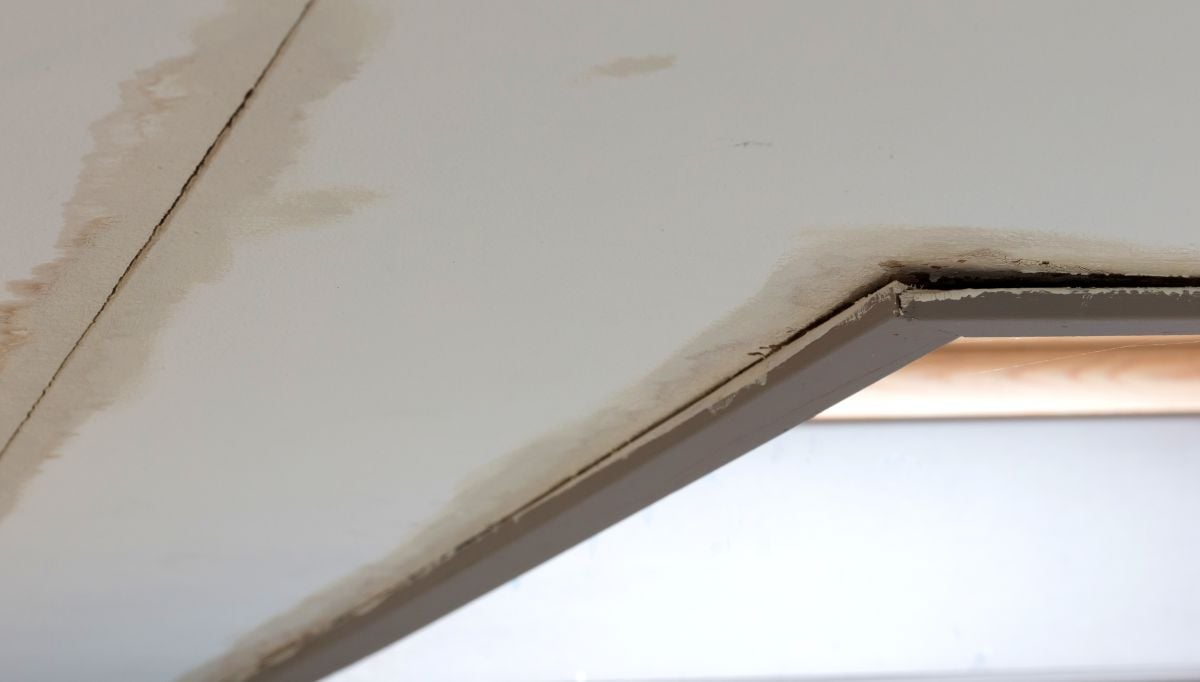
Look for water stains on the underside of the roof deck, a musty smell, visible moisture on nails or fasteners, or mold growth in attic spaces.
Can I fix condensation issues myself?
Minor improvements like sealing air leaks are manageable for many homeowners, but proper ventilation balancing and vapor barrier installation typically require professional assessment.
Does this happen on buildings other than homes?
Yes, the same way condensation forms on a residential attic, it also affects agricultural buildings, animal confinement facilities, and other heated buildings with a corrugated metal roof, especially when adequate drainage and ventilation weren’t planned during the original building site layout.
Hopefully these answers help clarify what might be causing moisture issues in your attic. A qualified roofing contractor can provide a more detailed inspection specific to your home’s construction.
Let Us Help You Solve Your Condensation Problem
Metal roof condensation is a solvable problem once you understand the specific causes contributing to it in your home. Whether you’re planning a new installation or addressing an existing moisture issue, the right combination of insulation, ventilation, and vapor barrier improvements can eliminate the problem for good. Maumee River Roofing has helped homeowners throughout the region diagnose and resolve condensation issues affecting their metal roofing systems, from simple insulation upgrades to more involved ventilation corrections. If you’re dealing with unexplained moisture in your attic, contact us today and let our team help you find a lasting solution.