

Standing seam roofing has become one of the most requested upgrades among homeowners looking for a sleek, modern look paired with serious durability. Before committing to this specific metal roofing style, understanding the real standing seam metal roof pros and cons helps set accurate expectations for cost, performance, and long-term maintenance. Homeowners exploring a premium metal roofing option often assume all residential metal roofing panels perform the same way, when standing seam actually comes with its own distinct set of trade-offs. This guide offers an honest breakdown of what to expect so you can make an informed choice before you commit.
Here’s a quick look at what you’ll walk away understanding:
- What makes standing seam different from other metal roofing styles
- The genuine advantages this system offers homeowners
- The honest drawbacks worth considering before installation
- Answers to the most common questions before making a final decision
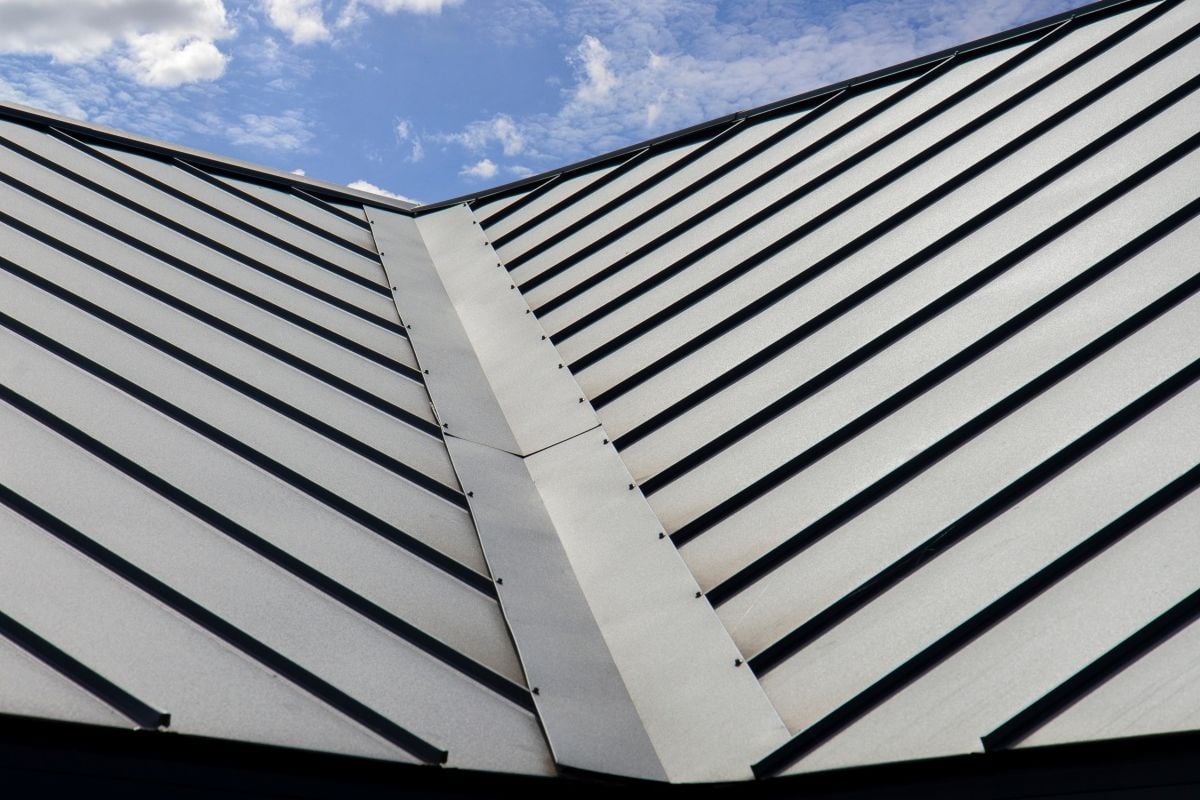
Why Understanding This Roofing Style Actually Matters
Standing seam roofing carries a premium reputation, but that reputation only holds up when homeowners understand exactly what they’re paying for and why. Homeowners in Bluffton and surrounding areas researching this roofing style often assume the higher price tag automatically means it’s the right choice for every home, when the decision actually depends on several specific factors unique to this panel system, including climate, budget, and how long you plan to stay put.
- Long-term value: Understanding the lifespan and durability trade-offs helps you calculate true cost per year of ownership rather than sticker price alone.
- Weather performance: Knowing how standing seam handles wind, hail, and heavy snow, according to general metal roofing performance guidance, helps set realistic expectations for your specific climate.
- Maintenance expectations: Understanding the concealed fastener design helps clarify why this system requires different upkeep compared to exposed fastener panels.
- Solar readiness: Many homeowners adding solar panels prefer standing seam because mounting brackets can clamp directly onto the raised seams without penetrating the roofing surface.
- Environmental impact: Standing seam panels are made from recyclable materials, which appeals to homeowners who factor sustainability into a major home improvement decision.
- Resale considerations: Knowing how standing seam affects buyer perception helps you weigh the investment against your home’s future resale potential.
Once you understand these bigger-picture factors, the specific pros and cons become much easier to evaluate against your own priorities and budget. The next section breaks down exactly what standing seam does well and where it falls short.
6 Pros and Cons of Standing Seam Metal Roofing
Standing seam roofing earns its premium reputation through genuine performance advantages, but it also comes with trade-offs that deserve honest consideration before installation. Below is a breakdown of the most important factors to weigh on both sides of the decision.
1. Pro: Concealed Fastener Design
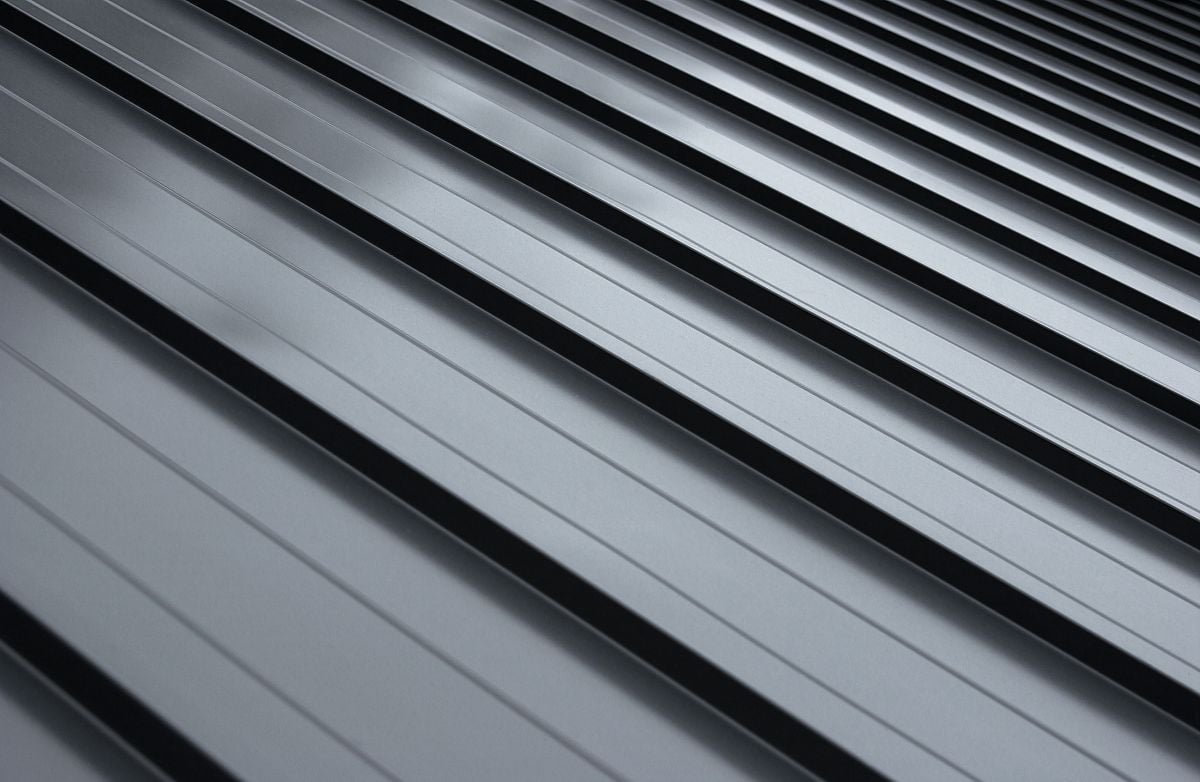
Unlike exposed fastener panels, standing seam systems use hidden fasteners and clips beneath raised seams, which eliminates the exposed screw heads that can loosen or corrode over time. This design, when paired with proper installation, significantly reduces the most common source of leaks in metal roofing systems.
- Eliminates the need for periodic fastener tightening or replacement
- Creates a cleaner, more streamlined appearance across the roof surface
2. Pro: Exceptional Lifespan
A properly installed standing seam roof can last 40 to 70 years, often outlasting other roofing materials due to its superior weather sealing and reduced fastener-related wear. As a durable, fire resistant roofing material carrying a Class A rating due to its non-combustible nature, it’s built for the long haul, making it an appealing choice for homeowners planning to stay in their home for the long run. Many homeowners also find that lighter finishes help keep the home cooler in hot climates by reflecting heat rather than absorbing it.
3. Pro: Superior Wind and Weather Resistance
The interlocking panels and seam design give standing seam roofs exceptional resistance to wind damage and wind uplift, with many systems rated to withstand winds of up to 180 mph, making them a strong choice for homeowners facing harsh weather conditions, including high winds, heavy rain, and hail damage. This performance often translates into fewer emergency repairs after severe weather events and less risk to the underlying structure of the house.
- Commonly used on commercial buildings specifically for this wind performance
- Handles thermal expansion and contraction more gracefully than exposed fastener systems
- Compatible with clip-on snow guards that clamp onto the seams to help manage snow slides safely through winter
4. Con: Higher Upfront Cost
Standing seam roofing typically costs $7 to $12 per square foot installed, compared to roughly $3 to $5 per square foot for traditional asphalt roofing, meaning it can run about three times more than shingles upfront. This higher price point, driven partly by the specialized installation process and coated finishes involved, can be a barrier for homeowners working with a tighter renovation budget.
- Material and labor costs both run higher than standard metal panel systems
- Financing options can help offset the higher initial investment
5. Con: Requires Specialized Installation Expertise
Not every roofing contractor has the specific training and equipment required for proper installation of standing seam panels, which can make finding a qualified installer more difficult in some areas. Work done by inexperienced contractors can lead to persistent leaks and even roof failure, since improper installation compromises the very weather resistance and insulation performance this system is known for.
6. Con: Repair Complexity
If a standing seam panel is damaged, repairs can be more complex than with exposed fastener systems due to the interlocking seam design. In some cases, an entire panel section may need replacement rather than a simple patch.
Weighing these six factors against your specific budget, climate, and long-term plans makes the decision process much clearer. Most homeowners in Bluffton and surrounding areas who prioritize longevity and weather performance find that the pros justify the higher upfront investment, particularly for homes expected to stay in the family for decades.
Digging Deeper Into Cost and Long-Term Value
Understanding the complete financial picture requires looking beyond the initial installation price to see how standing seam performs over its entire service life. This deeper analysis often changes how homeowners perceive the higher upfront cost compared to other roofing options.
- Extended replacement cycles: Because standing seam roofs often last 40 to 70 years, homeowners frequently avoid one or two full roof replacements compared to asphalt shingles over the same period.
- Reduced repair frequency: The concealed fastener design means fewer emergency repair calls related to loose or corroded screws over the roof’s lifetime, and standing seam requires less ongoing maintenance overall than asphalt shingles.
- Energy efficiency benefits: Many standing seam systems pair well with reflective coatings that help reduce cooling costs during summer months.
- Insurance and resale factors: Some insurance providers offer discounts for standing seam roofing due to its superior wind resistance, and buyers increasingly recognize the long-term value this system provides.
When these long-term financial factors are factored into the overall equation, the higher upfront cost of standing seam roofing starts to look like a smart investment rather than an unnecessary expense. Homeowners in Bluffton and surrounding areas planning to stay in their home for many years typically see the strongest return from this consideration.
Standing Seam Versus Exposed Fastener Metal Roofing
It helps to compare standing seam directly against exposed fastener panels, since these two systems are often confused despite significant performance differences. This side-by-side breakdown highlights where each option excels.
| Factor | Standing Seam | Exposed Fastener |
| Fastener visibility | Hidden beneath seams | Visible screw heads |
| Expected lifespan | 40 to 70 years | 20 to 30 years |
| Upfront cost | $7 to $12 per square foot | Lower |
| Maintenance needs | Minimal | Periodic fastener checks required |
| Wind resistance | Excellent, up to 180 mph | Good |
| Solar panel compatibility | Excellent, clamps without penetration | Requires roof penetration |
| Aesthetic appeal | Sleek, modern lines | More traditional, industrial look |
As the comparison shows, standing seam wins decisively on longevity and maintenance, while exposed fastener panels remain the more budget-friendly entry point for homeowners prioritizing upfront affordability. Homeowners in Bluffton and surrounding areas often choose based on how long they plan to stay in their home and how much upfront budget flexibility they have available.
Frequently Asked Questions About Standing Seam Metal Roofs
These are some of the most common questions homeowners ask when weighing standing seam against other roofing options. The short answers below should help clarify any remaining uncertainty before you move forward.
Is standing seam worth the higher upfront cost?
For most homeowners planning to stay long term, yes, since the extended lifespan and reduced maintenance typically offset the higher initial investment over time.
Can standing seam be installed over an existing roof?
In most cases, a full tear-off is recommended to ensure proper decking and underlayment support this specific panel system.
Does standing seam roofing dent easily from hail?
It’s generally more resistant to denting than thinner exposed fastener panels, though very large hail can still cause cosmetic damage depending on panel gauge.
How do I find a qualified standing seam installer?
Look for contractors with specific manufacturer certifications and a portfolio of completed standing seam projects in your area.
Does standing seam roofing come in different colors and finishes?
Yes, standing seam is available in a wide range of factory-applied finishes, giving homeowners plenty of flexibility to match their home’s architectural style.
Can solar panels be installed on a standing seam roof?
Yes, standing seam is one of the most solar-friendly roofing materials available since mounting brackets can clamp directly onto the raised seams, avoiding the need to drill through the roofing surface.
Is a standing seam metal roof noisy during rain?
It can be noisier than asphalt shingles during rain or hail if installed without proper insulation, but solid decking, underlayment, and adequate attic insulation bring the noise level down to something most homeowners barely notice.
Hopefully these answers give you added clarity as you weigh your options. A knowledgeable roofing contractor can walk you through additional specifics based on your home’s unique needs.
Let Us Help You Make the Right Decision
Deciding whether standing seam metal roofing is right for your home comes down to weighing genuine long-term value against a higher upfront investment. With its concealed fastener design, exceptional lifespan, and superior weather resistance, this roofing style offers compelling advantages for homeowners focused on durability and low maintenance. Maumee River Roofing has helped homeowners throughout the region determine whether standing seam is the right fit for their specific needs and budget. If you’re ready to explore whether this roofing style makes sense for your home, contact us today and let our team walk you through your options.