

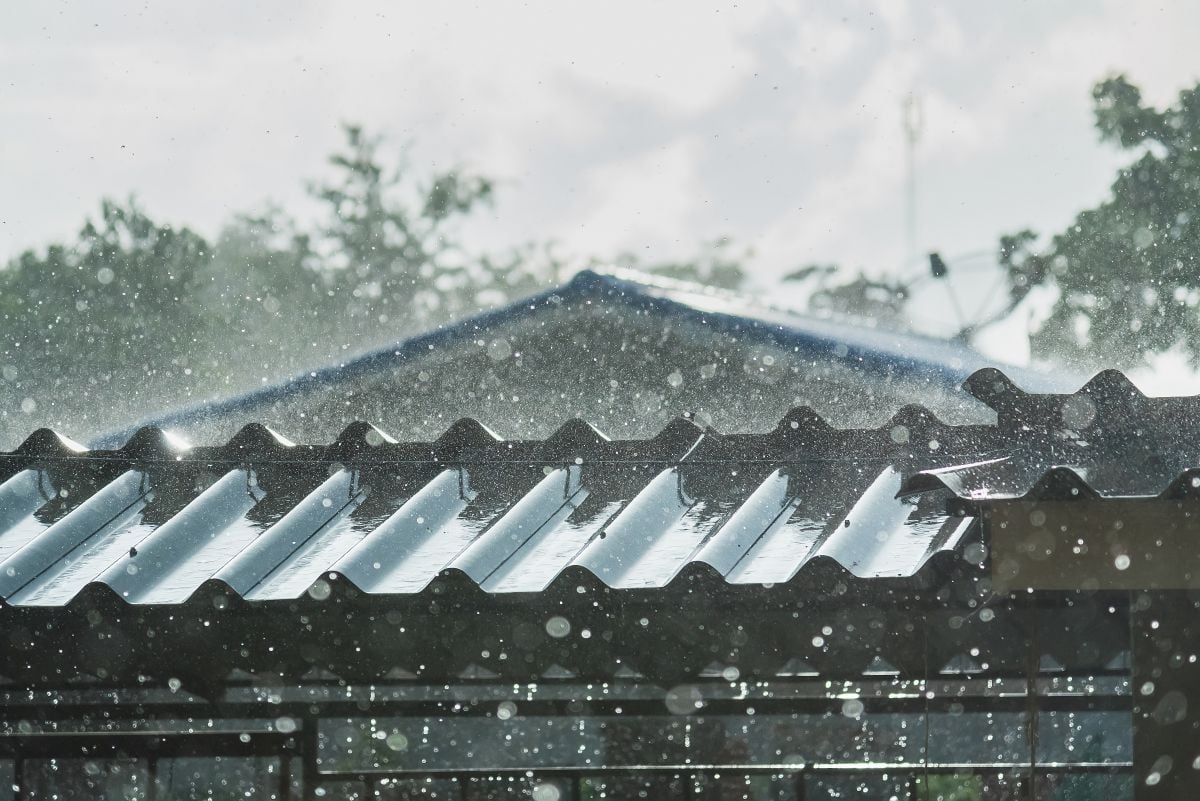
Few myths follow metal roofing around quite like the idea that every rainstorm turns your attic into a drum solo. If you’ve ever wondered “are metal roofs loud when it rains?”, the honest answer depends far more on how the roof is built than on the material itself. Homeowners considering a durable, long-lasting upgrade often hesitate over this exact concern before realizing modern installation methods have largely solved the problem. This guide breaks down the real science behind roof noise and what actually determines how loud your home gets during a storm.
A quick preview of what’s ahead:
- Why the noise myth exists and what actually causes it
- The construction factors that determine how loud a roof really is
- Ways to reduce sound even further
- How metal roofs compare to other materials in real-world noise levels
Why Roof Noise Concerns Deserve a Real Answer
Rain noise might seem like a minor detail compared to durability or curb appeal, but it directly affects daily comfort inside your home. Homeowners in Bristol and surrounding areas often bring up this concern early in the decision-making process, especially if they’ve heard stories from older pole barns or metal-roofed sheds with no insulation at all. Understanding the real factors behind roof acoustics helps you make a confident, informed choice rather than relying on outdated assumptions.
- Peace of mind: Knowing the noise myth is largely tied to installation, not the material, removes a common barrier to choosing metal roofing.
- Better sleep quality: Bedrooms and living spaces directly under the roofline benefit most from proper sound dampening during storms.
- Resale confidence: Buyers researching metal roof performance online will find that modern systems are far quieter than older designs, which helps ease their concerns too.
- Smarter budgeting: Understanding what actually reduces noise helps you invest in the right upgrades instead of overspending on unnecessary add-ons.
- Added long-term value: Beyond manageable noise levels, metal roofing carries a Class A fire rating, can be manufactured with up to 95% recycled content, and reflects sunlight to improve energy efficiency, all while lasting up to 70 years with proper care.
Once homeowners understand that rain noise is a construction issue rather than an inherent flaw of the metal itself, the decision becomes much easier. The next section breaks down exactly what determines how much sound actually reaches the inside of your home.
7 Factors That Determine How Loud a Metal Roof Really Is
The sound you hear during a rainstorm is the result of several layered factors working together, not just the roofing material sitting on top of your house. Understanding each one helps explain why two homes with the exact same metal roof can sound completely different inside.
1. Solid Decking Versus Open Framing
Modern metal roofs are almost always installed over solid plywood or OSB decking rather than open framing with exposed purlins. This solid layer absorbs and disperses vibration before it can travel into the living space below, while roofs left over open framing miss out on these sound-absorbing layers entirely and end up carrying most of the noise reputation.
- Solid decking significantly reduces the drum-like resonance associated with older metal buildings
- Most residential installations today use this method as standard practice
2. Underlayment Thickness
A quality synthetic or felt underlayment sits between the decking and the metal panels, acting as the first real sound barrier. Thicker underlayment materials absorb more vibration before it has a chance to transfer downward.
3. Attic Insulation Levels
Insulation does more than regulate temperature. It also absorbs sound waves before they reach the ceiling below, which is why well-insulated attics report noticeably quieter rain sounds compared to poorly insulated ones, and higher density insulation generally outperforms thinner, lower density options for sound absorption.
- Blown-in or batt insulation both provide noise reduction benefits
- Insulation upgrades often pay for themselves through energy savings alone
4. Roof Slope and Pitch
A steeper roof slope causes rain to run off faster, which actually reduces the amount of time water spends in contact with the panels. Lower-pitched roofs tend to experience slightly more perceived noise simply due to water pooling and slower runoff.
5. Panel Type and Profile
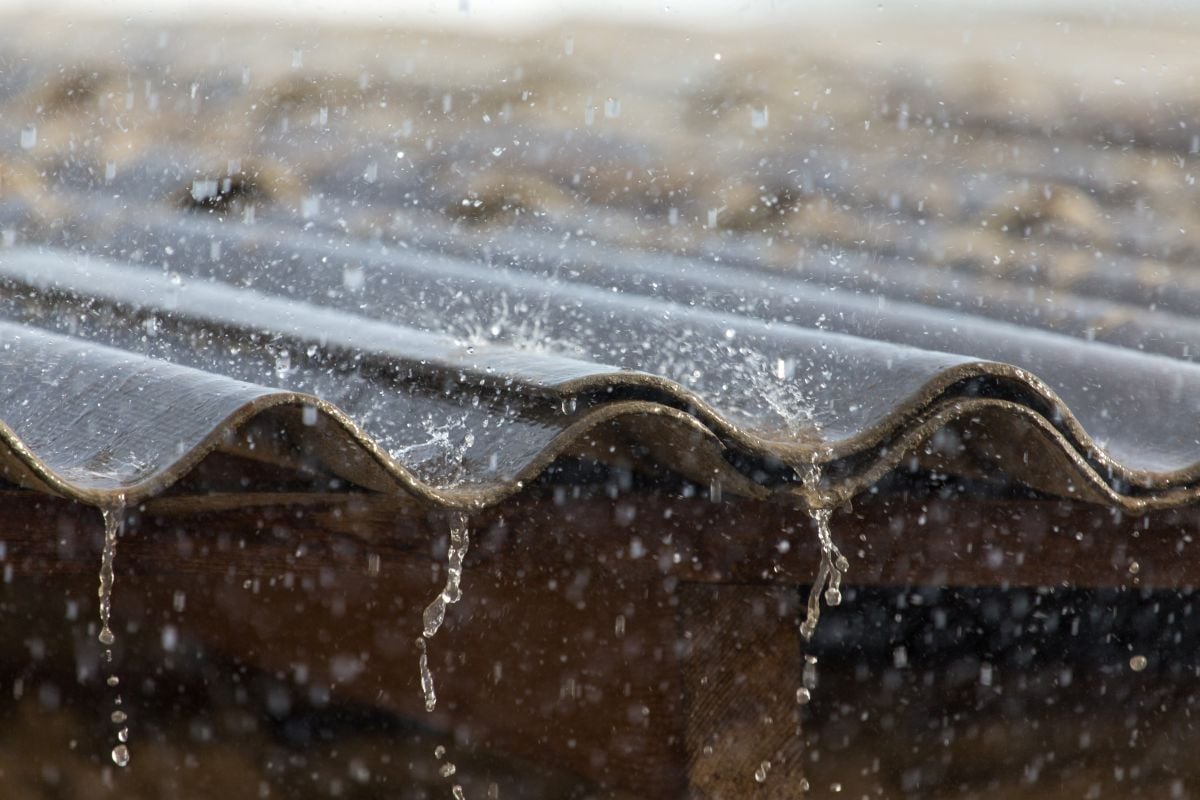
Standing seam panels, which attach with hidden fasteners and raised seams, tend to produce less rattling than older exposed-fastener panel styles. These panels are also installed in large sheets, which means fewer seams and fastener points overall for vibration to travel through. Over time, exposed fasteners can loosen slightly, which increases vibration and noise during heavy weather.
6. Distance Between Roof and Living Space
Homes with vaulted ceilings directly beneath the roofline will naturally hear more rain noise than homes with a traditional attic space acting as a buffer zone. This distance matters more than most homeowners initially expect.
7. Overall Installation Quality
Even the best materials underperform when installed poorly. Gaps, improper fastening, or skipped underlayment steps can all increase noise regardless of how premium the panels themselves are.
Taken together, these seven factors explain why blanket statements about metal roof noise rarely hold up under scrutiny. Homeowners in Bristol and surrounding areas can expect a properly installed system with quality underlayment and adequate insulation to perform remarkably close to a traditional shingle roof in terms of interior sound levels.
Practical Ways to Reduce Rain Noise Even Further
For homeowners who want extra peace of mind, there are several additional upgrades that can further minimize sound transfer beyond standard installation practices. These options work well whether you’re planning a new metal roof or looking to improve an existing one.
- Add rigid foam insulation board: Installing a layer of rigid foam between the decking and panels creates an additional buffer against vibration and sound transfer.
- Upgrade to closed-cell spray foam: This option seals gaps completely while providing superior sound dampening compared to traditional batt insulation.
- Choose thicker gauge metal panels: Heavier gauge panels vibrate less than thinner, lightweight options, which can noticeably reduce perceived noise.
- Install acoustic underlayment specifically designed for metal roofing: These specialized products go beyond standard underlayment to target sound absorption directly.
- Apply a sound-reducing coating: Certain coatings can be applied to metal panels after installation to help dampen impact noise without requiring a full roof replacement.
- Ensure proper attic ventilation without sacrificing insulation: A well-balanced system keeps your attic properly ventilated while still maintaining strong sound-dampening performance.
Combining even two or three of these upgrades typically results in a noticeably quieter home during heavy rain or hailstorms. Homeowners in Bristol and surrounding areas working with an experienced contractor can determine which combination makes the most sense for their specific roof structure and budget.
Metal Roofing Noise Versus Other Roofing Materials
It helps to compare metal roofing directly against other common materials to put the noise concern into proper perspective. Many homeowners are surprised to learn how close the actual difference is once proper installation techniques are factored in.
| Roofing Material | Typical Noise Level During Rain | Key Factor |
| Metal (properly installed) | Low to moderate, roughly 6 decibels louder than asphalt | Solid decking and underlayment control sound |
| Asphalt shingles | Low | Dense material naturally dampens sound |
| Metal (open framing, no insulation) | High, up to 50 decibels louder than asphalt | Common in older barns and sheds only |
| Clay or concrete tile | Low to moderate | Weight and density absorb vibration |
As the comparison shows, a properly installed metal roof performs much closer to asphalt shingles than most people expect, especially once insulation and underlayment are factored into the equation. Homeowners in Bristol and surrounding areas evaluating their options will find that the dramatic noise difference people often describe usually comes from older agricultural buildings rather than modern residential installations.
Frequently Asked Questions About Metal Roof Noise
These are some of the most common questions homeowners ask once they start seriously considering a metal roof for their property. The short answers below should help clear up any lingering concerns before you make a final decision.
Is a metal roof really louder than shingles during a storm?
Not significantly, as long as it’s installed with solid decking, underlayment, and proper insulation. Older barn-style installations without these layers are where the loud reputation originally came from.
Does the type of metal panel affect noise levels?
Yes, standing seam panels with hidden fasteners tend to be quieter than older exposed-fastener panel styles, which can loosen and rattle over time.
Can I reduce noise on an existing metal roof without replacing it?
In many cases, yes. Adding attic insulation or acoustic underlayment during a partial re-roof or repair project can noticeably improve sound levels.
Does hail sound different than rain on a metal roof?
Hail tends to produce sharper, more distinct impact sounds compared to the steadier patter of rain, though proper insulation reduces both.
Is the extra cost of soundproofing upgrades worth it?
For homeowners particularly sensitive to noise or with bedrooms directly under the roofline, the investment is often worthwhile for the added comfort it provides.
Hopefully these answers give you a clearer picture of what to expect and how to plan accordingly. A knowledgeable contractor can walk you through the specific options available for your home during a consultation.
Let Us Put the Noise Myth to Rest
Choosing a metal roof shouldn’t come down to outdated assumptions about noise, especially when modern installation techniques have made quiet performance the standard rather than the exception. With the right decking, underlayment, and insulation working together, a metal roof can be just as peaceful during a storm as any traditional shingle roof. Maumee River Roofing has helped homeowners throughout the region install quiet, high-performing metal roofing systems built to last for decades. If you’re ready to explore your options and get real answers to your questions, contact us today and let our team walk you through the process.