

A single drip on a commercial building rarely means a single problem. Understanding commercial roof leak causes helps property owners catch small issues before they turn into ceiling stains, damaged inventory, or a full-blown emergency roof repair. Since most leaks trace back to a handful of recurring culprits, knowing what to watch for makes it much easier to spot trouble early and bring in the right roofing team before the damage spreads. This guide walks through the most common reasons commercial roofs leak, so property owners in Carmel and surrounding areas know exactly what to look for.
What you’ll learn:
- The most common reasons commercial roofs develop leaks
- Which roof features are most prone to failure over time
- How weather and seasonal changes contribute to leaks
- Early warning signs that indicate a leak is forming
- When a small leak signals a larger underlying problem
Why Understanding Commercial Roof Leak Causes Matters
A leak that goes unnoticed for even a few weeks can cause damage far beyond the roof itself, affecting insulation, ceiling tiles, electrical systems, and inventory stored below. Property owners who understand the common causes of leaks are far better positioned to catch problems early, before a small drip turns into a significant repair bill.
Commercial roofs also tend to hide leaks more effectively than residential roofs, since flat and low-slope designs allow water to travel horizontally before finding its way through a weak point far from where the moisture actually entered. This makes understanding the underlying causes even more valuable, since the visible sign of a leak often isn’t located anywhere near its actual source.
- Early detection: Knowing the usual causes helps you recognize warning signs during routine walkthroughs rather than after damage appears indoors.
- Lower repair costs: Catching a leak at its source is almost always cheaper than repairing the water damage it eventually causes.
- Protected inventory and equipment: Understanding leak-prone areas helps you position sensitive equipment and inventory away from the highest-risk zones.
- Fewer business disruptions: Addressing leak causes proactively reduces the chance of an emergency shutdown during business hours.
Recognizing these benefits is the first step toward building a proactive maintenance mindset rather than reacting only after water starts coming through the ceiling.
8 Common Causes of Commercial Roof Leaks
Commercial roof leaks rarely come from a single, obvious source. Most trace back to one of a handful of recurring issues, and identifying which one applies to your building is the first step toward a lasting fix rather than a temporary patch. Below are the eight most common causes property owners should watch for.
1. Ponding Water
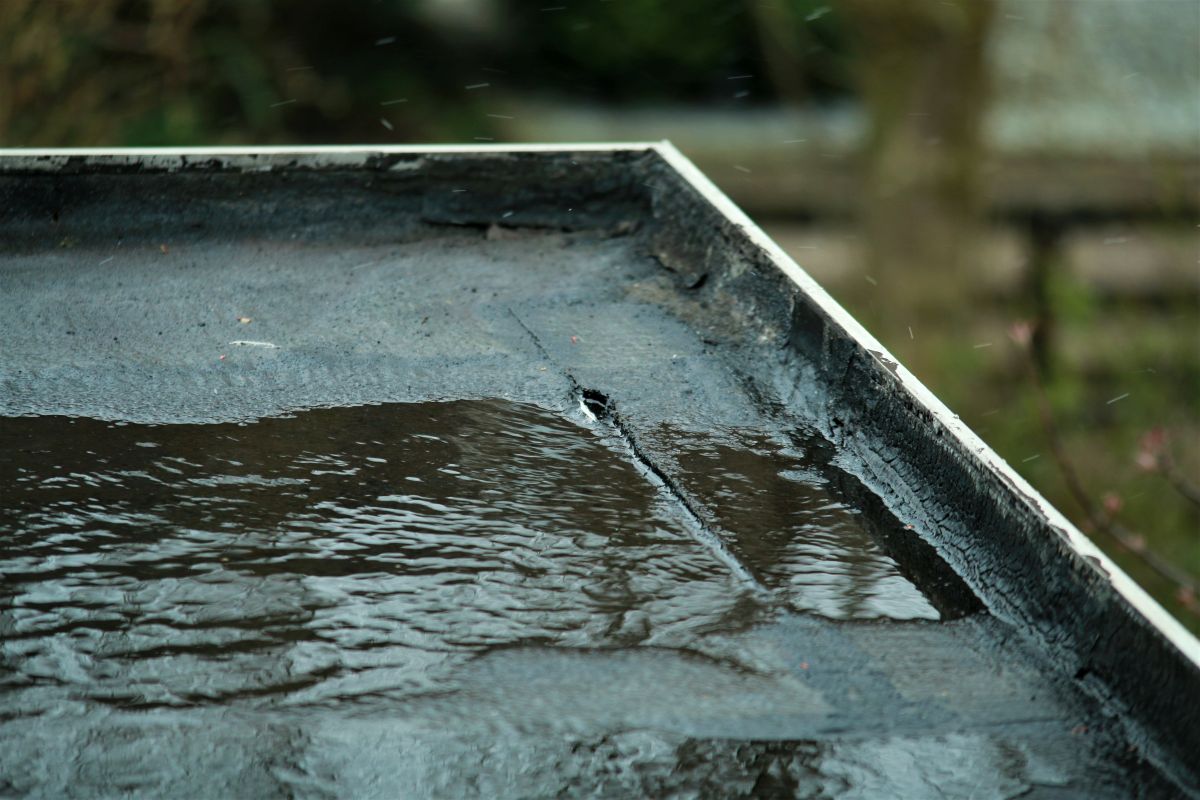
Flat and low-slope roofs are especially prone to ponding, where water collects in low spots instead of draining properly. Standing water that lingers for more than 48 hours puts constant pressure on the membrane and accelerates wear, eventually leading to leaks even on otherwise healthy roofing systems. Ponding can also indicate a deeper structural issue, such as a sagging deck or improperly sloped insulation, which a simple drainage fix won’t fully resolve.
2. Damaged or Deteriorated Flashing
Flashing seals the joints where the roof meets walls, chimneys, and other vertical surfaces, and it’s one of the most common failure points on any commercial roof. Cracked, loose, or improperly installed flashing creates an easy entry point for water, especially around rooftop equipment and parapet walls.
3. Punctures and Physical Damage
Foot traffic from maintenance crews, dropped tools, or debris blown across the roof during storms can all puncture the membrane. Even a small puncture allows water to seep beneath the surface, where it can spread quietly before ever showing up as a visible leak indoors.
4. Clogged or Damaged Drains
Roof drains, scuppers, and gutters need to move water off the roof efficiently, and any blockage from leaves, debris, or sediment forces water to back up. This backup often leads to ponding and puts additional strain on the roofing system in the area surrounding the drain.
5. Aging or Worn Membrane
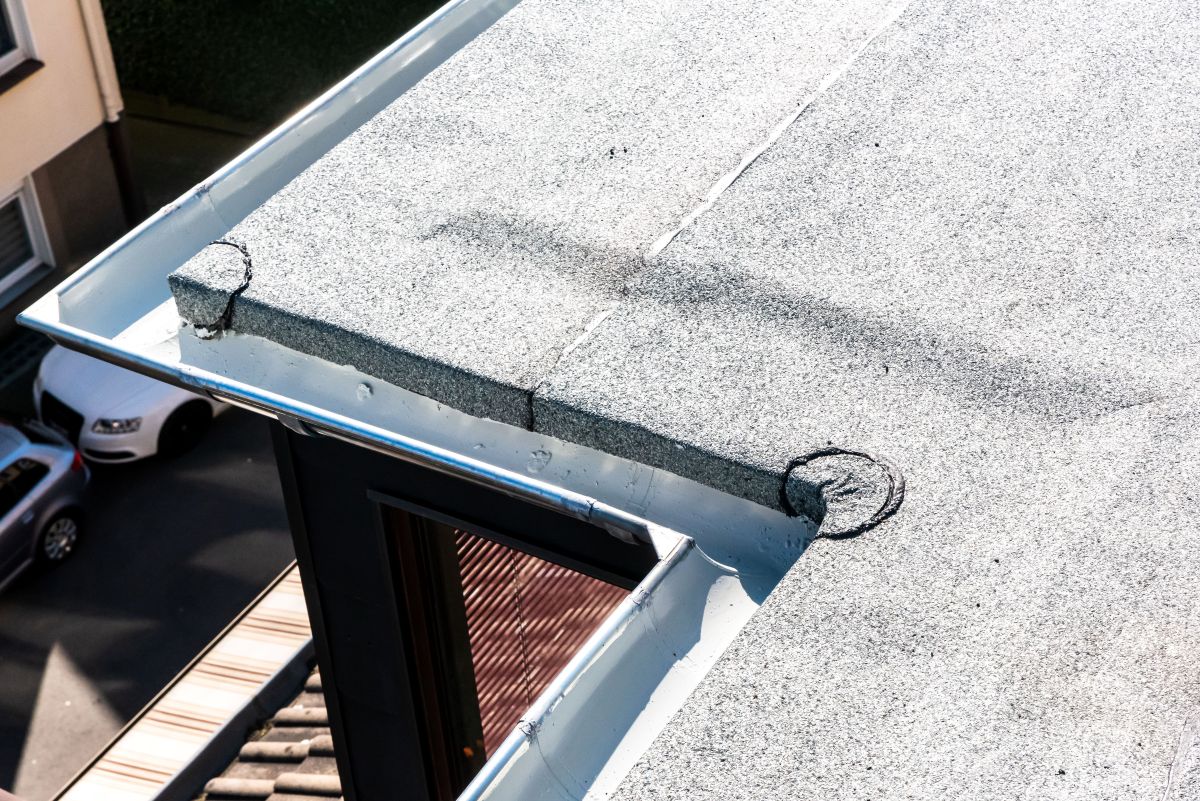
Every roofing material has a finite lifespan, and as membranes age, they become more prone to cracking, shrinking, or losing their waterproofing properties. A roof nearing the end of its expected service life is far more likely to develop leaks, even without any single obvious point of damage. In these cases, patching individual leaks often becomes a recurring expense, since the underlying material has simply worn past the point where commercial roof repairs offer a lasting solution.
6. Poor Seam Adhesion
Seams are where individual sheets of roofing material join together, and they depend on proper adhesion or welding to stay watertight. Seams that were installed incorrectly, or that have degraded over time due to weather exposure, are a frequent source of slow, hard-to-detect leaks.
7. Rooftop Equipment and Penetrations
HVAC units, roof vents, pipes, and skylights all require openings in the roof, and each penetration is a potential leak point if not properly sealed and maintained. Equipment installed or serviced without careful attention to the surrounding roofing material often leaves behind small gaps that worsen over time.
8. Storm and Weather Damage
High winds, hail, and heavy rain can all compromise a roof’s integrity, sometimes in ways that aren’t immediately visible from the ground. A storm that lifts a section of membrane or damages flashing may not produce a leak right away, but the weakened area often fails during the next significant rain event. A post-storm inspection, even when no obvious damage is visible, can catch these hidden vulnerabilities before they turn into an active leak.
Recognizing these eight causes helps property owners in Carmel and surrounding areas know exactly what a roofing inspector should be checking for during a routine visit. A thorough inspection that addresses each of these areas is far more valuable than a quick visual check from the ground, since many of the most common leak sources aren’t visible without a closer look.
Spotting Warning Signs Before a Leak Becomes a Problem
Most commercial roof leaks give off warning signs well before water actually starts dripping through the ceiling. Catching these early indicators during routine walkthroughs can save significant money by allowing repairs to happen before damage spreads.
- Discoloration on interior ceiling tiles: Yellow or brown staining often indicates moisture intrusion that hasn’t yet become a visible drip.
- Musty odors near the roofline: A persistent smell can signal trapped moisture inside the insulation or ceiling assembly.
- Bubbling or blistering on the roof surface: This often points to moisture trapped beneath the membrane, which can eventually break through.
- Visible ponding after rainfall: Water that doesn’t drain within a day or two indicates a drainage issue worth addressing before it worsens.
Training maintenance staff to recognize these signs, and encouraging them to report anything unusual promptly, gives property owners in Carmel and surrounding areas a much better chance of catching a developing leak before it causes significant interior damage.
Seasonal Leak Risks: What Changes Throughout the Year
Commercial roof leak risk isn’t constant throughout the year, and understanding how seasonal changes affect your roof helps you time inspections and maintenance more effectively. Temperature swings, precipitation patterns, and debris accumulation all shift depending on the time of year, which means the highest-risk trigger for a leak in July looks very different from the one most likely to cause problems in January.
| Season | Common Leak Trigger | Recommended Action |
| Spring | Heavy rainfall exposing drainage issues | Clear drains and check for ponding after storms |
| Summer | UV exposure and thermal expansion | Inspect seams and flashing for heat-related wear |
| Fall | Falling leaves and debris clogging drains | Clean gutters and drains before winter arrives |
| Winter | Ice damming and freeze-thaw cycles | Check flashing and membrane for cracking after cold snaps |
Understanding these seasonal patterns allows property owners to schedule proactive inspections at the times of year when specific leak causes are most likely to emerge, rather than waiting for a problem to appear indoors. A roof that receives attention at the right moments throughout the year is far less likely to develop the kind of hidden damage that leads to a costly emergency repair.
Get to the Source with Maumee River Roofing
Understanding commercial roof leak causes puts property owners in a much stronger position to catch problems early and avoid the far higher cost of water damage repair. Whether you’re dealing with an active leak or simply want a proactive inspection to catch small issues before they grow, knowing what to look for makes all the difference. Maumee River Roofing has helped property owners throughout Carmel and surrounding areas identify and resolve leak sources at their root cause rather than applying a temporary patch. If you’re noticing signs of a potential leak or want a thorough roof inspection, contact us today to schedule a visit with Maumee River Roofing.