

Modified bitumen has been a trusted choice for flat and low-slope commercial roofs for decades, but its pricing structure can be confusing if you’re comparing it against newer single-ply membranes. Understanding modified bitumen roofing cost before you request quotes helps you budget accurately and recognize whether a contractor’s estimate reflects the full scope of the project. Because this system has been refined over many years of real-world use, its pricing tends to follow more predictable patterns than newer materials still building a performance track record. Since installation method and surfacing type both significantly affect the final number, it pays to know what’s driving the price before committing to a roofing project for your building. This guide breaks down what property owners in Auburn and surrounding areas can expect to budget in today’s market.
What you’ll learn:
- What drives the price of modified bitumen roofing compared to other systems
- The biggest cost factors roof contractors weigh before quoting a project
- How installation method changes your total price
- How modified bitumen compares to TPO and EPDM on cost and durability
- What to expect for long-term roof maintenance and lifespan

Why Modified Bitumen Roofing Cost Matters to Property Owners
Modified bitumen roofing has earned a long track record on commercial buildings, and understanding its cost structure helps property owners decide whether it’s the right fit for their specific project. Because pricing varies based on installation method and surfacing choice, knowing what to expect ahead of time prevents budget surprises once quotes start coming in.
- Proven durability: Modified bitumen has decades of real-world performance data behind it, giving property owners confidence in its long-term reliability.
- Flexible installation options: Multiple application methods let contractors match the installation to your building’s specific conditions and budget.
- Strong puncture resistance: The multi-ply construction holds up well against foot traffic and minor impacts compared to some single-ply alternatives.
- Reliable weather performance: Modified bitumen systems handle temperature swings and UV exposure with a track record that spans generations of buildings.
Understanding these advantages alongside the associated costs helps property owners in Auburn and surrounding areas make a confident choice rather than defaulting to whichever material a contractor happens to prefer installing.
6 Factors That Determine Your Modified Bitumen Roofing Cost
Modified bitumen roofing pricing depends on several variables that go well beyond a simple price per square foot. Across the roofing industry, typical installed costs for modified bitumen roofs generally range from $4 to $10 per square foot, with local labor rates and building codes shifting that number further in either direction. Quality roofing contractors weigh material composition, installation method, and surfacing choice before arriving at a final number, and understanding each piece helps explain why quotes can vary so widely between contractors. Below are the six factors that most heavily shape the final estimate.
1. Material Composition
Modified bitumen comes in two primary formulations, SBS and APP, and each has its own price point and performance profile. SBS modified bitumen is rubber-based and highly elastic, which tends to make it more flexible and better suited to cooler climates, while APP formulations are plastic-based with a higher softening point that offers stronger UV resistance and tends to perform well in warmer regions. Choosing between the two often comes down to matching the material’s flexibility and heat tolerance to the specific climate conditions a building experiences throughout the year.
2. Number of Plies
A modified bitumen system can be installed with two or three plies layered together, and adding a ply increases both material and labor costs. Two-ply systems are generally more affordable than three-ply systems, but three-ply systems can reach a lifespan of 20 to 25 years, which can justify the added upfront expense for buildings with heavy rooftop traffic or a longer planned hold period.
- Two-ply torch-applied APP system: often runs between $40,000 and $70,000 for a typical commercial project
- Three-ply commercial-grade system: often runs between $70,000 and $100,000 depending on size and complexity
The right ply count ultimately depends on how long you plan to own the building and how much rooftop wear the roof is likely to see, since the added durability of a three-ply system only pays off if the roof is expected to be in service long enough to benefit from it.
3. Installation Method
Modified bitumen can be installed using torch-applied, cold-applied, hot-mopped, or self-adhered methods, and each comes with a different labor cost. Torch-applied installation requires specialized training and fire-safety precautions, which typically makes it more expensive than cold-applied or self-adhered alternatives.
- Torch-applied: highest labor cost due to required safety measures and technique
- Hot-mopped: uses molten asphalt for bonding and remains a durable, time-tested option
- Cold-applied: moderate cost, no open flame required during installation
- Self-adhered: often the fastest to install, which can reduce overall labor expense
Each method has its own advantages, and the right choice often depends on the building’s location, local fire code restrictions, and the roofing contractor’s specific expertise with a given technique.
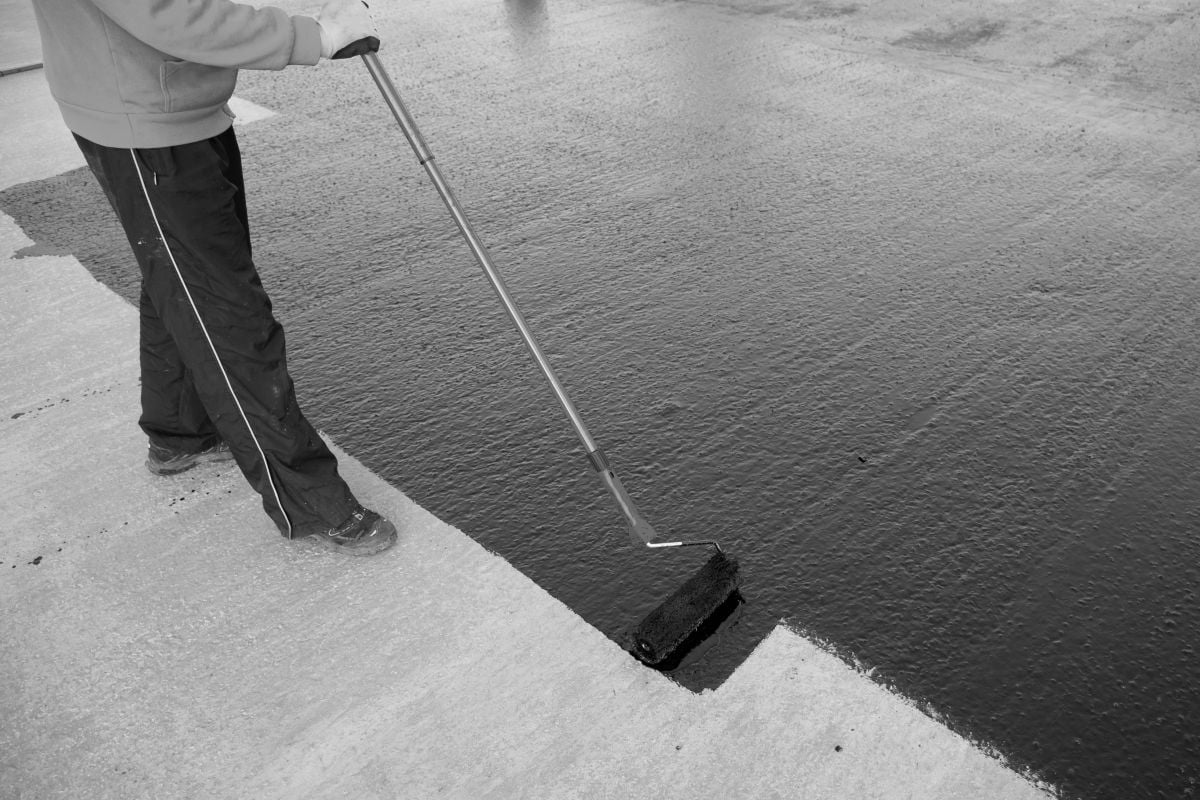
4. Surfacing Type
The surfacing layer on top of a modified bitumen system affects both cost and long-term performance. A granulated cap sheet offers built-in UV protection and requires little additional maintenance, while a smooth surface finished with a reflective coating adds cost upfront but can improve energy efficiency.
- Granulated cap sheet: durable, low-maintenance surfacing option
- Reflective coating: added cost but improved energy performance
- Gravel surfacing: traditional option, less common on newer installations
5. Roof Size and Accessibility
Larger roofs require more material and labor, but accessibility plays just as significant a role in total cost. Tearing off an existing roof before installation adds to overall project costs, typically running $1.00 to $1.30 per square foot depending on how many layers need to be removed. A roof with limited access points, multiple HVAC units, or numerous penetrations takes longer to install correctly, which increases labor time regardless of the total square footage involved. Buildings with rooftop equipment clustered in a single area sometimes see costs rise disproportionately compared to their overall size, since crews need extra time to work carefully around each obstruction.
6. Labor and Regional Market Rates
Labor costs shift based on local roofing contractor availability, project complexity, and demand across the roofing industry at the time of the project. Labor for modified bitumen typically runs $2.30 to $4.00 per square foot, and local labor rates and building codes can push that figure higher or lower depending on the market. Property owners in Auburn and surrounding areas may notice seasonal price fluctuations, particularly during peak construction months when experienced crews are in higher demand across the region.
Taken together, these six factors explain why modified bitumen roofing estimates can vary significantly even for buildings of similar size and layout. A reputable contractor should walk through each factor shaping your specific quote rather than presenting a number without context, since a transparent breakdown protects your budget from the start.
Modified Bitumen vs. Single-Ply Membranes: A Cost Comparison
Property owners weighing modified bitumen against TPO or EPDM often want to know whether the extra complexity of a multi-ply system is worth the investment compared to a single-ply membrane. Each system has distinct strengths, and the right choice depends on the building’s specific needs and long-term ownership plans.
- Upfront cost for modified bitumen generally falls in a similar range to TPO and slightly above EPDM, though the exact comparison depends heavily on the installation method chosen and the number of plies specified for the project.
- Durability under foot traffic tends to favor modified bitumen, since its multi-layer construction resists punctures and impacts better than most single-ply membranes, making it a strong choice for roofs with regular maintenance access.
- Installation complexity is generally higher for modified bitumen, particularly with torch-applied systems, which require more skilled labor and safety precautions than a typical TPO or EPDM installation.
- Long-term maintenance needs are comparable between systems when properly installed, though modified bitumen’s proven track record over many decades gives some property owners added confidence compared to newer single-ply alternatives.
Weighing these factors against your building’s specific traffic patterns, climate, and maintenance plans helps determine whether modified bitumen’s added installation complexity is worth the durability tradeoff for your particular project. A local commercial roofer who is familiar with both systems should be able to walk through these tradeoffs honestly rather than steering you toward whichever material is easiest for their crew to install.
Planning for Long-Term Value and Maintenance
Looking beyond the installation price gives a clearer picture of what modified bitumen roofing actually costs over its full service life. A well-installed system, properly maintained, can perform reliably for 15 to 20 years or more, which helps offset the higher installation complexity when spread across the roof’s full lifespan. Factoring in maintenance costs alongside the initial installation price gives a far more accurate picture of total ownership cost than looking at the upfront number alone.
| Consideration | Modified Bitumen | Single-Ply (TPO/EPDM) |
| Typical lifespan | 15 to 20+ years | 20 to 30 years |
| Puncture resistance | Strong, multi-layer construction | Moderate, varies by thickness |
| Installation complexity | Higher, especially torch-applied | Lower, faster installation |
| Maintenance needs | Periodic recoating extends lifespan | Seam inspection and occasional patching |
Routine maintenance plays a significant role in how long a modified bitumen roof actually lasts, since periodic recoating or resurfacing can extend its service life well beyond the baseline estimate. Property owners who budget for this ongoing maintenance, rather than treating installation as a one-time expense, tend to get the most value out of the system over time.

Budget Confidently with Maumee River Roofing
Modified bitumen roofing cost depends on a combination of material composition, installation method, and surfacing choice, and understanding these factors puts property owners in a much stronger position to plan and budget accurately. Whether you’re comparing modified bitumen against single-ply alternatives or simply want a transparent breakdown of what a new roof will cost, having the right information from the start protects your investment. Maumee River Roofing has helped property owners throughout Auburn and surrounding areas navigate exactly these decisions, providing detailed inspections and honest, itemized pricing before any work begins. If you’re ready to get a clear, accurate quote for your building, contact us today to schedule an inspection with Maumee River Roofing.