

Budgeting for a flat roof project can feel overwhelming when every contractor seems to quote a different number. Understanding commercial flat roof cost ahead of time helps property owners compare estimates accurately and avoid paying more than the job requires. Since material choice and building size both shift the final price significantly, it pays to know what actually drives the number on your quote before reaching out for roofing services. This guide walks through what property owners in Columbia City and surrounding areas can expect to pay in today’s market.
What you’ll learn:
- How material choice changes your total cost
- The biggest factors that drive flat roof pricing up or down
- How building size and layout affect the final price
- What to expect for labor and roof installation costs
- How to compare quotes accurately across contractors
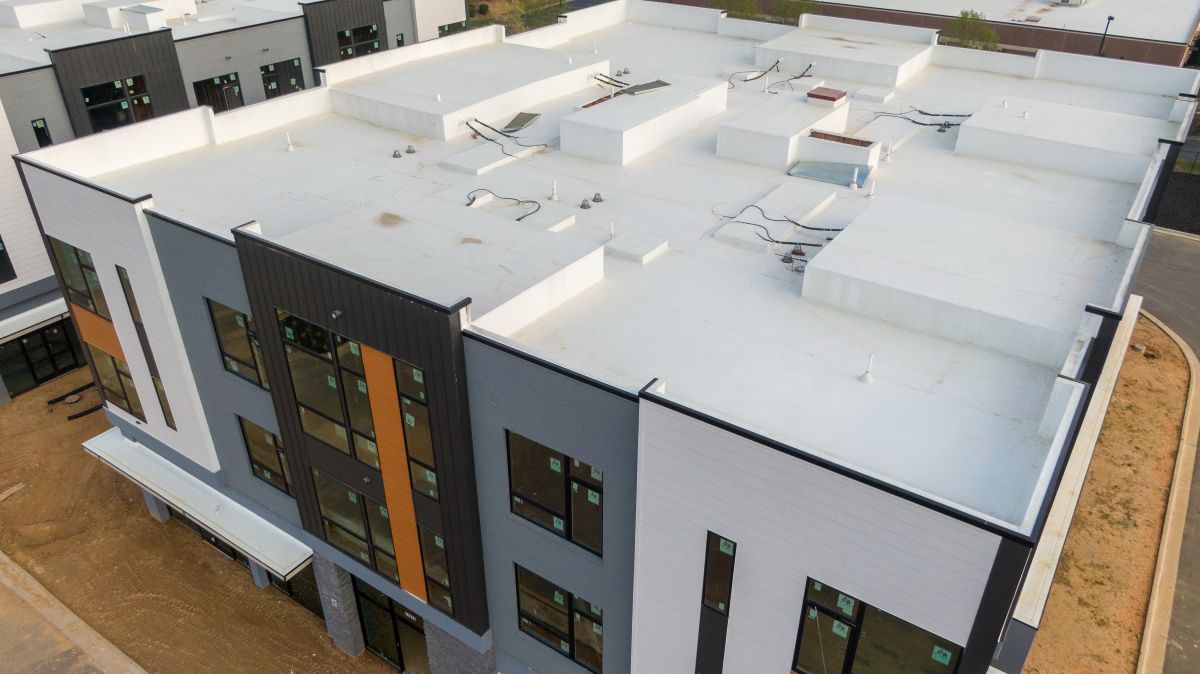
Why Commercial Flat Roof Cost Matters to Property Owners
A flat roof is one of the largest capital expenses a commercial property owner will face, and getting the pricing wrong can throw off budgets for years. Because flat roofing systems vary so widely in material, labor, and design, two buildings of similar size can end up with very different price tags depending on the specifications chosen. Understanding the cost structure ahead of time helps owners make informed decisions rather than simply accepting the first number they see.
- Accurate budgeting: Knowing the typical price range for your building type helps you plan capital expenses without guesswork.
- Better contractor comparisons: Understanding what drives cost lets you evaluate whether a quote is fair or inflated.
- Smarter material decisions: Weighing upfront cost against long-term durability helps you choose a system that fits your timeline and budget.
- Fewer surprises during the project: Knowing which factors commonly add cost helps you avoid mid-project change orders.
7 Factors That Determine Your Commercial Flat Roof Cost
Flat roof pricing depends on far more than simple square footage. Commercial roof contractors weigh a combination of material, structure, and site conditions before arriving at a final number, and understanding each piece helps explain why two seemingly similar roofs can carry very different price tags. Below are the seven factors that most heavily shape the final estimate.
1. Roofing Material
Material selection is usually the single biggest driver of commercial flat roof cost. TPO and EPDM membranes tend to sit on the more affordable end, PVC and metal systems fall in the middle, and built up bituminous roofing and modified bitumen systems typically carry higher material and labor costs due to the multiple layers involved.
- TPO: generally the most budget-friendly single-ply option
- EPDM: durable and cost-effective, especially for larger flat sections
- PVC: moderate cost with strong resistance to chemicals and grease, useful for restaurants
- Built up bituminous and modified bitumen: higher cost due to multiple courses of material and labor-intensive installation
2. Roof Size and Layout
Larger roofs naturally require more material and labor, but layout matters just as much as square footage. A simple rectangular roof installs faster and more efficiently than one with multiple levels, angles, or tie-ins, which can drive the per-square-foot price higher even on a smaller building.
3. Insulation Requirements
Insulation thickness and type play a major role in both material cost and long-term energy performance. Buildings in colder climates typically need thicker insulation to meet current energy code requirements, and upgrading insulation during a reroof often adds cost upfront but can lower utility bills for years afterward.
- Polyisocyanurate: a common, energy-efficient choice for flat roofs
- Extruded polystyrene: durable and moisture-resistant, often used in high-traffic areas
- Tapered insulation systems: help correct drainage issues but add to material cost
4. Number of Roofing Layers
Whether a project involves a full tear off or an overlay on the existing roof significantly changes the price. A tear off removes the old roofing system down to the deck, which adds labor and disposal costs but allows for a full inspection of the roof structure underneath. An overlay skips this step, which lowers upfront cost but can hide existing damage.
5. Drainage System
Flat roofs rely entirely on a properly designed drainage system to avoid ponding water, and correcting poor drainage adds meaningful cost to a project. Roofs with interior drains, scuppers, or tapered insulation systems generally cost more to install than a simple flat membrane but prevent far more expensive water damage down the road.
6. Roof Accessories and Penetrations
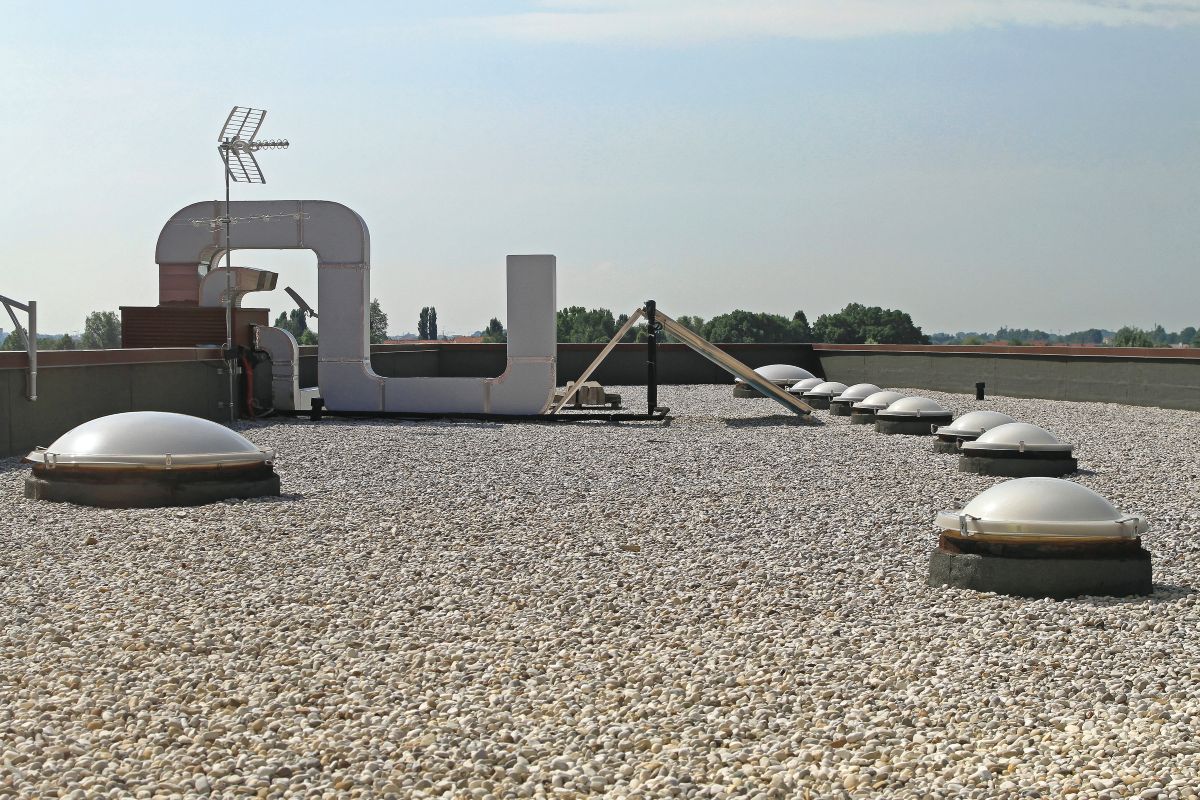
HVAC units, skylights, vents, and other rooftop equipment all require flashing and detail work that adds labor time. A roof with multiple penetrations takes longer to install correctly and carries a higher risk of future leaks if the flashing work isn’t done well the first time.
- HVAC curbs and equipment pads: require custom flashing details
- Skylights: add both material and labor cost
- Roof access hatches and walkways: minor additions that still affect the final price
7. Labor and Regional Market Rates
Labor costs vary based on contractor availability, project complexity, and regional demand within the roofing industry. Property owners in Columbia City and surrounding areas may see pricing shift seasonally, particularly during peak construction months when qualified crews are in higher demand.
Taken together, these seven factors explain why commercial flat roof cost estimates can range widely even for buildings of similar size. A qualified contractor should be able to walk through each factor shaping your specific quote rather than presenting a number without context, since informed comparisons ultimately protect your budget.
Understanding Cost Per Square Foot by Material
Most commercial roofing contractors price flat roof installation using a cost-per-square-foot model, which makes it easier to compare bids across different companies. That said, the range within each material category can be wide, since insulation thickness, roof accessibility, and existing roof structure all shift the final number even within the same material type.
- TPO and EPDM systems typically run toward the lower end of the pricing spectrum, generally landing in the range of $6 to $12 per square foot depending on insulation and thickness. These single-ply membranes have been widely used across the roofing industry for over 25 years and remain a popular choice for their balance of cost and performance.
- Built up bituminous roofing tends to cost more, often in the range of $8 to $14 per square foot, due to the multiple layers of felt and bitumen applied during installation. This system has a long track record of durability but requires more skilled labor to install correctly.
- Metal and standing seam roofing on flat or low-slope commercial buildings generally falls between $10 and $20 per square foot, with the higher end reflecting premium panel profiles and finishes. A metal system can last 40 to 70 years or more with proper installation and maintenance, which is worth factoring into a cost comparison even though the upfront price is higher.
Property owners should always request an itemized breakdown rather than a single lump-sum figure, since this makes it far easier to see exactly where the money is going and to compare quotes against one another on an apples-to-apples basis.
Choosing the Right System for Your Building
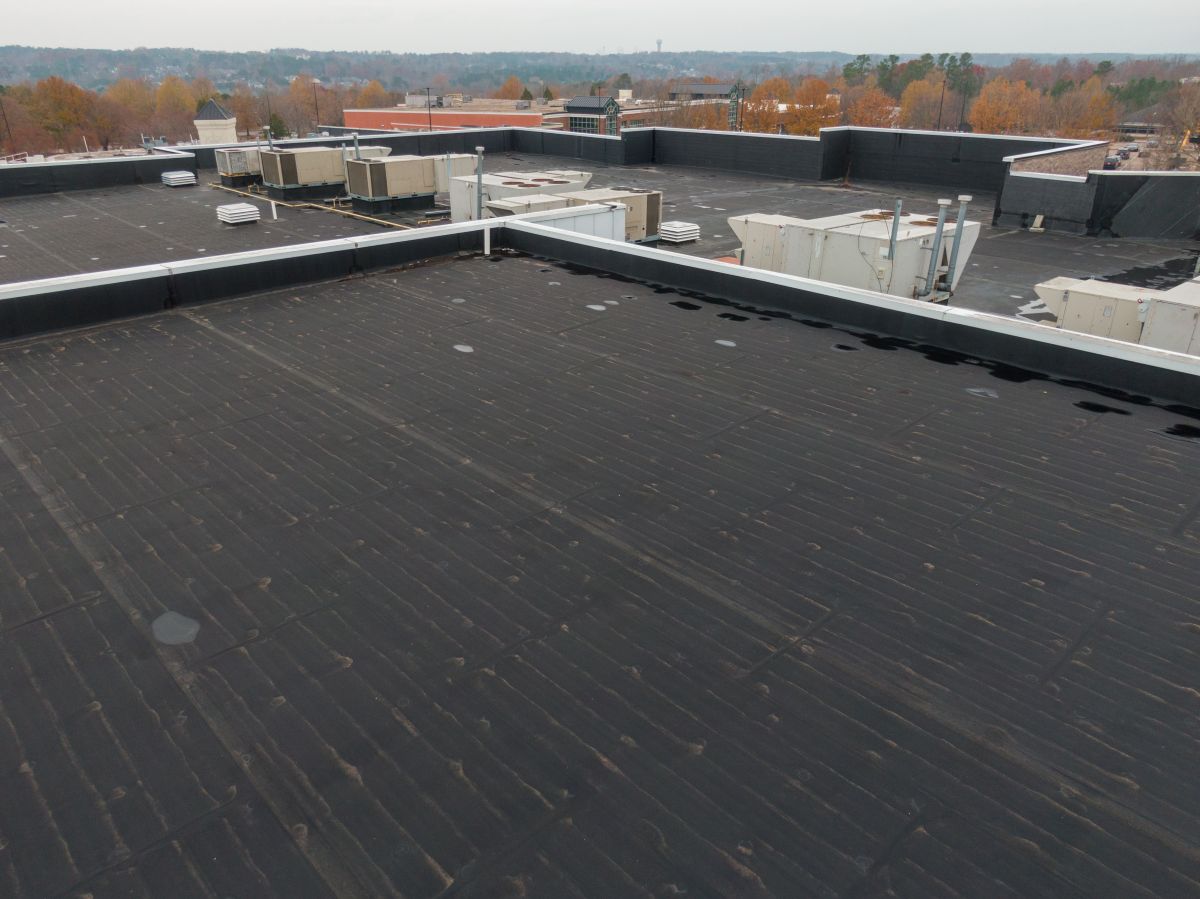
Beyond price alone, the right flat roofing system depends on the building’s use, climate exposure, and how long the owner plans to hold the property. A restaurant with grease exposure has very different needs than a warehouse with minimal rooftop traffic, and matching the material to the building’s actual use often prevents costly problems later.
Matching Material to Building Type
Restaurants and food service buildings benefit from PVC roofing due to its resistance to grease and chemical exposure, while warehouses and distribution centers often do well with TPO or EPDM given their lower cost and solid performance over large, simple roof areas. Office buildings and retail spaces frequently land somewhere in between, balancing appearance, energy efficiency, and budget.
Weighing Warranty and Brand Reputation
A roofing warranty is only as strong as the brand and contractor standing behind it. Single-ply systems from a reputable manufacturer typically carry a 20 to 30 year warranty, and choosing an established brand with a strong track record in the roofing industry can make a meaningful difference if a problem arises years down the line. Property owners in Columbia City and surrounding areas should always confirm whether a warranty covers materials only or materials and workmanship together, since the two are not the same.
Planning for Long-Term Maintenance
A properly maintained flat roof, regardless of material, tends to outperform its expected lifespan, while a neglected one often fails early even with premium materials. Scheduling annual inspections and addressing minor repairs quickly protects the investment and helps property owners avoid the far higher cost of an emergency replacement.
Every building has different priorities, so working with a contractor who takes the time to understand the property’s specific use case tends to produce better long-term results than choosing the cheapest available quote.
Get an Accurate Quote from Maumee River Roofing
Commercial flat roof cost depends on far more than a single number, and understanding the factors behind your quote puts you in a much stronger position to make a confident decision. Whether you’re comparing materials, planning a full replacement, or simply trying to understand what a fair price looks like for your building, having a clear breakdown of costs protects your budget and your investment. Maumee River Roofing has helped property owners throughout Columbia City and surrounding areas navigate exactly these decisions, providing detailed, honest estimates before any work begins. If you’re ready to get a straightforward quote for your building, contact us today to schedule an inspection with Maumee River Roofing.