

If you own or manage a commercial property, an unexpected leak or storm-damaged section can throw your entire budget off track. Understanding commercial roof repair cost before a problem shows up gives you leverage when it’s time to call a contractor, and it helps you separate a fair estimate from an inflated one. Business owners who plan ahead, rather than scrambling after the fact, tend to spend less overall on their roofing systems over the life of the building. This guide breaks down the real numbers property owners in Fishers and surrounding areas can expect to see in 2026.
What you’ll learn:
- The average price ranges for common commercial roof repairs
- The biggest factors that drive repair costs up or down
- How roofing material affects your final bill
- When a repair makes more financial sense than a full replacement
- How to avoid overpaying for commercial roof work
Why Commercial Roof Repair Cost Matters to Property Owners
A commercial roof protects far more than the building itself. It shields inventory, equipment, employees, and tenants from water damage, mold growth, and structural deterioration that can shut down operations for days or weeks. When property owners understand what repairs actually cost, they can budget accurately, negotiate confidently, and avoid the financial shock of a surprise invoice. Ignoring small issues because the estimate seems high almost always leads to a far larger bill down the road. Commercial buildings also face different pressures than residential properties, since insurance policies, lease agreements, and tenant expectations all factor into how quickly a repair needs to happen and who ultimately pays for it.
- Predictable budgeting: Knowing typical price ranges helps you set aside the right amount for maintenance reserves each year.
- Faster decision-making: When you understand cost drivers, you can approve necessary repairs quickly instead of losing time to indecision.
- Stronger negotiating position: Property owners who know the market rate are less likely to accept inflated quotes.
- Reduced long-term expense: Addressing damage early, before it spreads, almost always costs less than waiting until a full section needs replacement.
6 Factors That Determine Your Commercial Roof Repair Cost
Commercial roof repair pricing varies more than most property owners expect, and it rarely comes down to a single number. Commercial roofing contractors weigh several variables before writing an estimate, and understanding each one helps explain why two similar-looking roofs can have very different repair bills. Below are the six factors that most heavily influence what you’ll pay.
1. Roofing Material
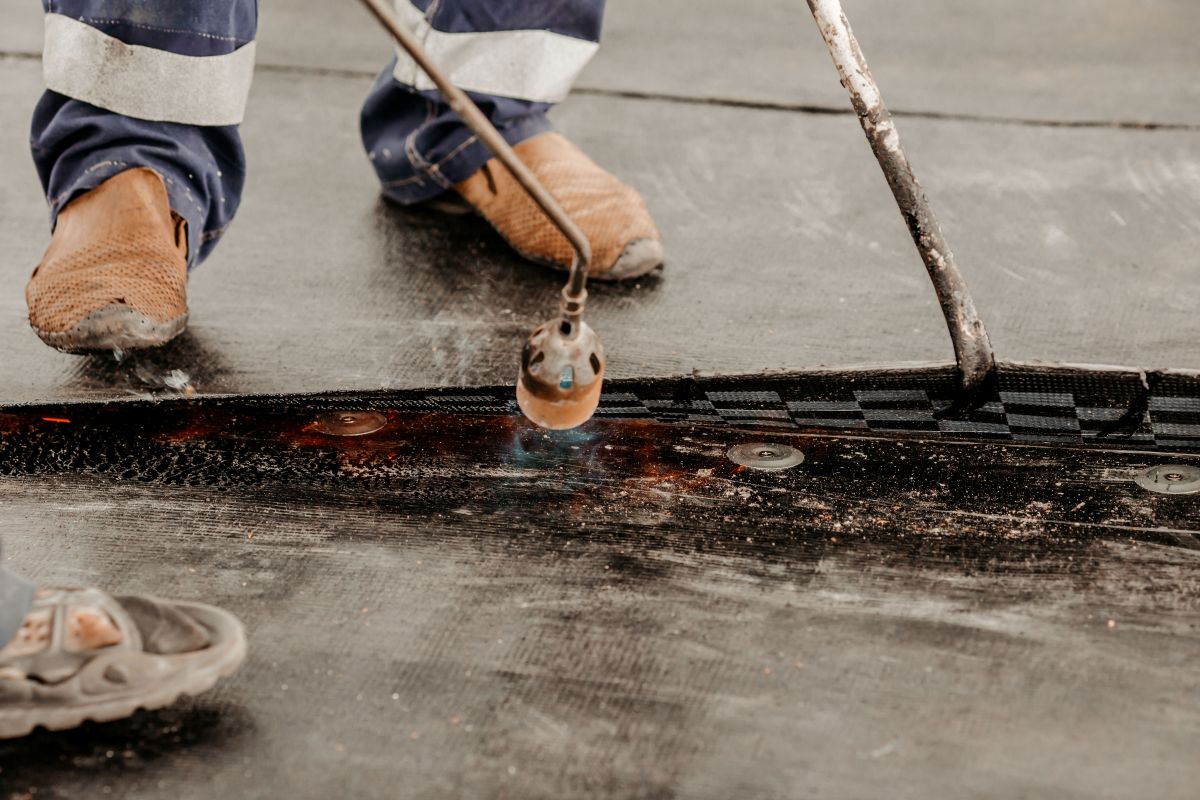
The material covering your building plays one of the largest roles in repair pricing. Thermoplastic polyolefin (TPO) and ethylene propylene diene monomer (EPDM) membranes are generally the most affordable to patch, while modified bitumen and built up bituminous roofing systems require more labor and specialized materials. Metal roofing repairs, including standing seam panels, fall somewhere in the middle, depending on the extent of the damage. Material selection also affects full-system installation pricing, which runs in a much wider range than a simple patch.
- TPO and EPDM: typically the lowest repair costs per square foot, with full TPO replacement running around $11 to $14 per square foot
- PVC and modified bitumen: moderate to higher material and labor costs
- Built up bituminous roofing: among the more labor-intensive systems to work on, with replacement often landing between $11.50 and $14.50 per square foot
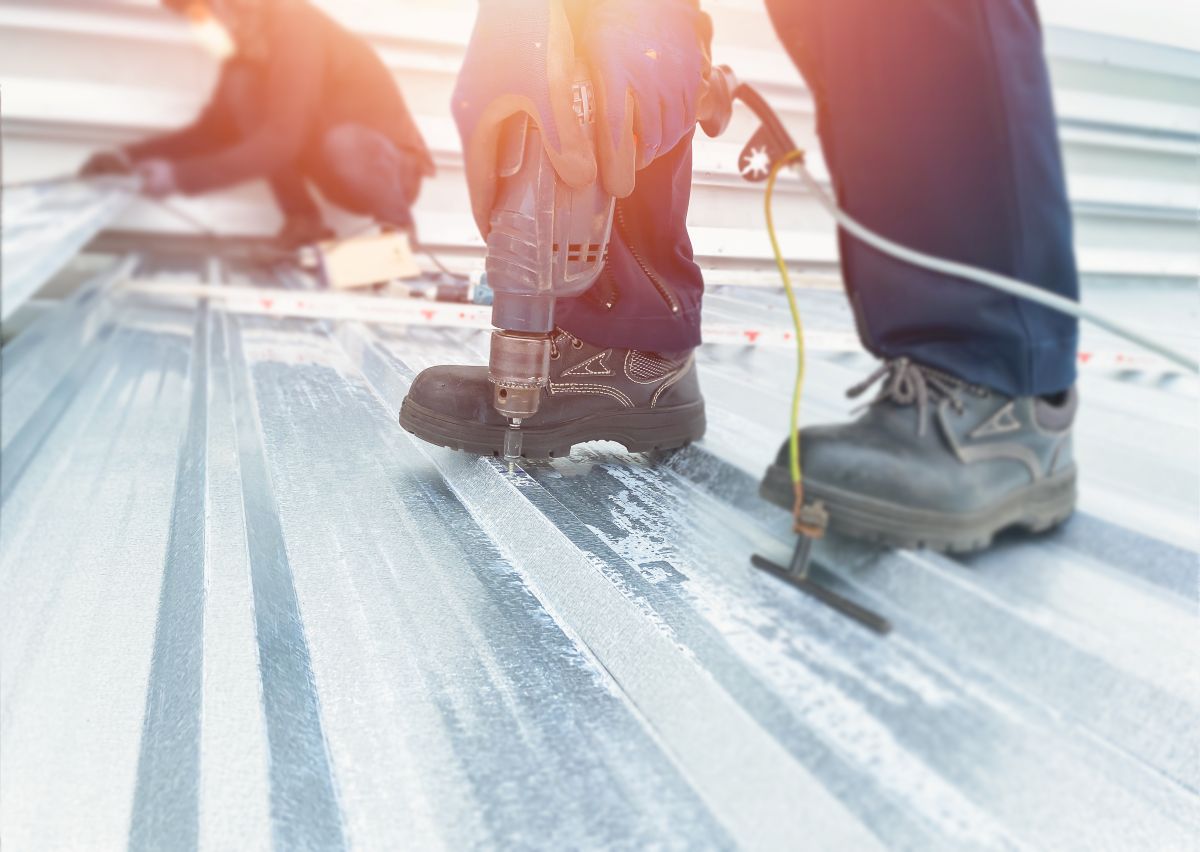
- Metal panels and standing seam systems: moderate repair cost, but specialty flashing work around multiple penetrations can add expense, with full metal replacement typically falling between $10 and $25 or more per square foot
2. Extent and Type of Damage
A small puncture or isolated seam failure costs far less to fix than widespread ponding water damage or storm-related structural issues. Contractors assess whether the damage is localized or has spread beneath the surface, since trapped moisture in the insulation layer often means more extensive repairs than the visible damage suggests, as saturated insulation typically has to be removed and replaced rather than dried out.
3. Roof Size and Accessibility
Larger roofs naturally cost more to repair simply because more material and labor are involved. Accessibility also matters. A roof with limited access points, steep pitch sections, or obstacles like HVAC units and skylights takes longer to navigate safely, which increases labor time and overall price.
4. Age of the Roofing System
Older roofs often need more than a simple patch. Aging materials can be brittle, and a contractor may find that the surrounding area needs reinforcement to make a lasting repair. This is common on commercial roofs approaching 15 to 20 years old, where a small fix in one spot can reveal weakness nearby. Code requirements may have also changed since installation, and bringing a repair up to current standards can mean upgrading insulation or materials as part of the job.
5. Labor and Local Market Rates
Labor costs shift based on regional demand, contractor availability, and the complexity of the job. Property owners in Fishers and surrounding areas may notice seasonal price fluctuations, particularly after major storms when demand for roofing crews spikes across the region. Broader market conditions matter too, since material pricing and labor availability across the roofing industry can shift from one year to the next.
6. Emergency vs. Scheduled Repairs
Emergency repairs, especially those needed after severe weather, typically carry a premium due to the urgency and after-hours labor involved. Scheduling a repair proactively, rather than waiting for an active leak, almost always results in a lower total cost.
- Emergency tarping and stabilization: added rush fees
- Scheduled daytime repairs: standard labor rates apply
- Off-season scheduling: sometimes discounted pricing available
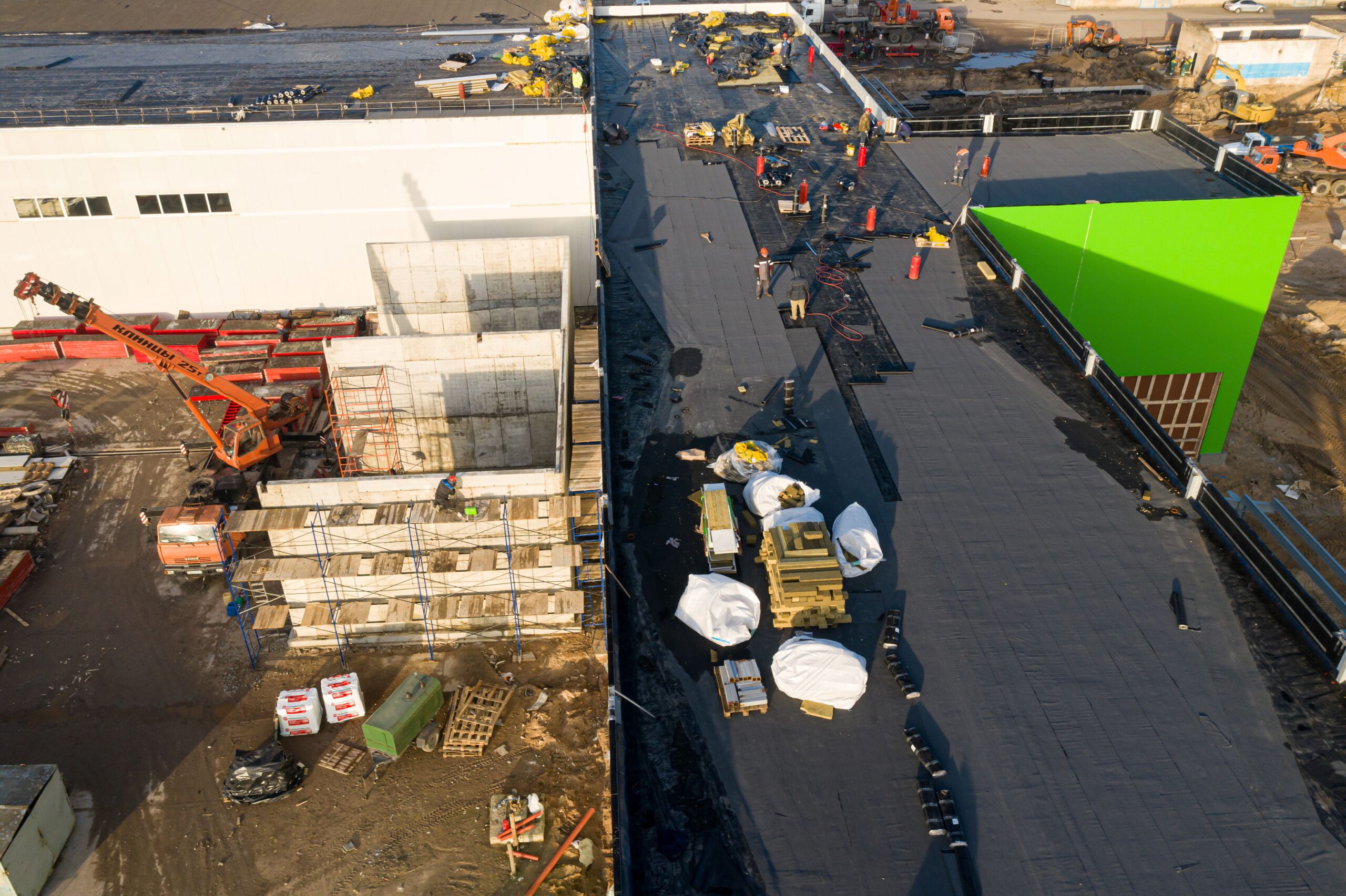
Taken together, these six factors explain why commercial roof repair estimates can range from a few hundred dollars for a minor patch to tens of thousands for extensive membrane replacement. A section-wide tear off adds further cost, since tear-off and disposal of damaged roofing components typically runs $8 to $30 per square foot on its own. A reputable roofing company should walk you through each factor affecting your specific quote rather than handing you a number without explanation.
Understanding Cost Per Square Foot and Repair Scope
Most contractors price repairs using a cost-per-square-foot model, which makes it easier to compare estimates. That said, square footage alone doesn’t tell the whole story, since the type of repair required changes the math significantly. A flat roof structure is also more prone to ponding than sloped roofs, which shed water more easily but can be trickier to access.
- Minor patch repairs: Generally the least expensive option, covering small punctures, seam separations, or flashing issues around vents and pipes.
- Section replacement: Involves removing and replacing a damaged portion of the membrane or roofing material, often needed after storm damage or long-term wear in one area.
- Flashing and penetration repairs: Address leaks around chimneys, skylights, HVAC units, and roof edges, which are common failure points on commercial buildings.
- Ponding water correction: May require additional drainage work in addition to the repair itself, since standing water is often a symptom of a larger drainage problem rather than a simple leak.
Property owners sometimes assume the total roof square footage determines the bill, but a 20,000-square-foot roof needing a single flashing repair can cost far less than a 5,000-square-foot roof with widespread membrane failure. This is why an on-site inspection matters more than a rough phone estimate. A contractor who physically walks the roof can identify the true scope of work and give a number that reflects reality rather than a guess.
Repair vs. Replacement: Making the Right Financial Call
One of the most important decisions a property owner faces is whether to repair a damaged section or invest in a full roof replacement. Repairing delays a larger capital expense, but repeated repairs on an aging system can eventually cost more than replacement would have. Business owners in Fishers and surrounding areas often ask their contractor to walk through both options before committing.
| Consideration | Repair | Full Replacement |
| Upfront cost | Lower, often a few hundred to a few thousand dollars | Higher, typically a significant capital investment |
| Best suited for | Roofs under 15 years old with isolated damage | Roofs nearing or past their expected lifespan |
| Long-term value | Cost-effective if damage is limited | Resets the roof’s service life and often improves energy efficiency |
| Risk factor | Repeated repairs can signal a failing system | Higher initial cost but fewer surprises down the road |
| Insurance considerations | May be covered if damage is storm-related | Often covered in full after major storm events |
| Typical replacement range | Not applicable | Asphalt shingle: $3.50 to $7 per square foot; TPO or EPDM: $11 to $14; built up bituminous: $11.50 to $14.50; metal: $10 to $25 or more |
Age is usually the deciding factor. A roof under ten years old with a single area of damage is almost always a good repair candidate. A roof pushing past 20 years, especially one that has already needed several patches, may cost less over time if replaced rather than repaired piece by piece. An experienced roofing contractor can inspect the full system and give an honest recommendation rather than pushing toward the more expensive option by default.
It also helps to consider how each option affects day-to-day operations. A targeted repair is often completed in a single visit with minimal disruption, while a full replacement may require scheduling around business hours. Owners who plan replacements during slower seasons often find the process smoother, since contractor schedules tend to open up outside of peak storm season.
Roofing warranties are worth weighing into the decision too. A repair typically carries a shorter, more limited warranty, while a new system from a recognized brand often comes with a 25 to 30 year warranty on single-ply products. A new roof also tends to increase property value immediately and can be the better investment when an aging system already requires frequent, costly repairs. The right call depends on the building, so leaning on a contractor’s expertise during the inspection is worth the time.
Protect Your Investment with Maumee River Roofing
A commercial roof is one of the most valuable assets protecting your building, and understanding what repairs actually cost puts you in control of that investment rather than at the mercy of guesswork. Whether you’re dealing with a minor leak or deciding between a repair and a full replacement, an accurate, honest estimate from a qualified team makes all the difference. A trustworthy quote should detail the scope of work, materials, and warranty, and a crew’s expertise directly affects installation quality and code compliance.
Maumee River Roofing has helped business owners throughout Fishers and surrounding areas navigate exactly these decisions, providing clear inspections and fair, detailed pricing before any work begins. If you’re noticing signs of roof damage or simply want a professional evaluation before committing to a repair budget, contact us today to schedule an inspection and get a straightforward quote for your property.